 Site • RSS • Apple Podcasts
Description (podcaster-provided):
An official NASA podcast bringing you mind-blowing stories you won’t find anywhere else.Themes and summary (AI-generated based on podcaster-provided show and episode descriptions):
➤ Artemis Moon missions, astronauts, Orion/SLS • Mars rover science • Asteroids, planetary defense, origins of life • Webb/Hubble astronomy: galaxies, stars, exoplanets • Sun, eclipses, space weather • Earth observation, hurricanes, air/ocean/climateThis podcast is an official NASA show that uses interviews and reported storytelling to explain current space science, Earth science, and human exploration. Across its episodes, NASA astronauts, scientists, and engineers describe how major missions are designed, tested, launched, and operated, with an emphasis on the teamwork and problem-solving behind complex programs.
A substantial portion of the content follows NASA’s Artemis lunar efforts, detailing crew training and roles, the Orion spacecraft and Space Launch System rocket, launch and ground infrastructure, lunar science goals, and how missions end with recovery back on Earth. The show also returns frequently to robotic exploration, including Mars rovers and helicopter flight, sample-return work from asteroid missions, planetary defense surveys, and upcoming voyages to ocean worlds such as Europa.
Listeners also hear about flagship observatories and the discoveries they enable, including Hubble operations and James Webb Space Telescope results on the early universe, galaxy evolution, star and planet formation chemistry, exoplanets, and solar system targets. Other episodes focus on heliophysics—space weather, total solar eclipses, and missions that study or even fly through the Sun’s atmosphere—sometimes including citizen-science opportunities and techniques like data sonification.
Earth-focused installments explain how NASA monitors the oceans, land, atmosphere, aerosols, ozone, air quality, sea level, and agriculture using long-running satellite records, along with the use of open science and AI in hazards research such as hurricanes. The podcast also explores human health in space through analog studies and microgravity research, and highlights how NASA technologies can spin off into everyday products on Earth.




 Update: Artemis II Crew Comes Home
 Update: Artemis II Crew Flies Around the Moon
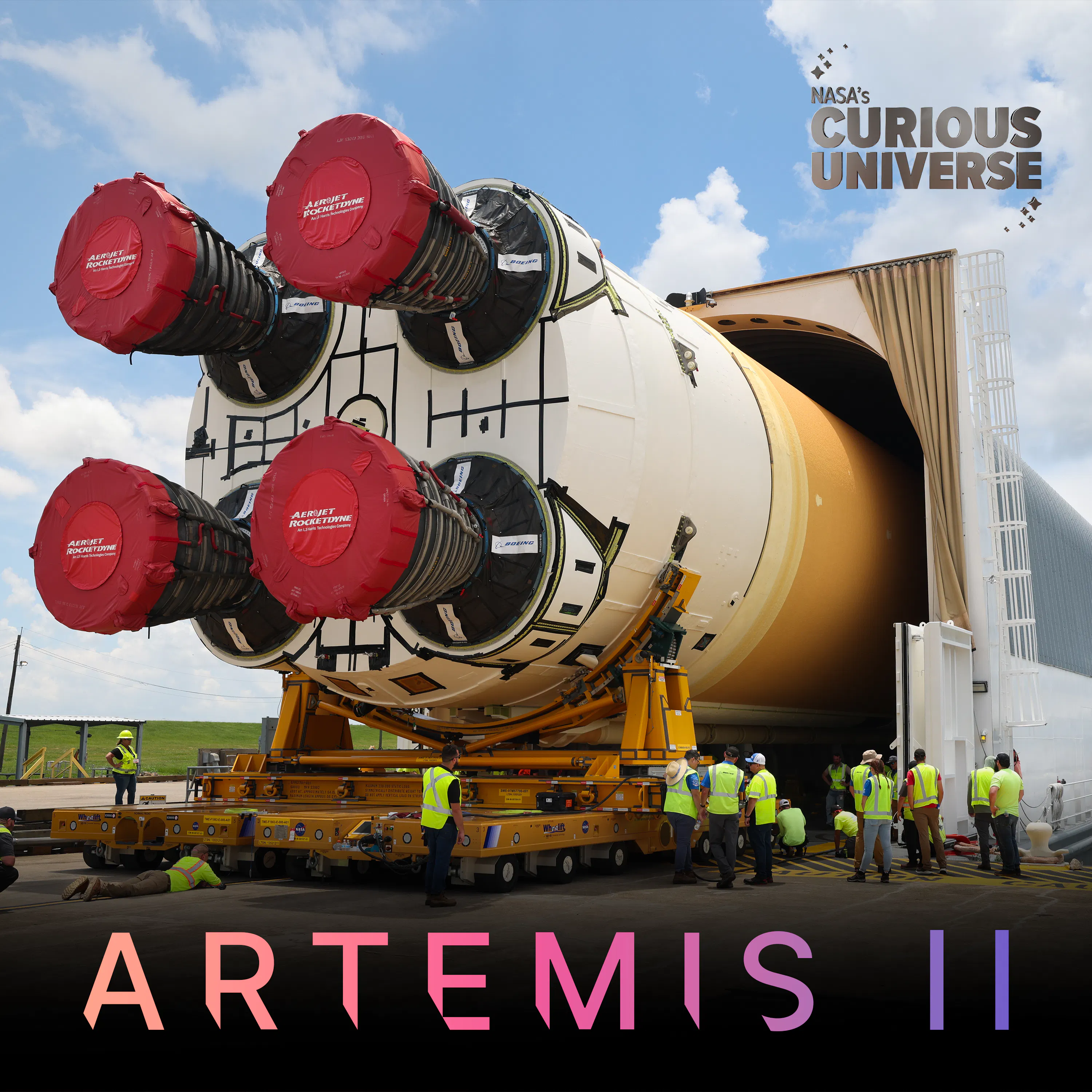
 Artemis II: How NASA Will Study the Moon—And the Astronauts Going There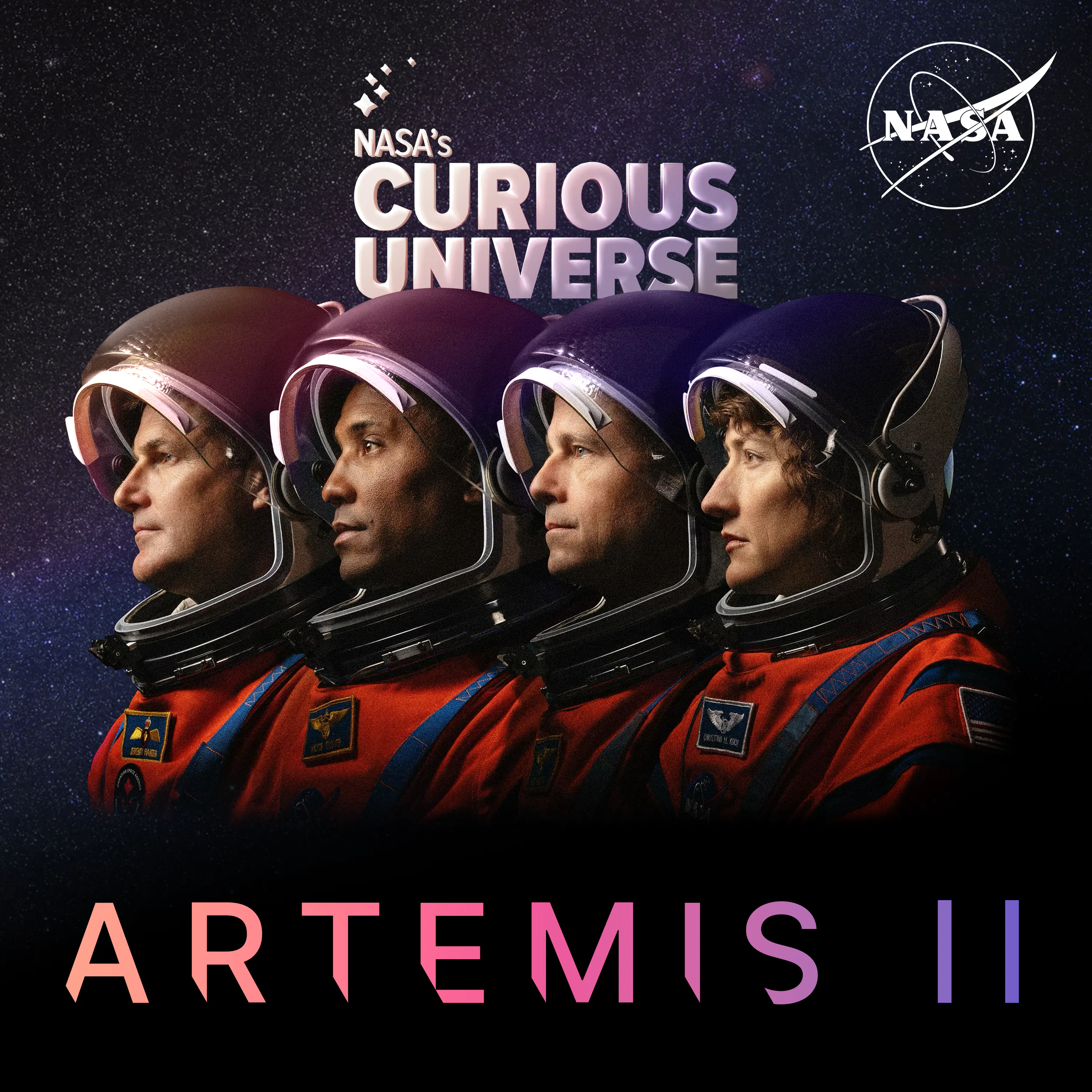


 Earth Series: From Space to Your Plate
 Earth Series: The Ocean, Now in Full Color