 Site • RSS • Apple Podcasts
Description (podcaster-provided):
Do you ever feel dizzy when you think about the incomprehensible scale of space? We call that feeling Cosmic Vertigo. Welcome to a head-spinning conversation between two friends about the sparkly -- and not so sparkly -- stuff in the sky.Themes and summary (AI-generated based on podcaster-provided show and episode descriptions):
➤ astronomy conversations • space science and exploration • sonified “space sounds” guessing game • black holes, telescopes, eclipses • Apollo 11 moon landing series • fast radio bursts, interstellar visitors • space junk, Australian space agency • Indigenous sky stories • STEM careers and barriersThis podcast is a conversational astronomy and space-science show built around the sense of awe—and occasional disorientation—that can come from thinking about the scale and strangeness of the universe. Across its episodes, the hosts explain major ideas in astrophysics and cosmology in an accessible way, often using vivid analogies and storytelling to make abstract concepts feel concrete.
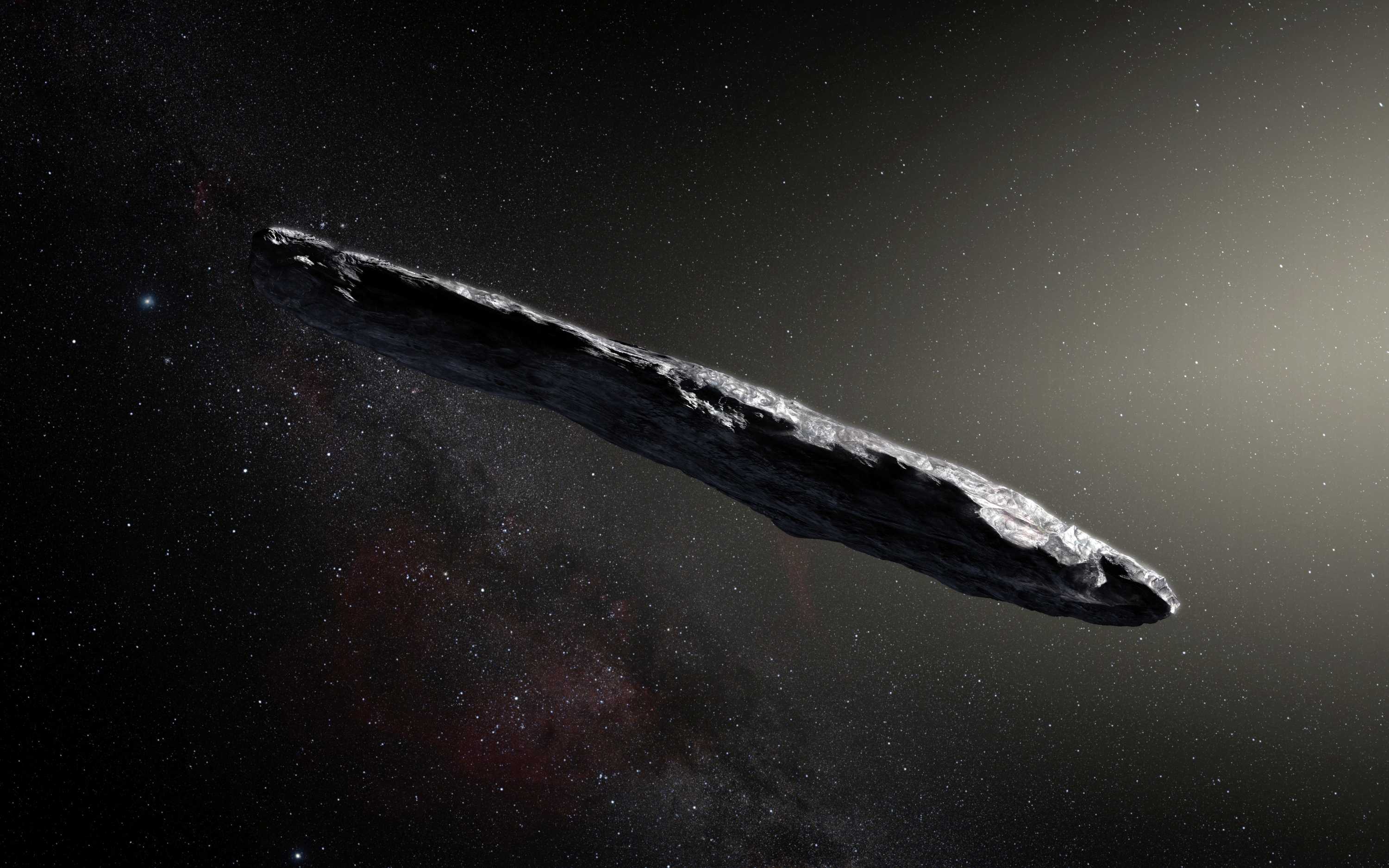
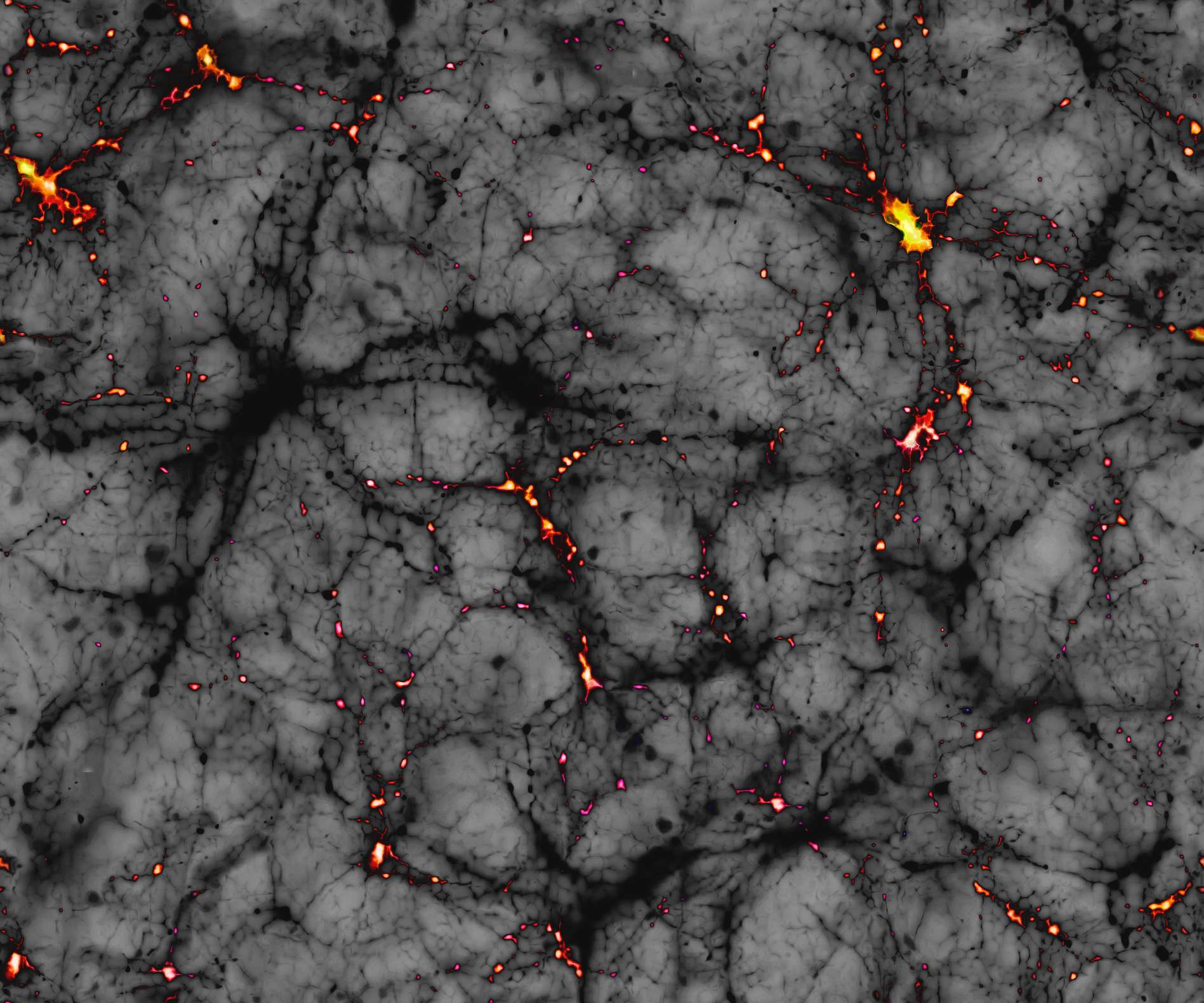
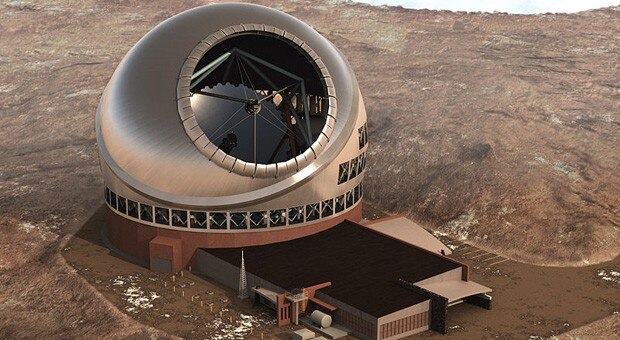
A recurring focus is on extremes and mysteries in space: how hot or cold the universe can get, how empty “vacuum” really is, how dense stellar remnants become, and how phenomena like fast radio bursts or dark components of the cosmos challenge current understanding. The show also spends time on observational astronomy and the tools that make it possible, including radio telescope networks that produced the first black hole image, as well as the cultural, environmental, and political tensions that can surround major observatories.
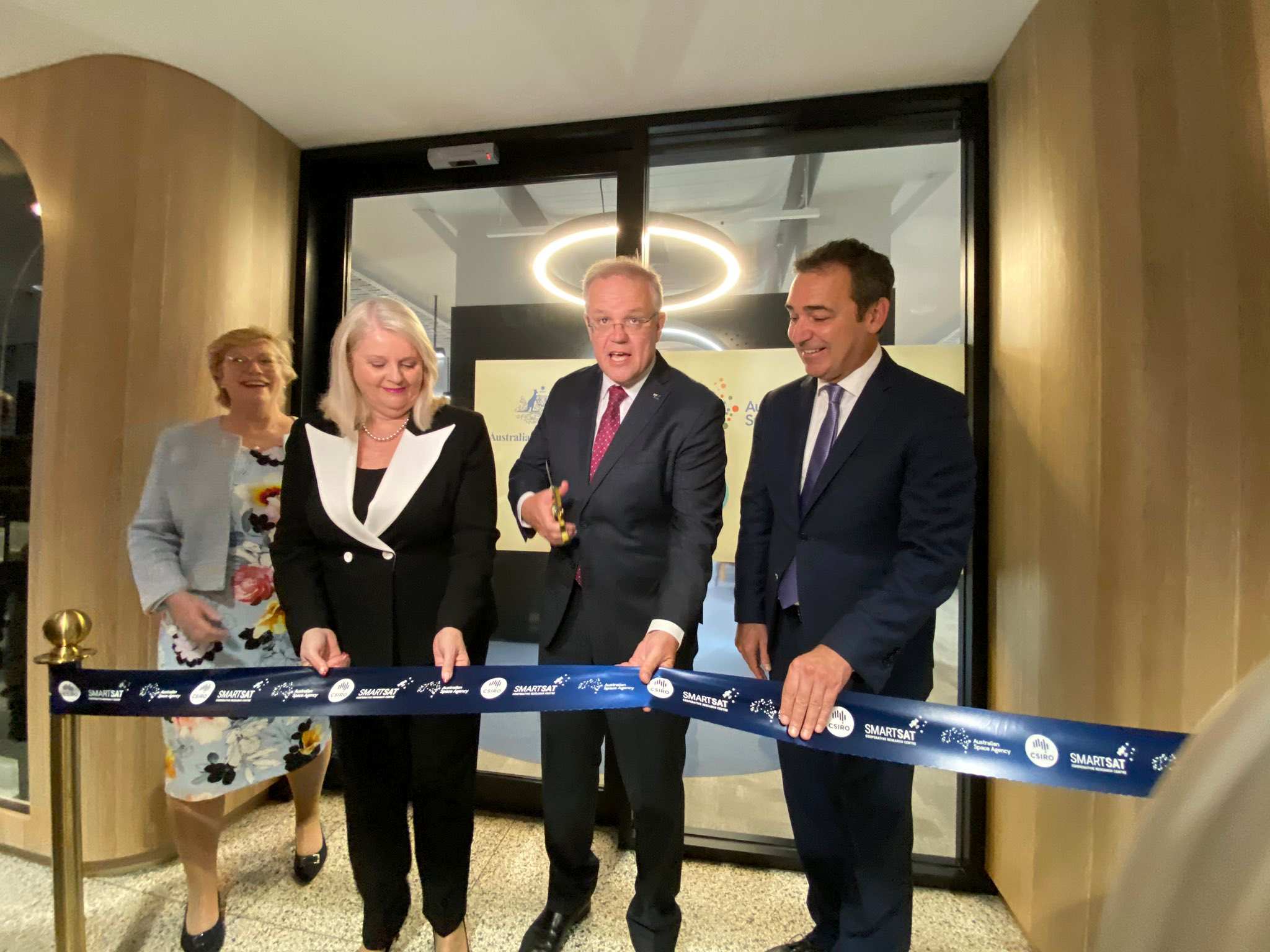
Several segments broaden the lens beyond pure science to include space history and institutions. There is narrative coverage of the Apollo 11 Moon landing from launch through return, along with discussions of contemporary space activity such as the role of the Australian Space Agency and the growing problem of orbital debris.
The podcast also integrates audience-style question episodes and short, game-like mini-episodes that use “space sounds” and sonification—audio derived from space data or spacecraft recordings—to prompt discussion. Throughout, it features guests working in astronomy, cosmology, and space archaeology, and it includes perspectives connected to Indigenous Australian knowledge and storytelling about the sky.