
 Site • RSS • Apple Podcasts
Description (podcaster-provided):
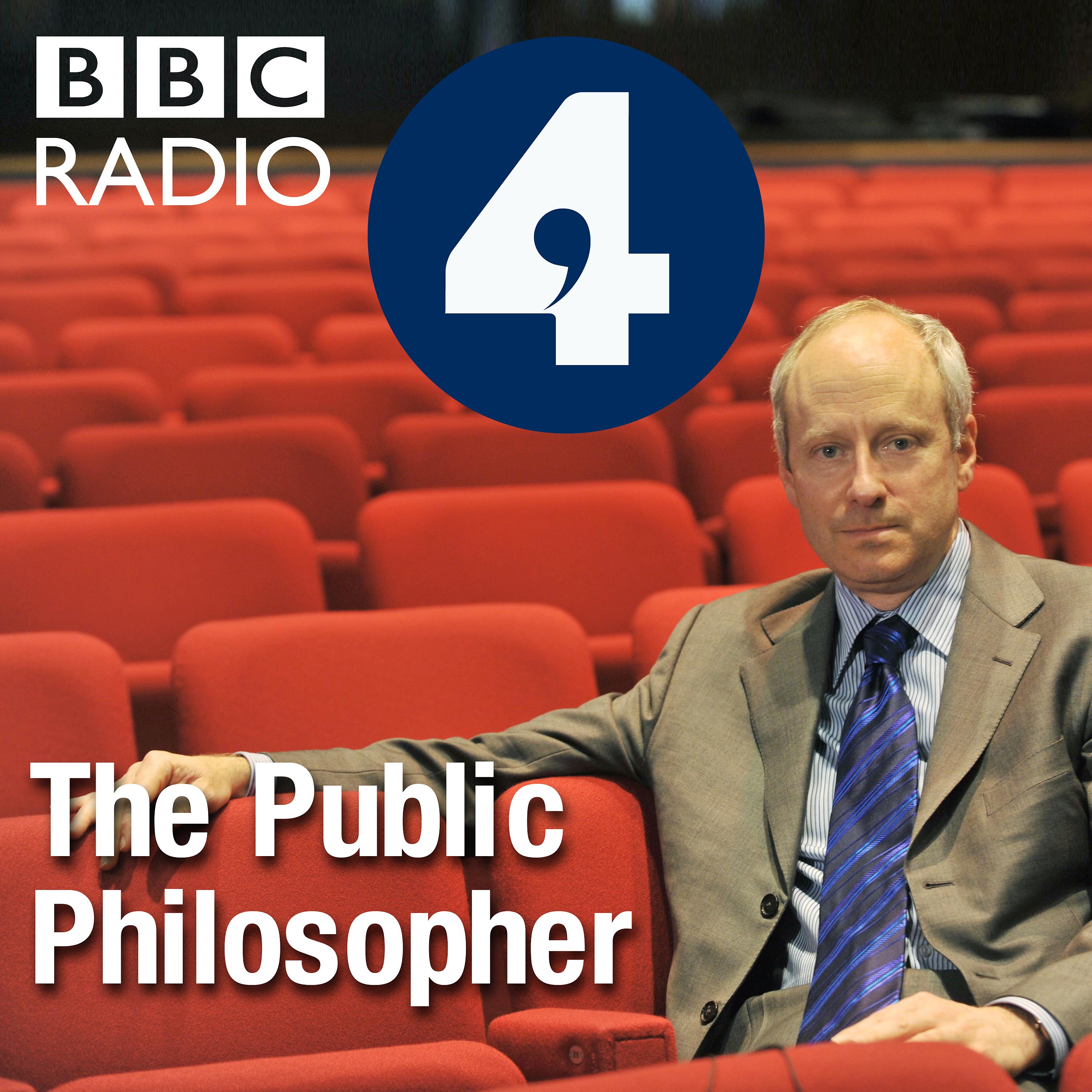
Harvard political philosopher Michael Sandel examines the thinking behind a current controversy.Themes and summary (AI-generated based on podcaster-provided show and episode descriptions):
➤ Public moral philosophy via audience debates • AI ethics, automation, human judgment • democracy, voting, free speech • borders, immigration, national identity, globalization • inequality, welfare, fair pay • climate justice • state and private morality • sexual violence ethics • education accessThis podcast brings Harvard political philosopher Michael Sandel into live and virtual forums to examine the moral reasoning behind prominent public controversies. Across the conversations, Sandel uses a Socratic, question-driven style with audiences—students, citizens, lawmakers, and participants from multiple countries—to surface the values and assumptions that shape political disagreement.
A recurring theme is how technology is changing human agency and social life. Discussions probe the ethics of artificial intelligence in culture and personal decision-making, including the use of algorithms to judge, predict, or replace human judgment, as well as wider questions about automation and the future of work. These debates often turn on what should count as uniquely human—thinking, responsibility, creativity, and the meaning of work.
The podcast also focuses on core issues in democratic life and civic identity. It explores why democracy and voting matter, what obligations citizens have toward one another, and whether globalisation and inequality have weakened social bonds. Questions about patriotism, national identity, and belonging appear alongside disputes over borders, immigration, and the moral distinction between refugees and other migrants.
Several episodes tackle the limits of rights and the role of the state, including when governments should shape private morality and how to balance free expression against harms such as offense, untruth, or vulnerability. Other topics include responsibility for historical wrongdoing, fairness in pay and opportunity, welfare and the “American dream,” public health incentives, and how societies should share the burdens of climate change.
| Episodes: |
|
The Ethics of AI 2024-Jun-11 42 minutes |
|
Will AI make thinking obsolete? 2019-Aug-26 41 minutes |
|
Public Philosopher - Citizens of Nowhere? 2018-Oct-29 41 minutes |
|
Global Philosopher: Should there be any limits to free speech? 2018-Feb-06 41 minutes |
|
Would life be better if robots did all the work? 2017-Mar-08 41 minutes |
|
The Global Philosopher: Should the Rich World Pay for Climate Change? 2016-Jul-28 41 minutes |
|
The Global Philosopher: Should Borders Matter? 2016-Mar-29 41 minutes |
|
Why Democracy? 2015-Jan-20 52 minutes |
|
National Guilt 2014-May-27 41 minutes |
|
Why Vote? 2014-May-20 41 minutes |
|
Morality and the State 2014-May-13 41 minutes |
|
Is rape worse than other violent crime? 2013-Mar-26 38 minutes |
|
Welfare 2012-Oct-30 42 minutes |
|
Immigration 2012-Oct-23 41 minutes |
|
Should we bribe people to be healthy? 2012-Apr-17 41 minutes |
|
Should a banker be paid more than a nurse? 2012-Apr-10 41 minutes |
|
Should universities give preference to applicants from poor backgrounds? 2012-Apr-03 41 minutes |