
 Site • RSS • Apple Podcasts
Description (podcaster-provided):
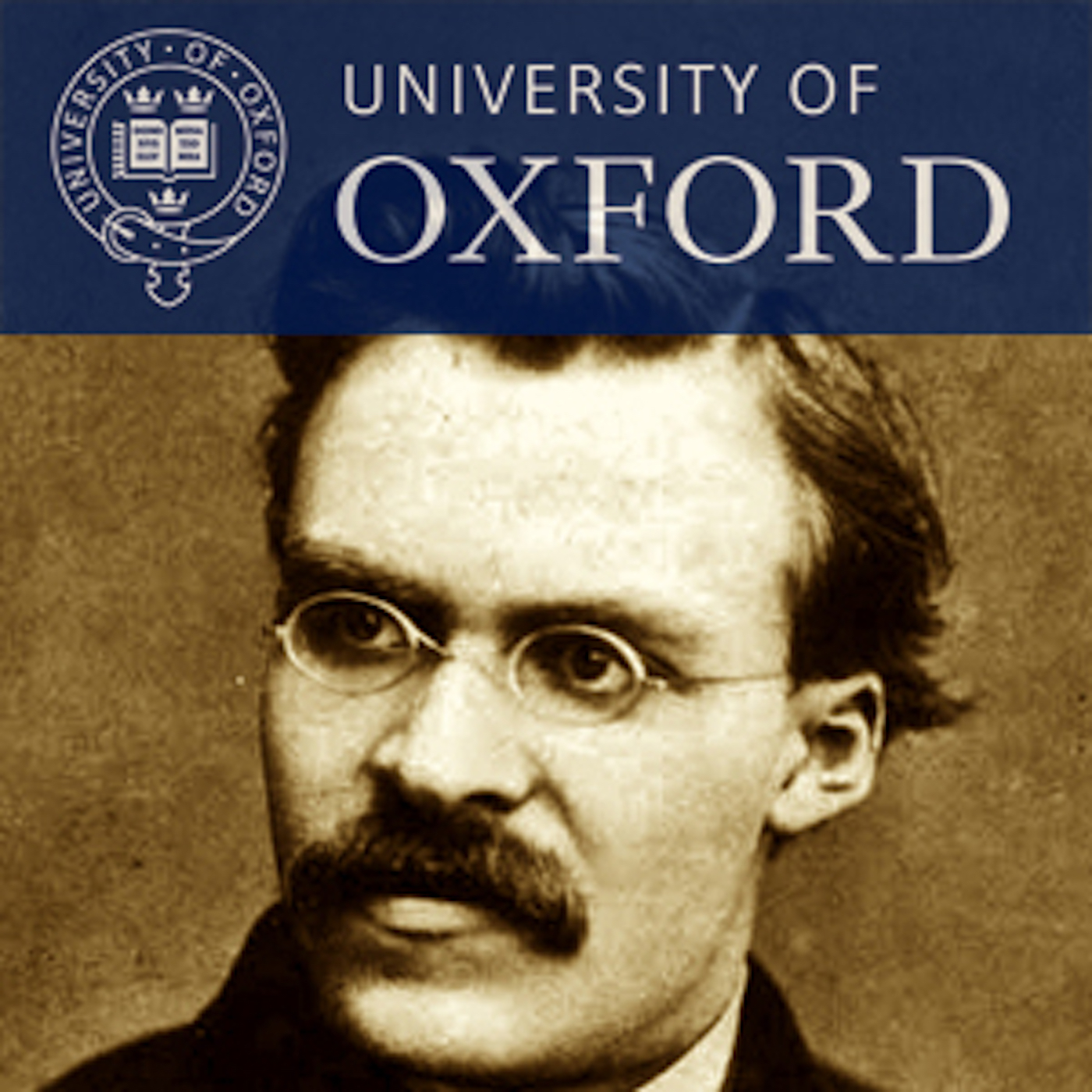
Keynote speeches and special session given at the international conference 'Nietzsche on Mind and Nature', held at St. Peter's College, Oxford, 11-13 September 2009, organized by the Faculty of Philosophy, University of Oxford.Themes and summary (AI-generated based on podcaster-provided show and episode descriptions):
➤ Nietzsche scholarship resources • metaphysics and determinism • denial of free will, moral responsibility • value monism vs dualism • consciousness, language, signs, interpretation • nature experience, cultural mediation • genealogy of guilt, Christianity, self-crueltyThis podcast presents keynote talks and special-session lectures from an academic conference on Nietzsche’s views of mind and nature. Across the episodes, speakers examine core themes in Nietzsche’s philosophy through a mix of interpretive scholarship and engagement with contemporary debates in philosophy of mind, language, and metaphysics. Several talks focus on Nietzsche’s rejection of traditional metaphysical commitments, including the idea of a persisting self, robust distinctions between objects and properties, and the reality of free will and moral responsibility, while also exploring what follows from his commitments to determinism and a more unified picture of reality.
A recurring concern is how Nietzsche reconfigures value and agency: discussions consider his critique of value dualism and the possibility of a form of value monism, as well as his use of concepts like “freedom” and the “sovereign individual” in ways that may revise rather than endorse ordinary notions of free will. Other contributions address moral psychology and genealogy, analyzing guilt as a historically cultivated and socially exploited disposition rather than a straightforward response to wrongdoing.
The relationship between consciousness, language, signs, and interpretation is treated as central to Nietzsche’s account of mindedness and our access to nature, including questions about whether experience of nature is always mediated by cultural and psychological structures. Alongside these philosophical topics, the podcast also includes material on digital scholarly resources for Nietzsche studies, introducing web-based critical editions and manuscript collections used in contemporary research.
| Episodes: |
|
Nietzsche Source. Scholarly Nietzsche editions on the web 2009-Dec-23 31 minutes |
|
Nietzsche's Value Monism - Saying Yes to Everything 2009-Dec-23 67 minutes |
|
Nietzsche's Metaphysics 2009-Dec-22 57 minutes |
|
Consciousness, Language and Nature: Nietzsche's Philosophy of Mind and Nature 2009-Dec-22 65 minutes |
|
Who is the 'Sovereign Individual?' Nietzsche on Freedom 2009-Dec-22 47 minutes |
|
Nietzsche on Soul in Nature 2009-Dec-22 35 minutes |
|
The Genealogy of Guilt 2009-Dec-22 59 minutes |