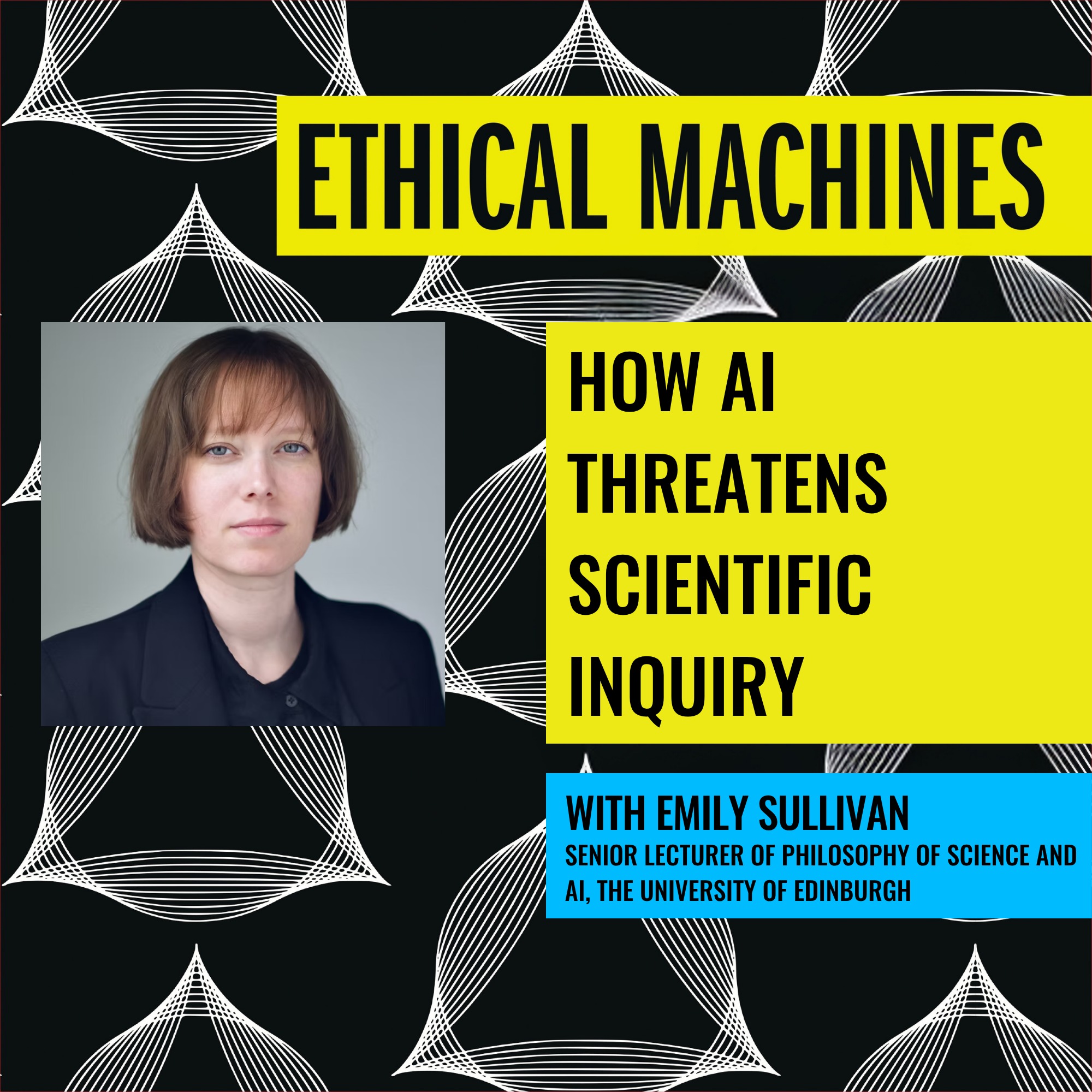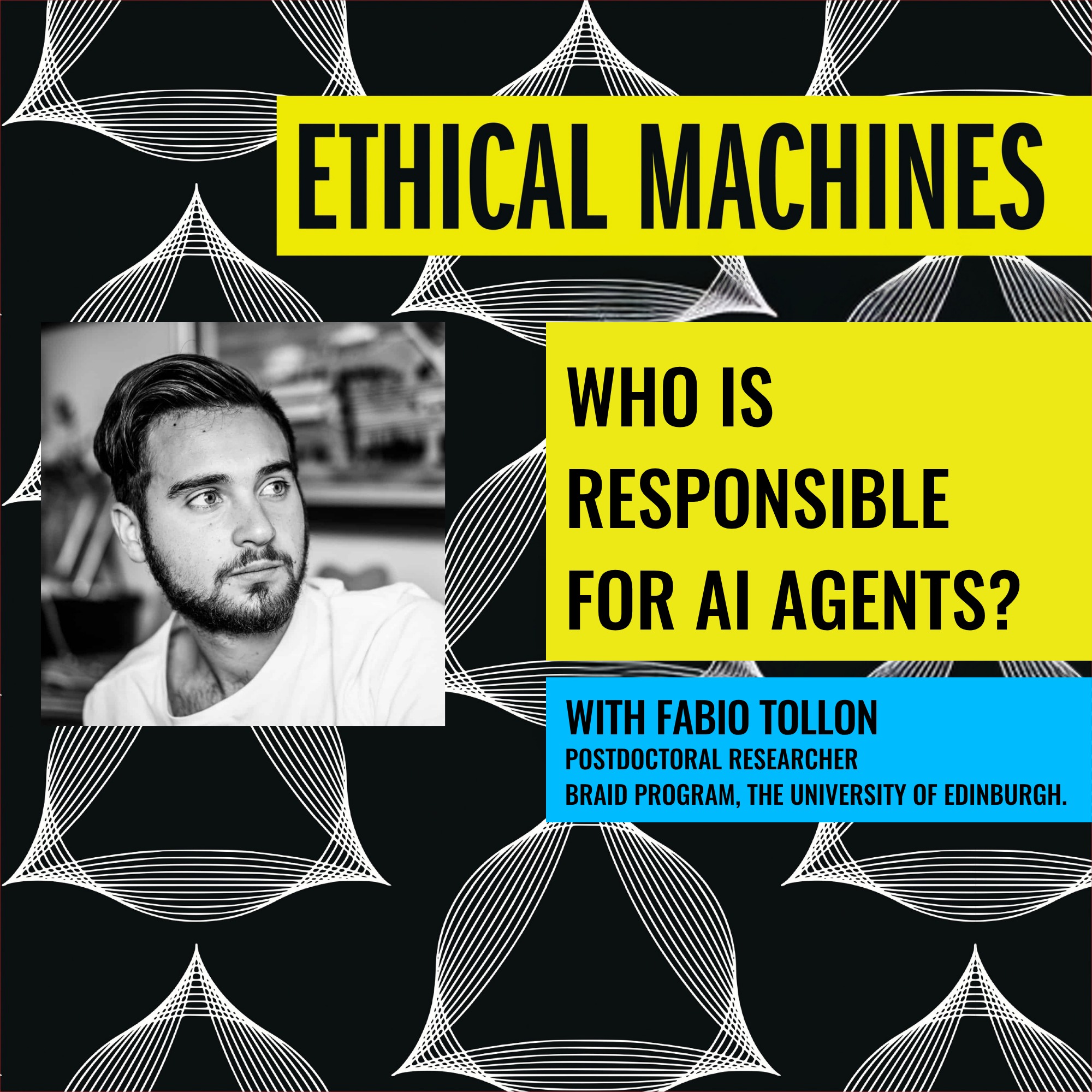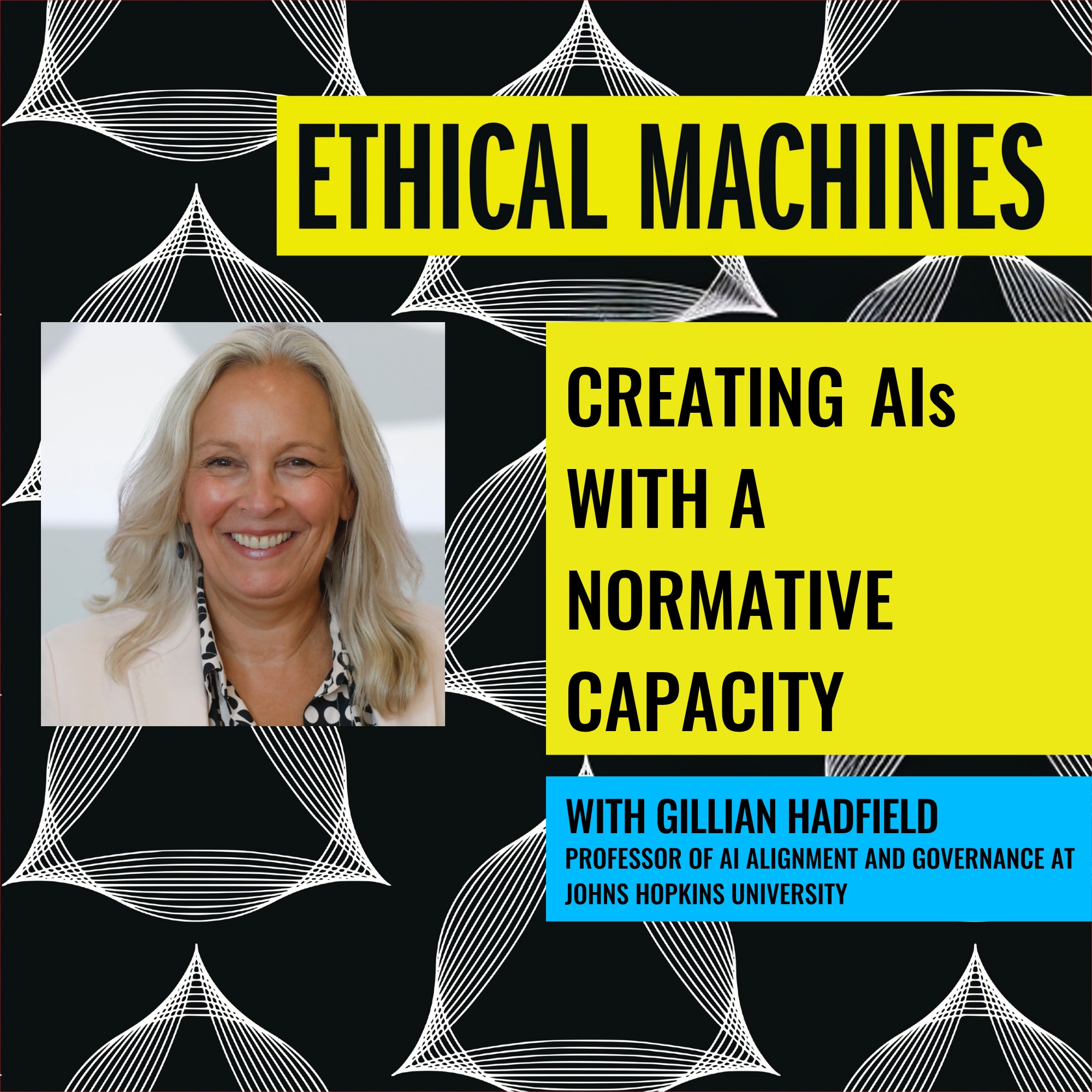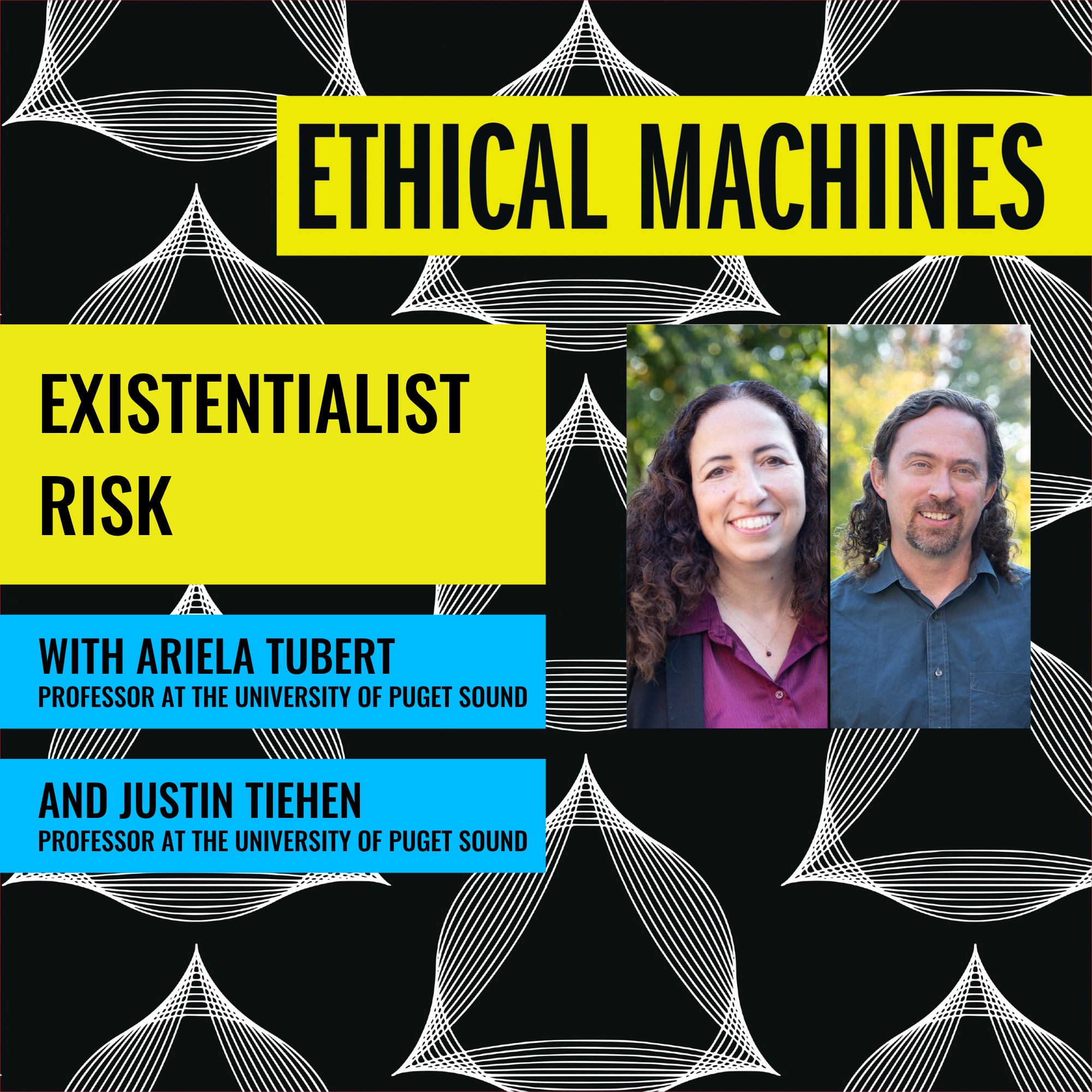
 Site • RSS • Apple Podcasts
Description (podcaster-provided):
I have to roll my eyes at the constant click bait headlines on technology and ethics.Themes and summary (AI-generated based on podcaster-provided show and episode descriptions):
➤ AI ethics beyond hype • LLM limits: bias, hallucinations, reliability • agentic AI safeguards, responsibility gaps • governance, standards, regulation • prediction, power, autonomy, manipulation • AI in science, education, writing • labor impacts, meaning • military uses, cyber risk, surveillance • environmental and social costs • personhood, moral worth, intelligence, alignment/AGI riskThis podcast takes a philosophically informed, policy-aware approach to AI ethics, aiming to move beyond headline-level debates and into the conceptual and practical difficulties of building and deploying powerful systems. Across the conversations, the host interviews researchers, philosophers, policy experts, and industry practitioners about how modern AI—especially large language models and emerging “agentic” systems—can be unreliable, biased, and difficult to control, and why some of these shortcomings may be tied to underlying technical architectures rather than simple implementation mistakes.
A recurring theme is governance: how organizations can build responsible AI programs, how standards and certifications might (or might not) reduce harm, and why regulation and international coordination often lag behind deployment. Episodes also explore responsibility and accountability when harms occur, including “many hands” problems, responsibility gaps, and alternative ideas such as moral answerability when blame is hard to assign.
The show frequently connects AI to broader social and political structures, treating predictive systems as forces that shape work, democracy, autonomy, and power. It examines risks to key institutions such as science and education (for example, concerns about de-skilling, monocultures, and AI-mediated misinformation), as well as questions about meaning, human flourishing, and what society may lose when more cognition and creativity are automated.
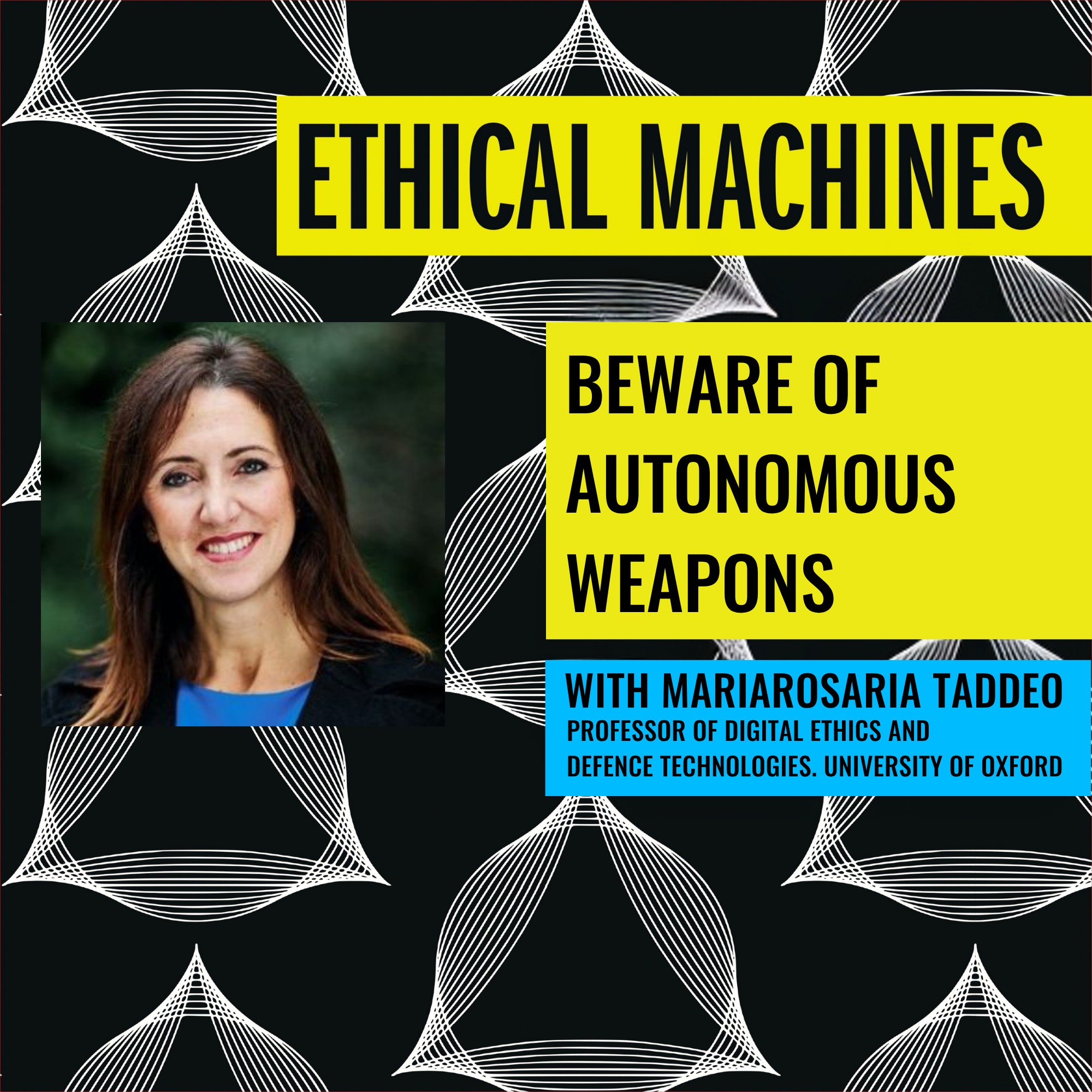
Alongside these societal issues, the podcast engages foundational questions about intelligence, moral status, and whether machines could reason ethically or merit legal or moral consideration. Military and security topics also appear, including cyber risk, autonomous weapons, and strategic incentives driving rapid AI development.