
Description (podcaster-provided):
The Space Between is a leading astronomy and science communication podcast hosted by Kolby Van Camp and Dawson Wagner. Each week, we dive into the wonders of the universe, exploring astronomy, astrophysics, cosmology, and more, through curiosity-driven conversations with scientists, thinkers, explorers, and communicators.
Our mission is simple: make complex ideas about space accessible, engaging, and human. From Nobel Prize-winning physicists to rising voices in the astronomy community, The Space Between bridges cutting-edge science with everyday curiosity.
Themes and summary (AI-generated based on podcaster-provided show and episode descriptions):
➤ Astronomy news and explainers • Cosmology: cosmic web, Hubble tension, dark matter/energy • Black holes, chaos, fractals • Telescopes: JWST, VLA, Event Horizon • Moon/Mars exploration, habitats, power • Space computing, AI, data centers • Astrophotography, storytelling, dark-sky activism • UAP/SETI debates
This podcast explores astronomy and space science through conversational explanations of current research, headline-driven debates, and interviews with scientists and science communicators. Across the episodes, the hosts move between core astrophysics and cosmology—such as how the universe’s large-scale structure forms, what dark matter models can and can’t explain, and what tensions in measurements of cosmic expansion imply—and more speculative but science-grounded questions about black holes, the early universe, and the possibility of life beyond Earth.
A recurring emphasis is on how astronomy is practiced: the role of major observatories and instruments, including radio arrays and space telescopes, and how new surveys and modeling tools shape what can be inferred from data (for example, via gravitational lensing and simulations). The show also tracks developments in exploration and spaceflight, touching on lunar infrastructure challenges (power, survival through long nights, potential use of caves), Mars ambitions, mission delays, and the practical realities of human space operations.
Several conversations connect space science to adjacent technologies and societal questions, including AI and machine learning in analysis and SETI, and proposals for orbital computing infrastructure or even lunar-based quantum systems, with attention to engineering constraints, environmental tradeoffs, and policy or legal considerations. Alongside technical topics, this podcast frequently addresses science communication itself—how storytelling, astrophotography, and media framing influence public understanding—while using space news, controversies, and occasional fringe claims as opportunities to distinguish evidence-based conclusions from speculation.
|
Episodes:
|
 #36: Winding down 2025 with the Aurora Borealis
2025-Dec-11
54 minutes
|
#35: Quantum computers on the moon (data centers in space, part 2)
2025-Nov-10
58 minutes
|
UPDATE: We're still here! Dope content drops next week!
2025-Oct-27
3 minutes
|
 #34: Space and storytelling with Helena Cochrane
2025-Sep-29
69 minutes
|
 #33: Data centers in space (part 1)
2025-Sep-22
75 minutes
|
 #32: The Web-Halo Model with Dr. Samuel Brieden
2025-Sep-15
68 minutes
|
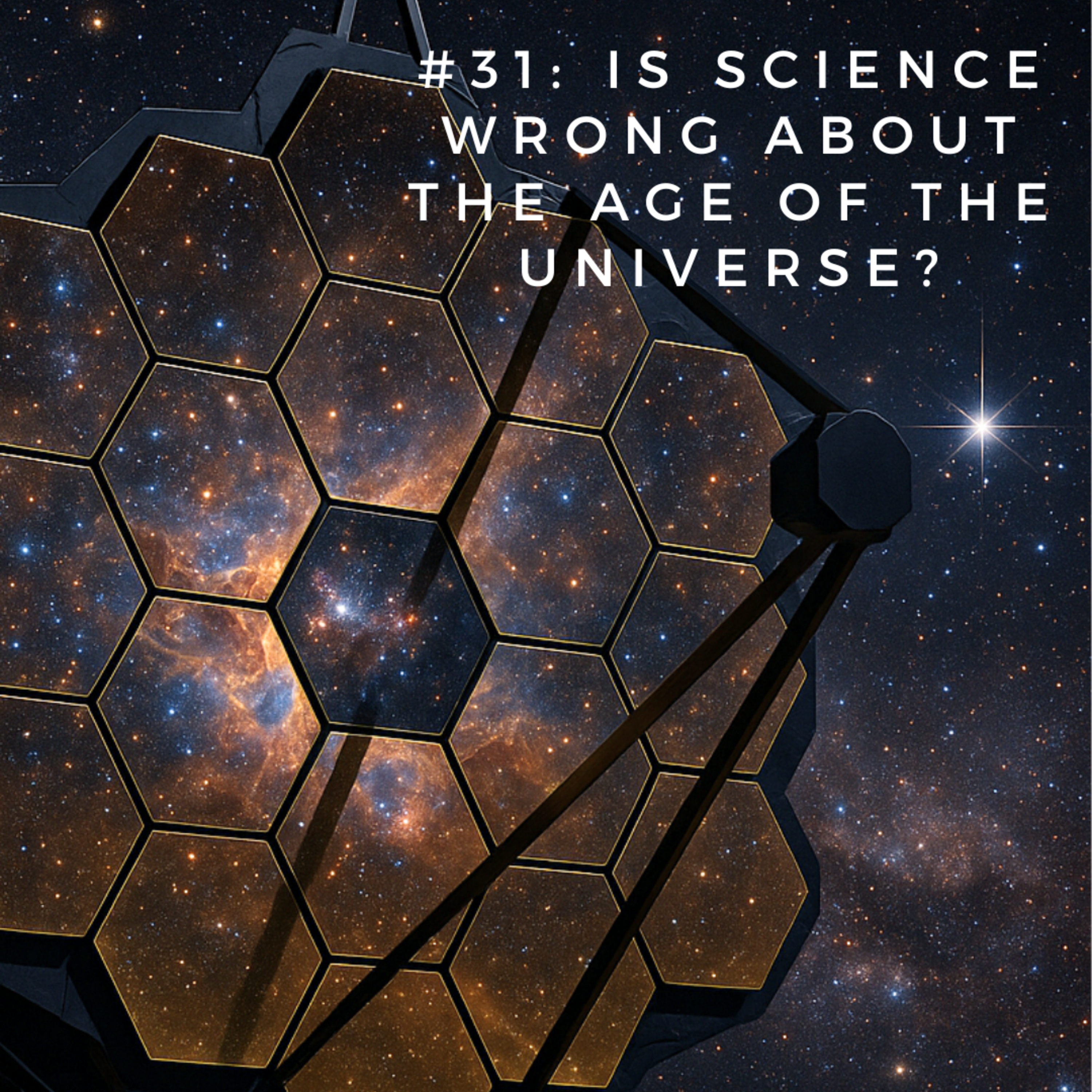 #31: Is science wrong about the age of the universe?
2025-Sep-09
77 minutes
|
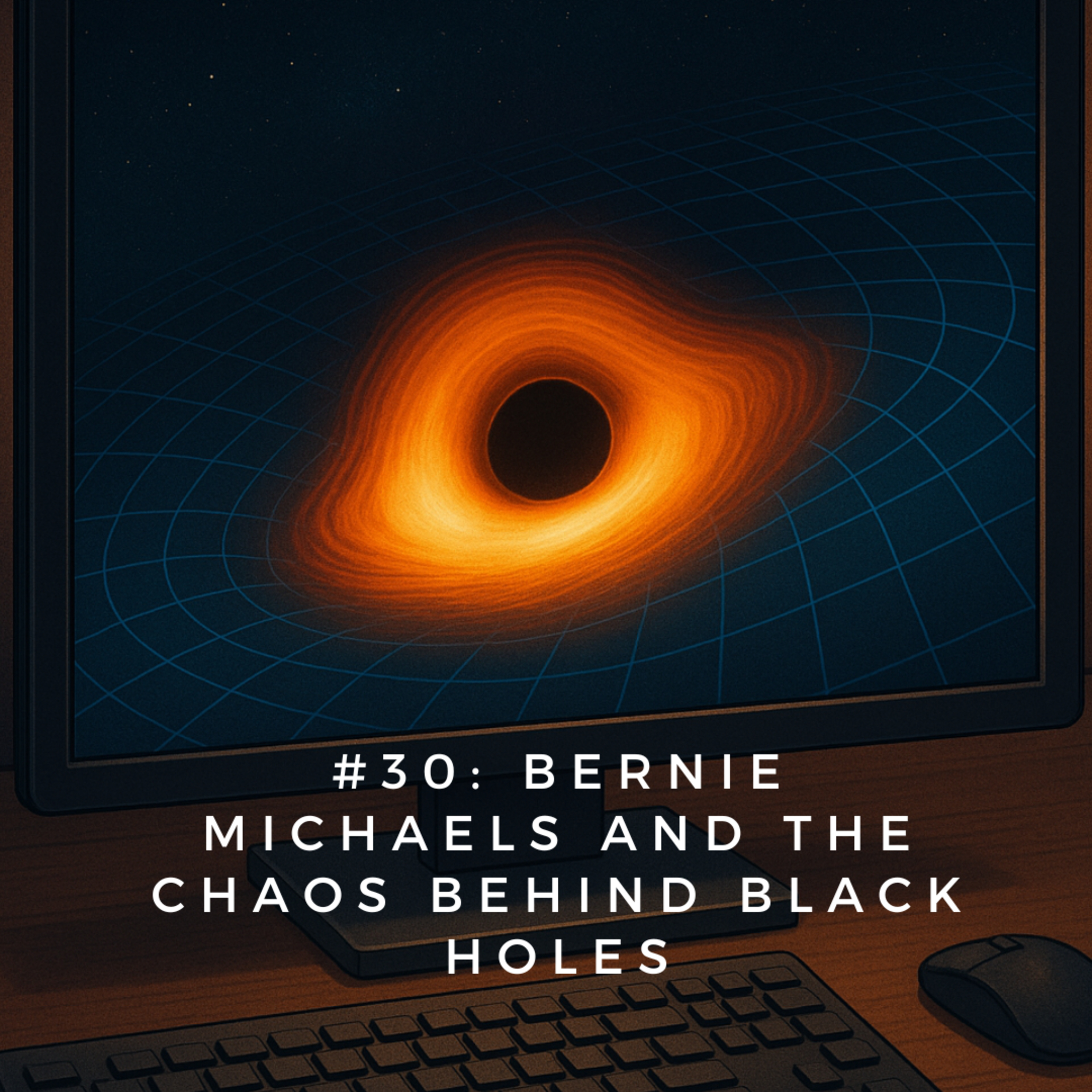 #30: Bernie Michaels and the chaos behind black holes
2025-Sep-01
75 minutes
|
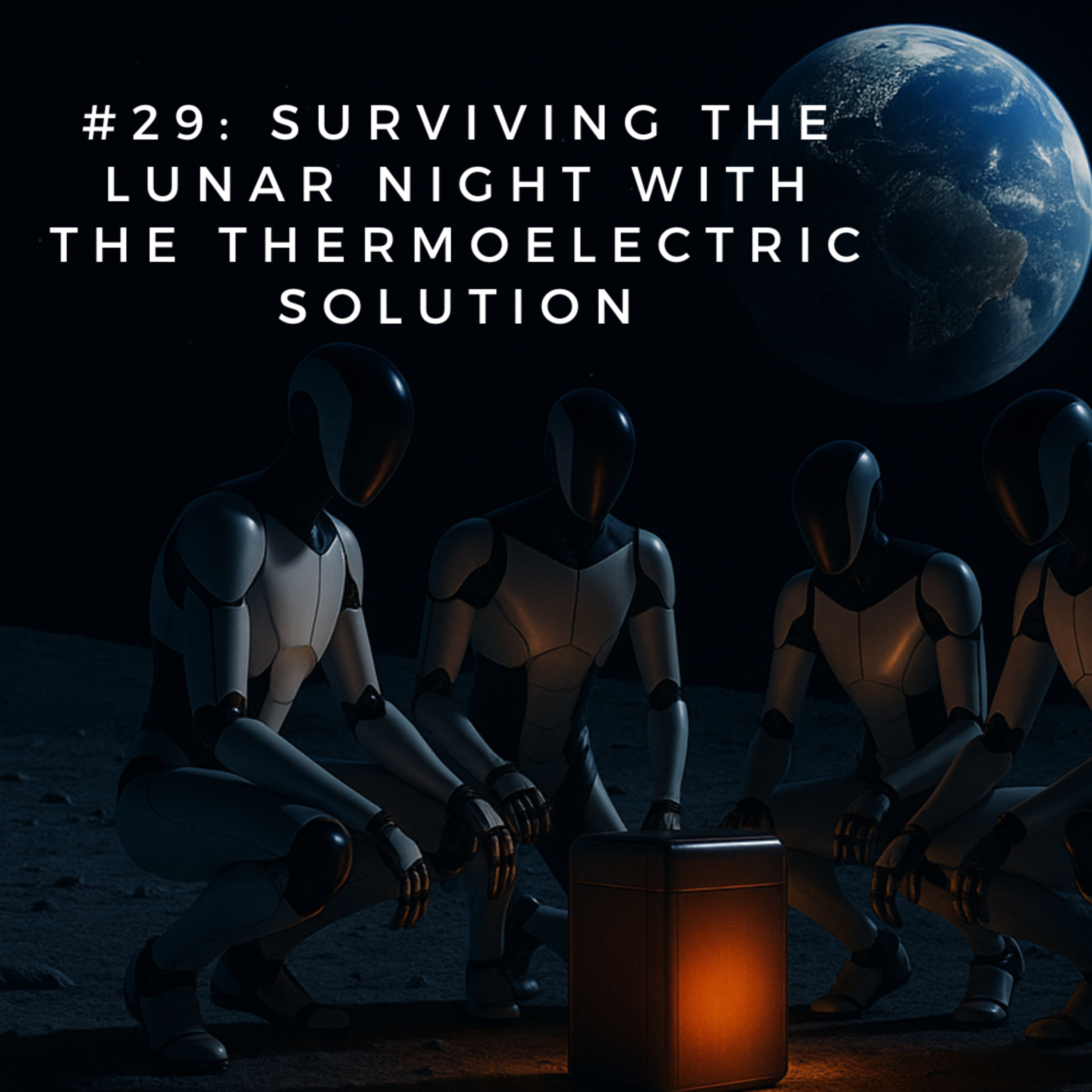 #29: Surviving the lunar night with the thermoelectric solution
2025-Aug-25
59 minutes
|
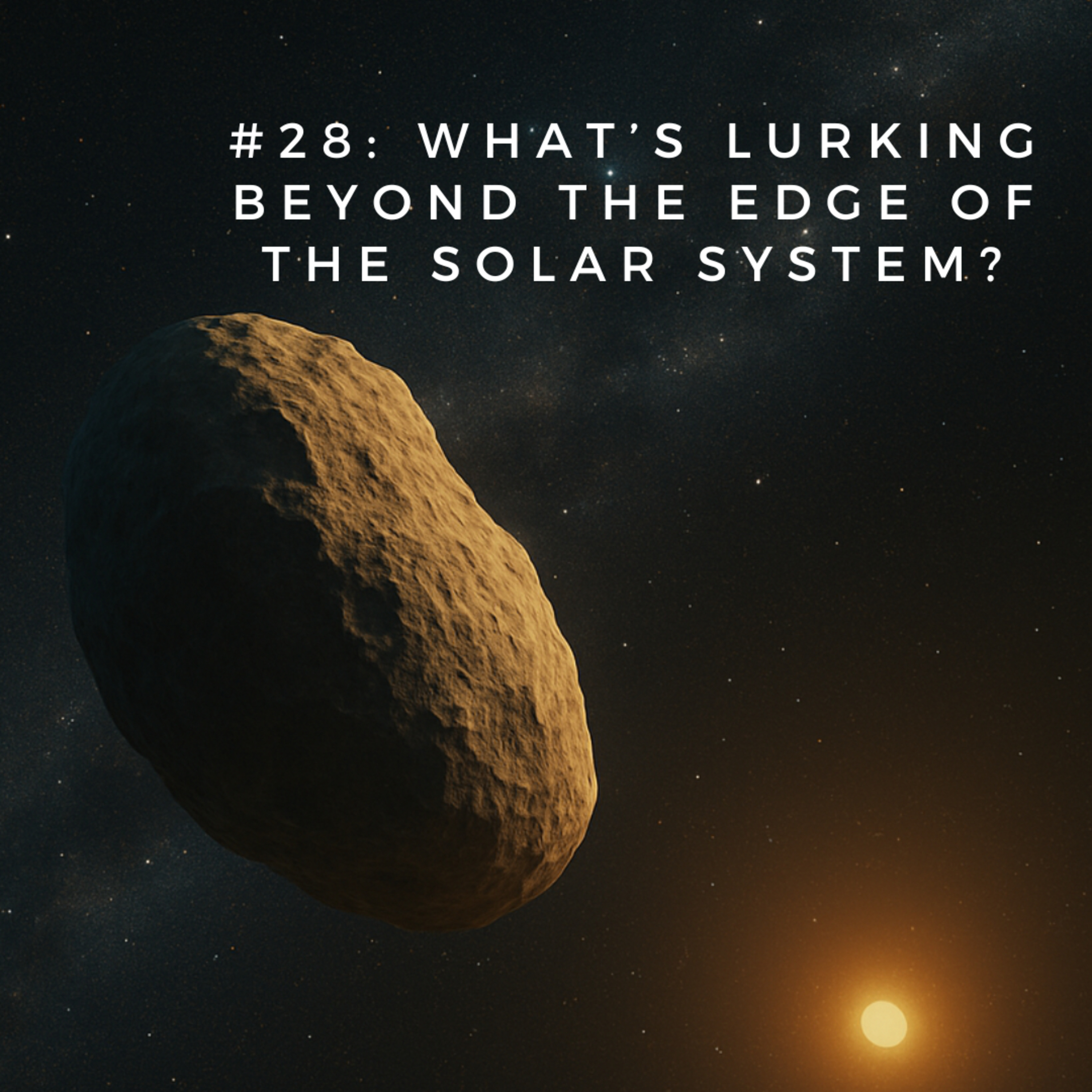 #28: What's lurking beyond the edge of the solar system?
2025-Aug-19
57 minutes
|
 #27: What's really happening with 3I/ATLAS?
2025-Aug-15
67 minutes
|
 #26: The Orion Nebula, Pleiades, and Hyades are... related?
2025-Jul-21
57 minutes
|
 #25: Dr. Patricia Henning - Very Large Array Series
2024-Aug-21
23 minutes
|
 #24: Summer Ash at the VLA - Very Large Array Series
2024-Aug-16
46 minutes
|
 #23: Lost in space, sort of
2024-Aug-10
56 minutes
|
 #22: Fungi, an unlikely space ally
2024-Aug-01
71 minutes
|
 #21: Caves on the moon and rockets to Mars
2024-Jul-25
53 minutes
|
 UPDATE: Getting back to the basics
2024-Jul-16
8 minutes
|
 #20: Recap of our Very Large Array trip
2024-Mar-22
39 minutes
|
 #19: To UAP or not to UAP, that is the question
2024-Mar-11
58 minutes
|
 #18: To the moon and beyond
2024-Feb-26
64 minutes
|
 #17: Planets, exoplanets, and more
2024-Feb-19
65 minutes
|
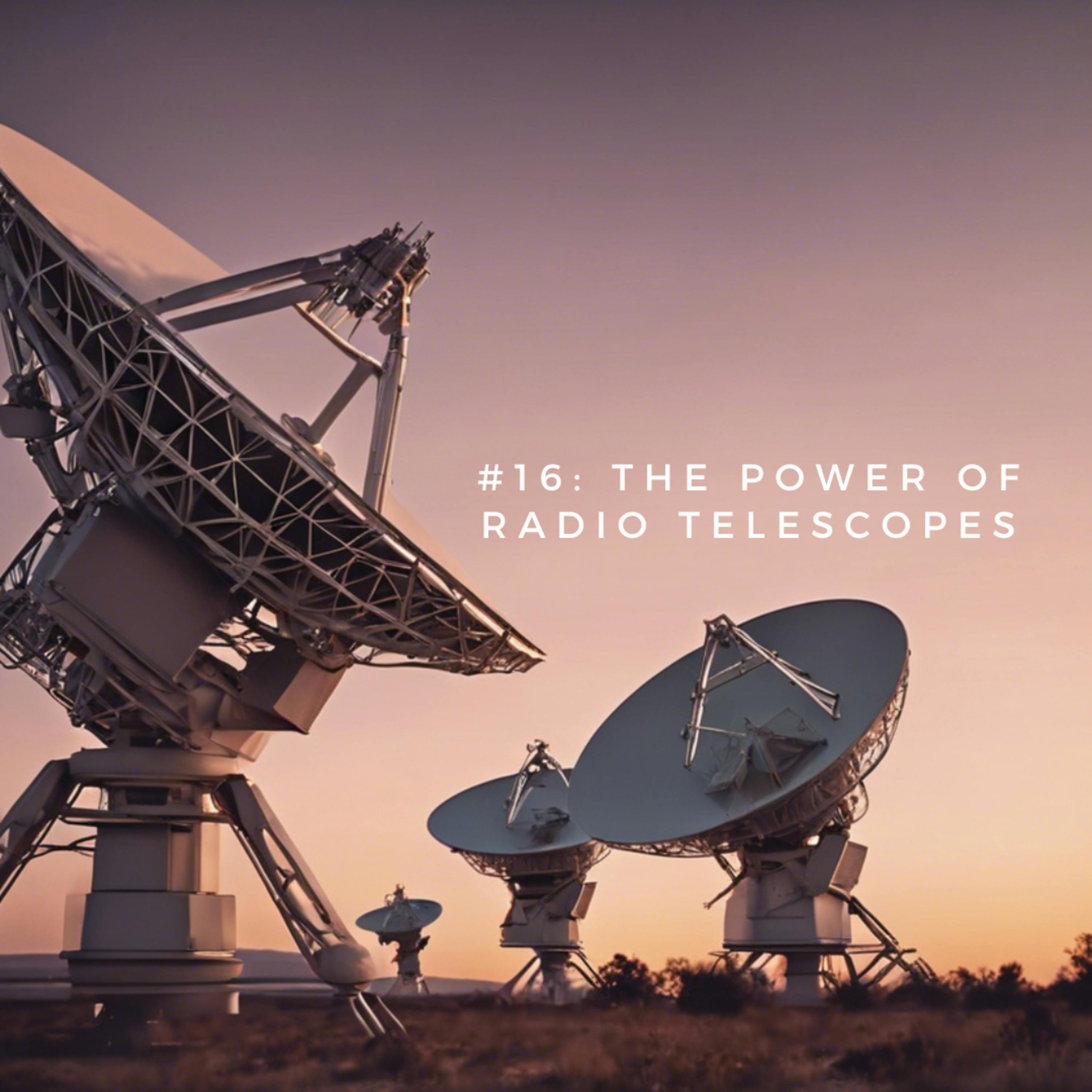 #16: The power of radio telescopes
2024-Feb-14
63 minutes
|
 #15: Josh Dury, dark sky activism, and astrophotography
2024-Feb-02
63 minutes
|
 #14: Trevor Jones and AstroBackyard
2023-Dec-15
59 minutes
|
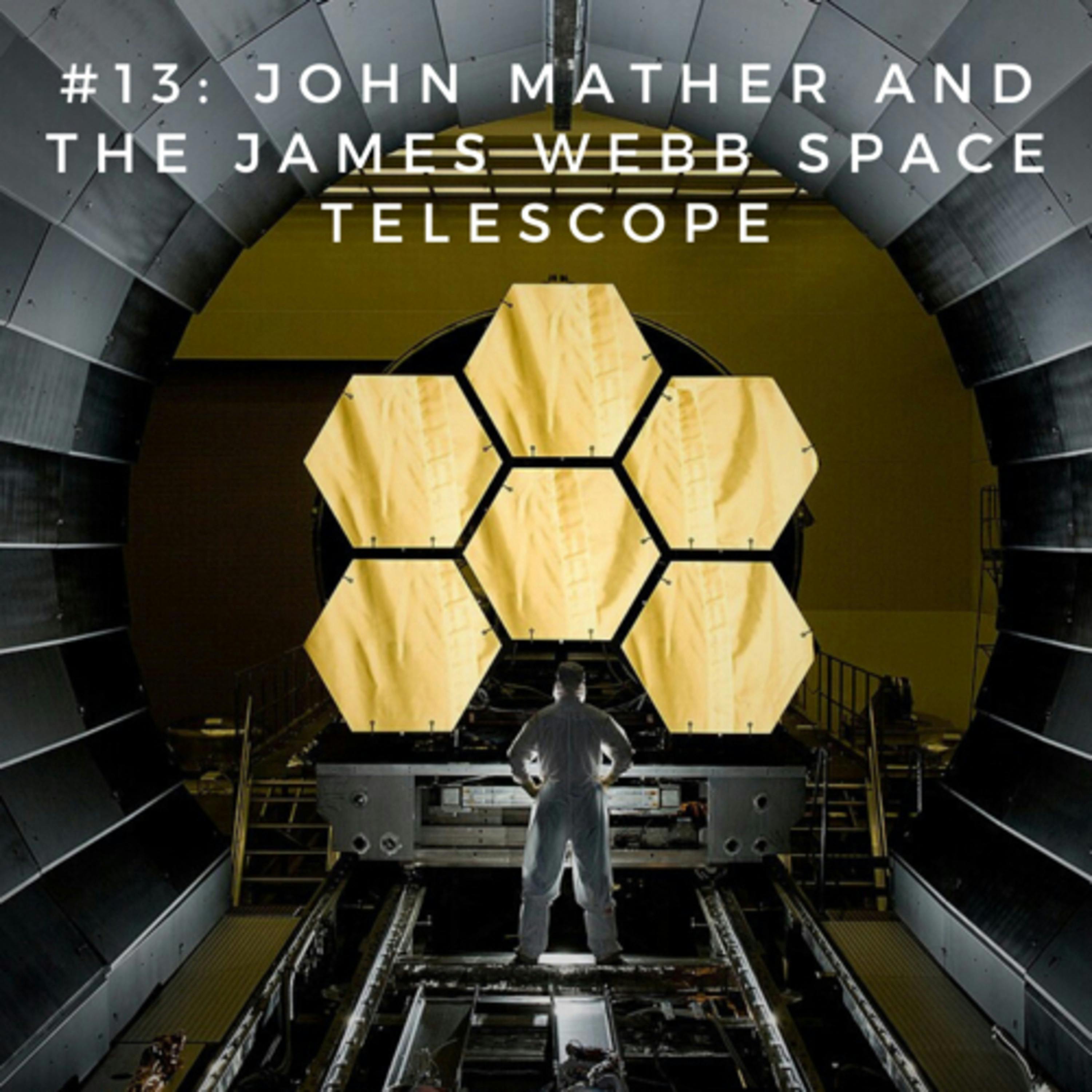 #13: John Mather and the James Webb Space Telescope
2023-Dec-14
53 minutes
|
 #12: AI and the search for extraterrestrial intelligence
2023-Nov-03
71 minutes
|
 #11: Bettymaya Foott, astrophotography, and the DarkSky Initiative
2023-Oct-21
40 minutes
|
 #10: Telescopes and time travel
2023-Oct-06
56 minutes
|
 #9: Lado Samushia and dark matter
2023-Sep-29
69 minutes
|
 #8: NASA, UAPs, and mummies
2023-Sep-15
58 minutes
|
 #7: Is life possible on Mars?
2023-Jul-12
68 minutes
|
 #6: Listening to the universe through sonifcation
2023-Jul-09
46 minutes
|
 #5: Is our universe inside a black hole?
2023-Jun-29
58 minutes
|
 #4: Has the space race already been won?
2023-Jun-25
49 minutes
|
 #3: Quasars, blazars, and pulsars, oh my!
2023-Jun-24
50 minutes
|
 #2: Nico Carver and astrophotography
2023-Mar-28
59 minutes
|
 #1: David Kipping and the Cool Worlds Lab
2023-Feb-23
47 minutes
|
 The Space Between (Trailer)
2023-Feb-22
less than a minute
|