
 Site • RSS • Apple Podcasts
Description (podcaster-provided):
A couple of philosophy professors, Megan Fritts and Frank Cabrera, try to prove that you can do philosophy about almost anything. Join them as they explore the philosophical dimensions of topics on the outskirts of the academy. From Bigfoot to birthday parties, they take a Socratic approach to phenomena strange and mundane, asking listeners the question: What if we did philosophy on the fringes?Themes and summary (AI-generated based on podcaster-provided show and episode descriptions):
➤ Fringe-topic philosophy • consciousness, dreams, hypnosis, memory • prophecy, fate, apocalypse • conspiracy theories, secret societies • pseudoscience demarcation • religion, secularism, myths • ethics of research, medicine, biohacking • aliens, cryptids, ghosts • everyday life rituals, sports, datingThis podcast features two philosophy professors using a broadly Socratic style to examine “fringe” and everyday phenomena as entry points into core philosophical problems. Across the show, unusual topics—such as alleged paranormal experiences, prophecy, conspiracy theories, cryptids, and alternative spiritual or medical practices—are treated as opportunities to ask what counts as evidence, when skepticism is reasonable, and how belief is shaped by culture, media, and social trust. Recurring questions include how to separate science from pseudoscience, how testimony and collective memory can mislead, and what it means to take strange claims seriously without falling into “unwelcome epistemic company.”
A second major thread centers on philosophy of mind and human experience: dreams, hypnosis, near-death experiences, mental imagery differences, and the reliability of introspection. These discussions connect to debates about consciousness, personal identity, the self, and the limits of language for describing inner life.
The show also ranges into ethics and political philosophy, including research ethics and state power, public trust in institutions, the moral risks of apocalyptic thinking, and how secularism and religion interact in modern societies. Some episodes apply philosophical tools to popular culture and ordinary practices—sports, alcohol, dating apps, personality typing, childhood, and self-improvement—raising questions about agency, ritual, rules, harm, consent, and what makes a life go well.
Throughout, the hosts draw on historical and contemporary philosophers and relevant scientific or scholarly literature to frame these topics as serious philosophical case studies.
| Episodes: |
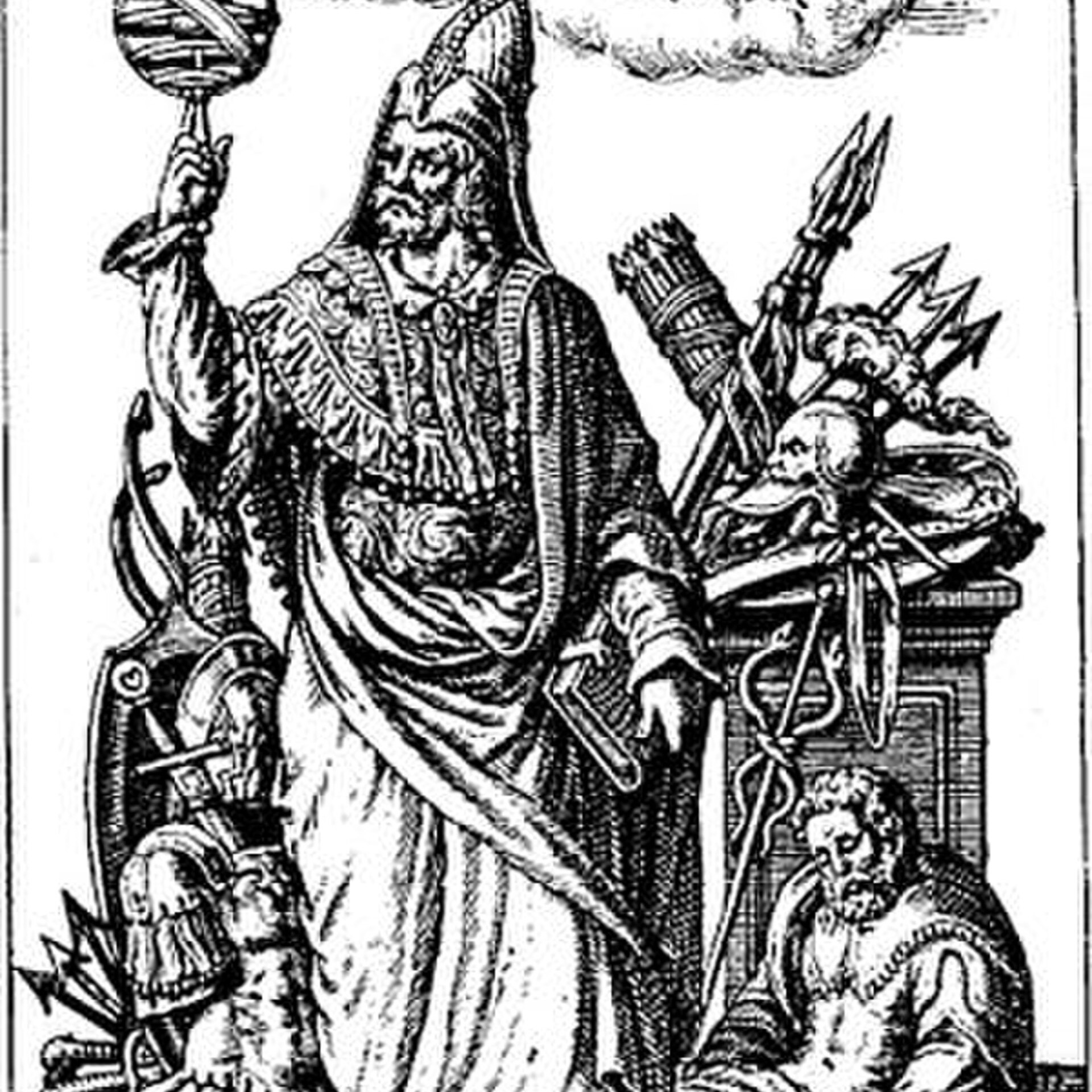 Esotericism
2026-Sep-30 62 minutes |
 MKUltra
2026-Jul-28 68 minutes |
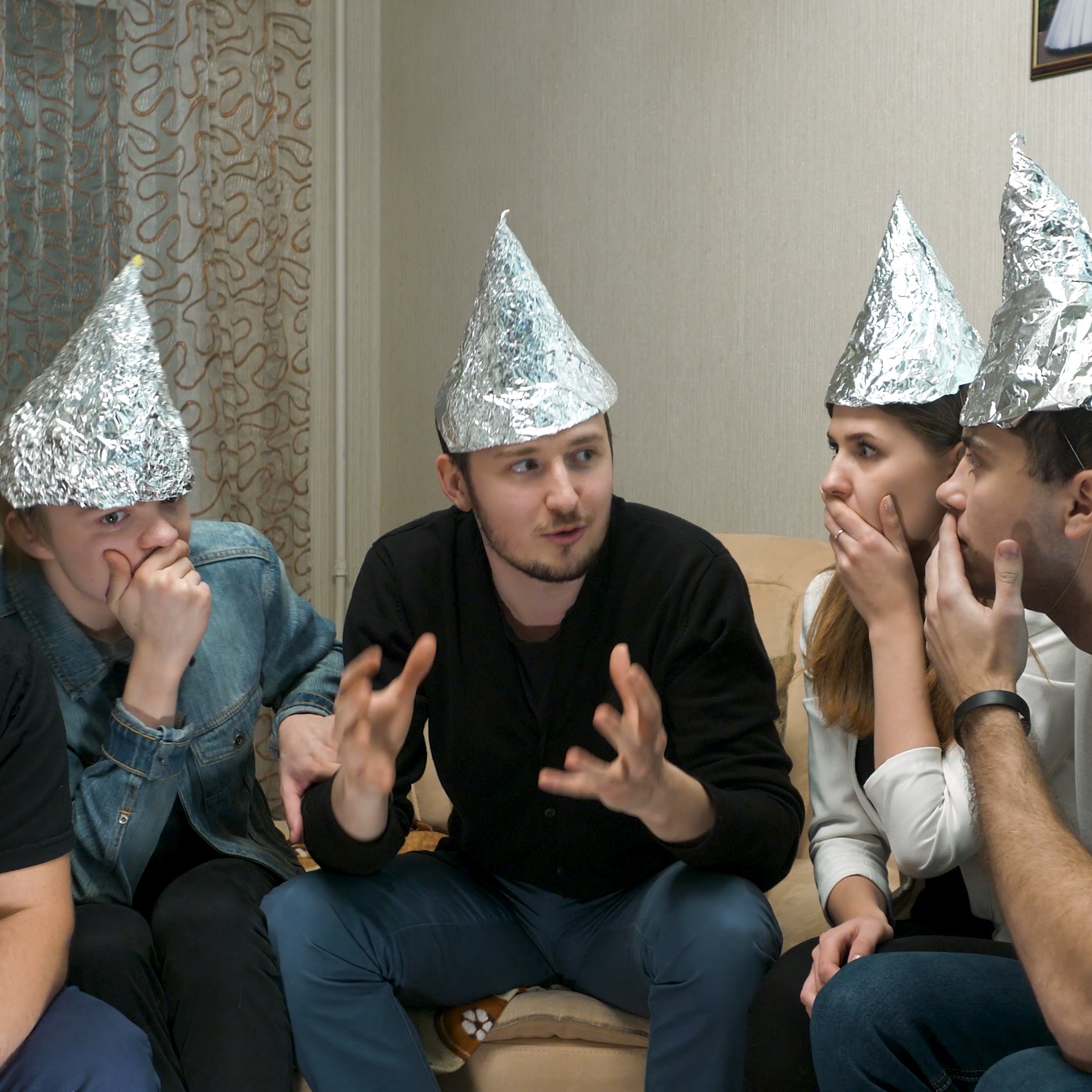 Why We Should (Not?) Think About Weird Things
2026-Jun-29 59 minutes |
 Dreams
2026-Apr-20 60 minutes |
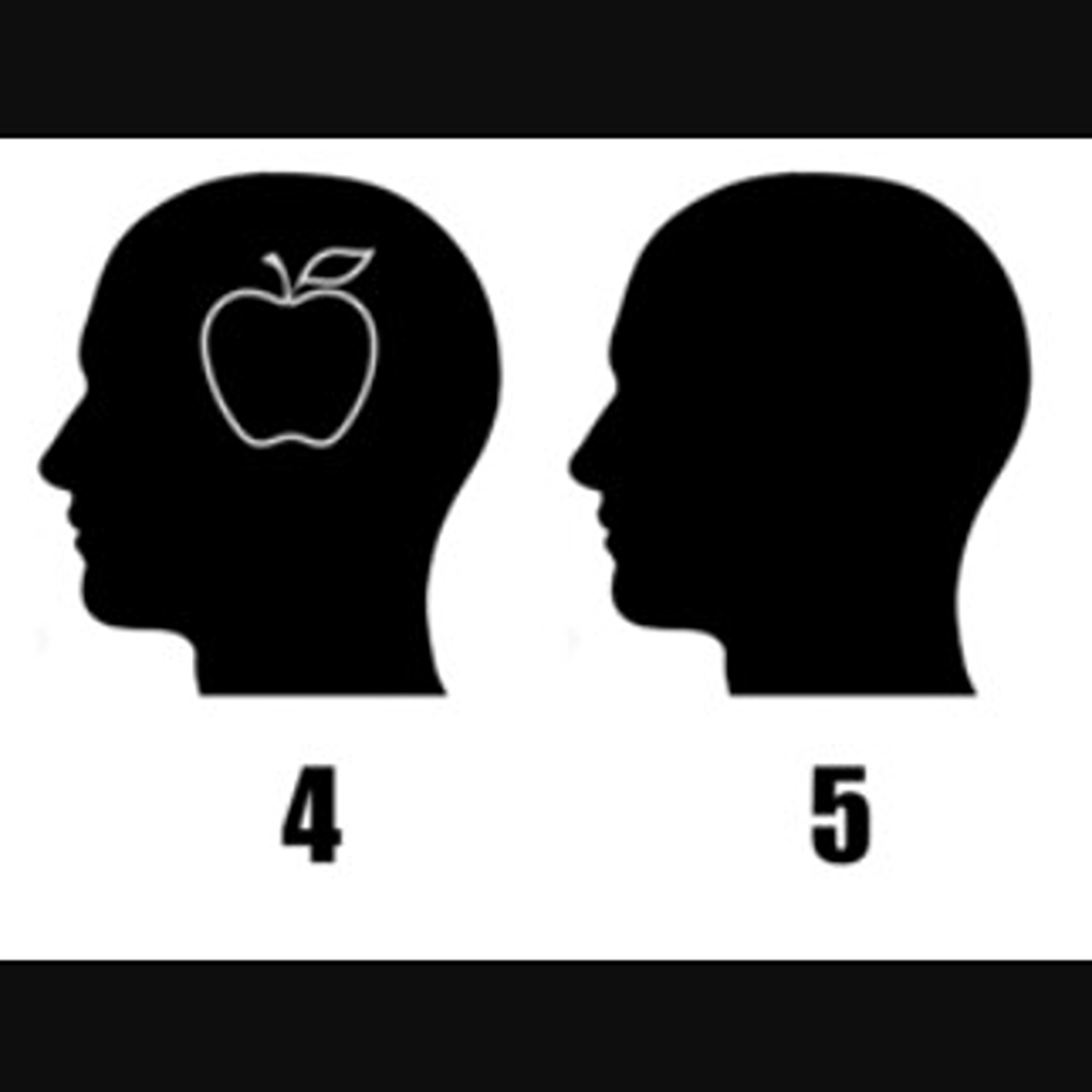 Aphantasia
2026-Mar-18 60 minutes |
 The Prophecies of Nostradamus
2026-Jan-28 65 minutes |
 The Mandela Effect
2025-Dec-26 71 minutes |
 Reiki & Alternative Medicine
2025-Nov-24 66 minutes |
 The Apocalypse
2025-Oct-06 60 minutes |
 The Illuminati: Conspiracy Theories
2025-Jul-09 61 minutes |
 The Illuminati: Bavarian Order
2025-Jul-09 64 minutes |
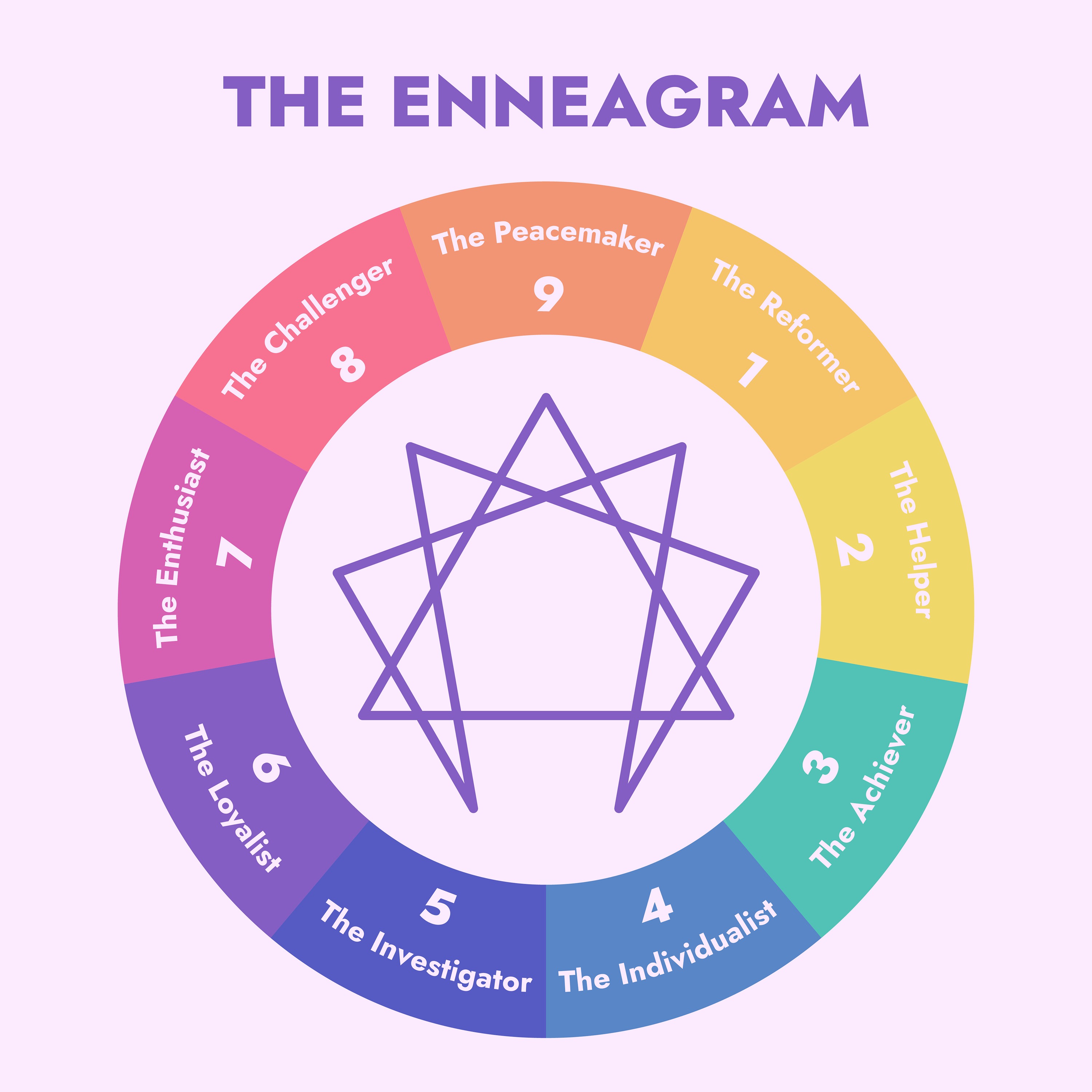 The Enneagram
2025-May-30 60 minutes |
 Past Life Memories
2025-Apr-14 68 minutes |
 Prehistory
2025-Mar-01 59 minutes |
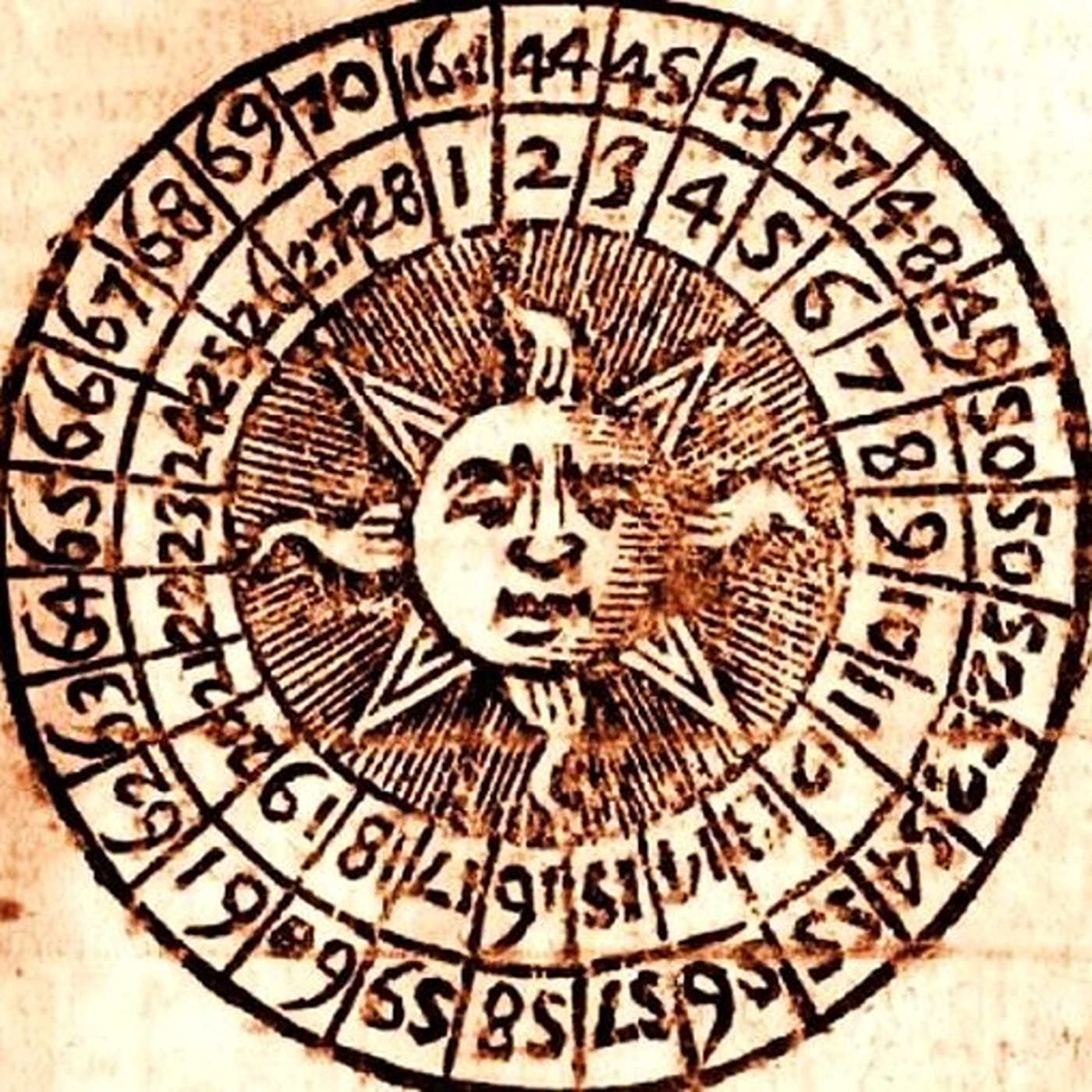 Astrology
2024-Dec-23 56 minutes |
 Ghosts and Hauntings
2024-Oct-29 53 minutes |
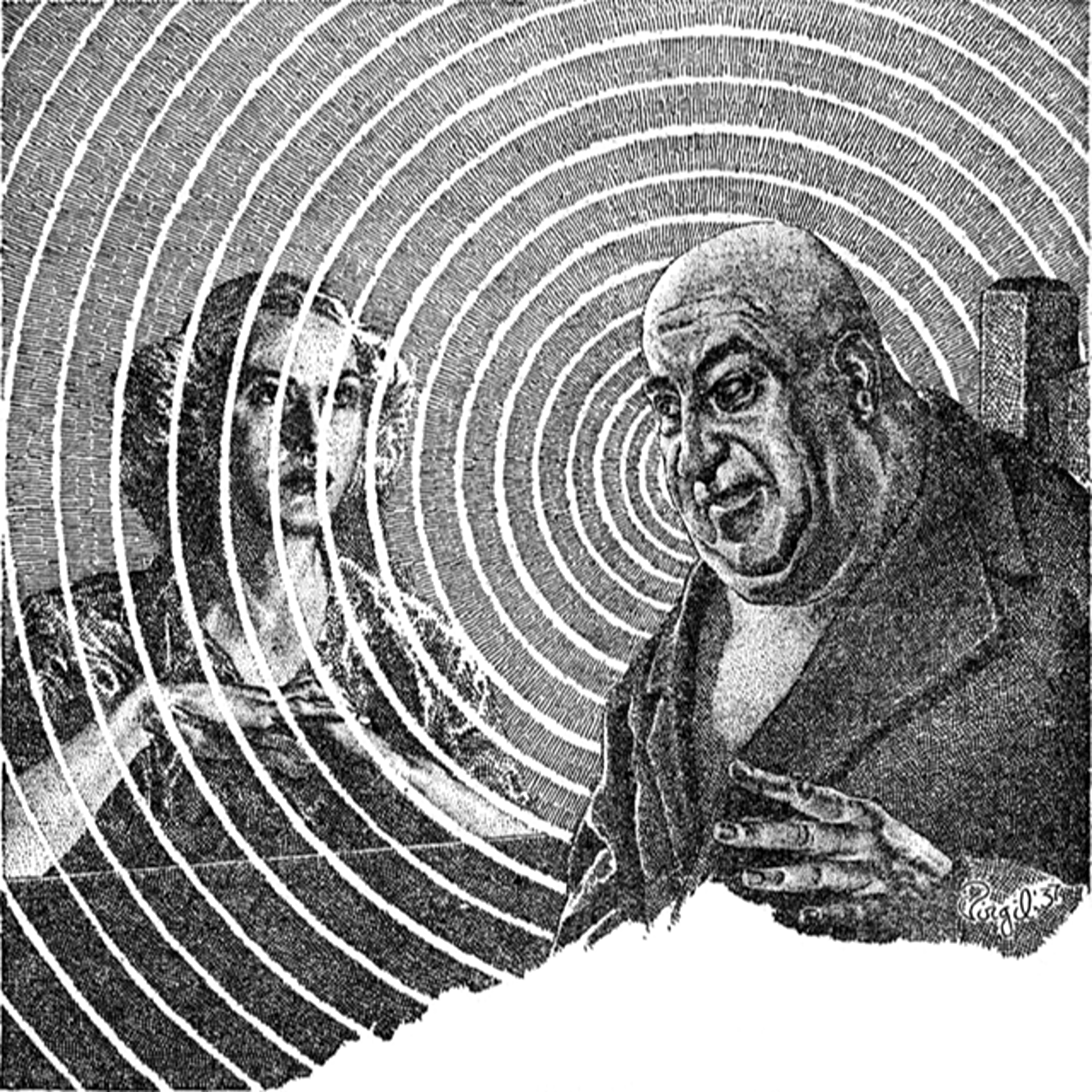 Hypnosis
2024-Sep-25 55 minutes |
 Biohacking
2024-May-20 49 minutes |
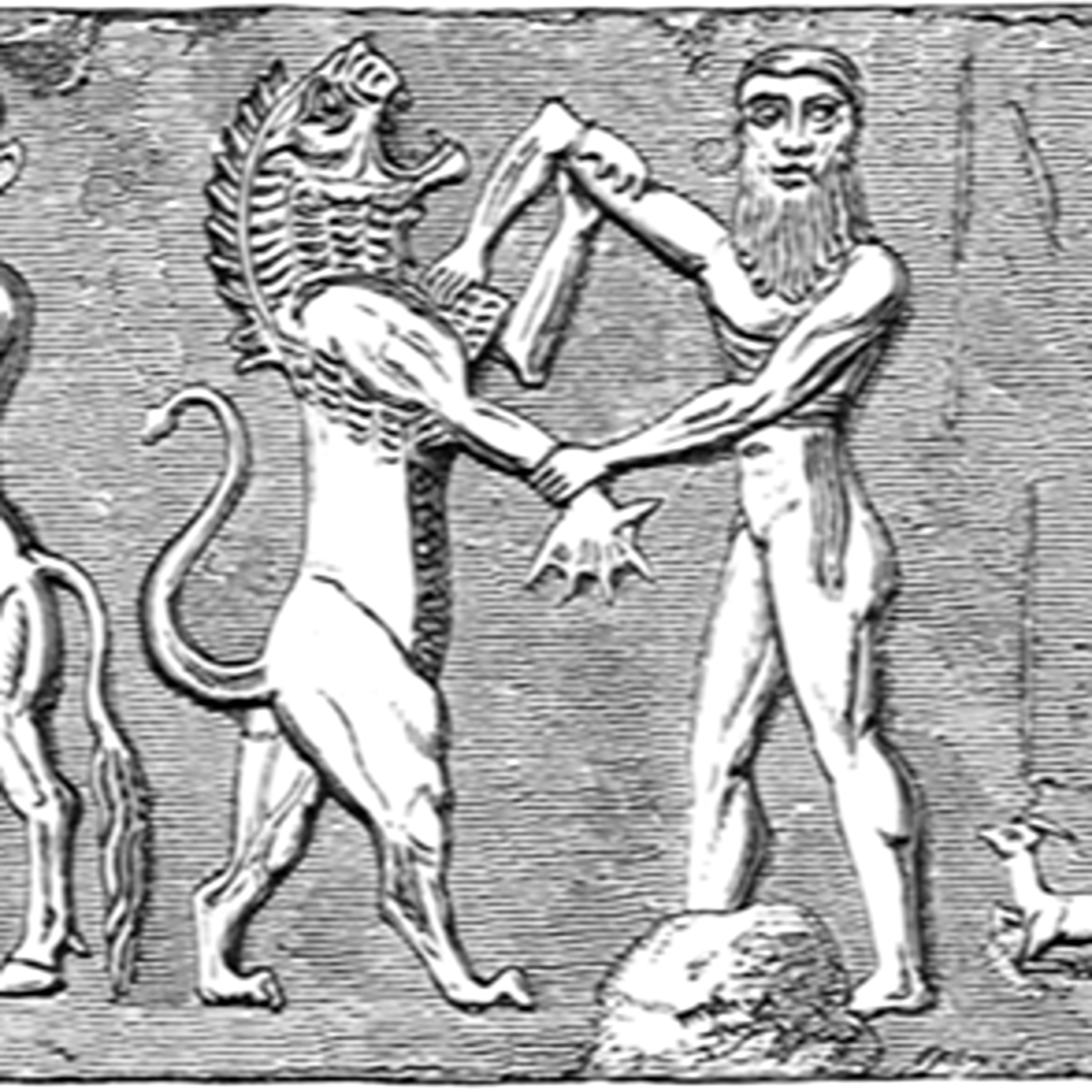 Myths, Pt. 2
2024-Apr-24 82 minutes |
 Myths, Pt. 1
2024-Apr-01 50 minutes |
 Luck
Luck2024-Mar-04 57 minutes |
 Near Death Experiences
2023-Dec-05 55 minutes |
 American Football
2023-Nov-04 56 minutes |
 Alchemy
2023-Aug-27 48 minutes |
 Alcohol
2023-Aug-07 53 minutes |
 Secularism
2023-Jul-12 53 minutes |
 The Fermi Paradox
2023-Jun-21 55 minutes |
 Kids
Kids2023-May-31 43 minutes |
 Extra-Terrestrial Life
2023-May-14 44 minutes |
 Dating Apps
2023-Apr-16 44 minutes |
 Polytheism
2023-Mar-12 43 minutes |
 Road House
2023-Feb-26 40 minutes |
 Bigfoot
2023-Feb-11 42 minutes |
 New Year's Resolutions
2023-Feb-09 30 minutes |