 Site • RSS • Apple Podcasts
Description (podcaster-provided):
Join us as we explore the world of Greek classics and philosophy, and their relevance to modern life. Episodes published bi-weekly, featuring interviews with renowned authors and academics in the fields of philosophy and classics. Show hosted by Plato's Academy Centre, a nonprofit organization based in Athens, Greece.Themes and summary (AI-generated based on podcaster-provided show and episode descriptions):
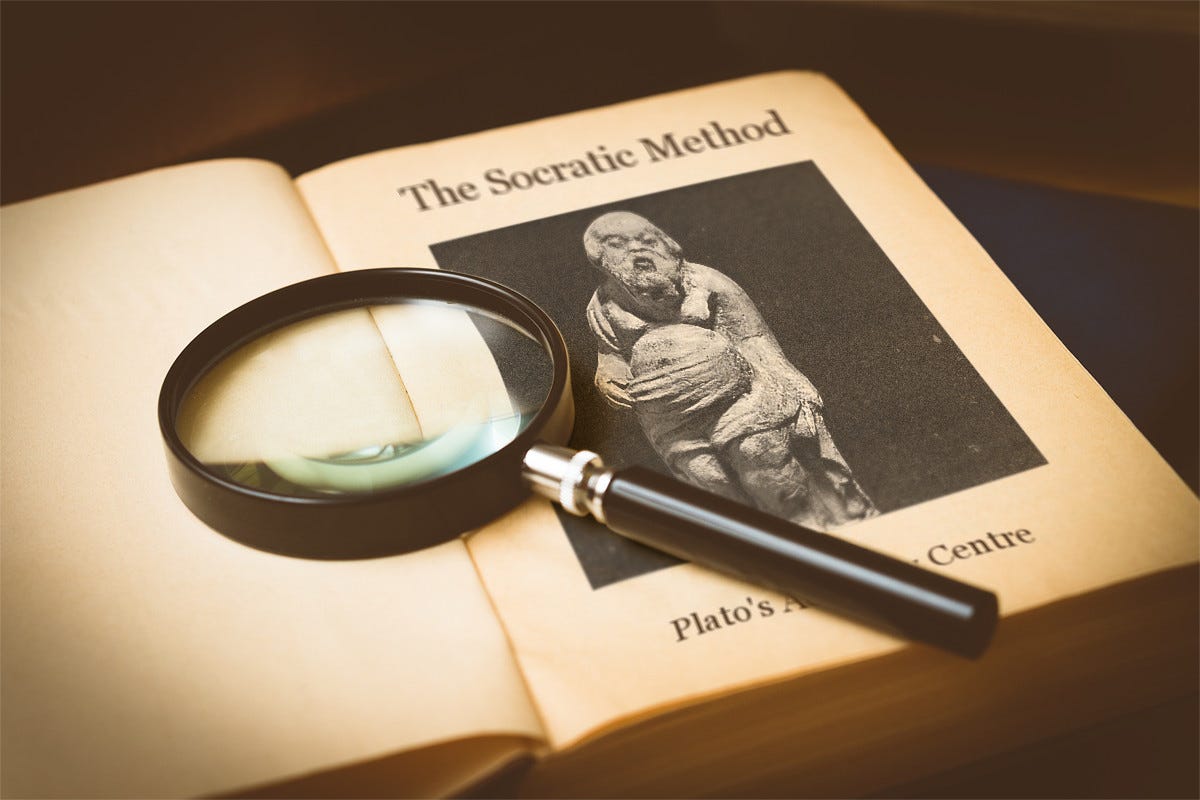
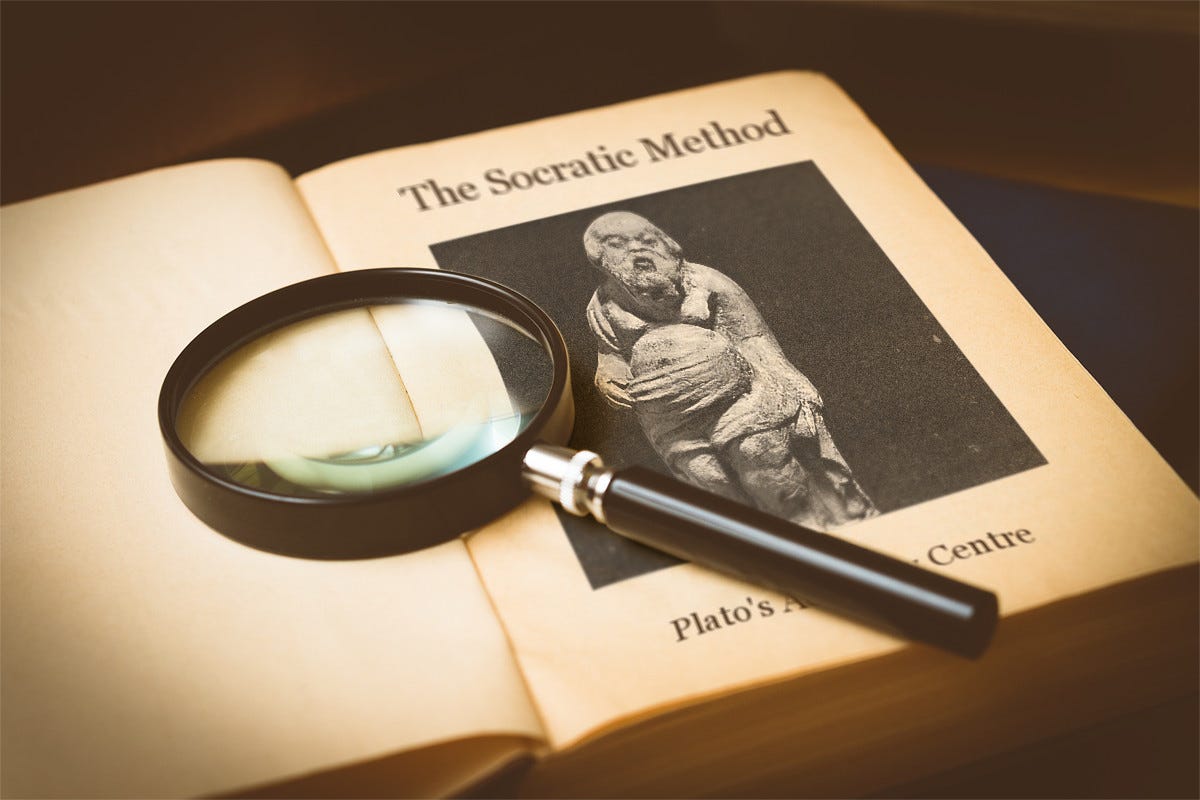
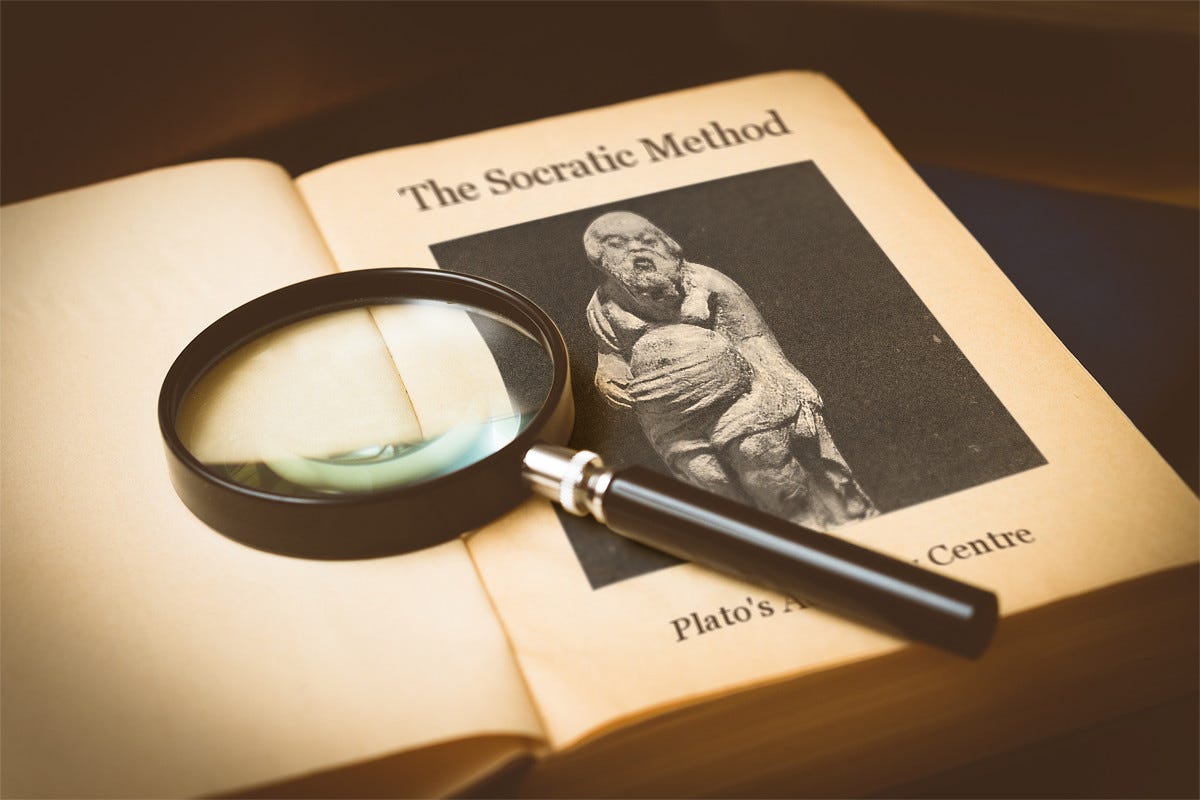
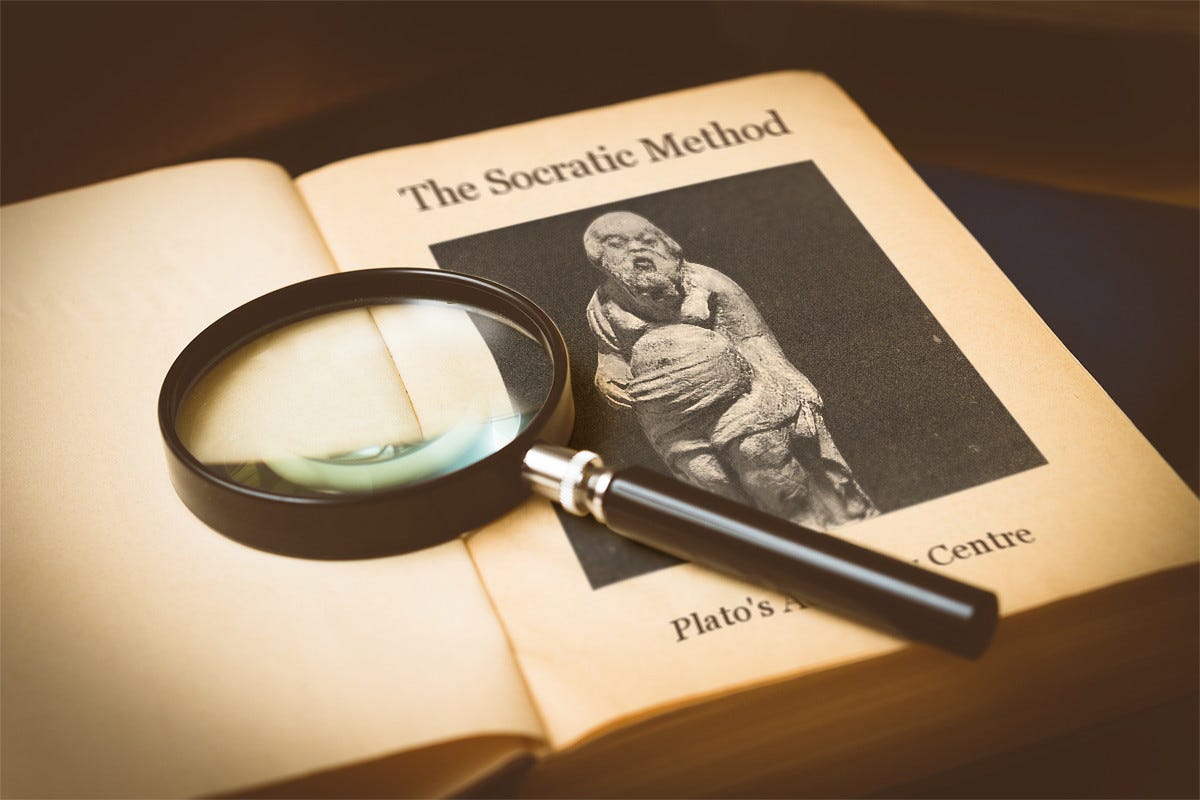
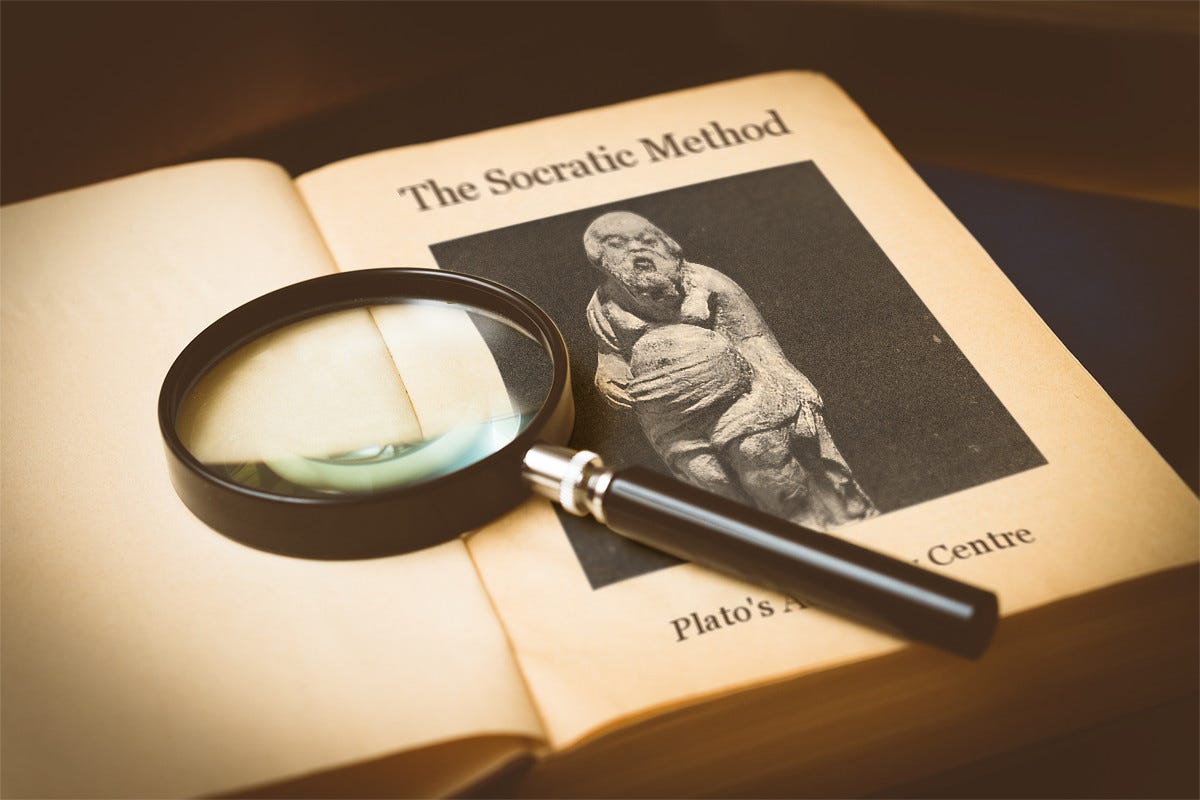
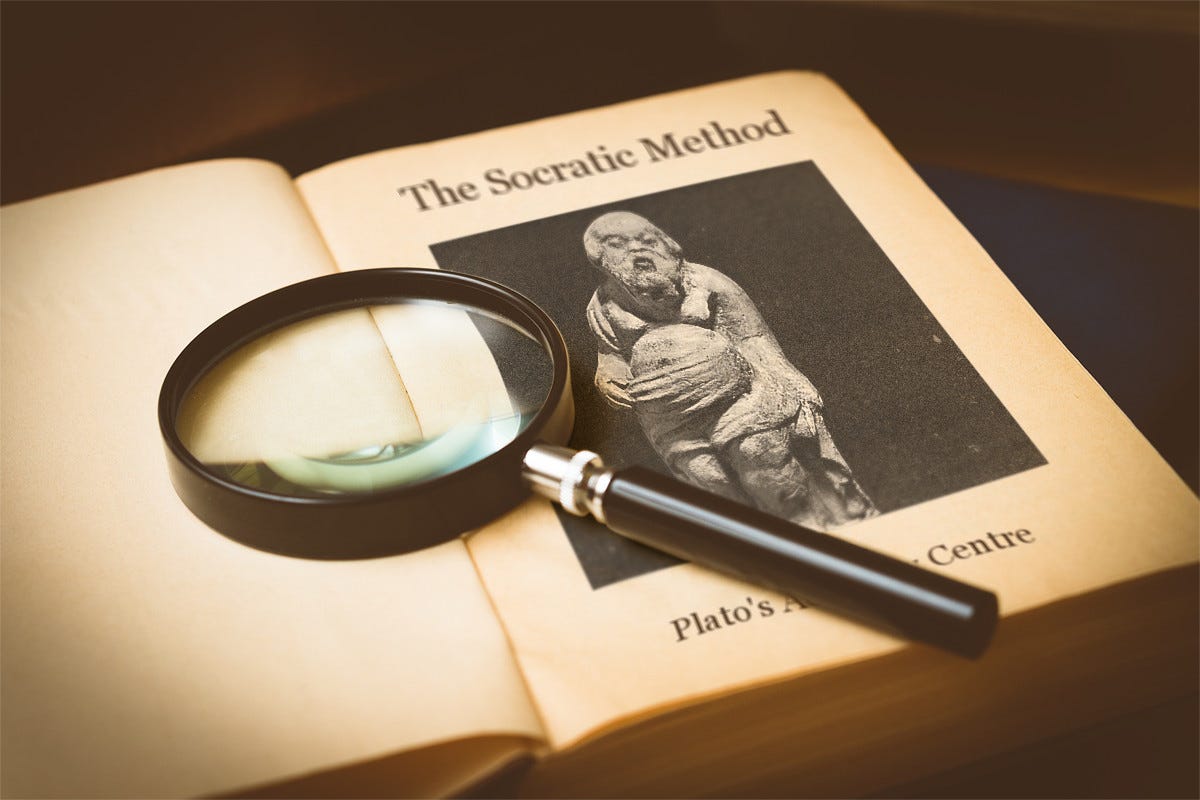
➤ Greek and Roman philosophy applied today • Socratic method, questioning, civility • logic, fallacies, cognitive distortions/CBT • Stoicism, resilience, emotions • virtue ethics, leadership, politics, community • figures: Socrates, Aristotle, Seneca, Epictetus, Diogenes, Plutarch, Marcus AureliusThis podcast from Plato’s Academy Centre explores Greek and Roman philosophy and classical literature with an emphasis on how ancient ideas can inform modern life. Across interviews and lecture-style lessons, it returns frequently to Socrates and the Socratic Method as a practical discipline: clarifying definitions, testing assumptions, uncovering contradictions, and sustaining civil dialogue. The episodes connect these techniques to contemporary settings such as education, law, psychotherapy (especially cognitive-behavioural approaches), and everyday critical thinking, including identifying common cognitive distortions and informal logical fallacies.
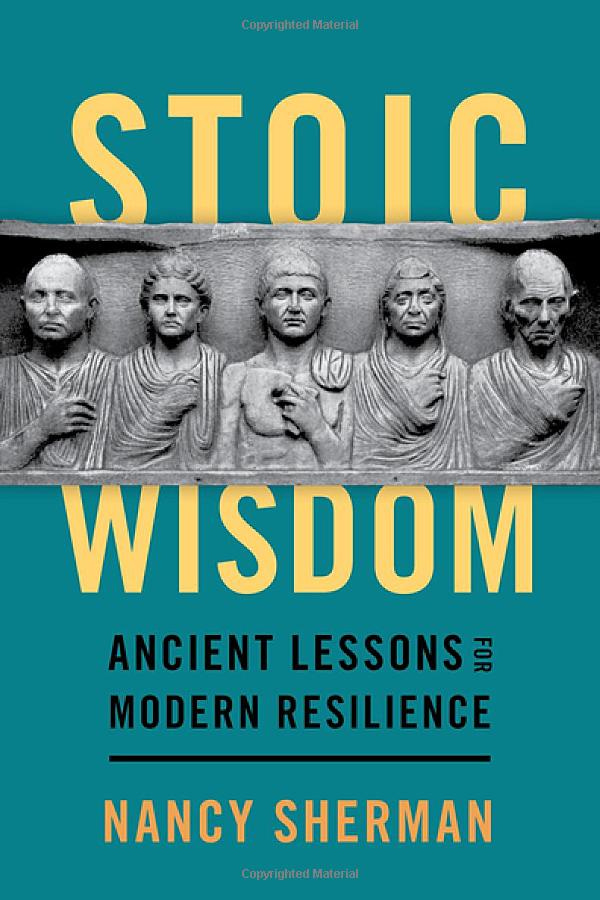
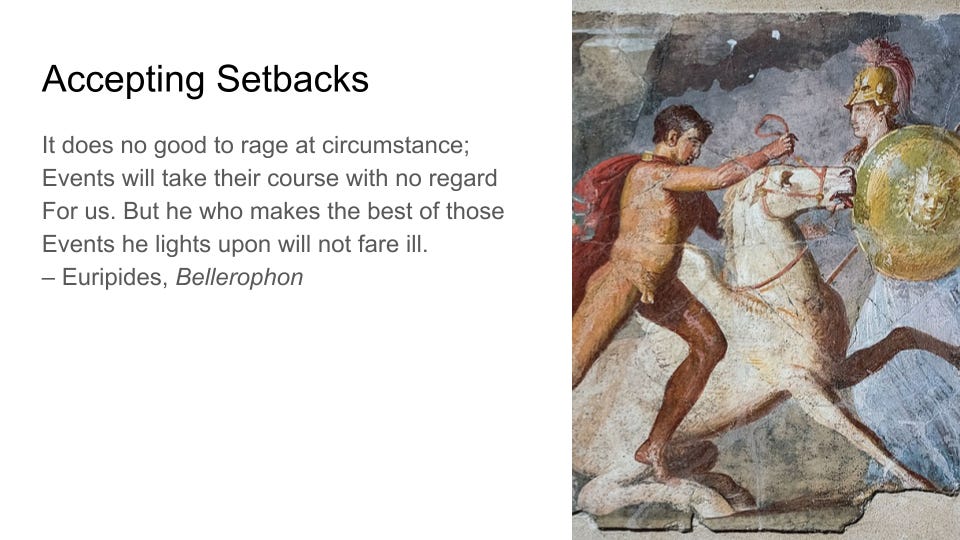
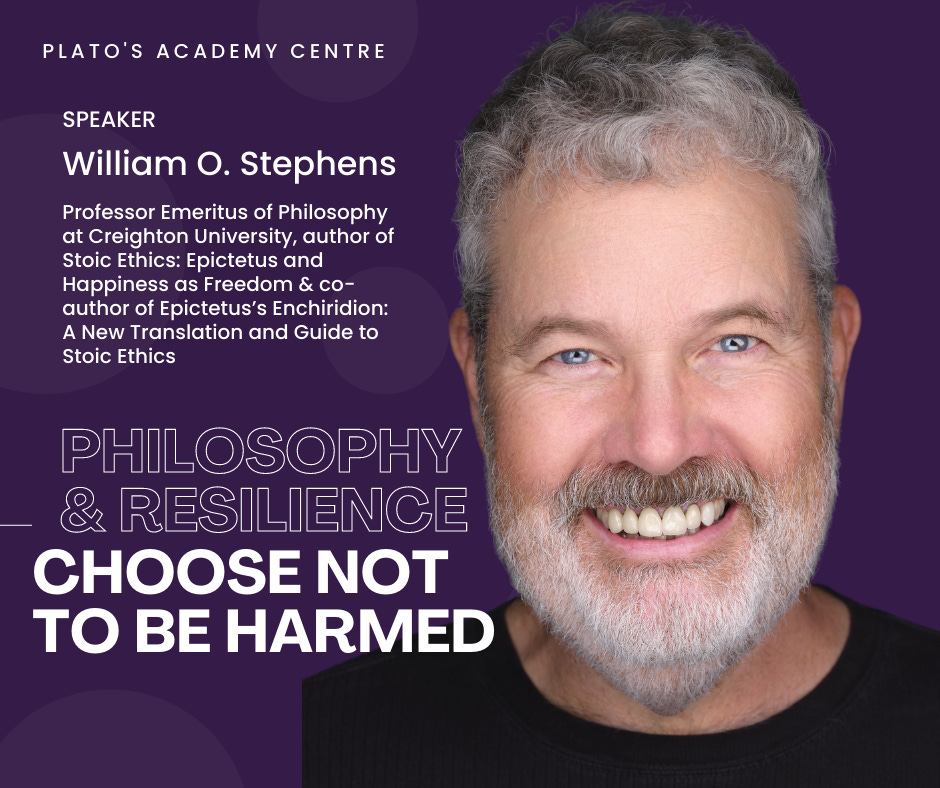
A second major thread is ancient ethics as a “way of life,” particularly Stoicism and its relationship to resilience, emotional regulation, and values-based action. Discussions draw on figures such as Seneca, Epictetus, Marcus Aurelius, and Plutarch, and consider themes like anger, fear, sadness, courage, and practical wisdom (phronesis). The podcast also engages other schools and personalities—such as Diogenes the Cynic—and situates them historically in relation to Plato, Aristotle, and later traditions.
Alongside personal ethics, the show often turns to public life: civic friendship, politics as a moral practice, leadership and self-discipline, workplace and community dynamics, and restoring civility in democratic and local governance. Throughout, the content blends close attention to classical sources with conversations with academics and authors, aiming to make ancient debates about justice, virtue, and human flourishing intelligible and usable today.