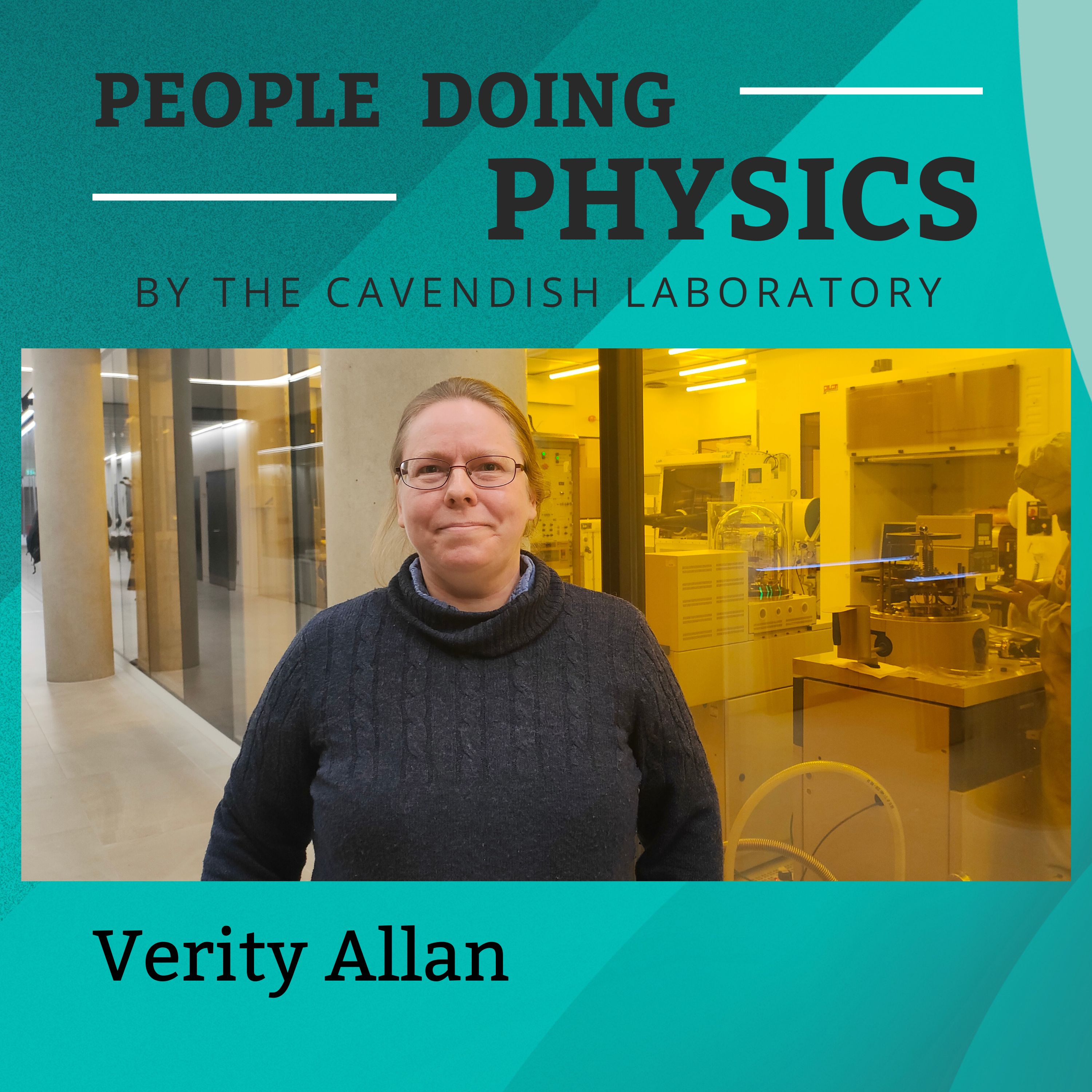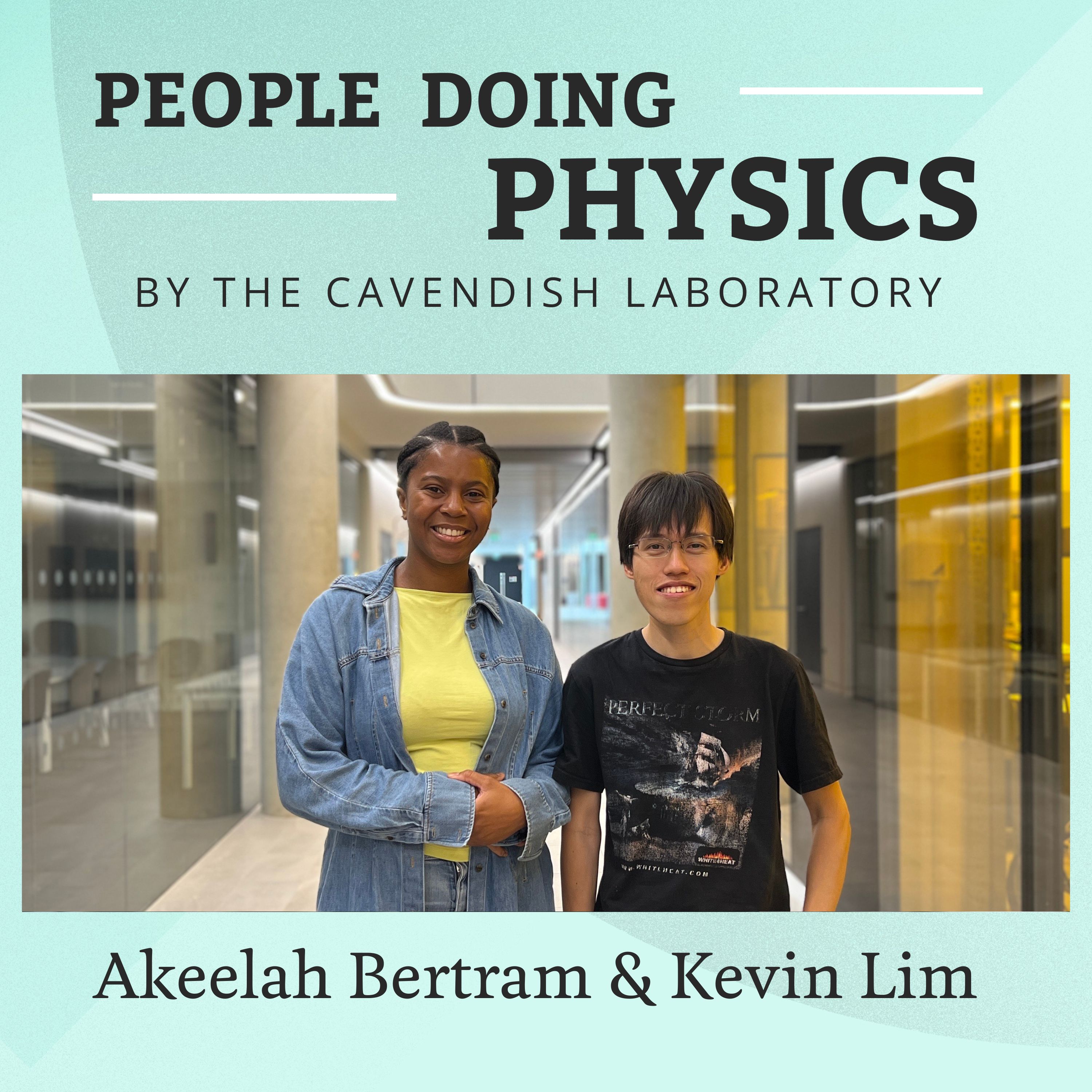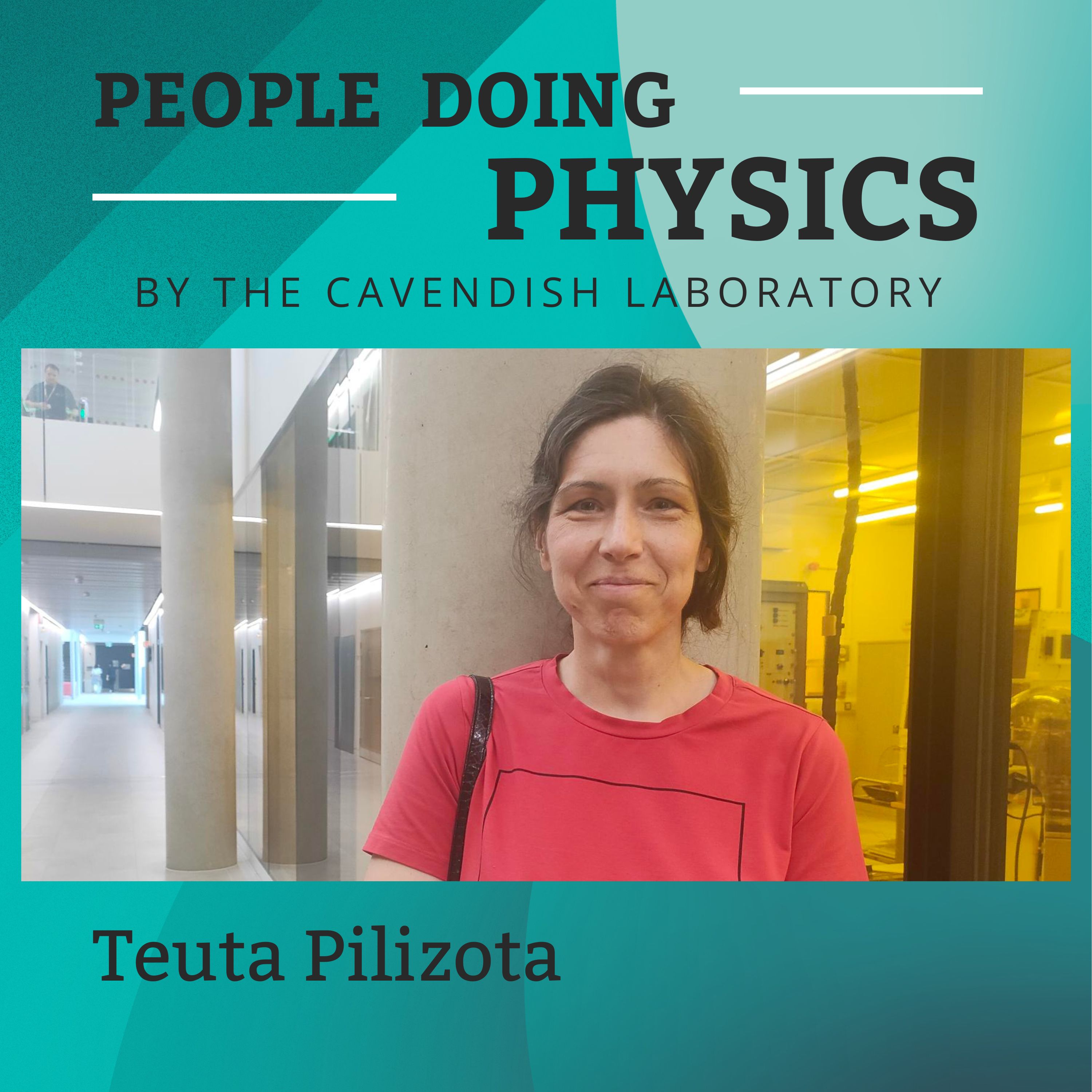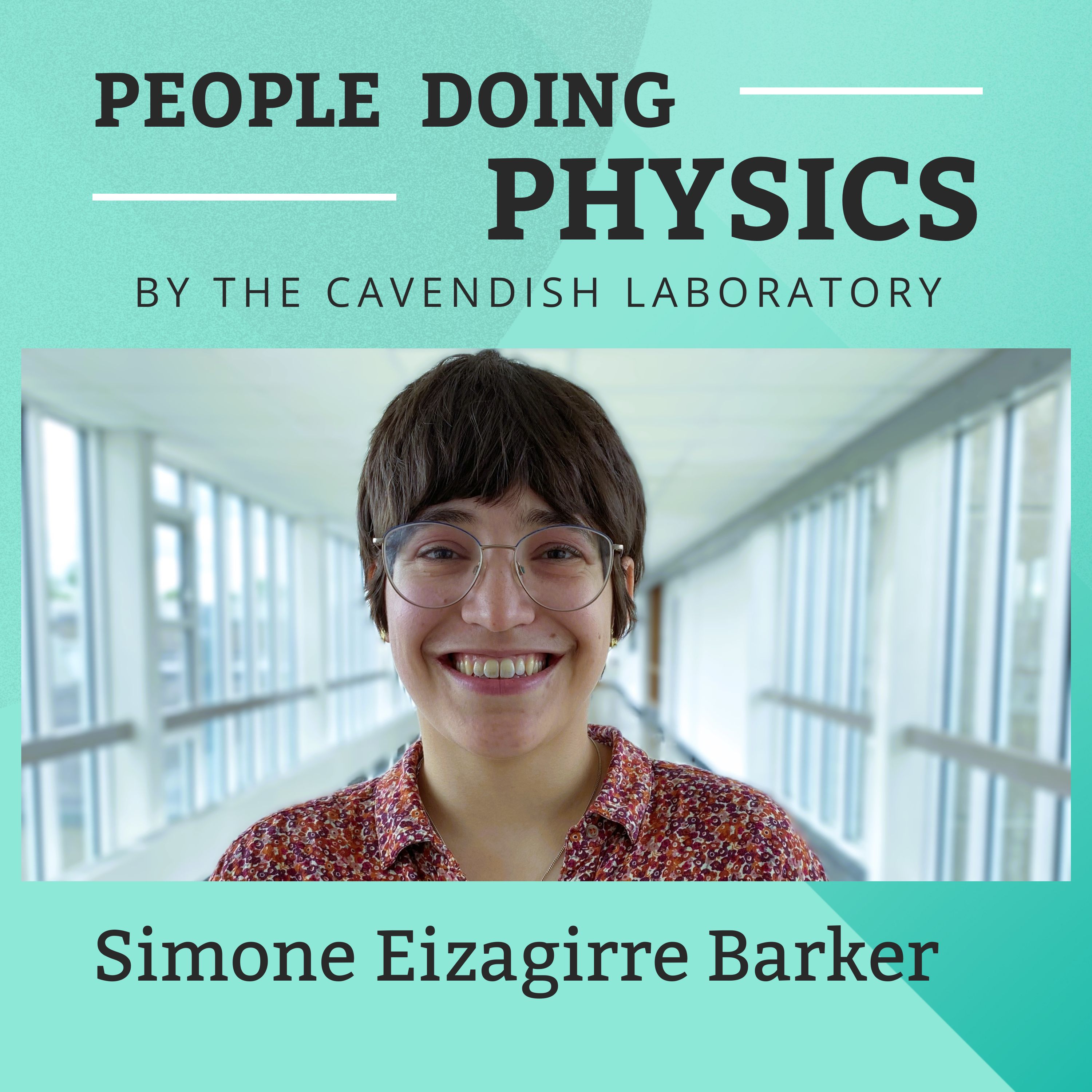
 Site • RSS • Apple Podcasts
Description (podcaster-provided):
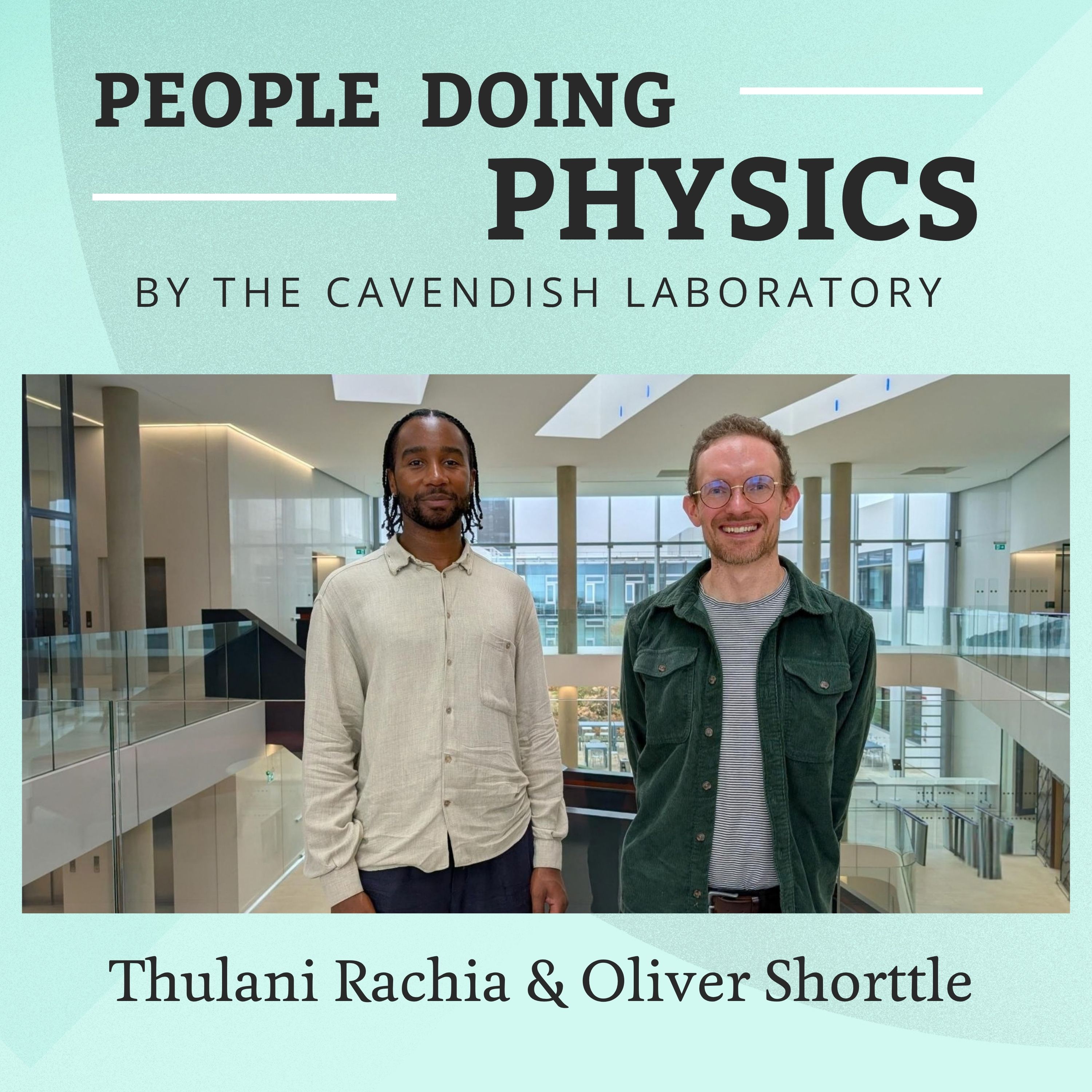
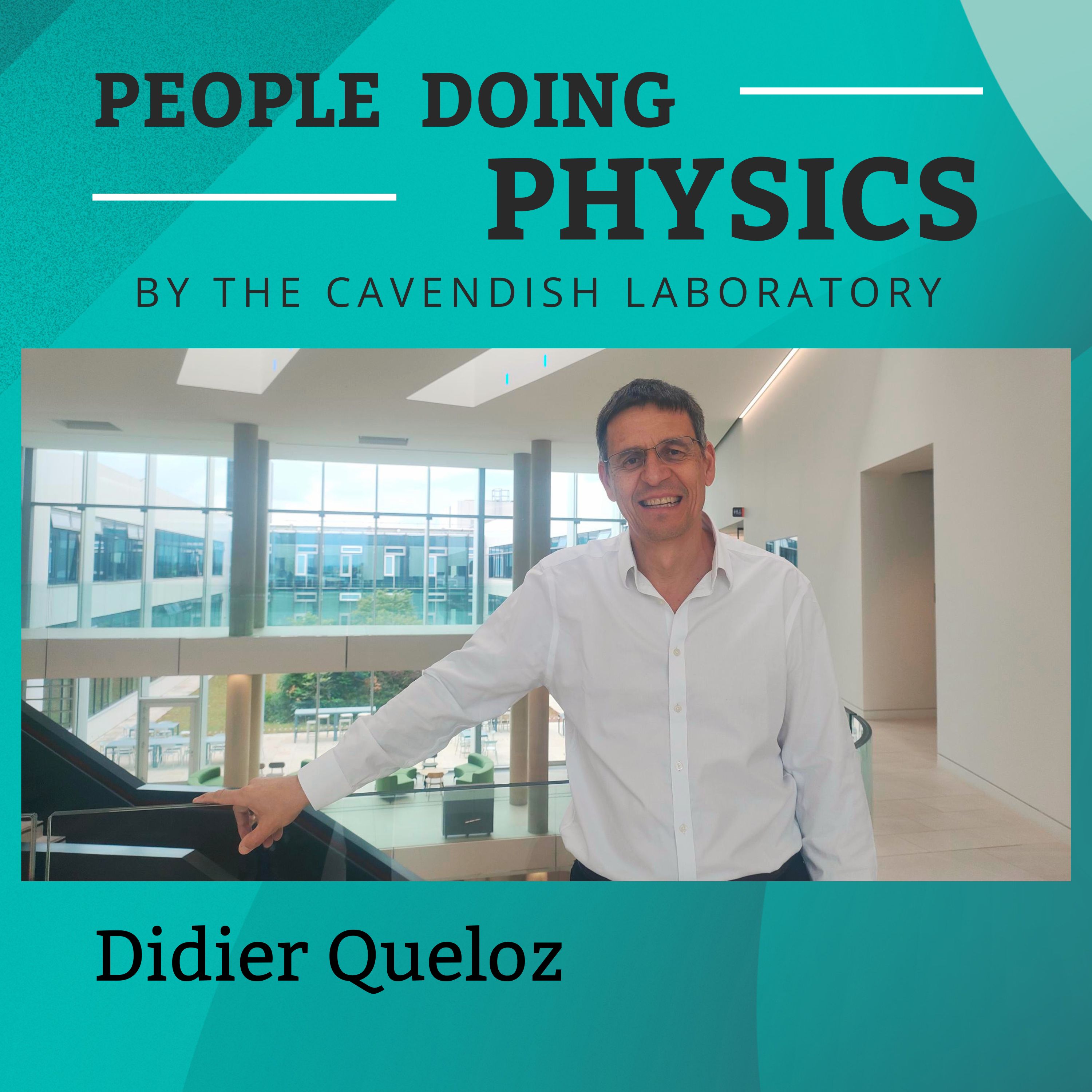
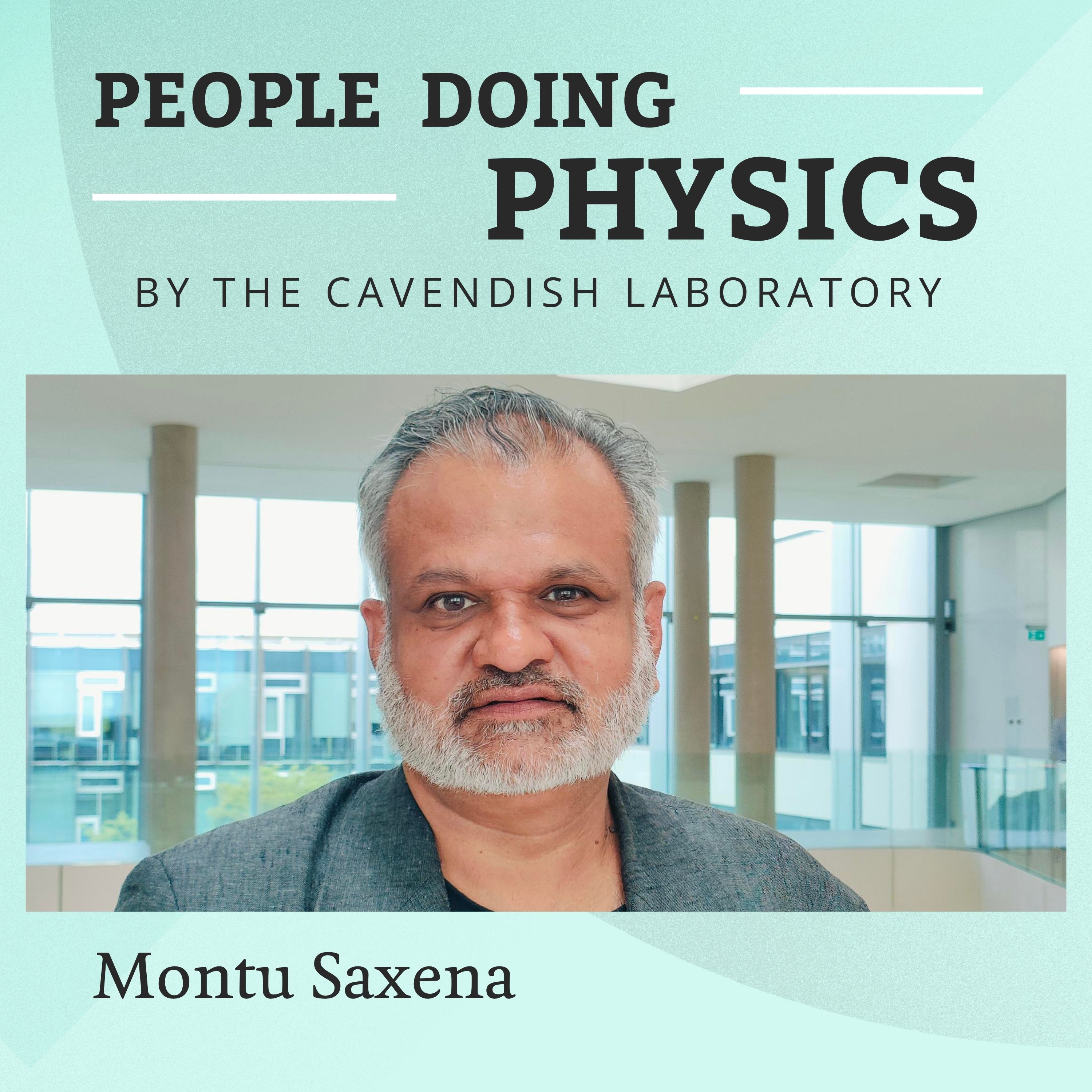
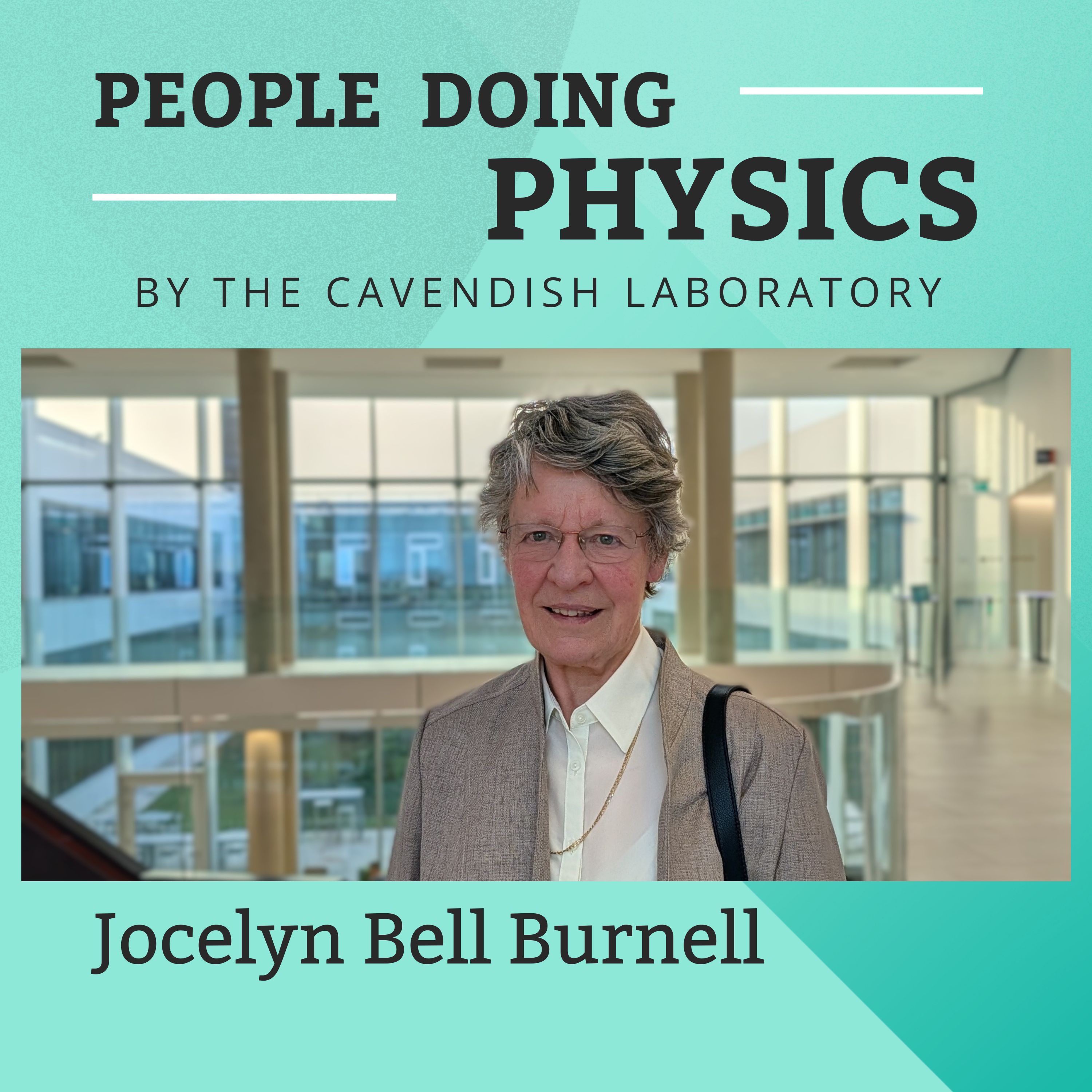
As fascinating as physics can be, it can also seem very abstract, but behind each experiment and discovery stands a real person trying to understand the universe. Join us at the Cavendish Laboratory on the first Thursday of every month as we get up close and personal with the researchers, technicians, students, teachers, and people that are the beating heart of Cambridge University’s Physics department. If you want to know what goes on behind the doors of a Physics department, are curious to know how people get into physics, or simply wonder what physicists think and dream about, listen in!Themes and summary (AI-generated based on podcaster-provided show and episode descriptions):
➤ Physicists’ personal journeys at Cambridge Cavendish • Astrophysics, cosmology, exoplanets, radio telescopes • Particle physics, dark matter, quantum optics • Materials, superconductivity, nanotech, machine learning • Lab technicians, education, outreach, diversity • Physics–art–music intersections • Academia–industry careers, entrepreneurshipThis podcast offers an inside look at life and work at the Cavendish Laboratory, focusing on the people behind physics at the University of Cambridge. Through conversations with researchers, students, technicians, educators, and occasional guests from outside traditional academic pathways, it explores how individuals enter physics, what motivates them, and what day-to-day scientific practice can involve.
Across the episodes, listeners encounter a wide range of physics and adjacent fields, including astrophysics and cosmology (from exoplanets and pulsars to galaxy formation and the early universe), particle physics and CERN experiments, quantum optics and ultracold atoms, condensed matter and superconductivity, nanotechnology, optoelectronics and photovoltaics, materials discovery using machine learning, and biomedical and biological physics. Many discussions connect fundamental questions to instrumentation and large-scale projects, such as advanced telescopes, detectors, computing infrastructure, and laboratory facilities, including the development and move into new departmental spaces.
A recurring theme is the varied routes people take into and through physics—via engineering, the humanities, industry, entrepreneurship, or interdisciplinary work—and the skills that support those journeys, such as mentoring, communication, teaching, outreach, and technology transfer. Episodes also touch on scientific culture and careers: dealing with setbacks and uncertainty, building confidence and belonging, balancing research with other commitments, and efforts to broaden participation in science. Intersections with art, music, and faith appear as additional lenses on creativity and meaning in scientific work.