 Site • RSS • Apple Podcasts
Description (podcaster-provided):
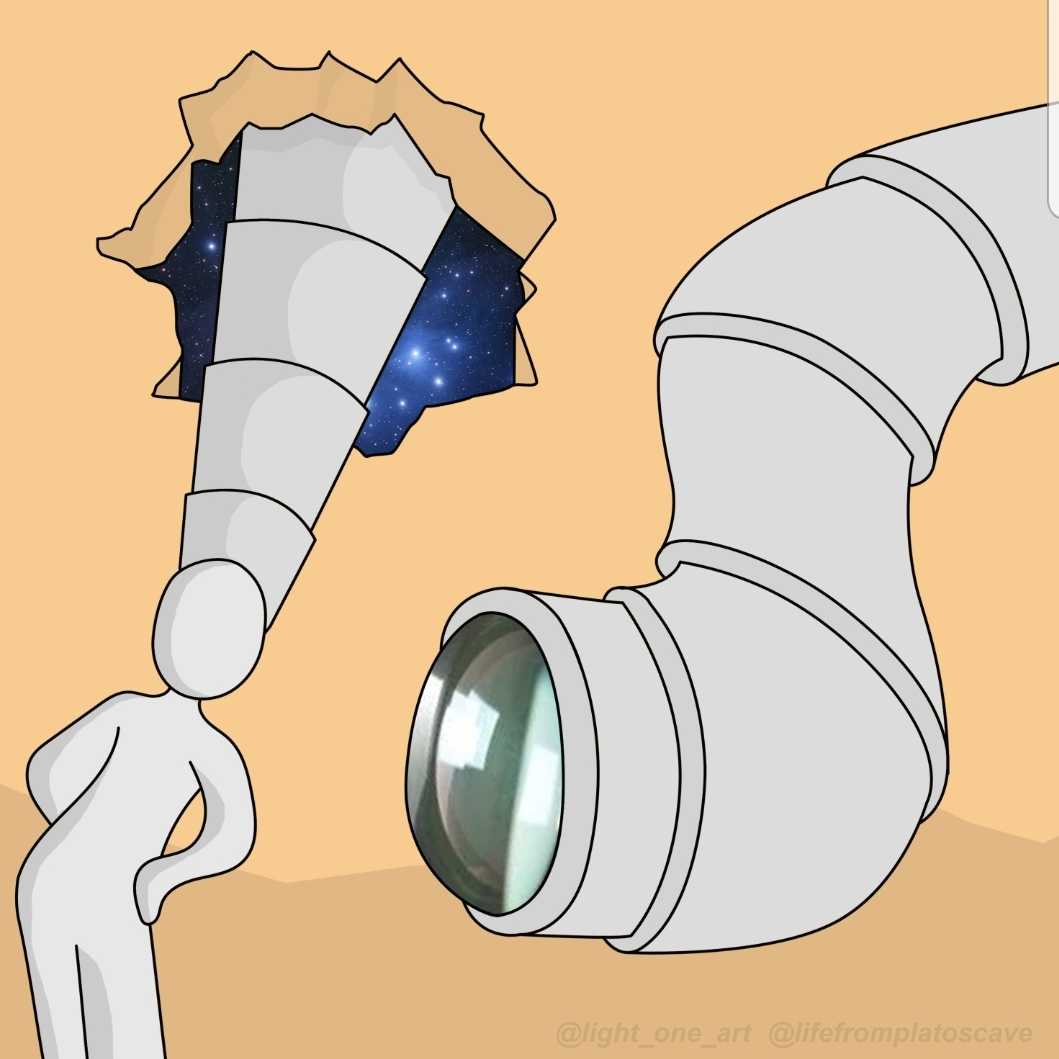
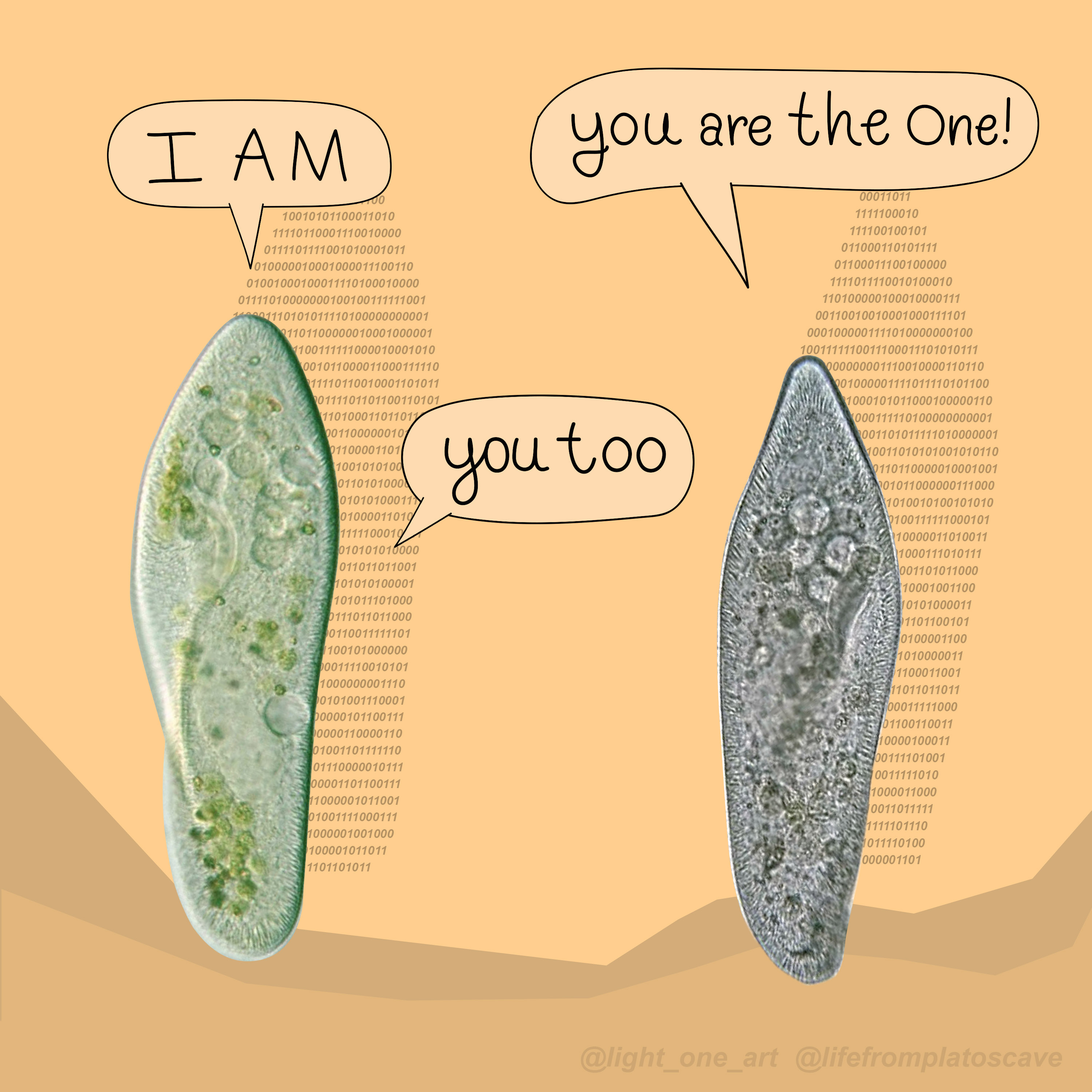
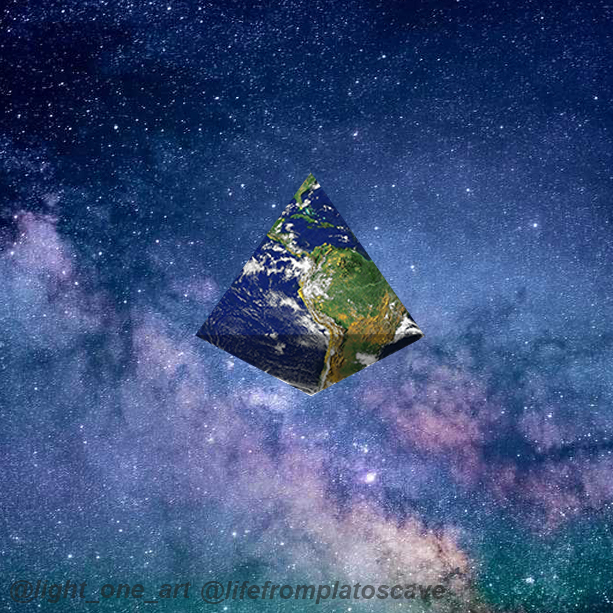
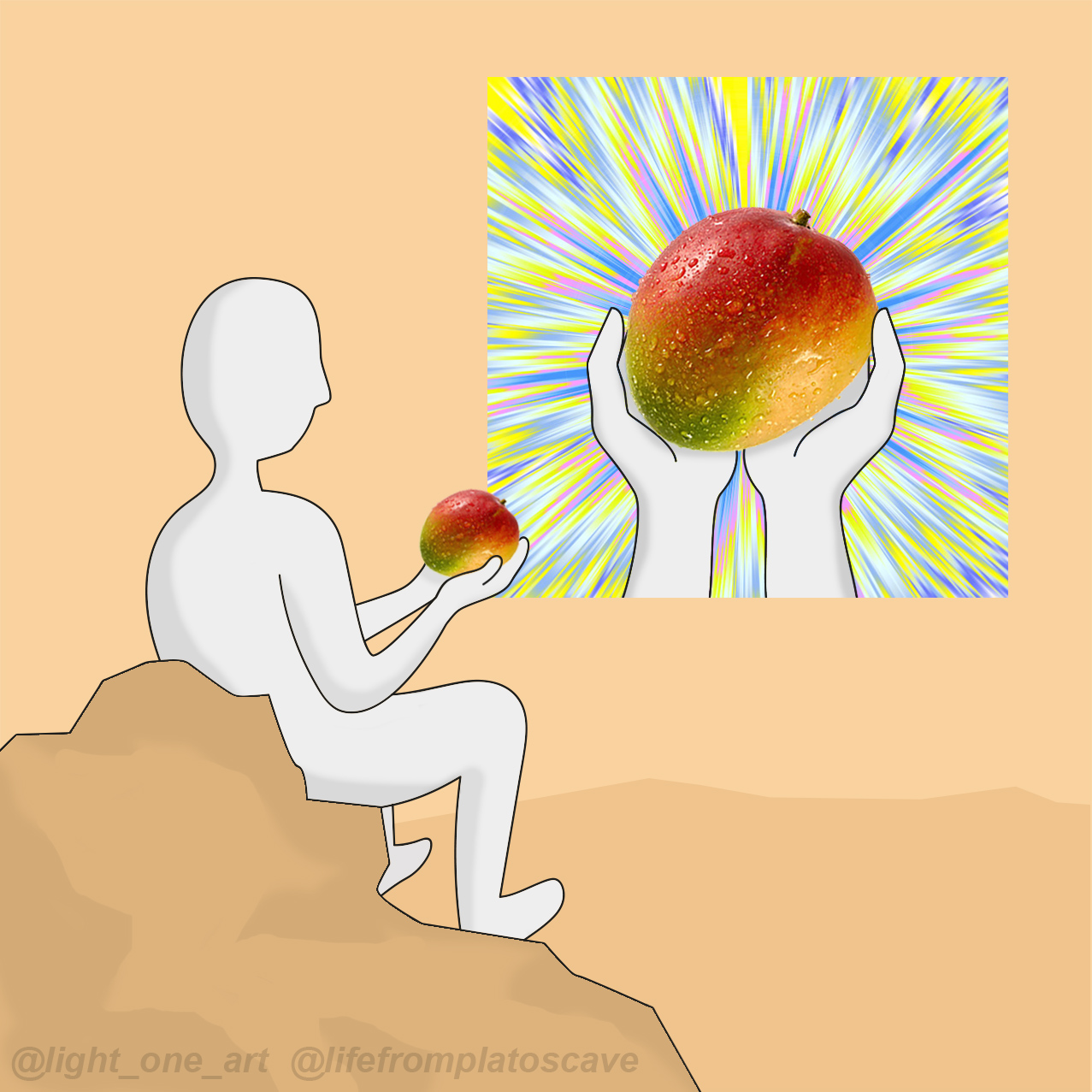
A course in interdisciplinarity by Mario Veen. In each episode I travel through Plato's Allegory of the Cave together with a guide. Together, we examine the question of what it means to learn, grow and develop in life on earth. We do so from a new perspective every time. You can use this course to study whatever interests you through the lens of philosophy, film, art, physics, spirituality and many more. All you need is the willingness to think things through and the openness to have your preconceived notions challenged.Themes and summary (AI-generated based on podcaster-provided show and episode descriptions):
➤ interdisciplinary Plato’s Cave lens • philosophy of truth, learning, development • art/film/image-thinking • science & communication: physics, astronomy, geology, neuroscience • technology, social media, distraction, disinformation • climate crisis, activism, rights of nature • trauma, racism, education, medicine, spiritualityThis podcast uses Plato’s Allegory of the Cave as a recurring frame for interdisciplinary conversations about learning, perception, and human development. Each discussion revisits the allegory from a different domain, treating it as a tool for examining how people form beliefs, how “truth” is understood, and what it takes to revise one’s worldview when confronted with disorienting or painful new information.
Across the episodes, philosophy is a central anchor, including engagements with thinkers such as Heidegger, Bergson, Stiegler, and Serres, and with themes like being, representation, and the relationship between knowledge and lived experience. The show also regularly brings in the arts—especially film and visual culture—to explore how images shape thought, identity, politics, and public life.
Scientific perspectives are prominent, with guests from geology, astrophysics, neuroscience, biology, and climate science addressing topics like deep time, discovery in theoretical physics, cognition and meditation, and the search for life beyond Earth. These inquiries often connect to practical contemporary challenges, particularly the climate and ecological crisis, including activism, legal strategies, institutional responsibilities, and emerging ideas such as Rights of Nature.
The podcast also addresses social and ethical dimensions of knowledge: trauma and memory (including Holocaust and intergenerational trauma), racism and blackness, medical education and how clinicians think, and the dynamics of social media distraction and disinformation. Overall, the series presents the cave as a metaphor for the limits of perspective—personal, cultural, technological, and political—and for the ongoing work of reorienting oneself toward a wider world.