Description (podcaster-provided):
Join me as I learn about the world of Astrophysics. My name is Vikram Bhamre and I am 18 years old. On my podcast, Exploring Astrophysics, I chat with some of the most incredible astrophysicists around the world on the most interesting questions left unanswered in astrophysics. What's amazing is how helpful and forthcoming they all are and I hope you too are inspired when you listen to them.
Themes and summary (AI-generated based on podcaster-provided show and episode descriptions):
➤ astrophysicist interviews • cosmology and early universe • black holes, neutron stars, AGN • galaxy formation, mergers, lensing • dark matter/energy • exoplanets and astrobiology • spectroscopy, magnetic fields • simulations, statistics, machine learning • telescopes, instruments, LIGO gravitational waves • research careers, outreach
This podcast follows host Vikram Bhamre as he learns astrophysics through conversations with working researchers across a wide range of subfields. Discussions often focus on how scientists investigate major open questions about the universe, from the earliest moments after the Big Bang to the formation and evolution of stars, galaxies, and large-scale structure.
Across the show, guests describe research on black holes and neutron stars, including binary systems and supermassive black-hole pairs linked to galaxy collisions. Cosmology topics include inflation, primordial black holes as potential dark-matter candidates, and efforts to measure and map dark matter and dark energy using surveys and gravitational lensing. There is also substantial attention to galaxies and their growth—such as active galactic nuclei, galaxy mergers, the shapes and structures of galaxies, and the interstellar medium in distant systems—often supported by computational modeling and simulations.
Many episodes highlight the tools and methods behind modern astronomy: spectroscopy for learning stellar composition and the first stars, polarization measurements used to infer galactic magnetic fields, exoplanet detection via transit surveys and characterization of exoplanet atmospheres, and gravitational-wave detection with interferometers like LIGO and upgrades to future detectors. The podcast frequently touches on the practical challenges of working with large datasets, including statistics, instrument limitations, data cleaning, and the growing role of machine learning and artificial intelligence.
Alongside science content, guests commonly share career paths, advice for students, and perspectives on education, outreach, instrumentation, collaboration management, and occasional intersections between cosmology and art.
|
Episodes:
|
 Dr Kareem El-Badry, incoming Assistant professor at Caltech
2023-May-26
25 minutes
|
 Dr. Lynne Hillenbrand, Professor of Astronomy at Caltech
2023-May-03
31 minutes
|
 Dr Maria Charisi, Postdoctoral associate at Vanderbilt University
2023-Mar-26
21 minutes
|
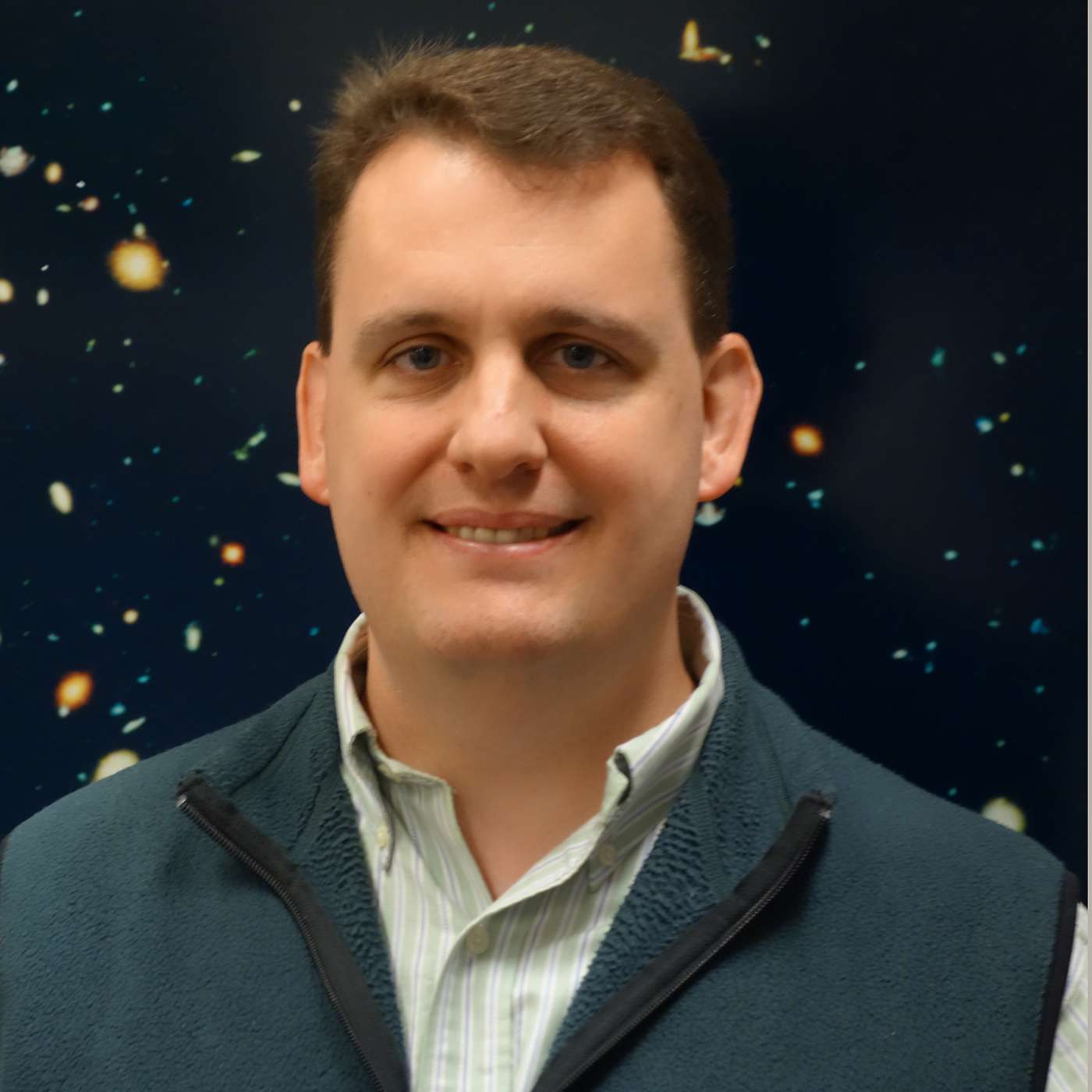 Dr Robert Simcoe, Director of MIT's Kavli Institute for Astrophysics and Space Research
2023-Feb-20
23 minutes
|
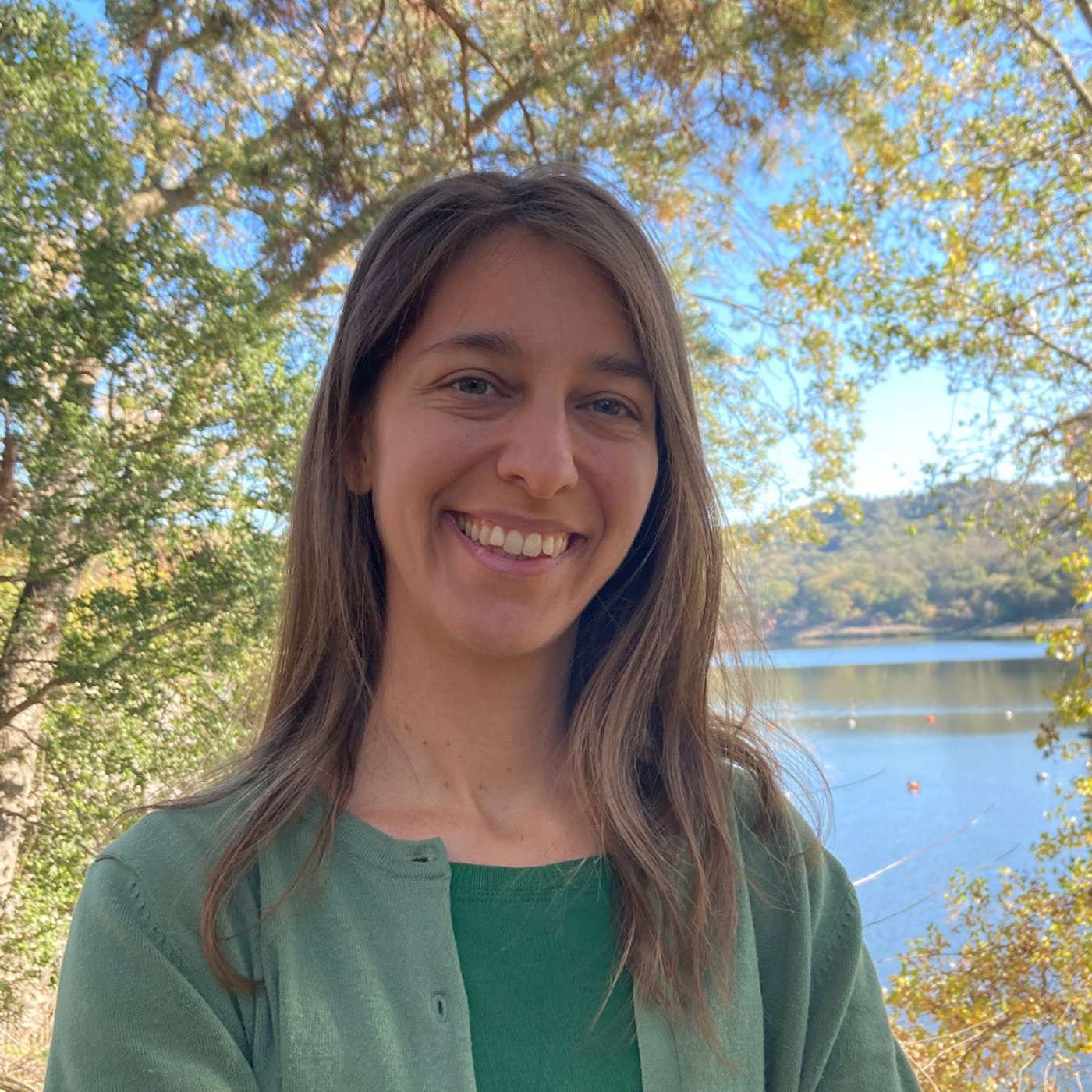 Dr Gina Panopoulou, Assistant professor, Chalmers University of Technology
2022-Dec-27
16 minutes
|
 Dr Christian Byrnes, Senior lecturer at the University of Sussex
2022-Oct-19
22 minutes
|
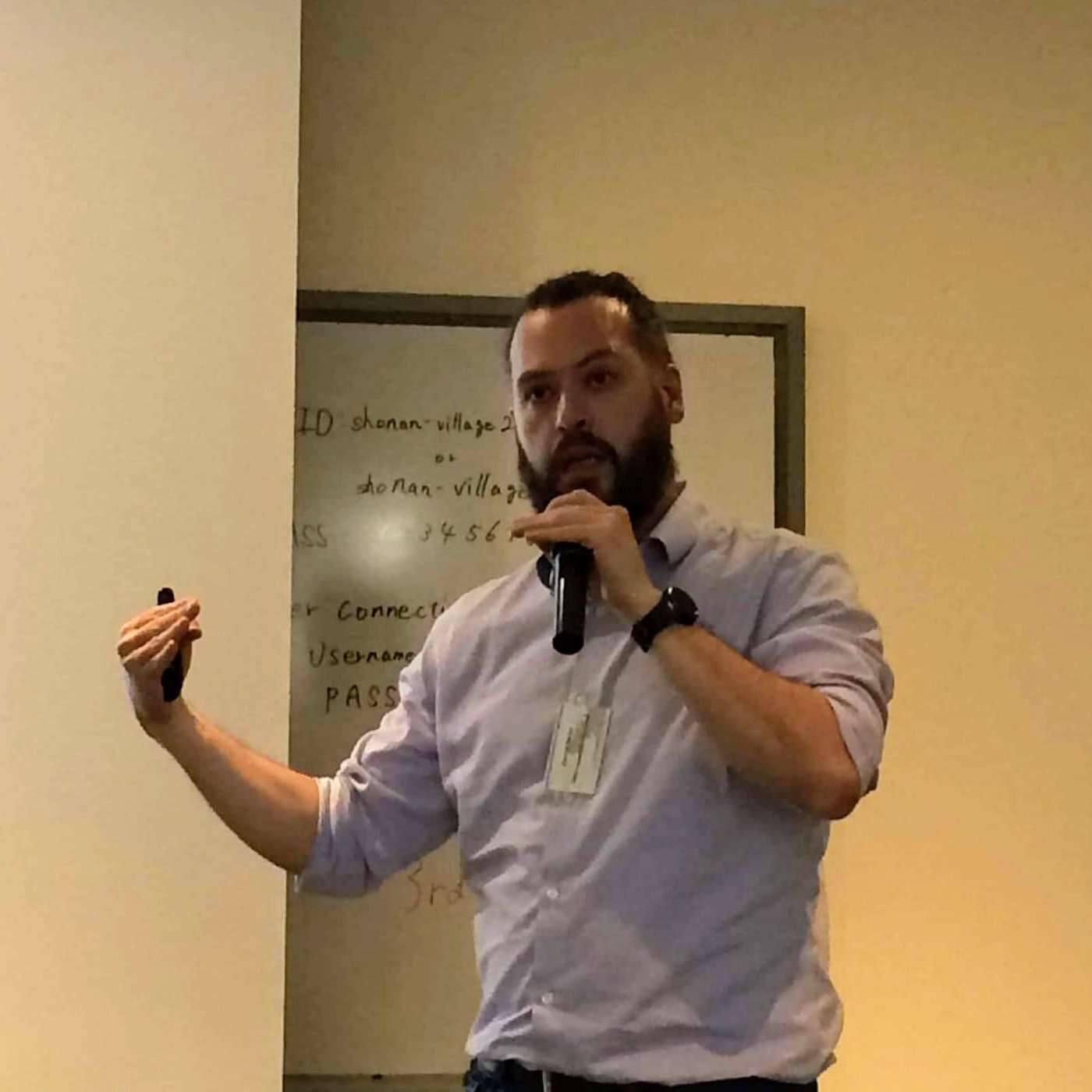 Dr Javier Garcia, Assistant professor of physics at Caltech
2022-Sep-11
26 minutes
|
 Dr Kathy Romer, Professor at the university of Sussex
2022-Jul-17
25 minutes
|
 Dr Raissa Estrela, Postdoctoral fellow at NASA's Jet Propulsion Laboratory
2022-Jun-11
20 minutes
|
 Dr Olivier Hervet, Assistant project scientist at UC Santa Cruz
2022-May-17
20 minutes
|
 Dr Xinnan Du, Outreach and Engagement manager at KIPAC Stanford
2022-May-15
21 minutes
|
 Dr Tansu Daylan, Posdoctoral associate and MIT and Princeton
2022-Apr-03
23 minutes
|
 Dr Rana Ezzeddine, Assistant professor and Astrophysicist as the University of Florida
2022-Apr-02
23 minutes
|
 Dr Saeed Salimpour, Researcher at IAU's Office of Astronomy for Education
2022-Apr-01
21 minutes
|
 Sven Heydenreich, PHD student at the University of Bonn
2022-Feb-27
17 minutes
|
 Marcus Keil, PHD student at University College London
2022-Jan-23
42 minutes
|
 Dr Niall Jeffrey, Researcher at the École Normale Supérieure in Paris
2021-Dec-15
25 minutes
|
 Dr Peter Doel, Professor of Astronomical Instrumentation at University College London
2021-Oct-18
18 minutes
|
 Prof. Marco Cavaglia, Professor of Physics at Missouri University
2021-Sep-12
24 minutes
|
 Dr Boris Leistedt, Researcher at Imperial College London
2021-Aug-21
24 minutes
|
 Dr Pablo Lemos, Postdoctoral research fellow in cosmology at UCL, London
2021-Aug-21
17 minutes
|
 Dr Constance Mahony, Postdoctoral researcher at the German Centre for Cosmological Lensing
2021-Jul-06
17 minutes
|
 Aaron Stemo, A PHD candidate at the university of Colorado Boulder
2021-May-03
21 minutes
|
 Prof. Benedikt Diemer, Computational astrophysicist as the University of Maryland
2021-Mar-27
18 minutes
|
 Dr Rebecca Nevin, Postdoctoral research fellow at the Harvard Center for Astrophysics
2021-Mar-02
18 minutes
|
 Dr. Sandro Tacchella, Postdoctoral researcher at Harvard
2021-Jan-23
22 minutes
|
 Dr Elena Massara, Postdoctoral researcher at the university of Waterloo
2020-Dec-16
16 minutes
|
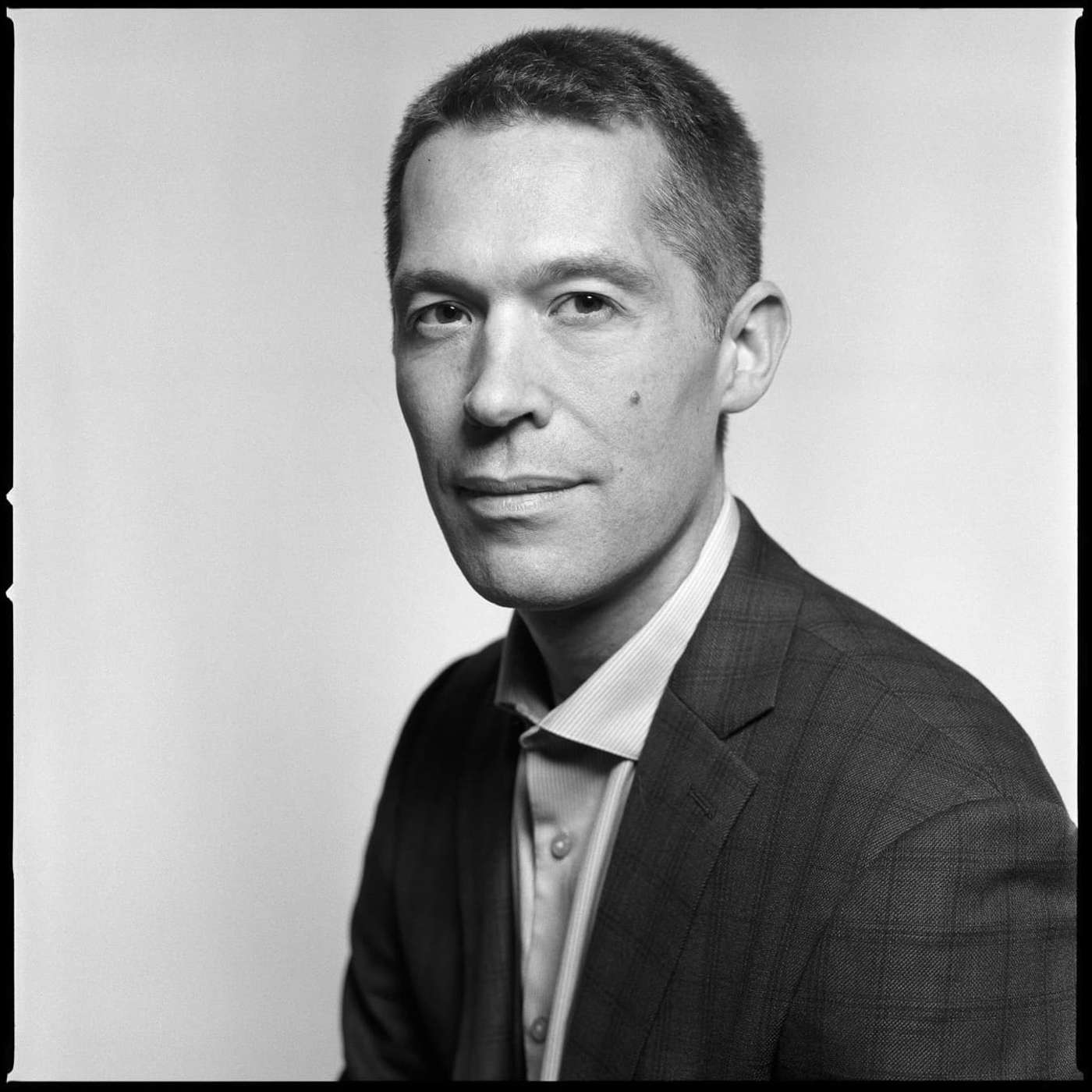 Prof. Matthew Evans, member of the MIT Laser Interferometer Gravitational-Wave observatory
2020-Nov-15
23 minutes
|
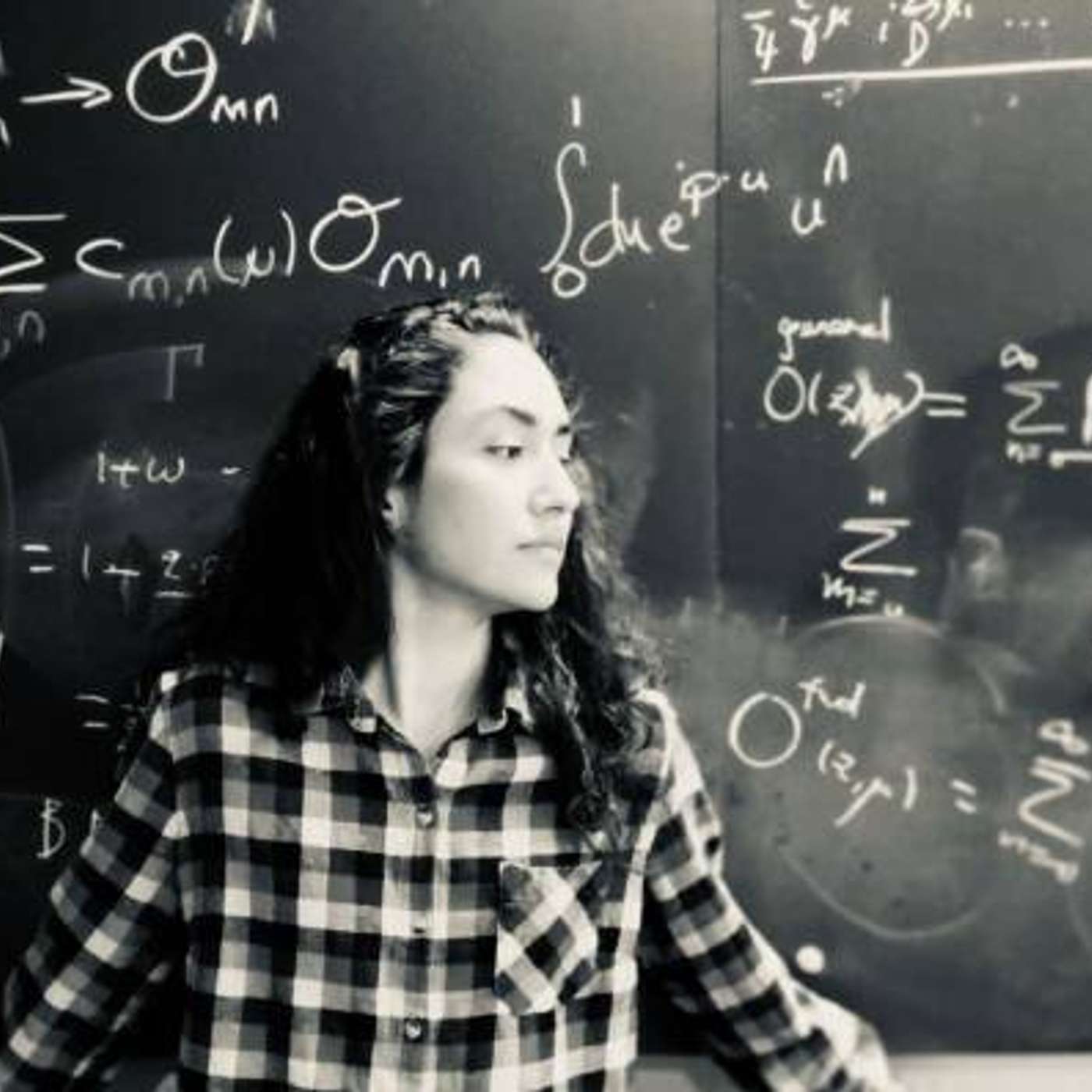 Gladys Velez Caicedo, Technical Instructor for physics at MIT
2020-Nov-02
27 minutes
|
 Dr Pat Scott, Astroparticle phenomenologist and head of GAMBIT
2020-Nov-01
23 minutes
|
 Exploring Astrophysics - Trailer
2020-Nov-01
less than a minute
|
 Site • RSS • Apple Podcasts