 Site • RSS • Apple Podcasts
Description (podcaster-provided):
Conversations with some of the leading scientists, researchers, engineers, and innovators working in Maine. Presented by the Maine Discovery Museum.Themes and summary (AI-generated based on podcaster-provided show and episode descriptions):
➤ Maine scientists’ interviews • marine and ocean science (viruses, plankton, fisheries) • biology and biomedicine • climate, geology, water quality • forestry, agriculture, PFAS • engineering, materials, AR/VR • science education and policyThis podcast features interview-style conversations with scientists, engineers, educators, and other professionals connected to Maine’s research institutions, government, and industry. Across the episodes, the host explores what people are studying and building, how they conduct their work, and how that work intersects with life in Maine.
A major theme is environmental and marine science, including oceanography and marine biology, ocean virology, phytoplankton ecology, fisheries, water quality, and coastal or climate-related research such as glaciology and broader climate change impacts. Land-based natural resource topics also appear frequently, with discussions related to forestry and forest modeling, ecology and conservation biology, geology, agriculture and farming, and applied issues like contaminants and environmental health.
The show also covers biomedical and life sciences—from cell biology, genetics, microbiology, and neurobiology to biochemistry and clinical diagnostics—often through the lens of Maine-based labs and research careers. Engineering and technology topics surface as well, including mechanical and civil engineering, construction, shipping and infrastructure, renewable nanomaterials and wood-based innovation, architecture, and AR/VR lab work.
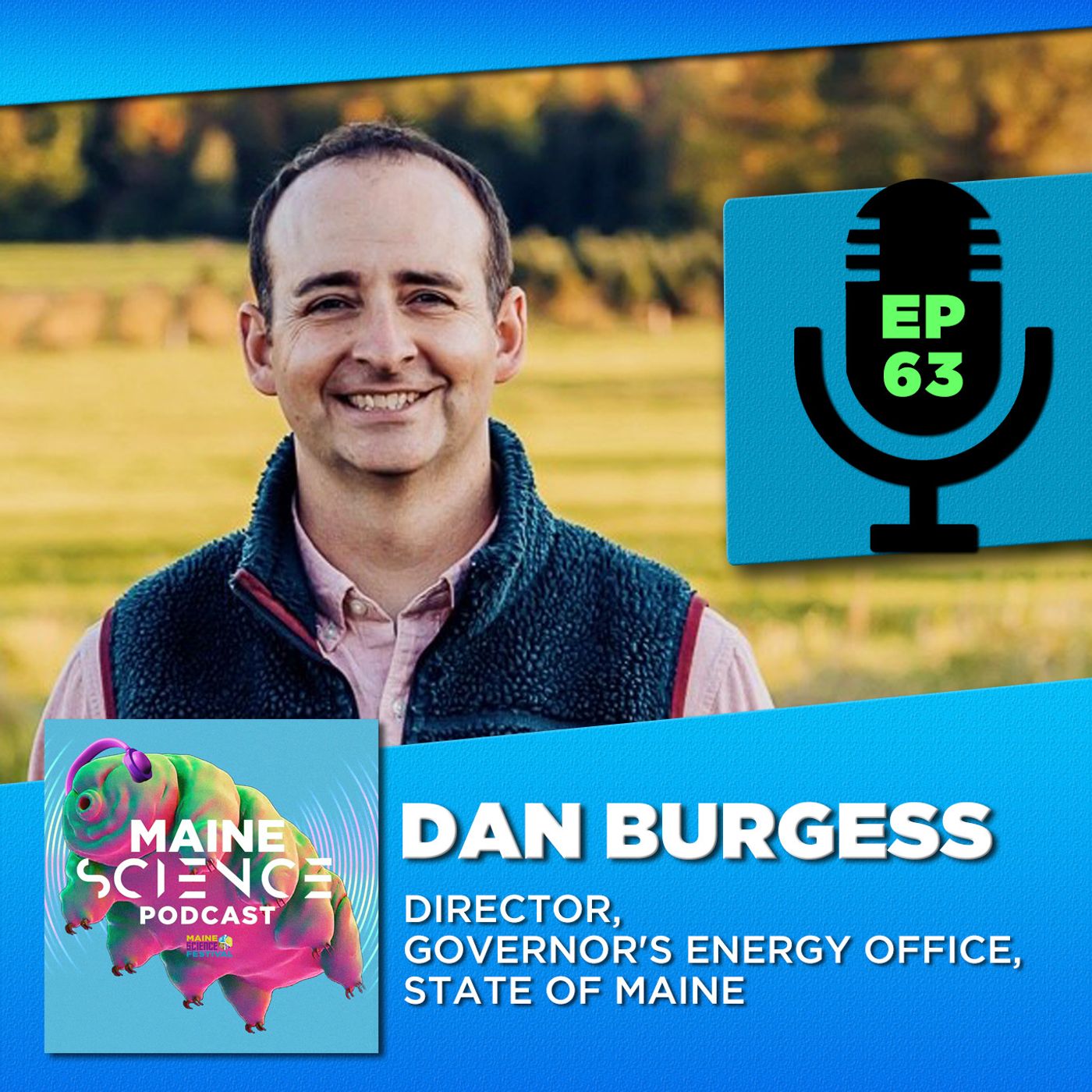
Beyond the sciences themselves, the conversations sometimes address policy and public-facing dimensions of science, such as energy policy, informal science education, micro-credential and extension learning, and the human dimensions of natural resources. Occasional special or crossover segments and brief updates round out the feed, but the core format remains focused on introducing Maine-centered research and the people behind it.