 Site • RSS • Apple Podcasts
Description (podcaster-provided):
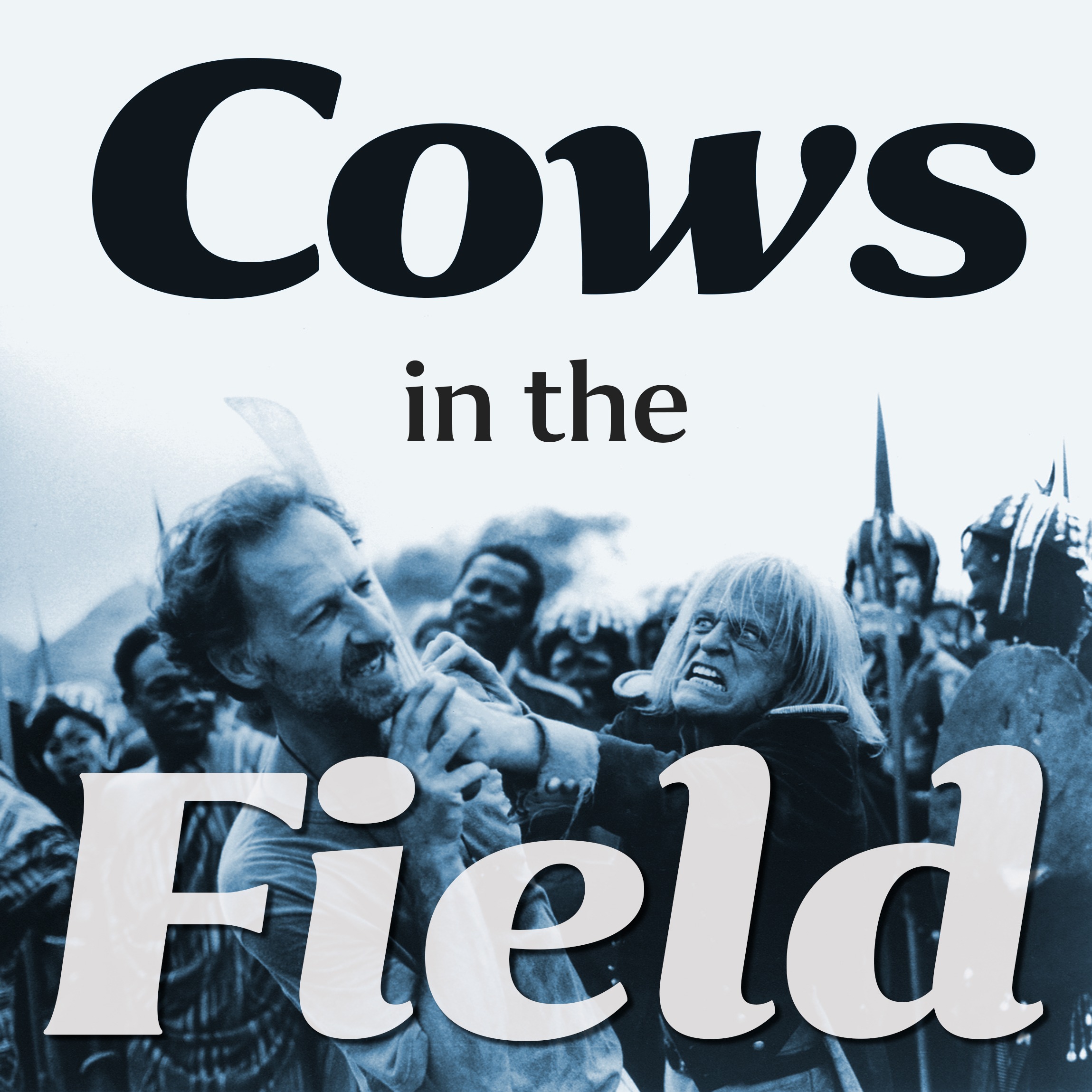
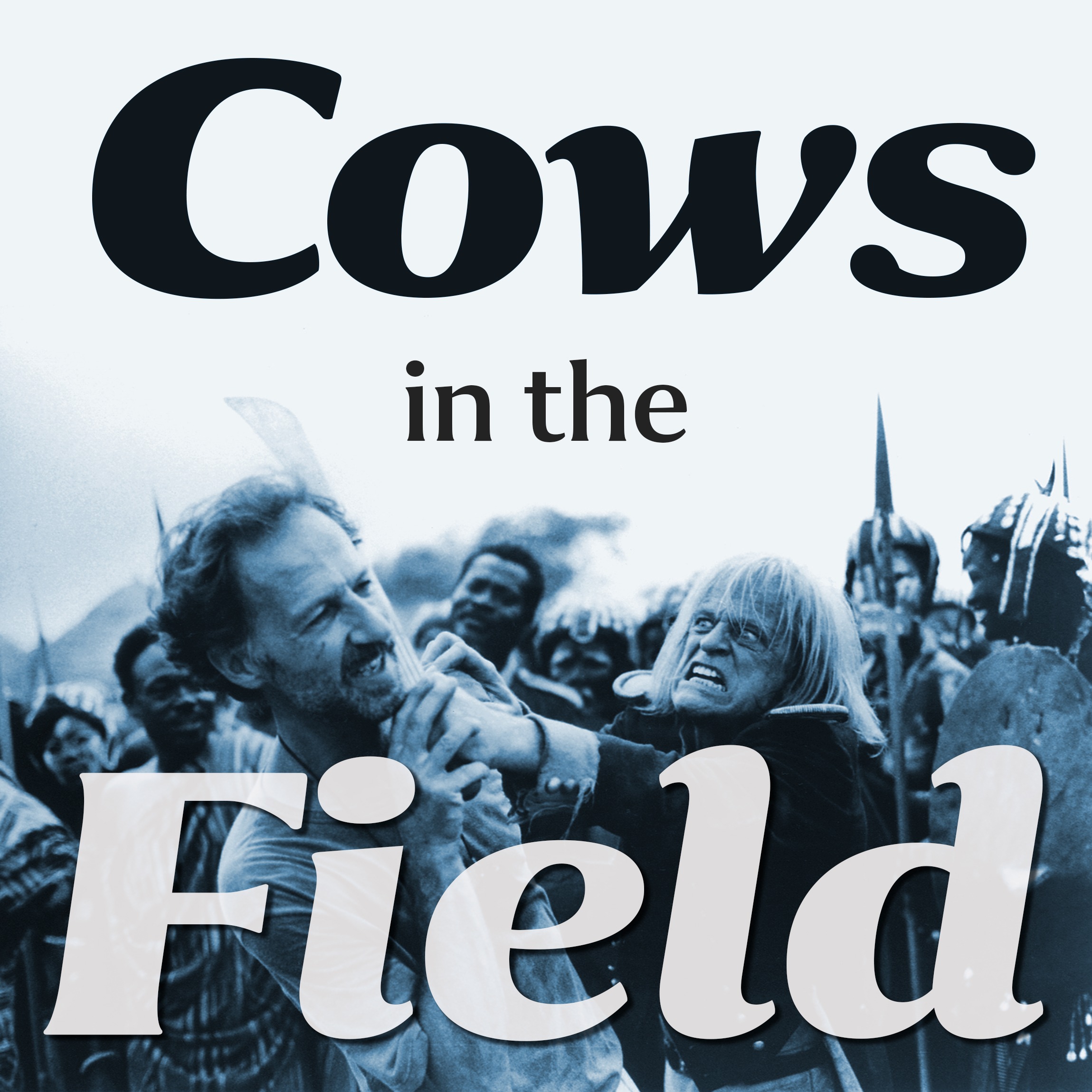
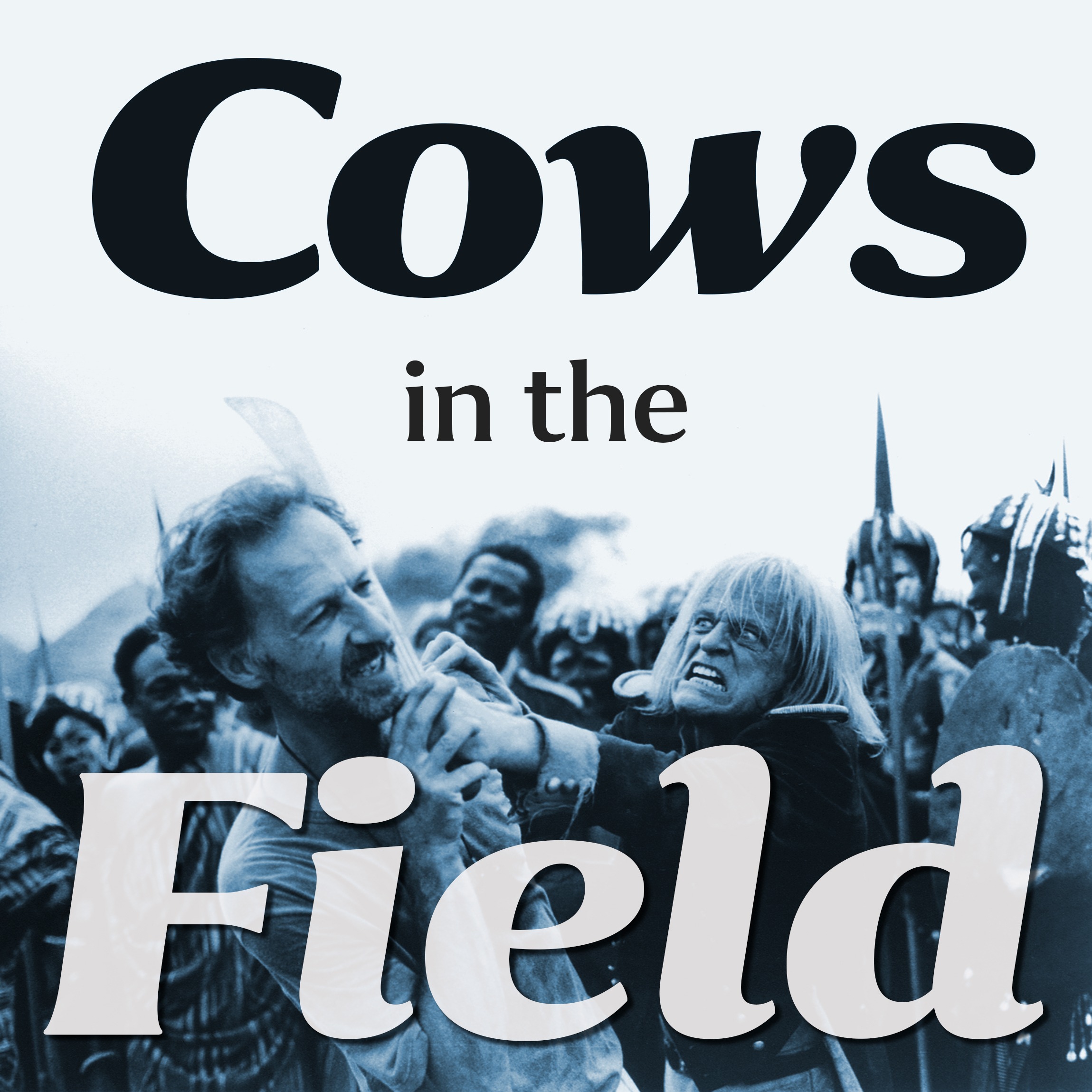
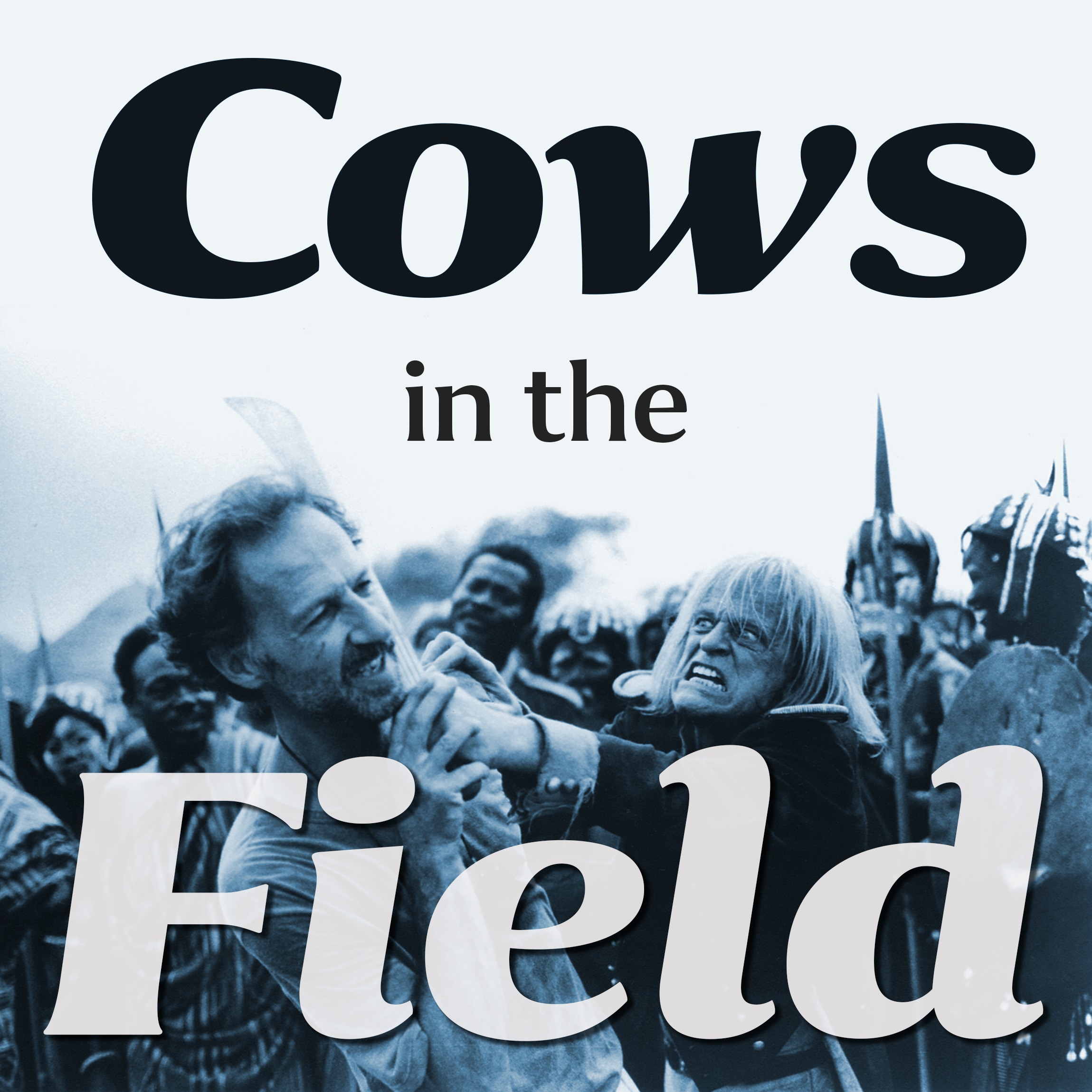
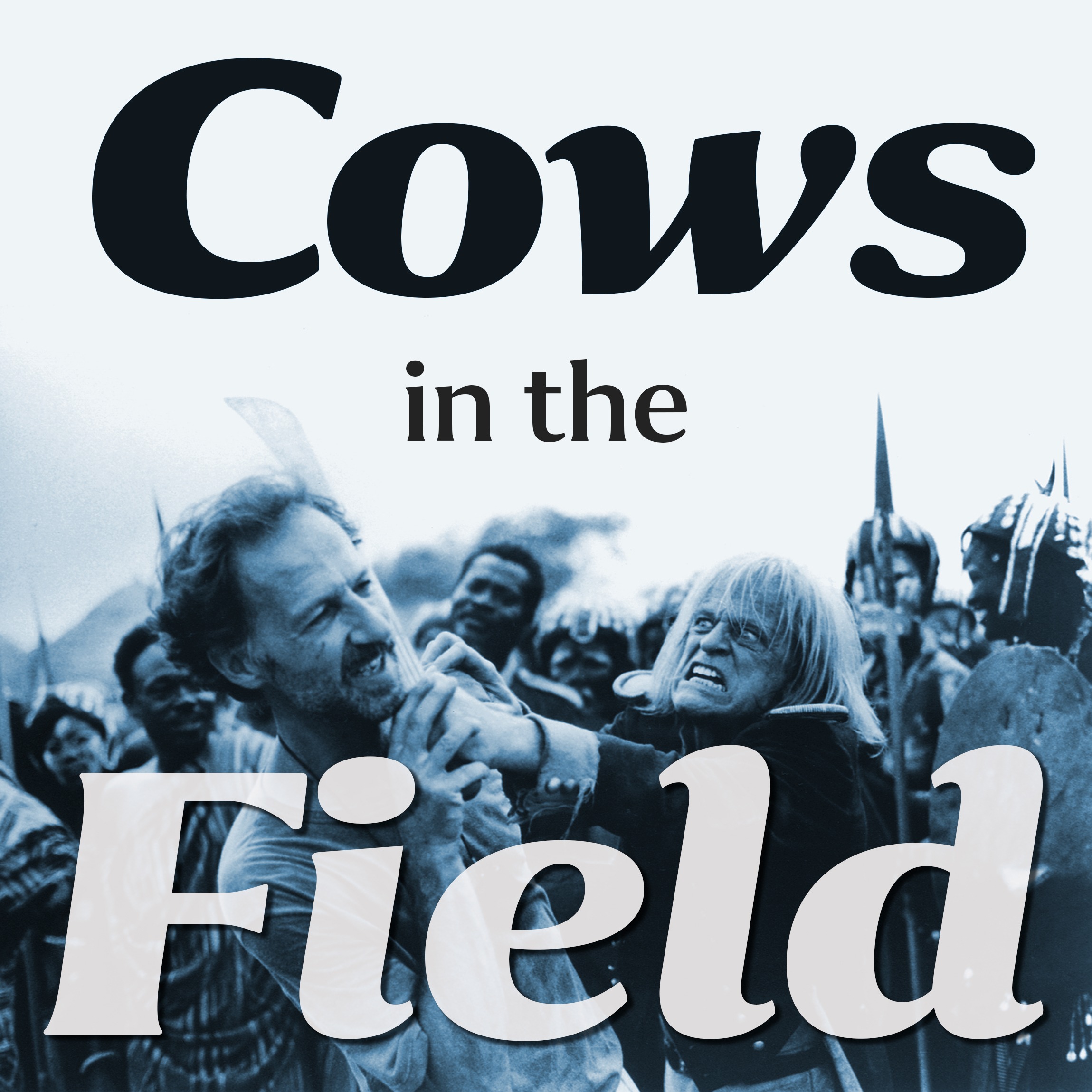
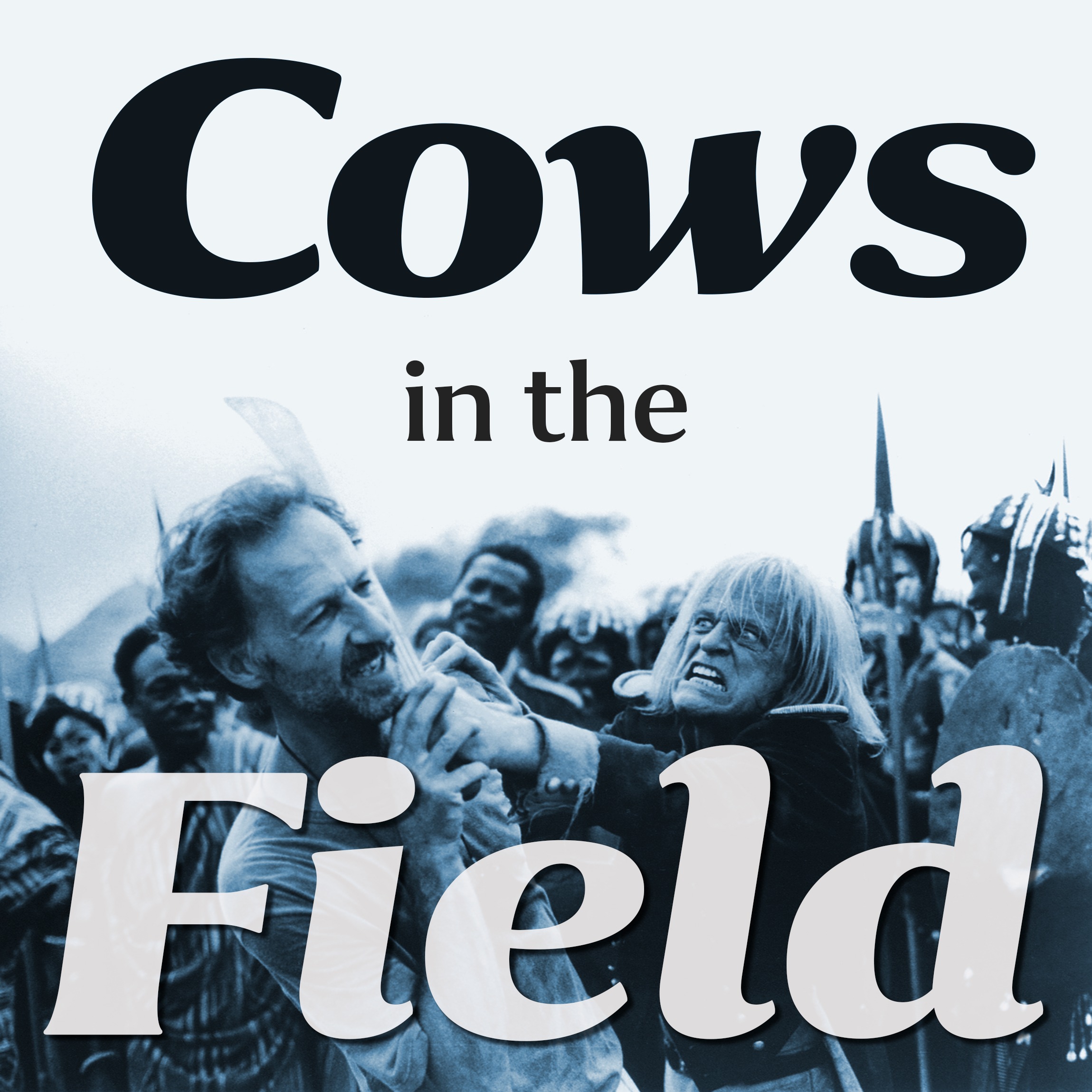
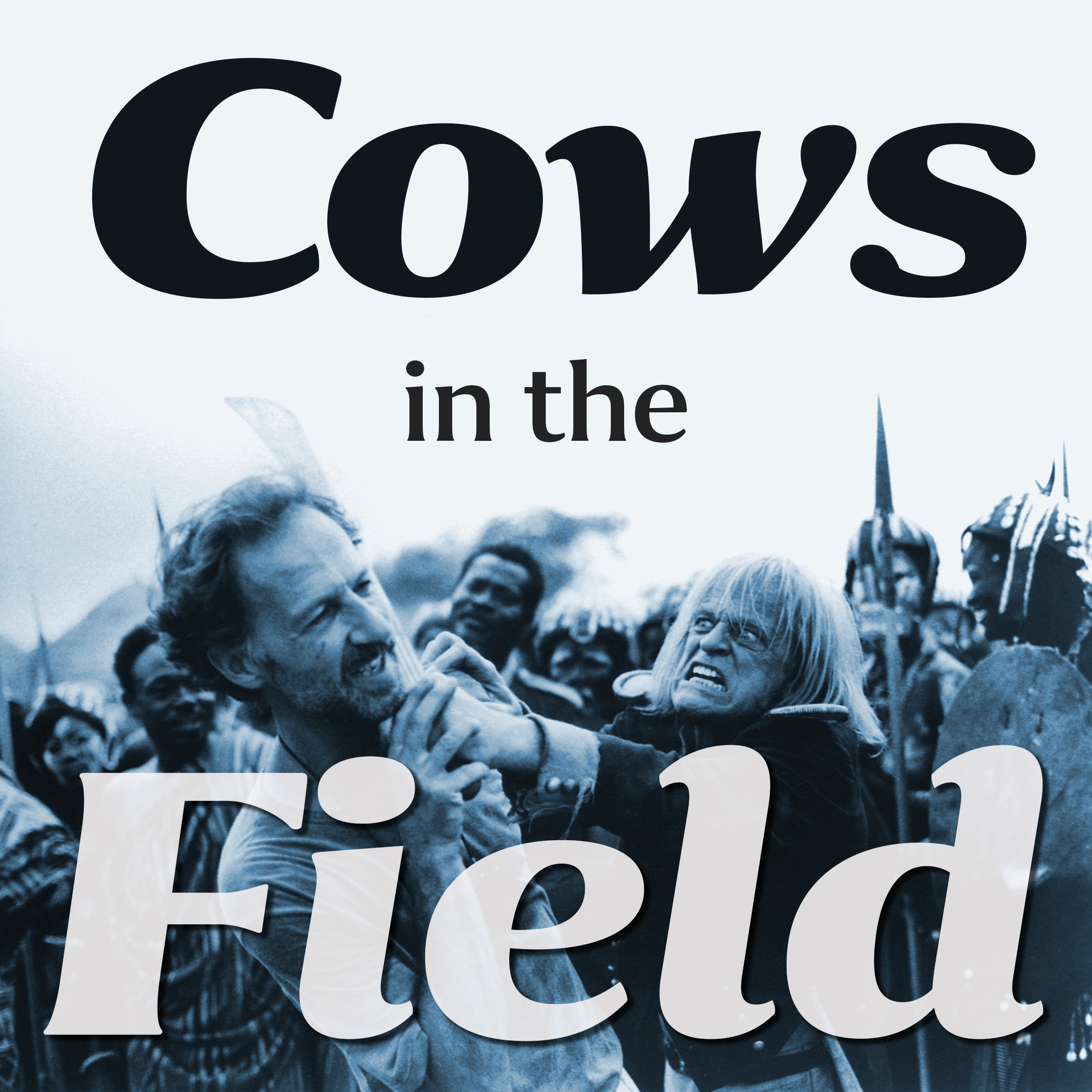
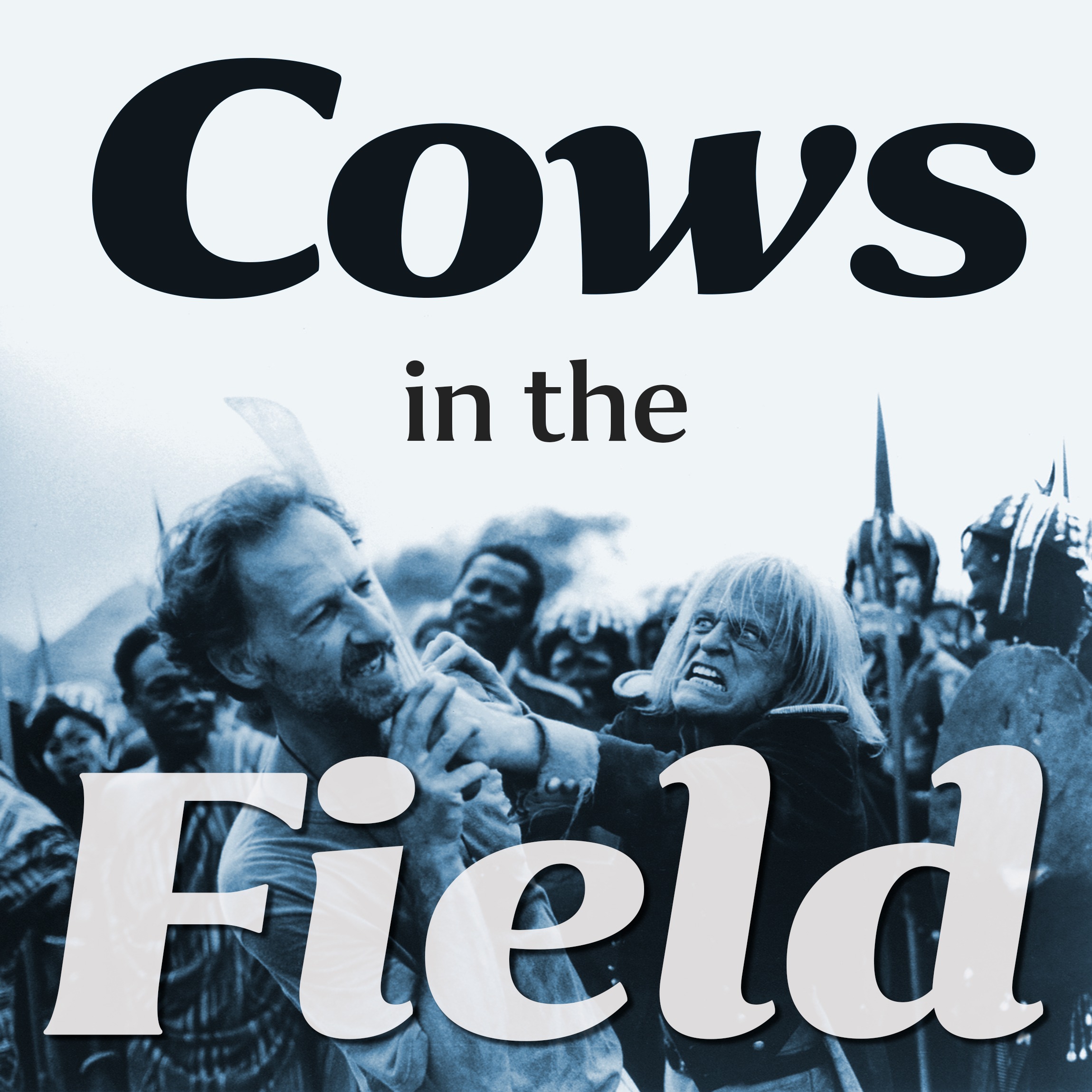
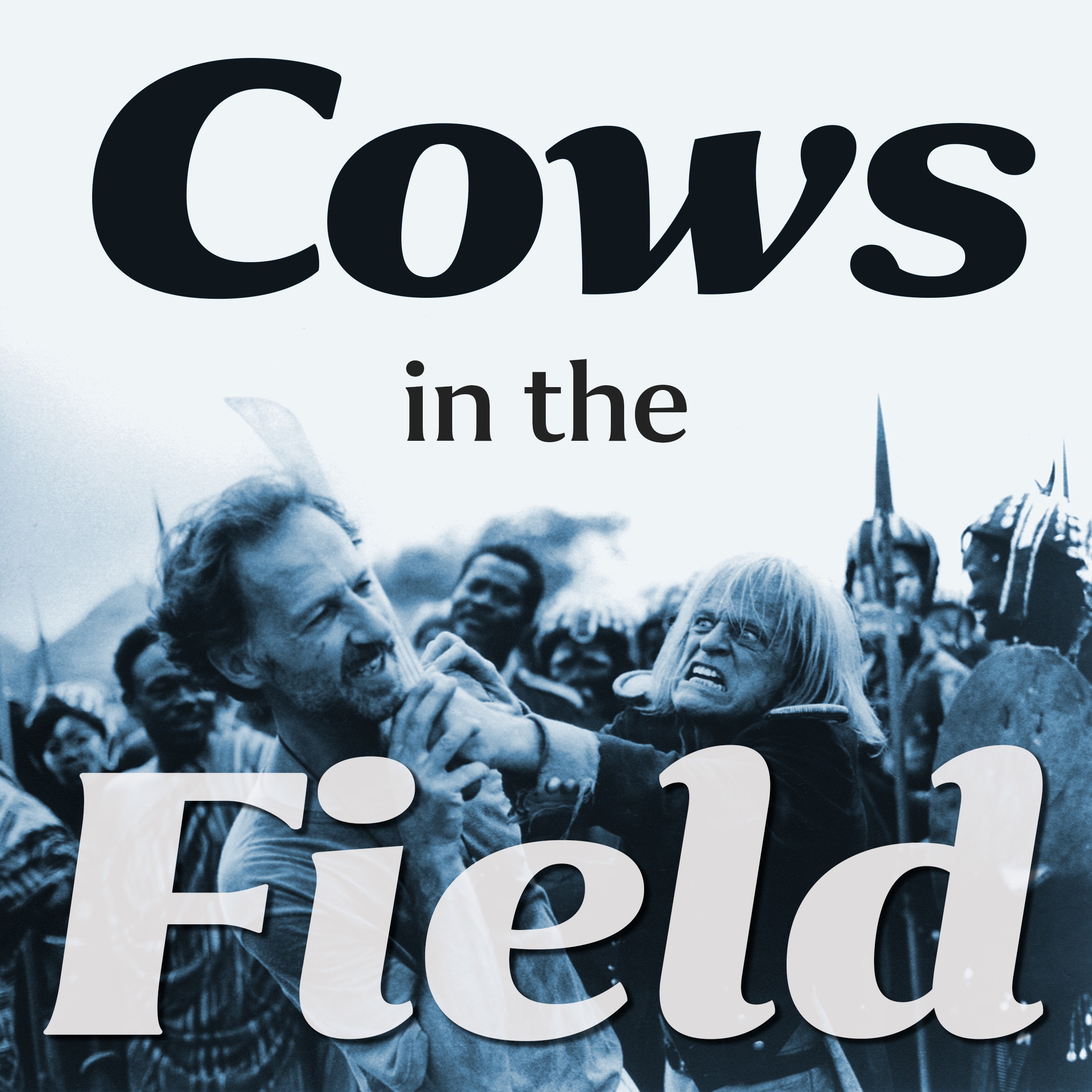
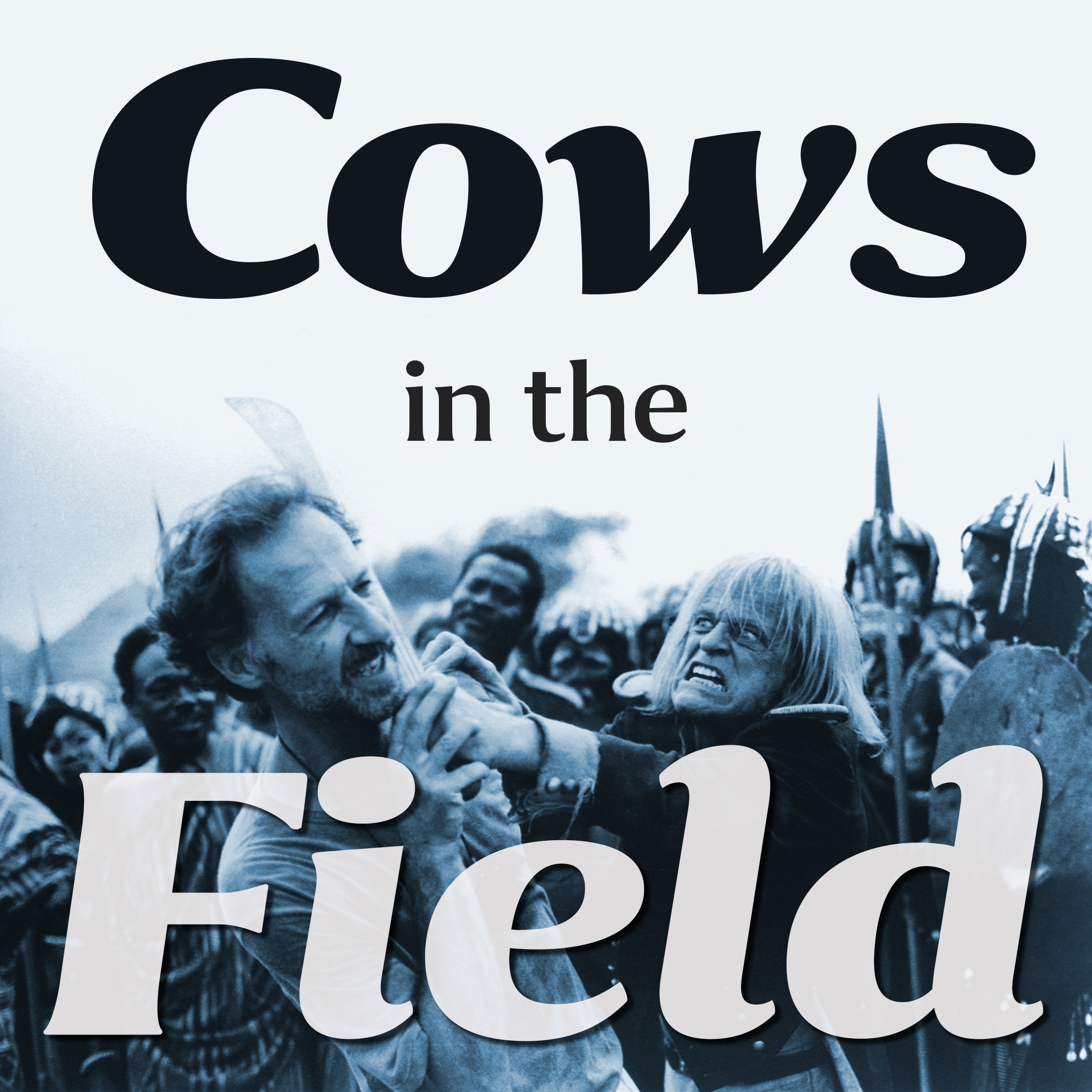
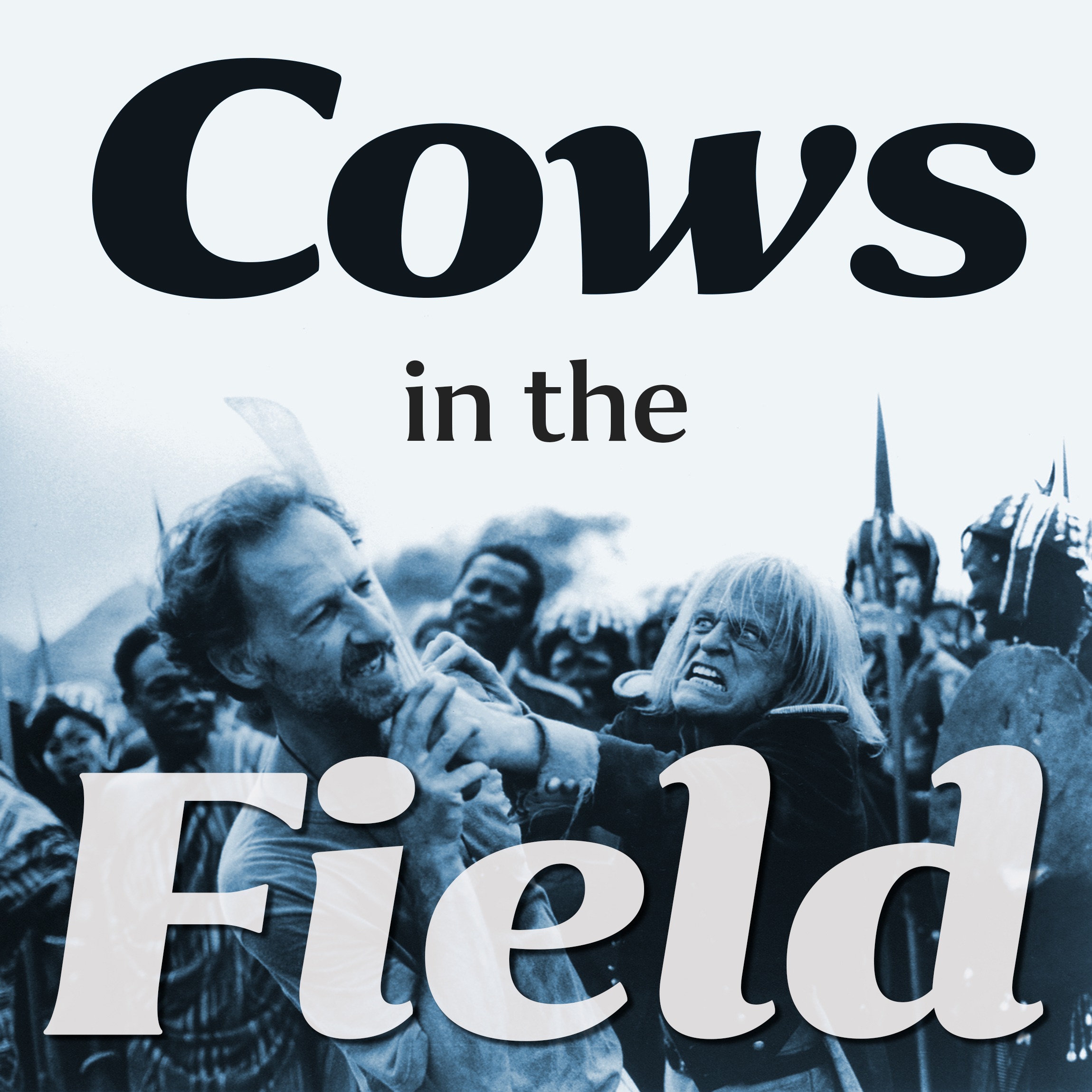
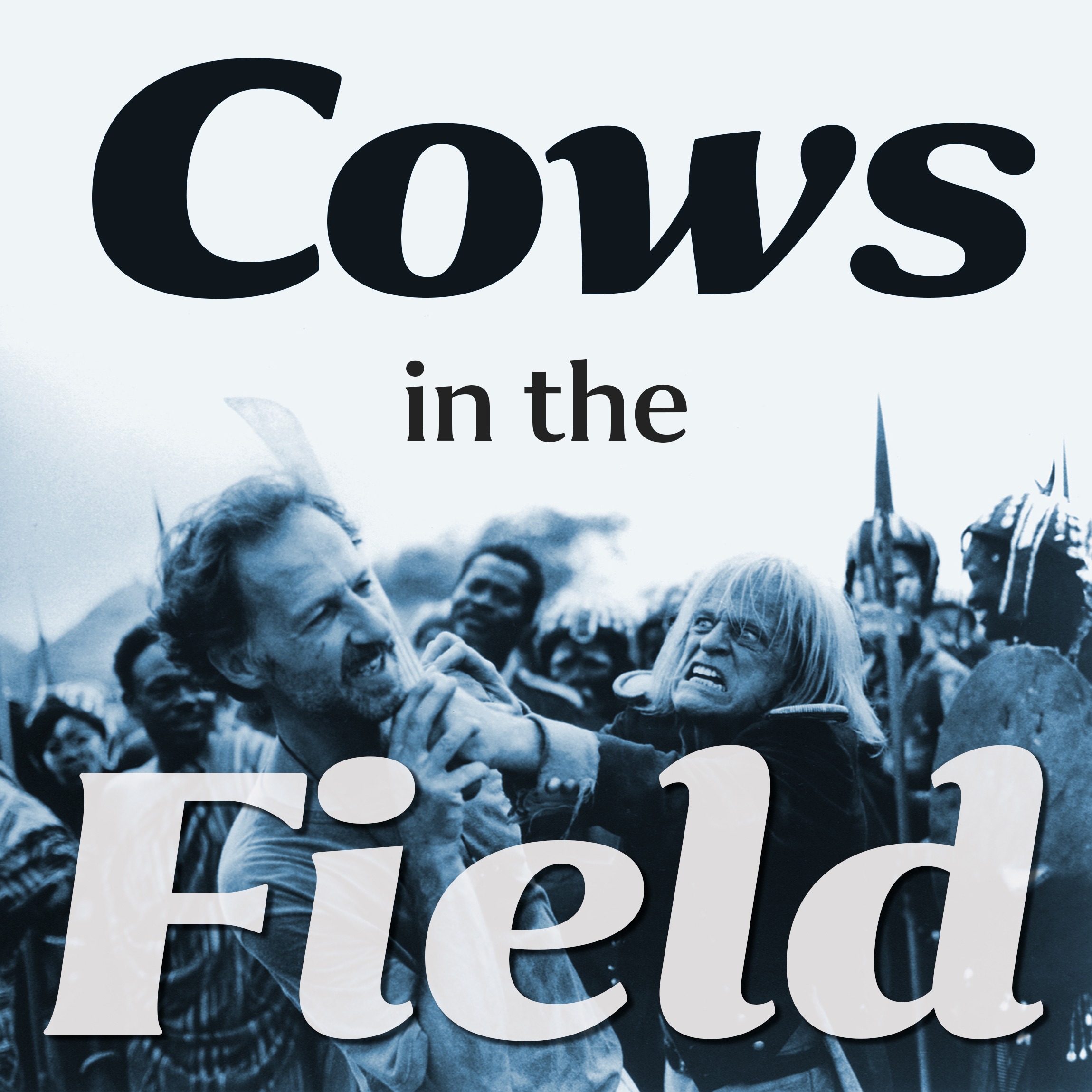
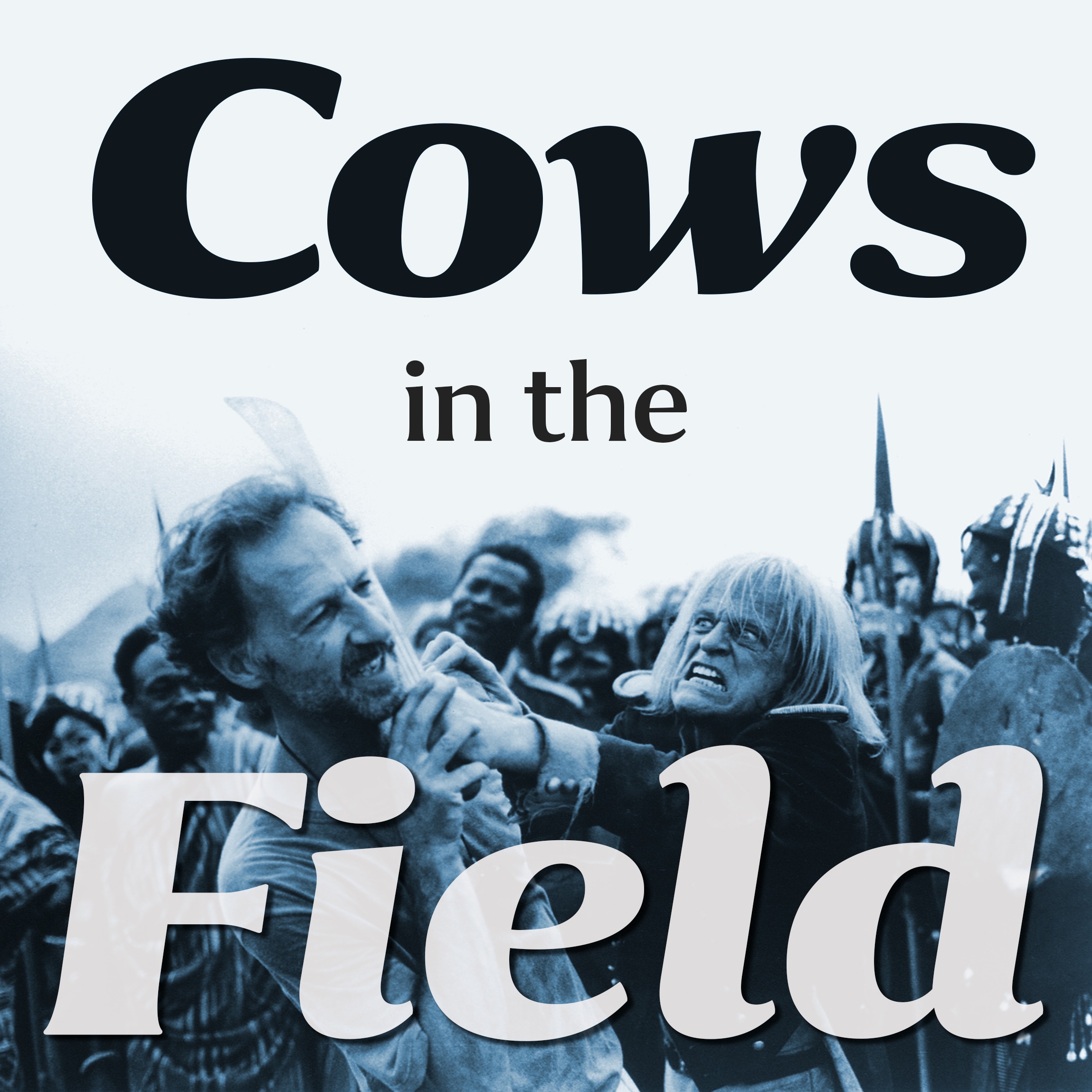
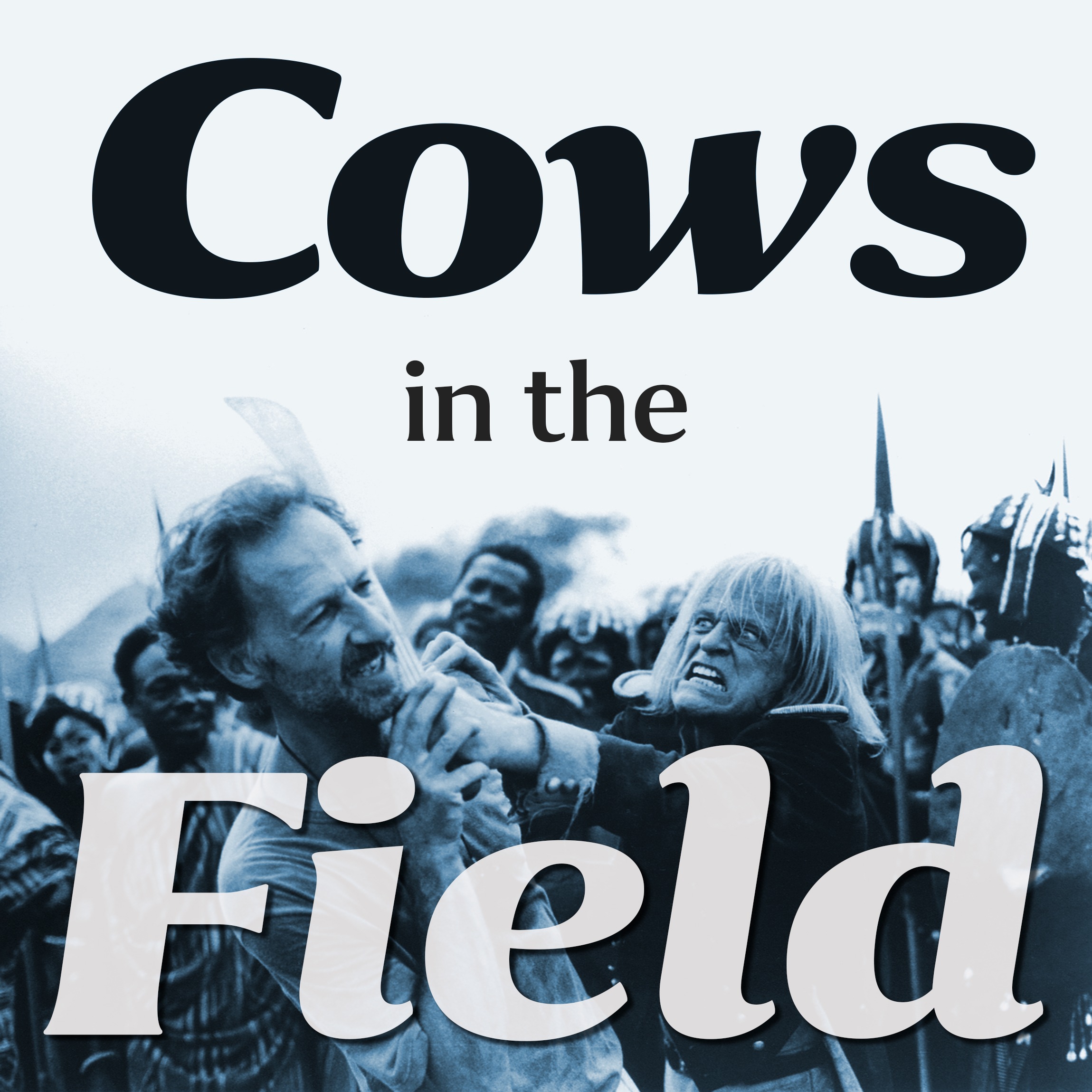
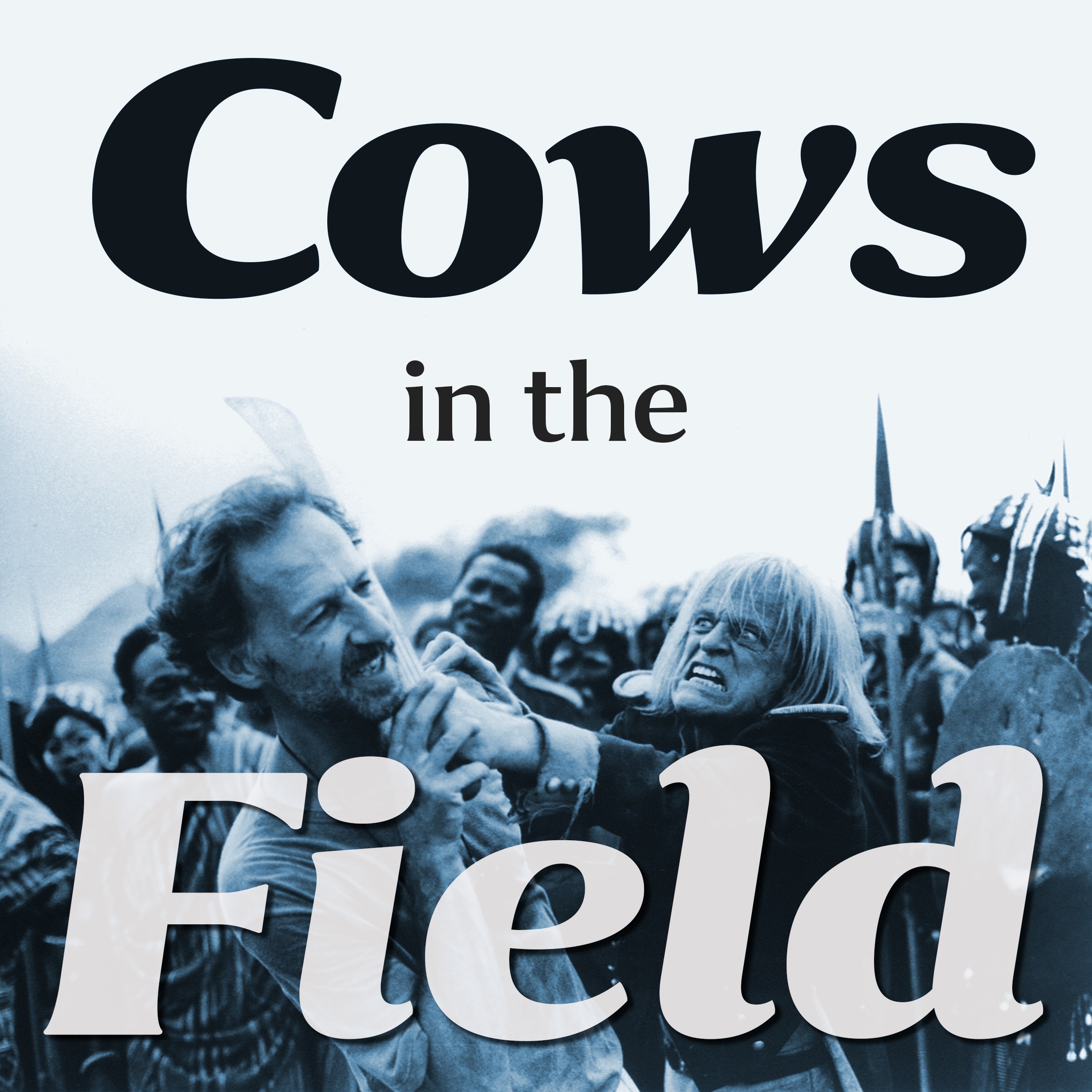
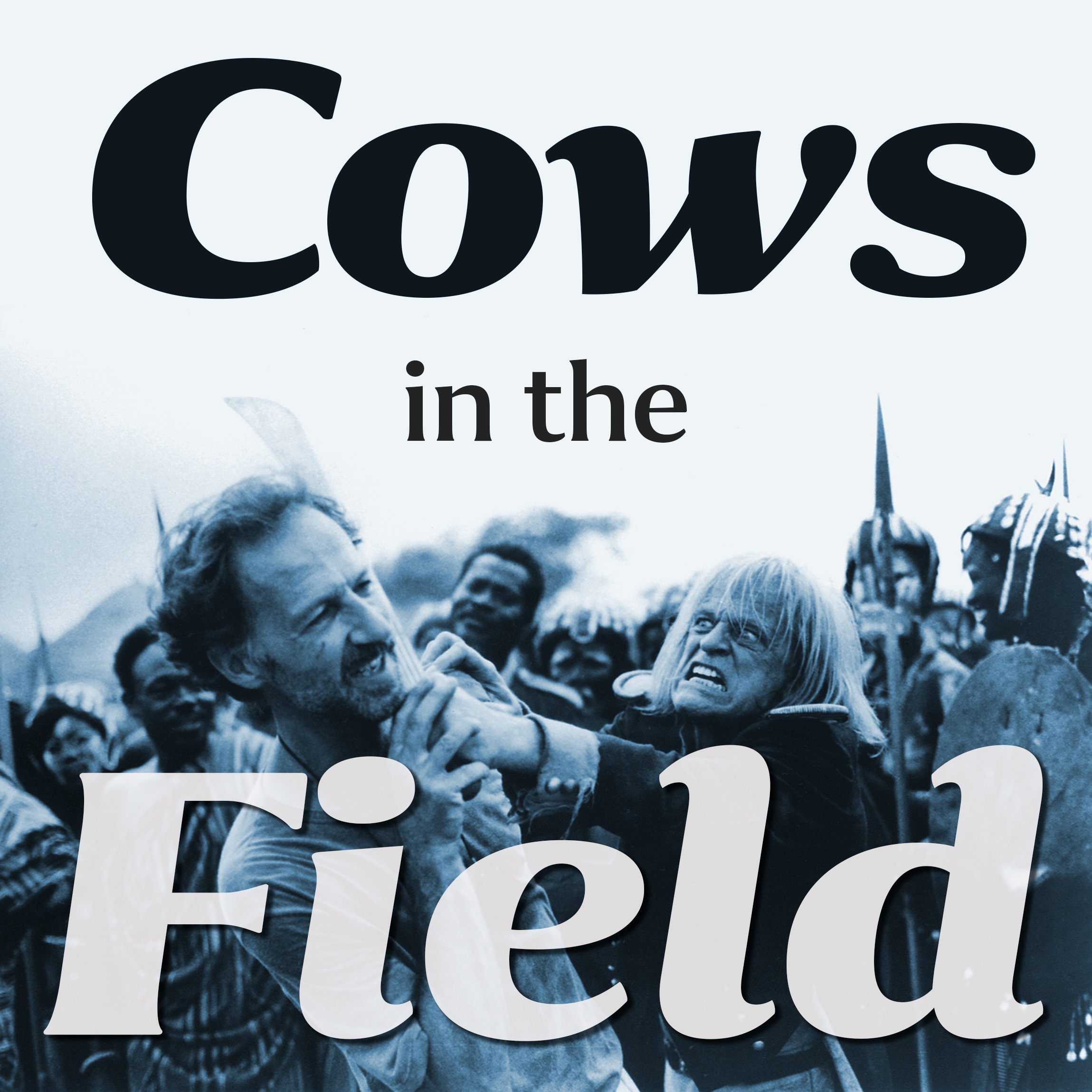
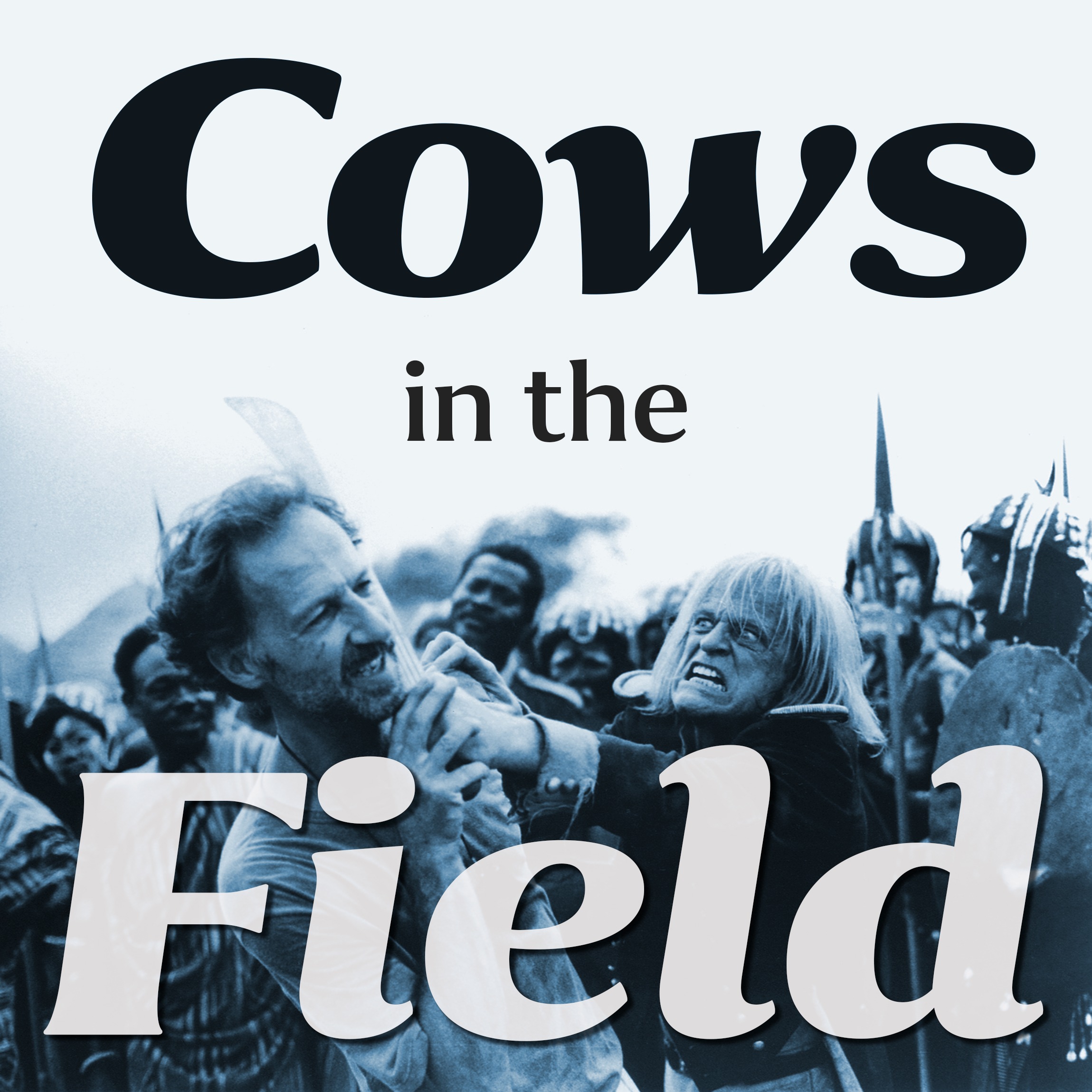
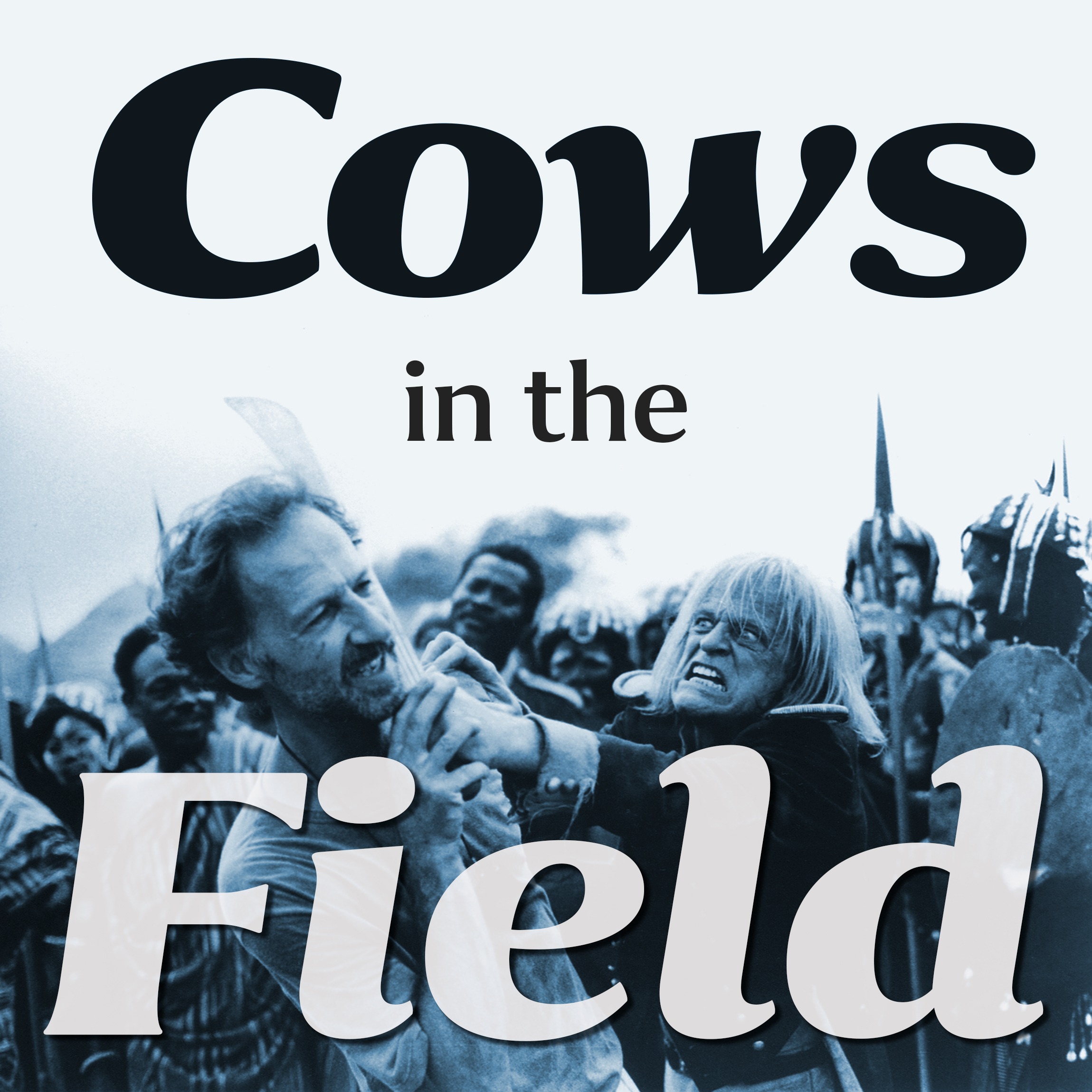
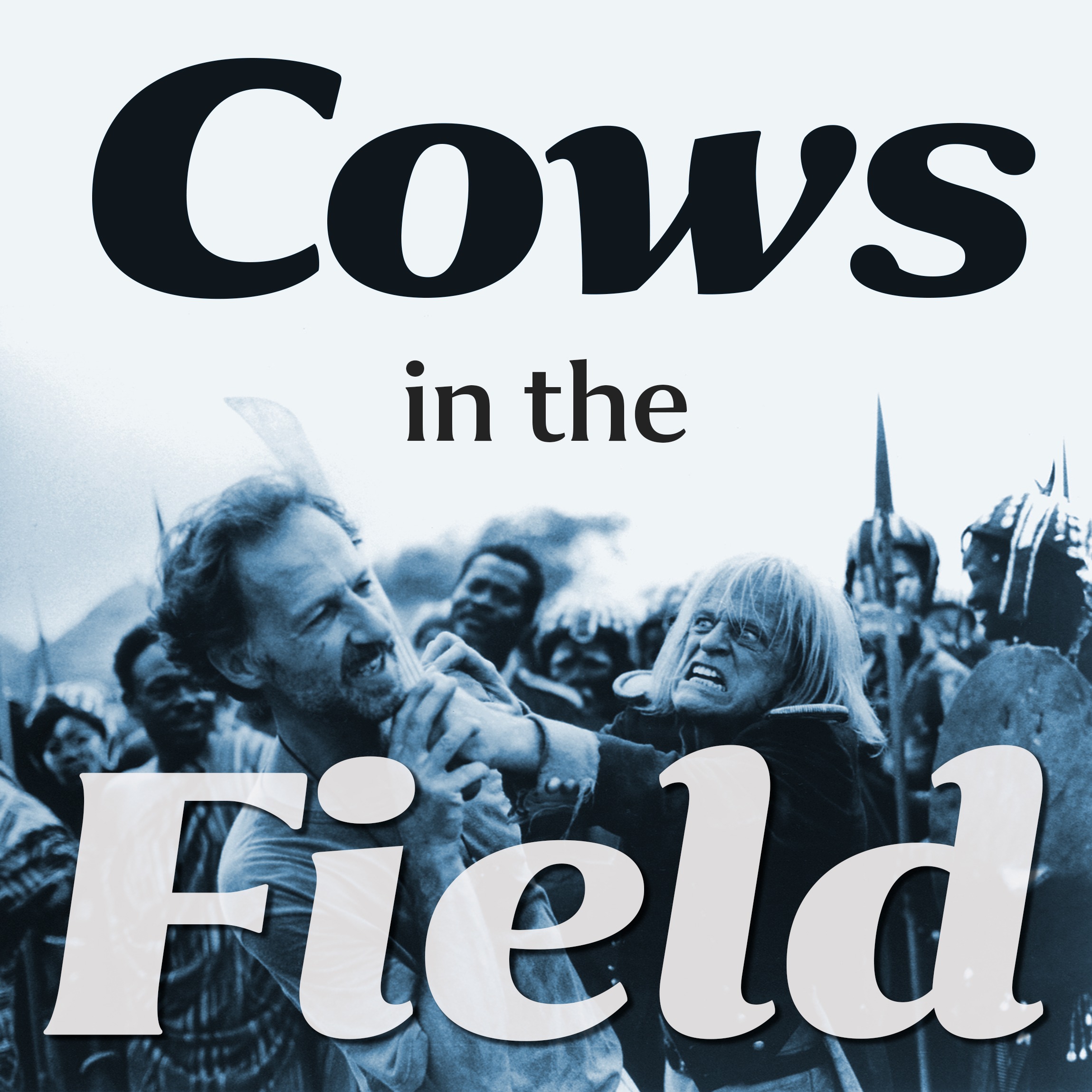
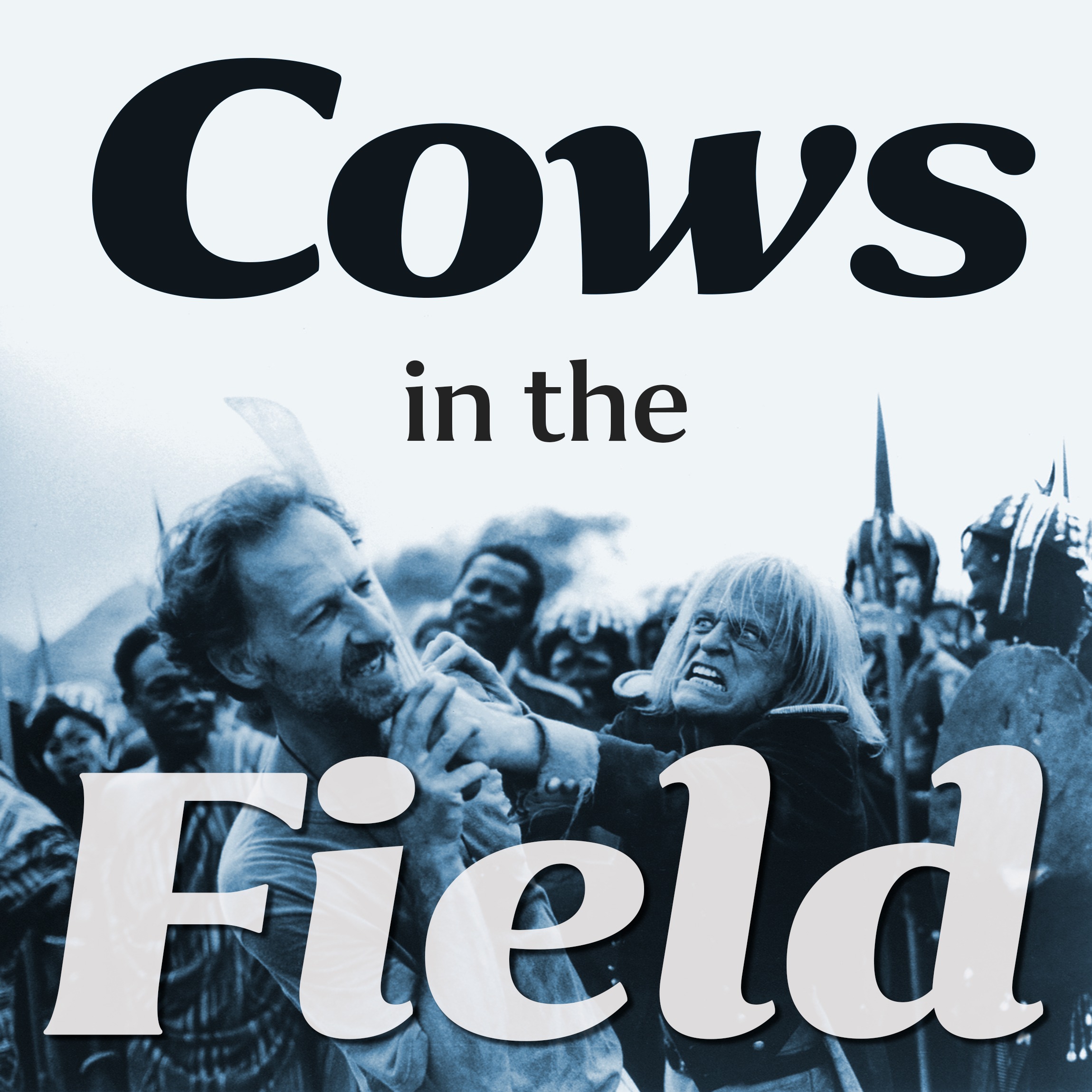
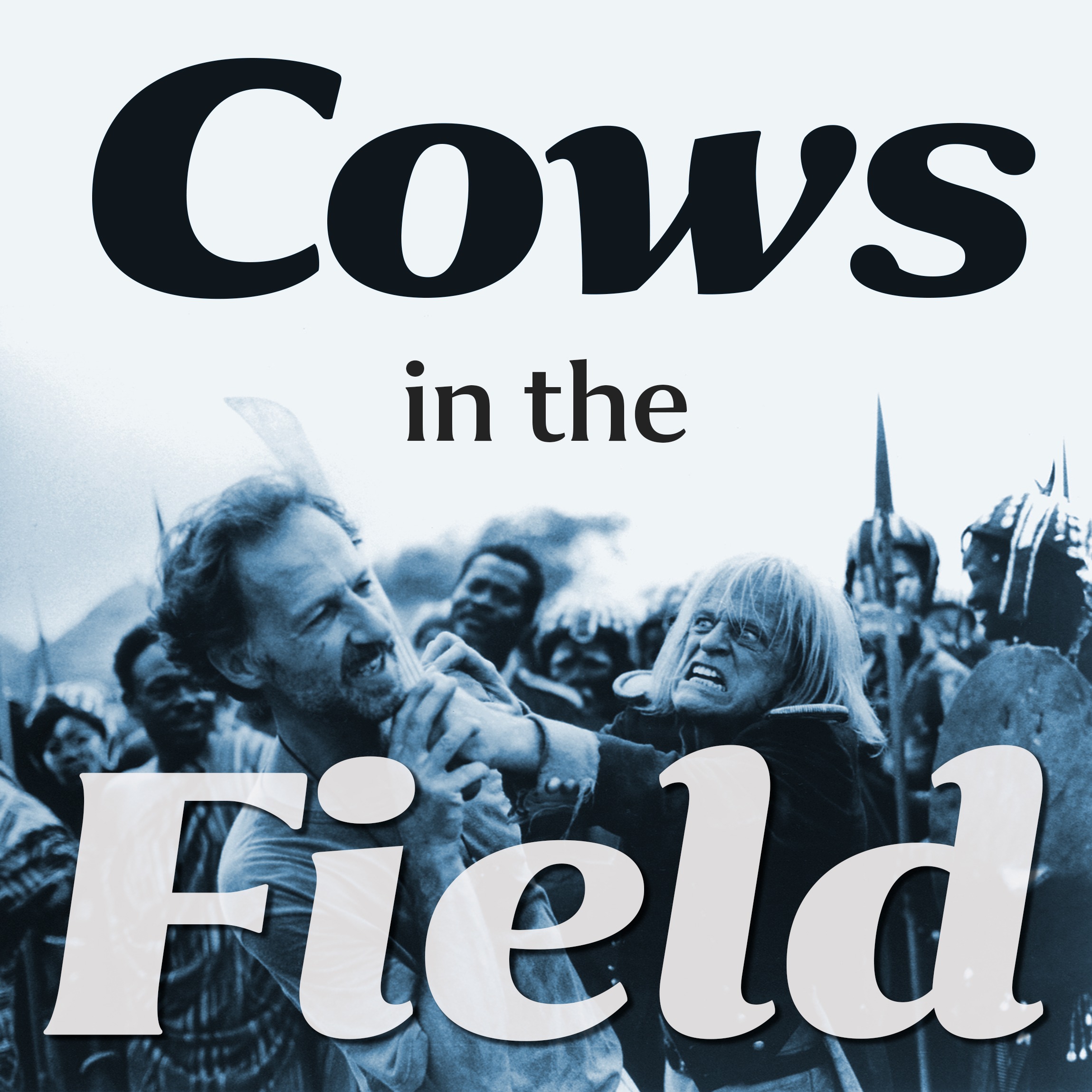
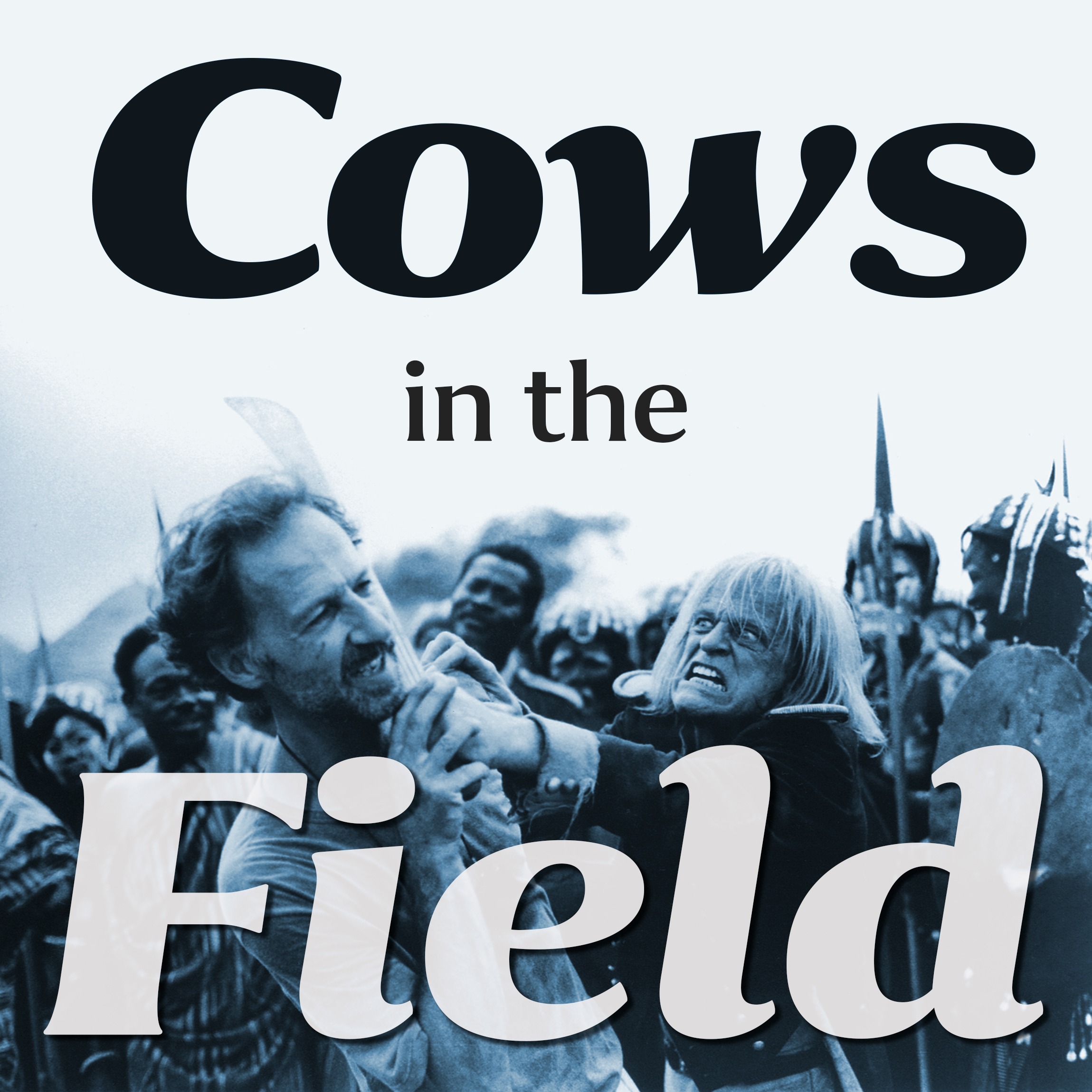
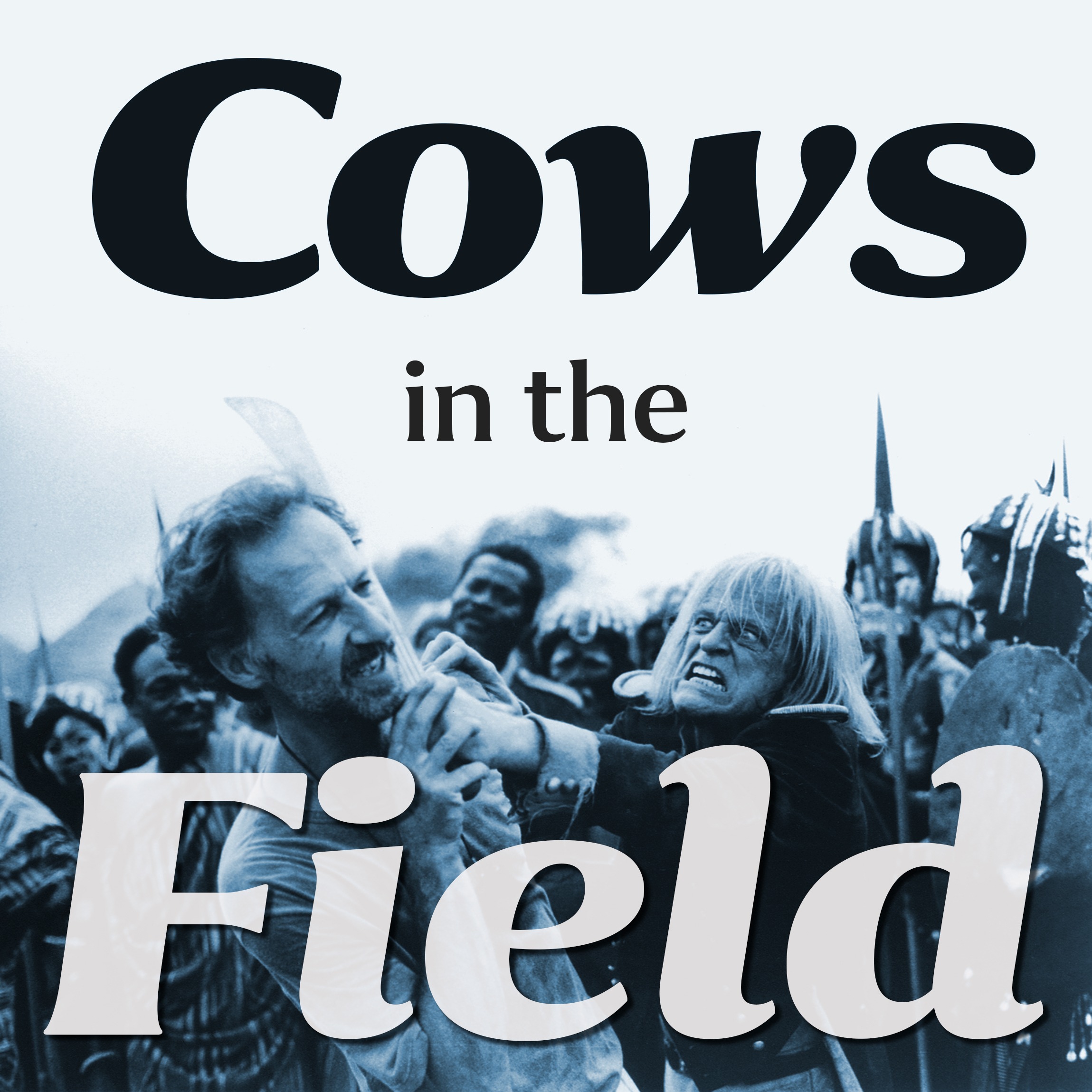
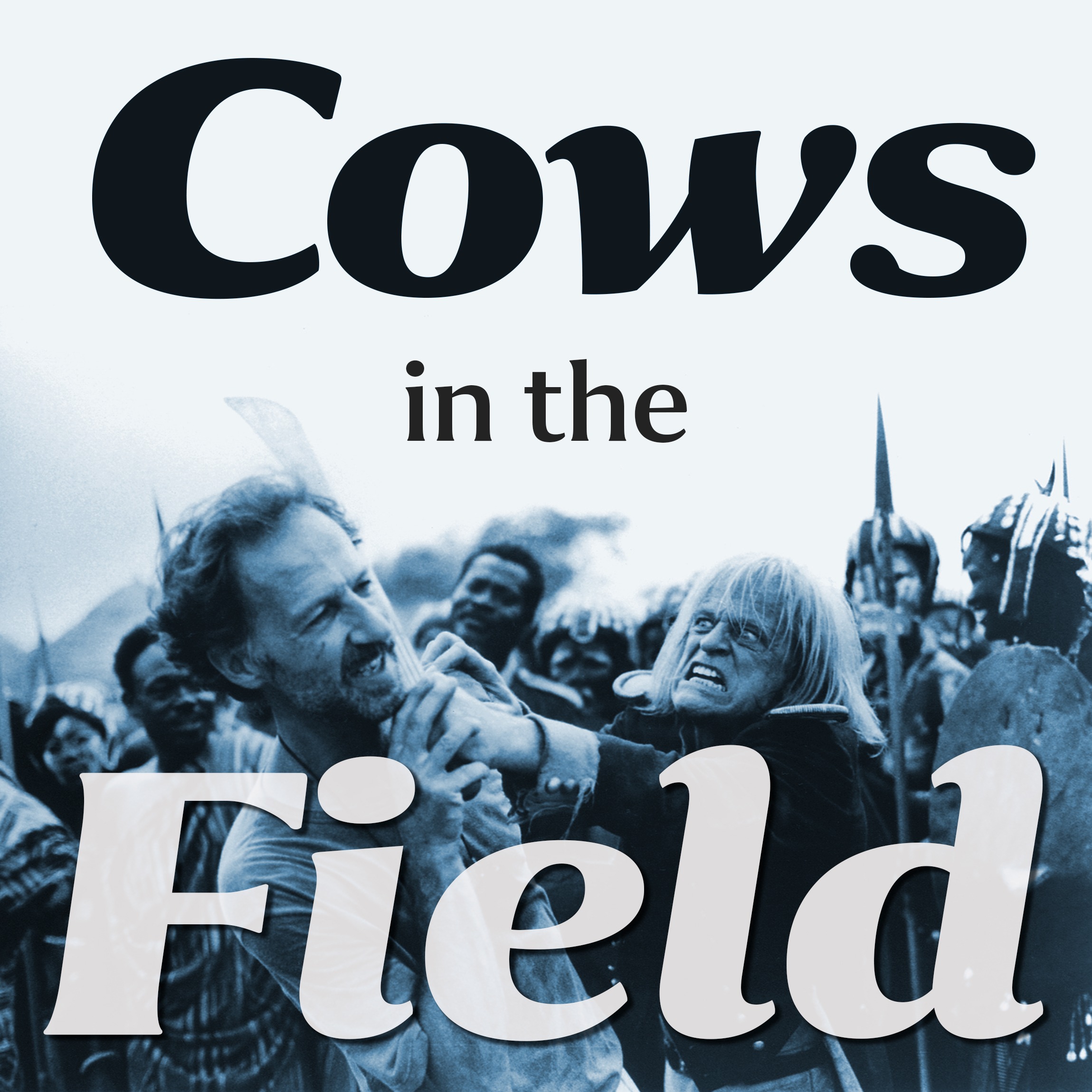
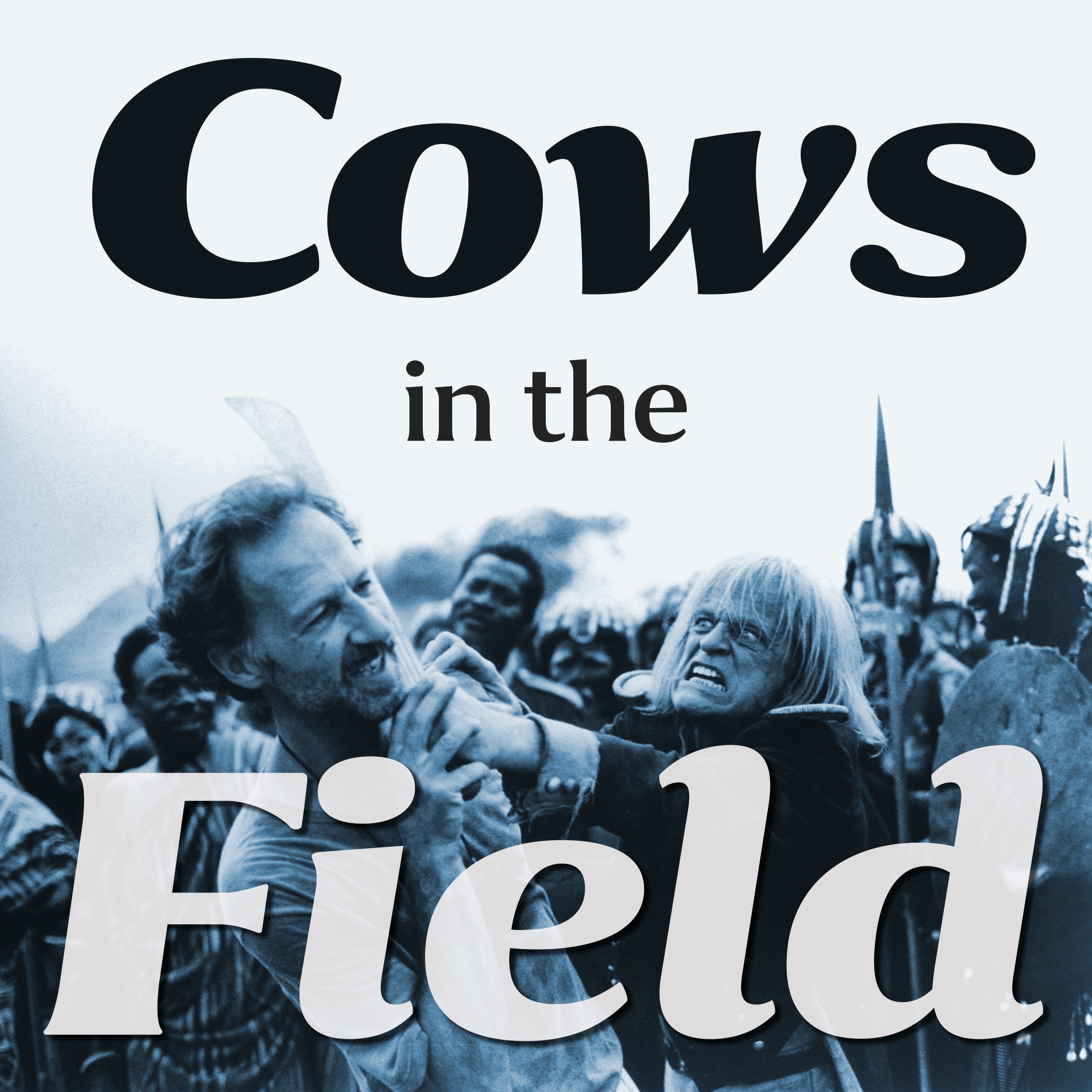
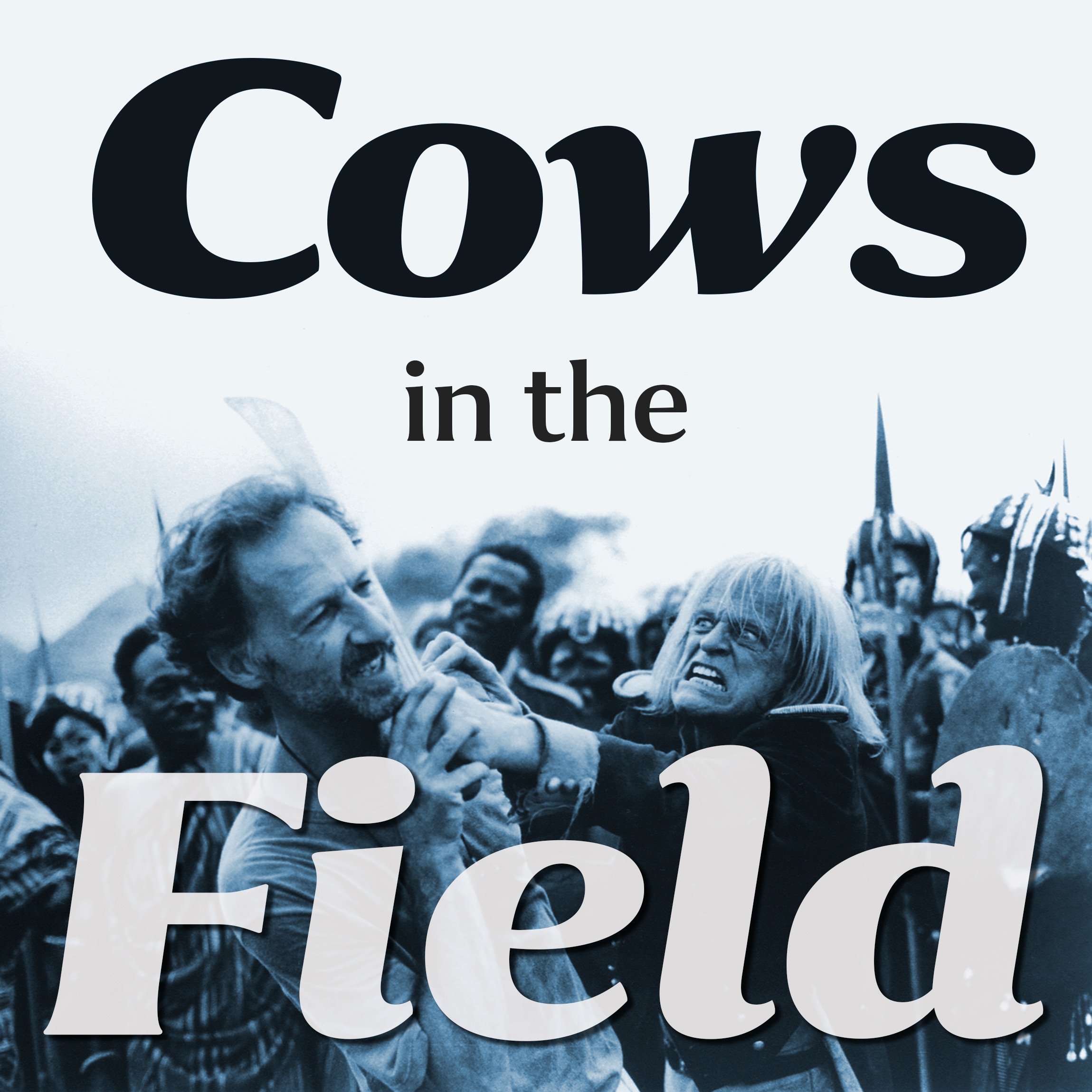
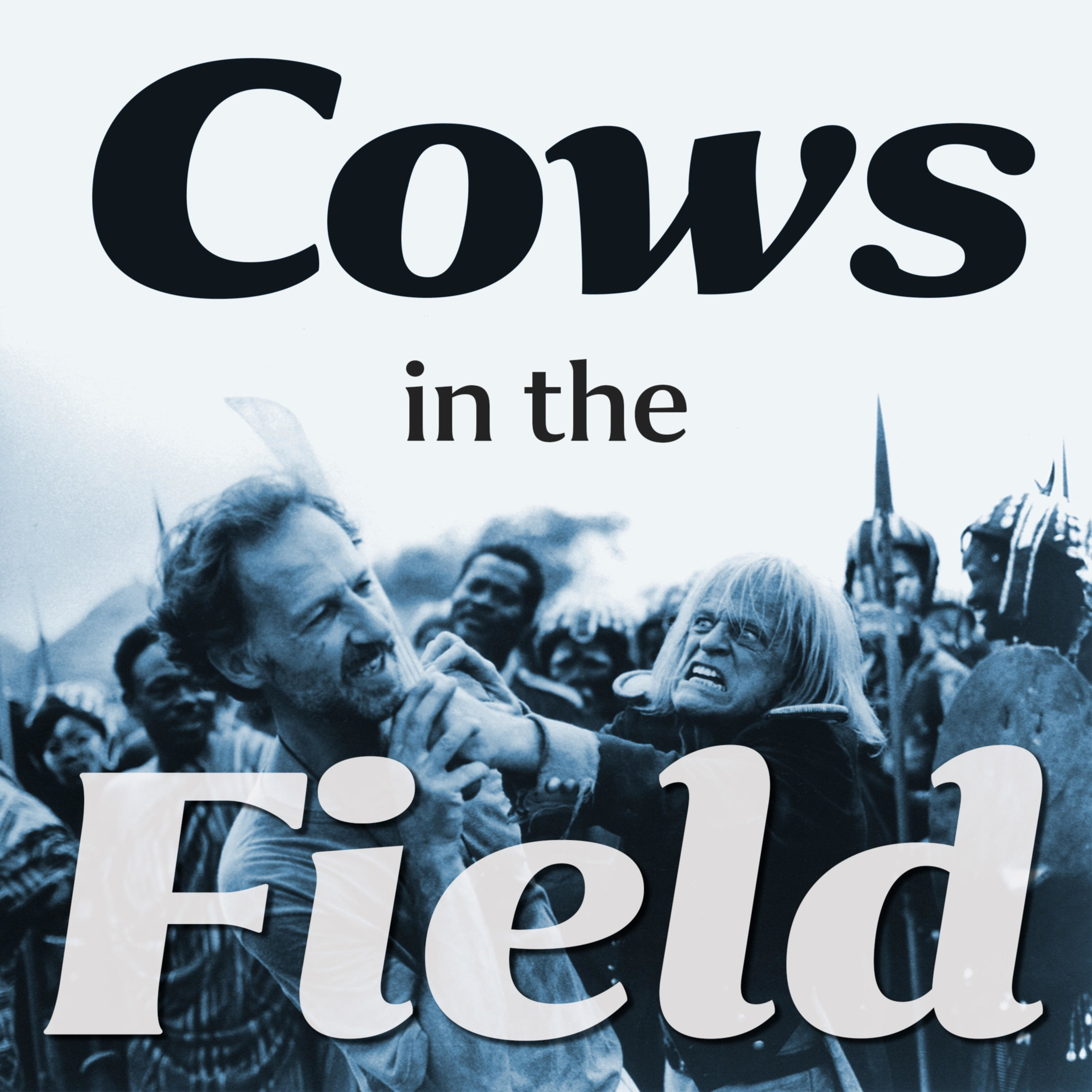
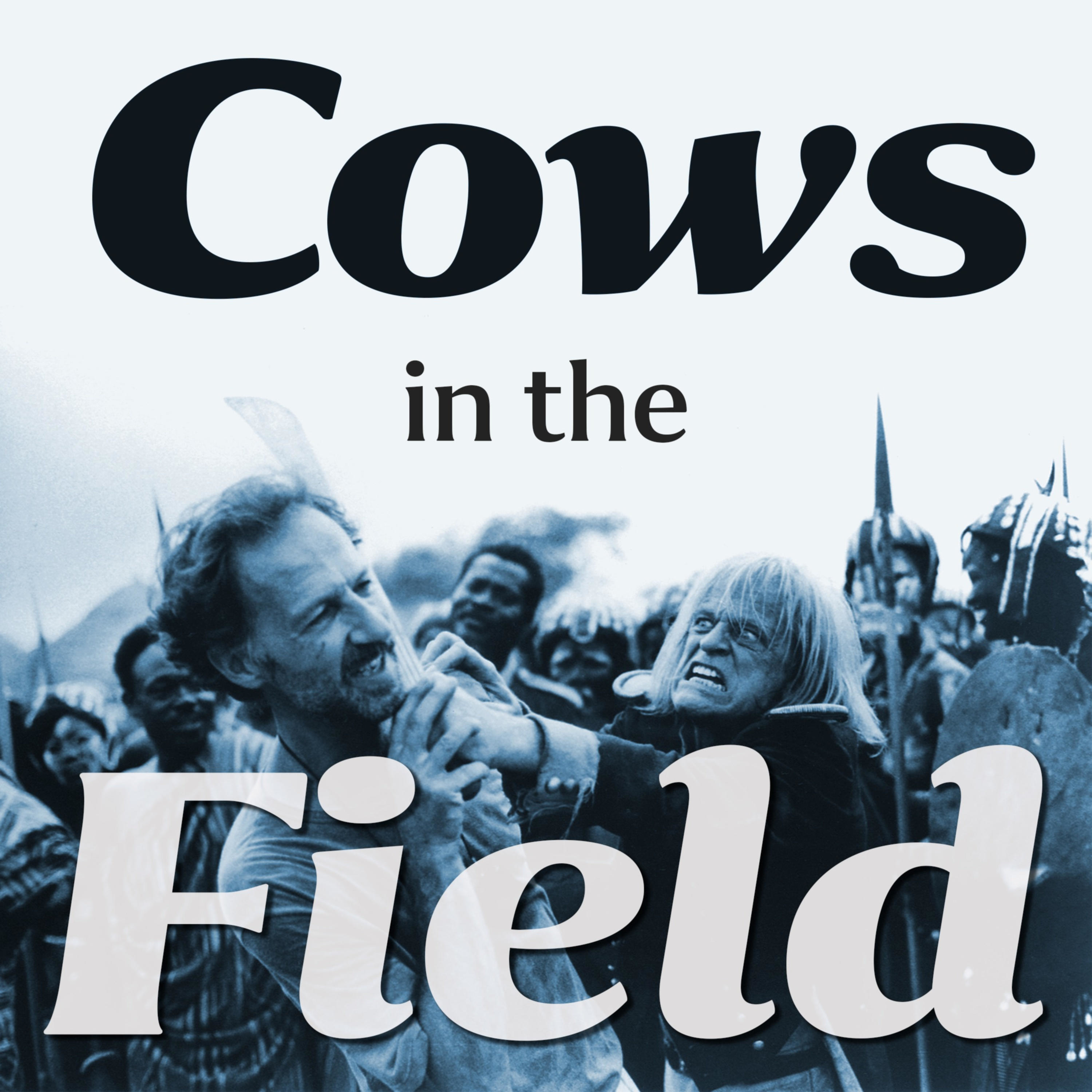
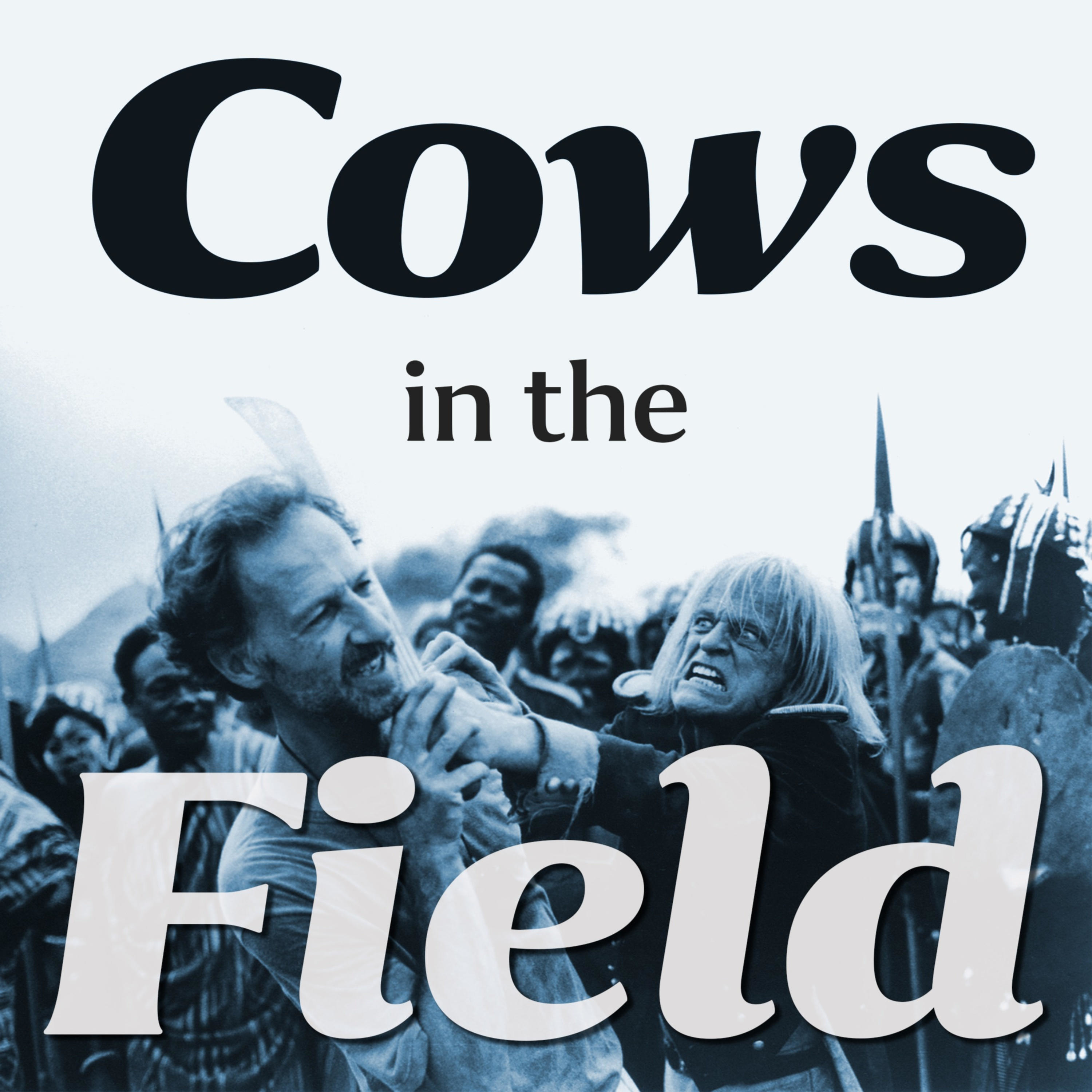
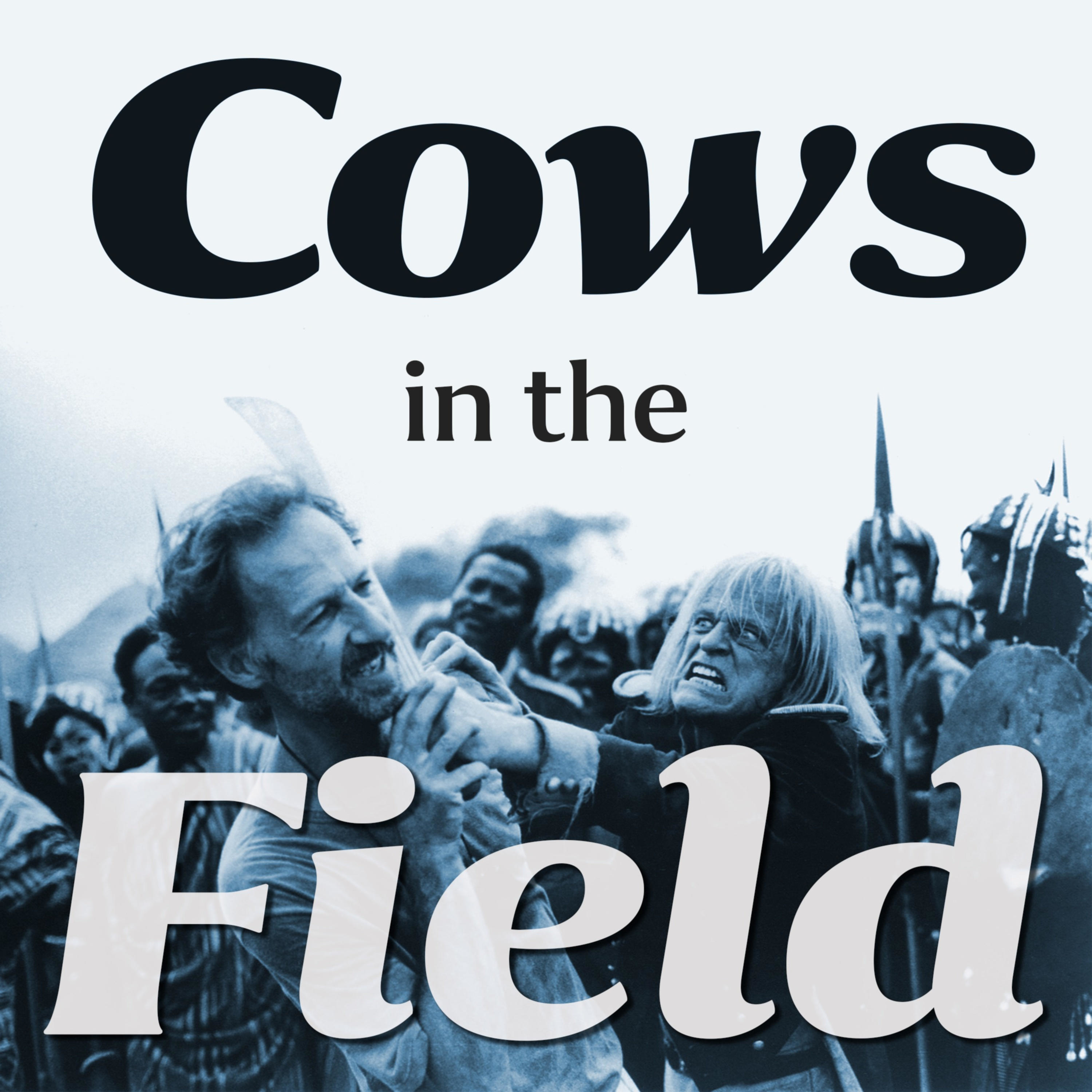
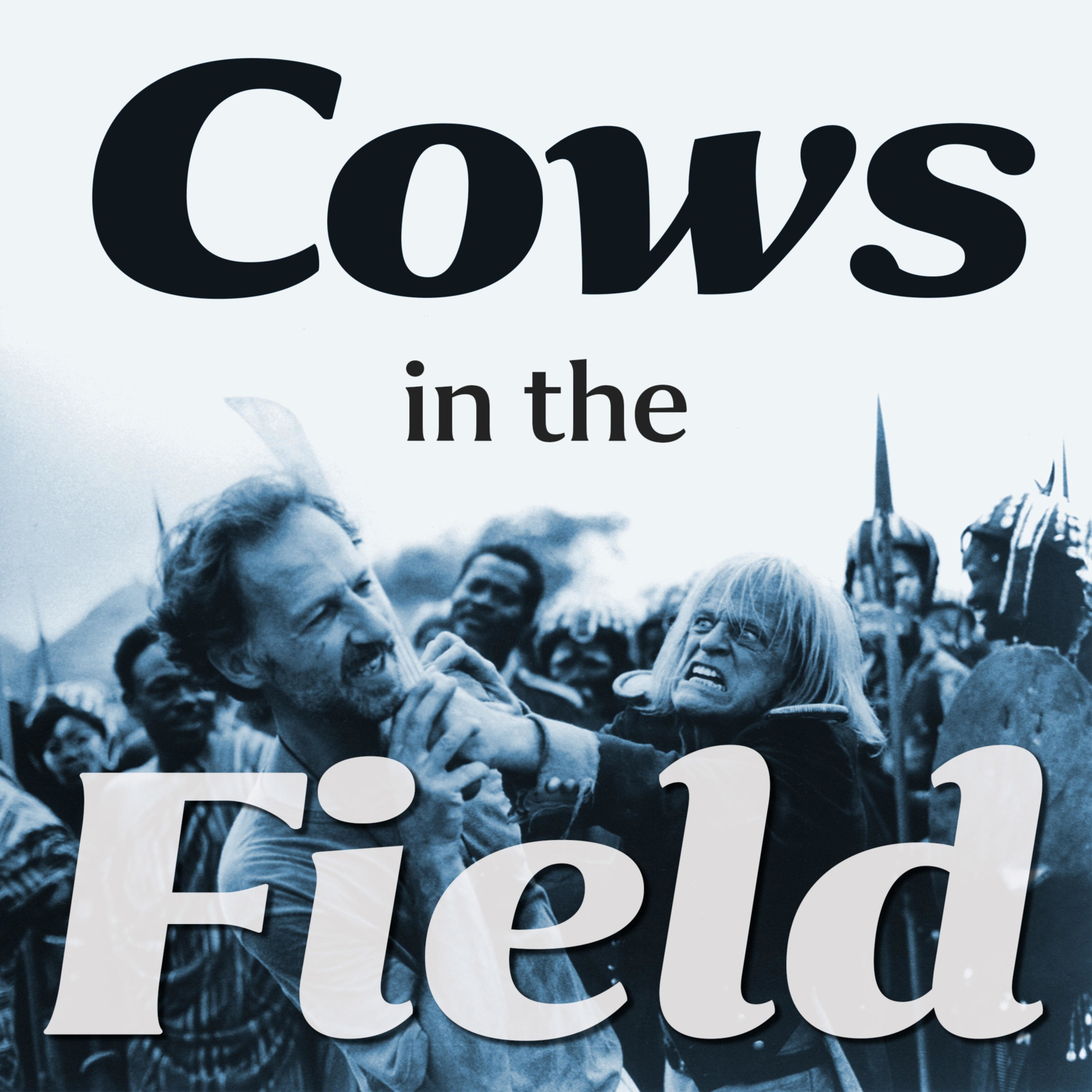
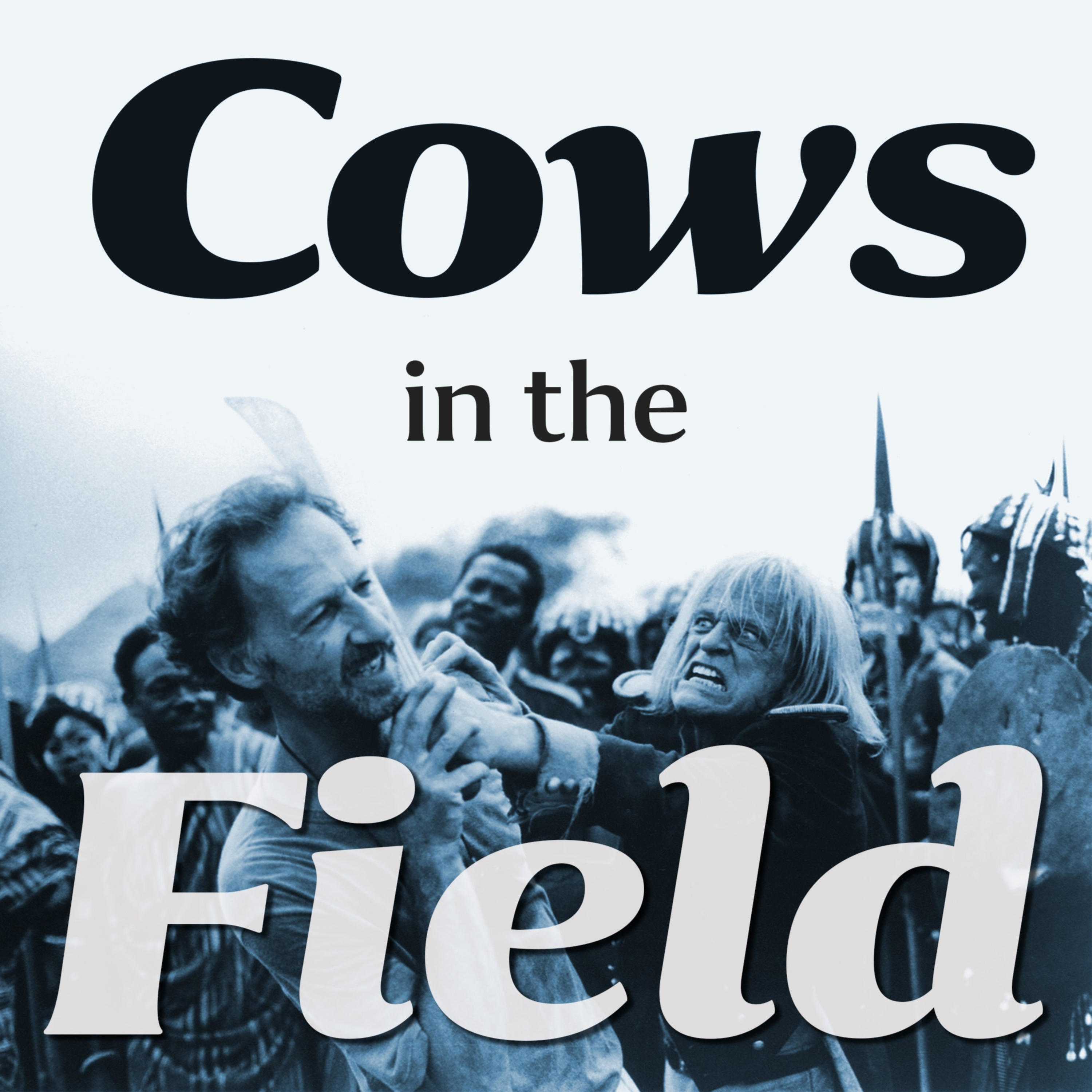
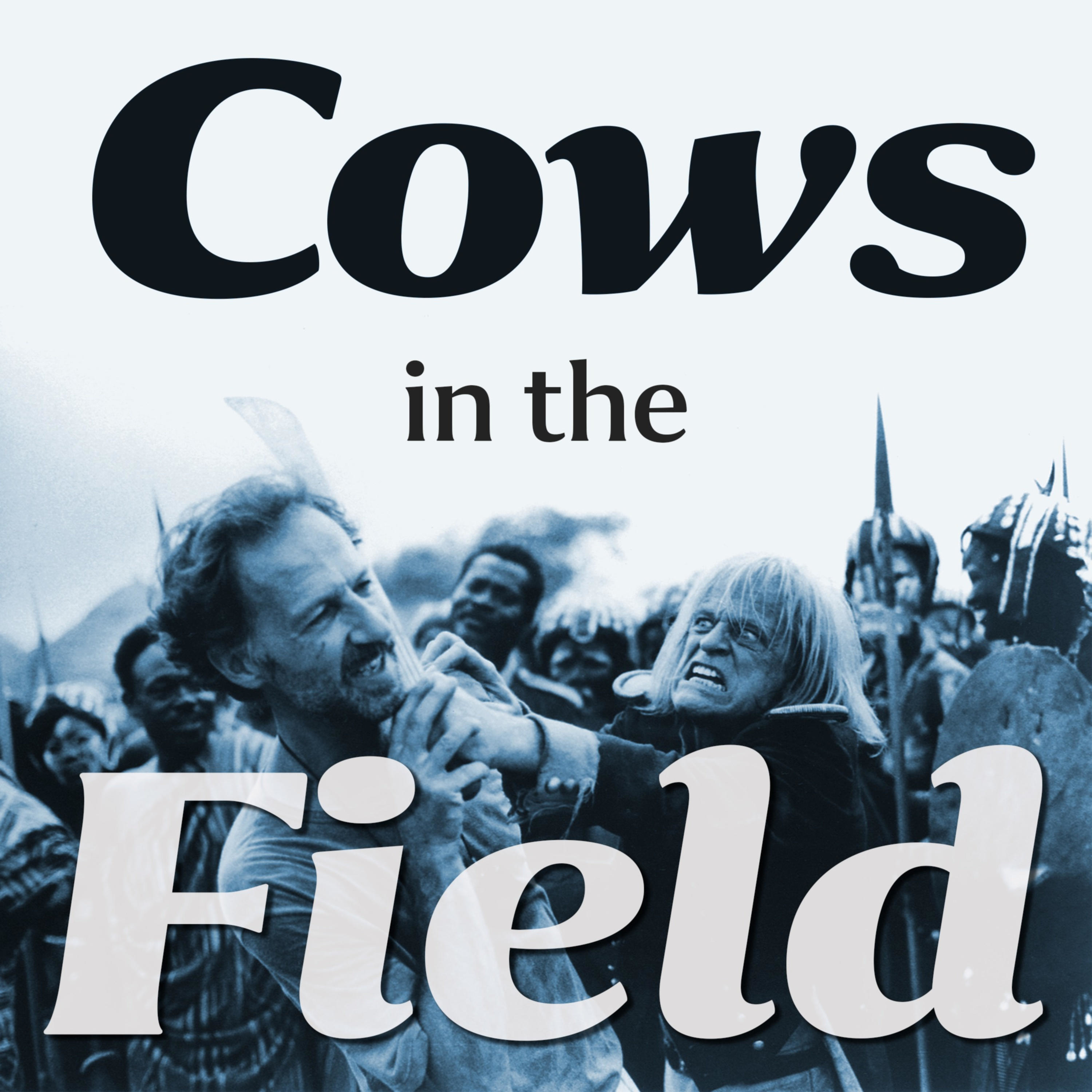
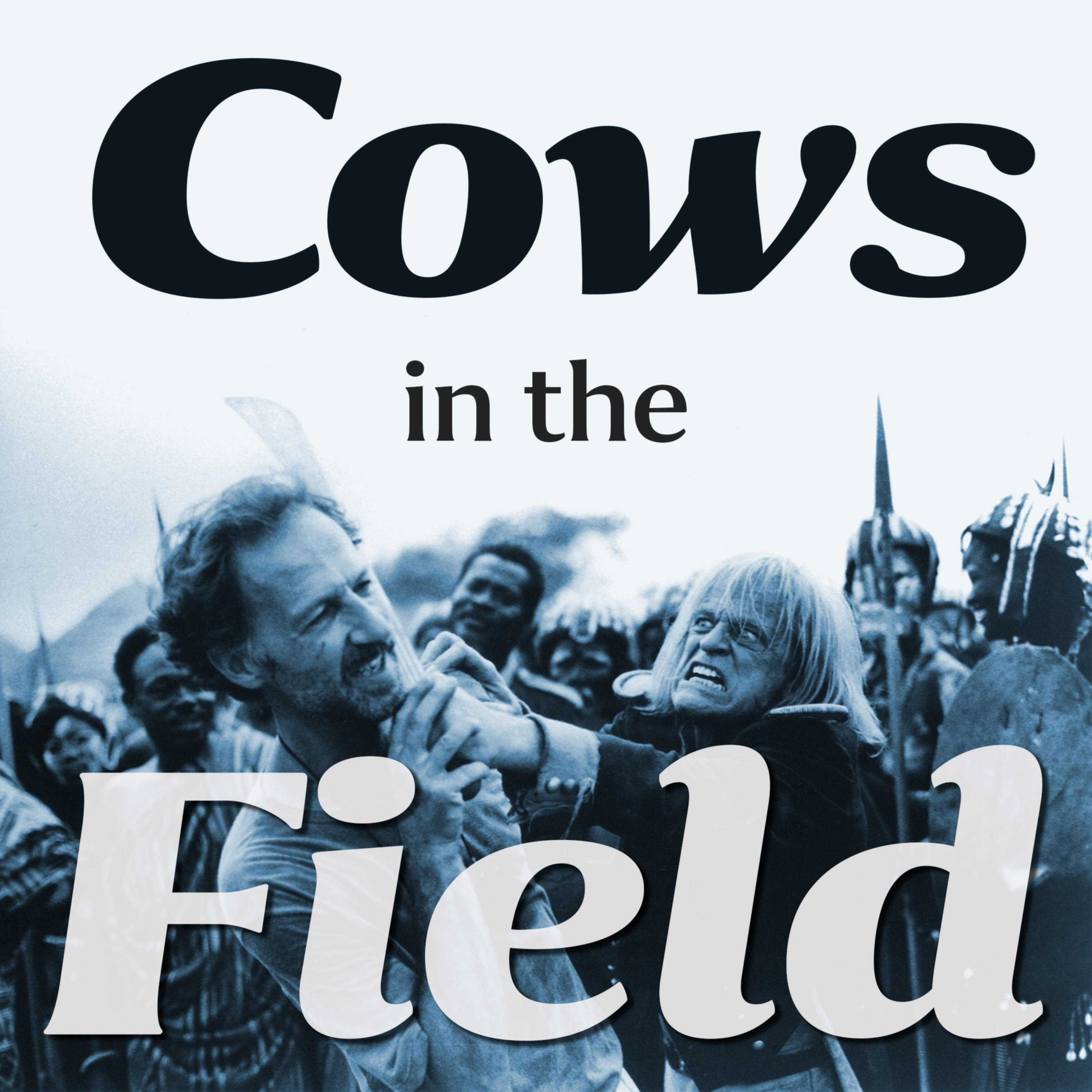
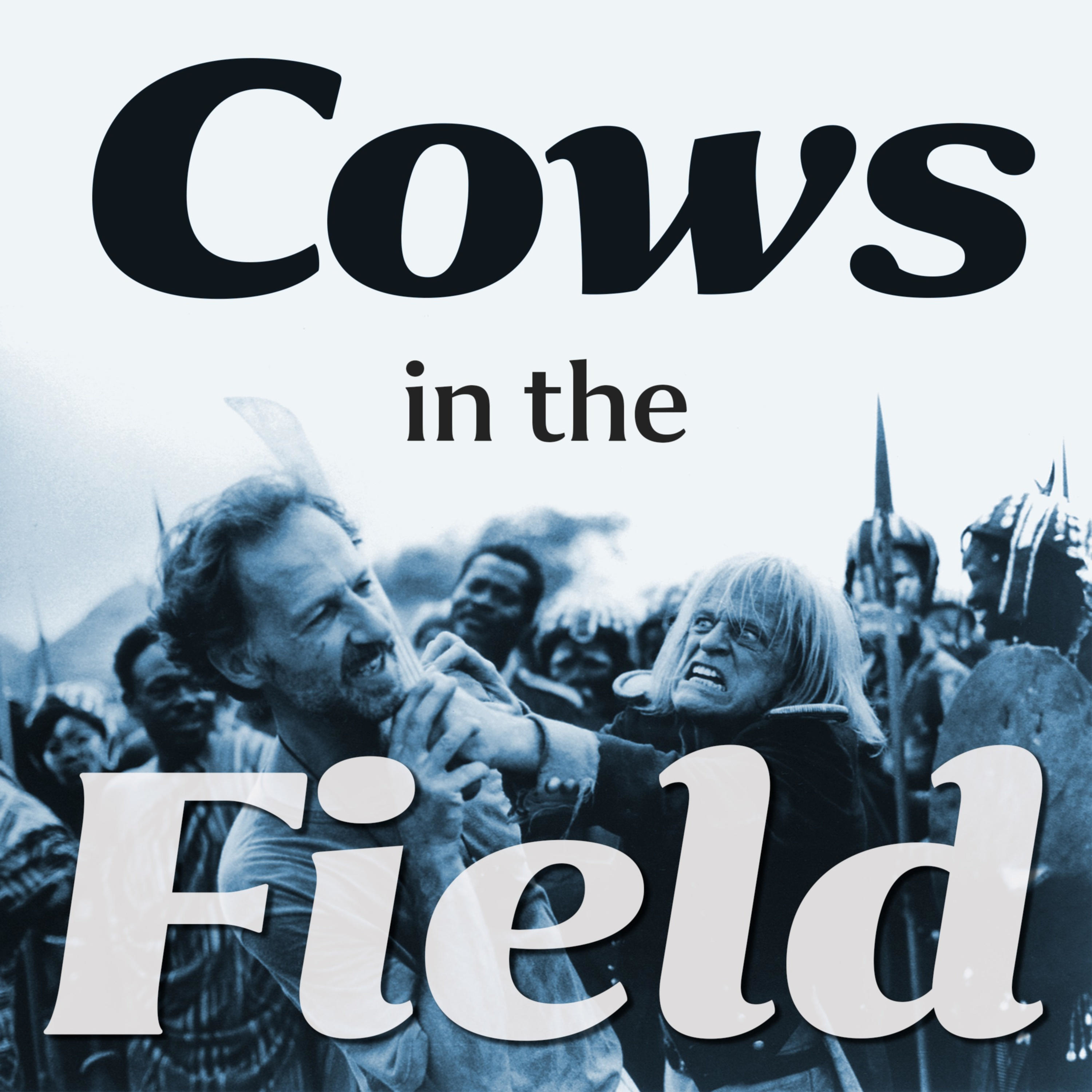
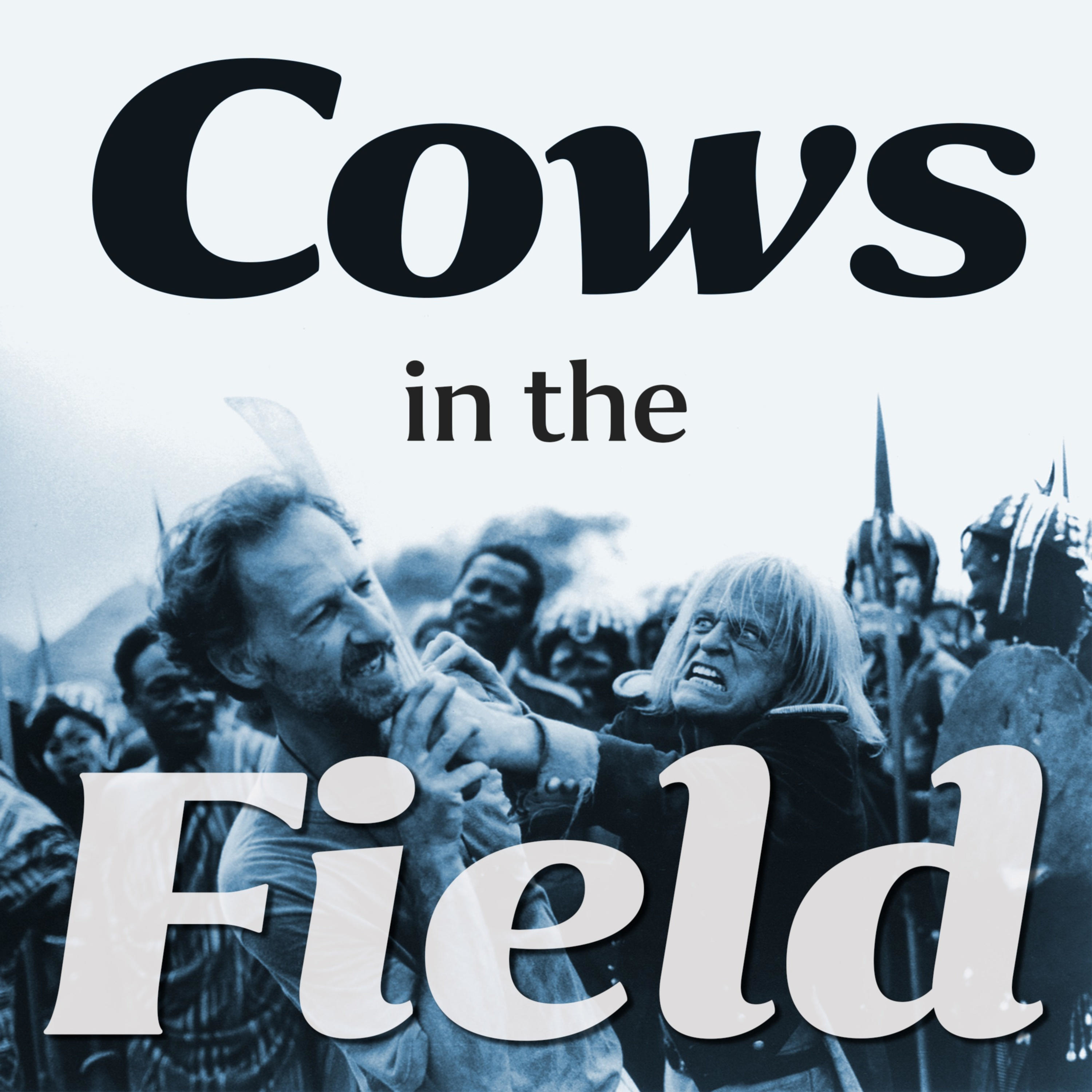
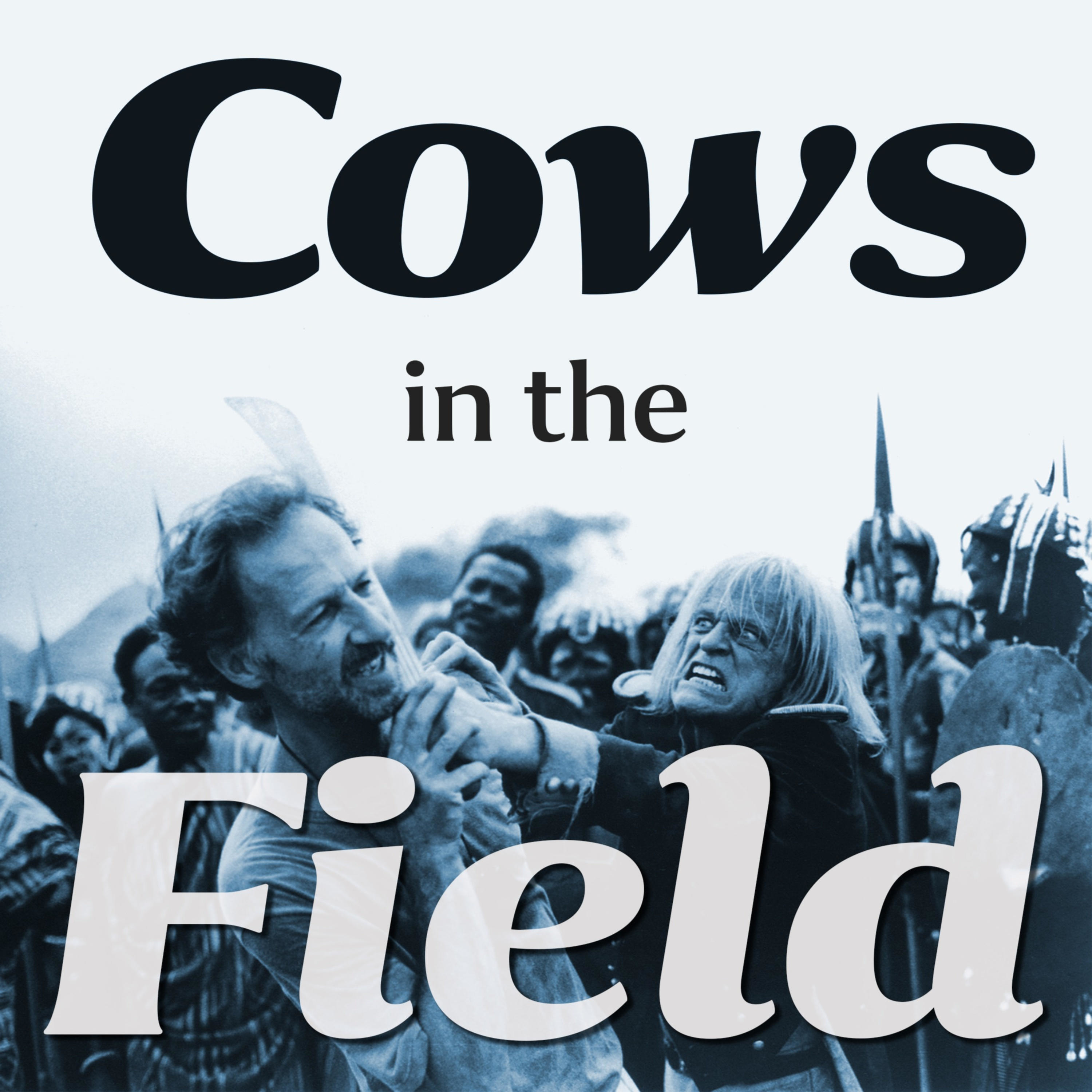
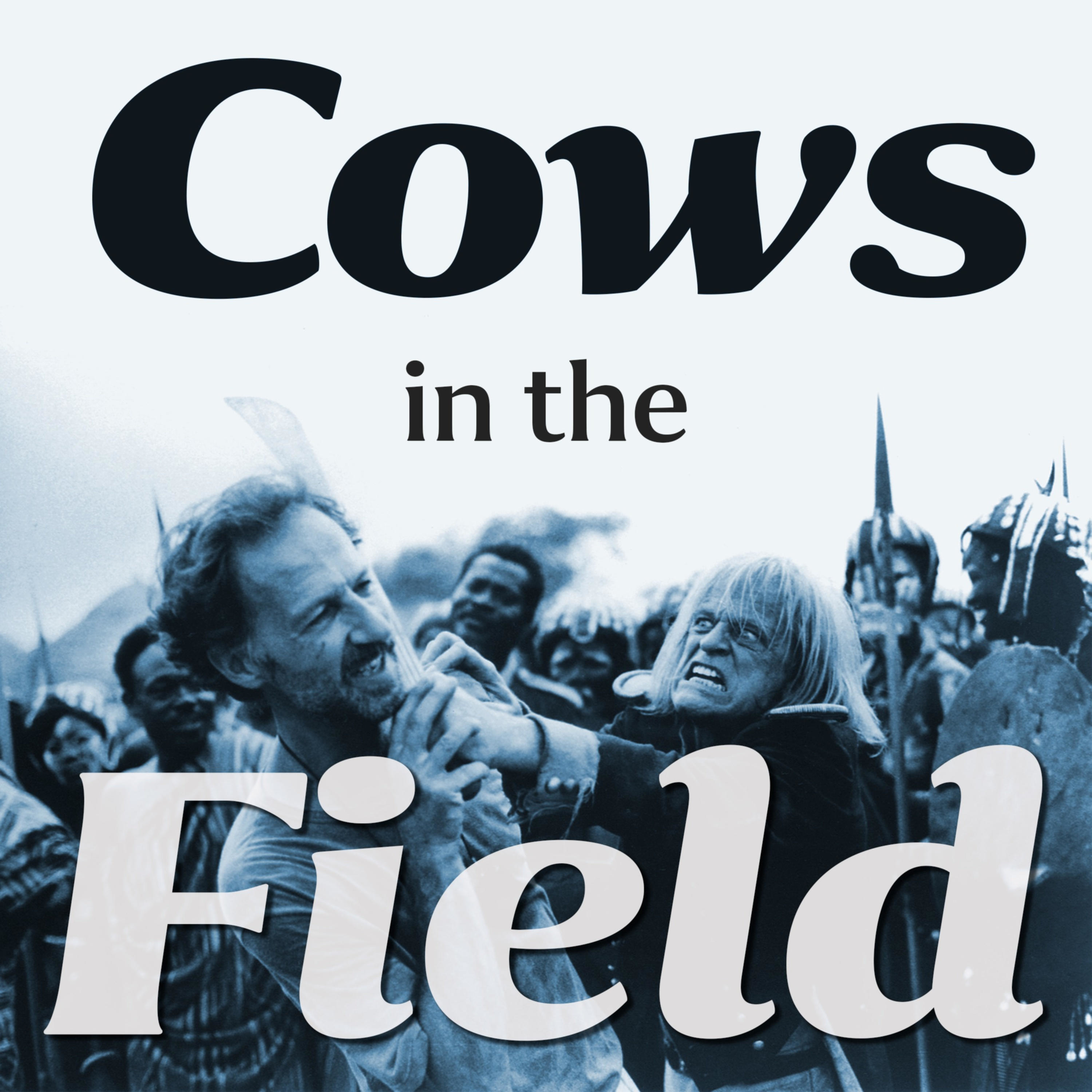
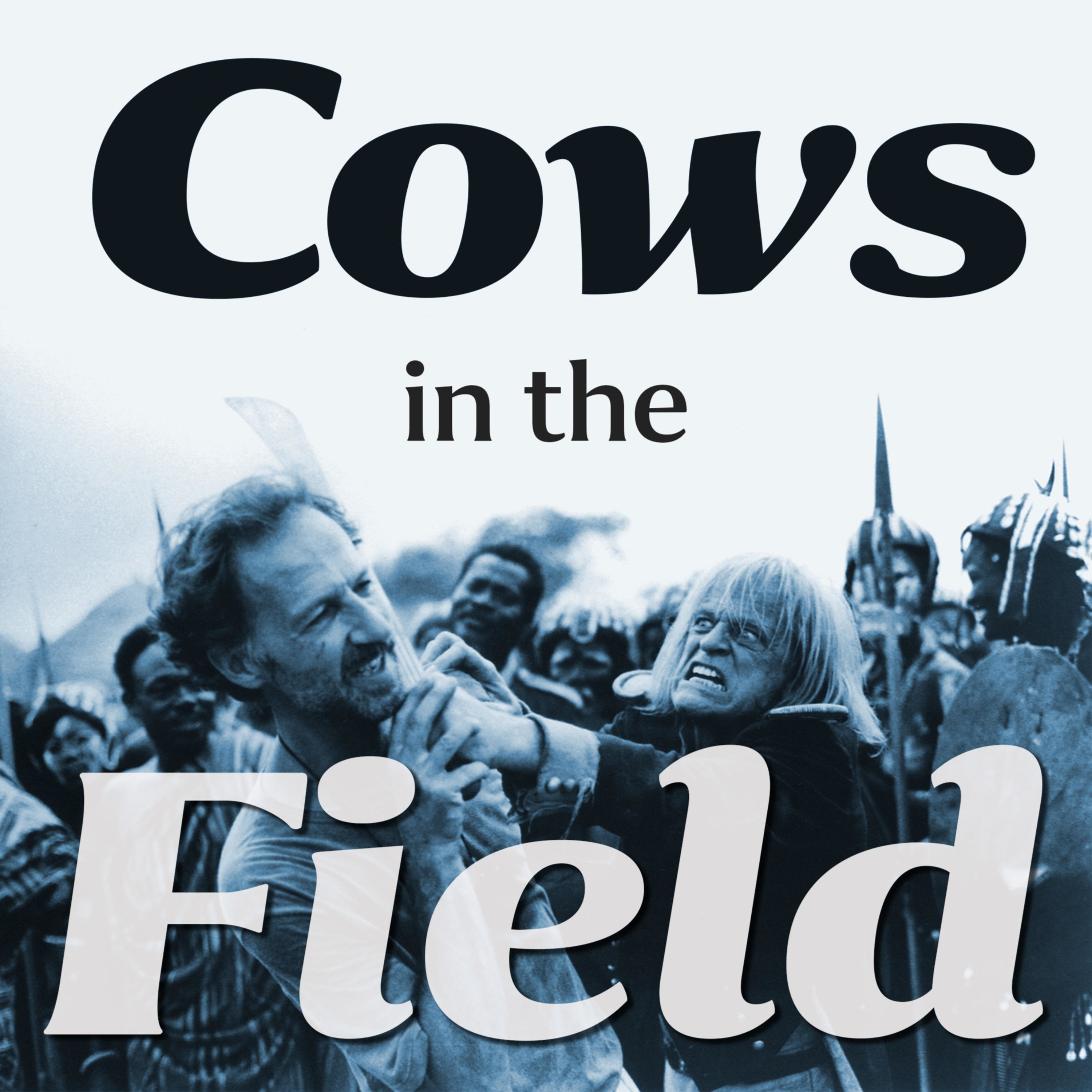
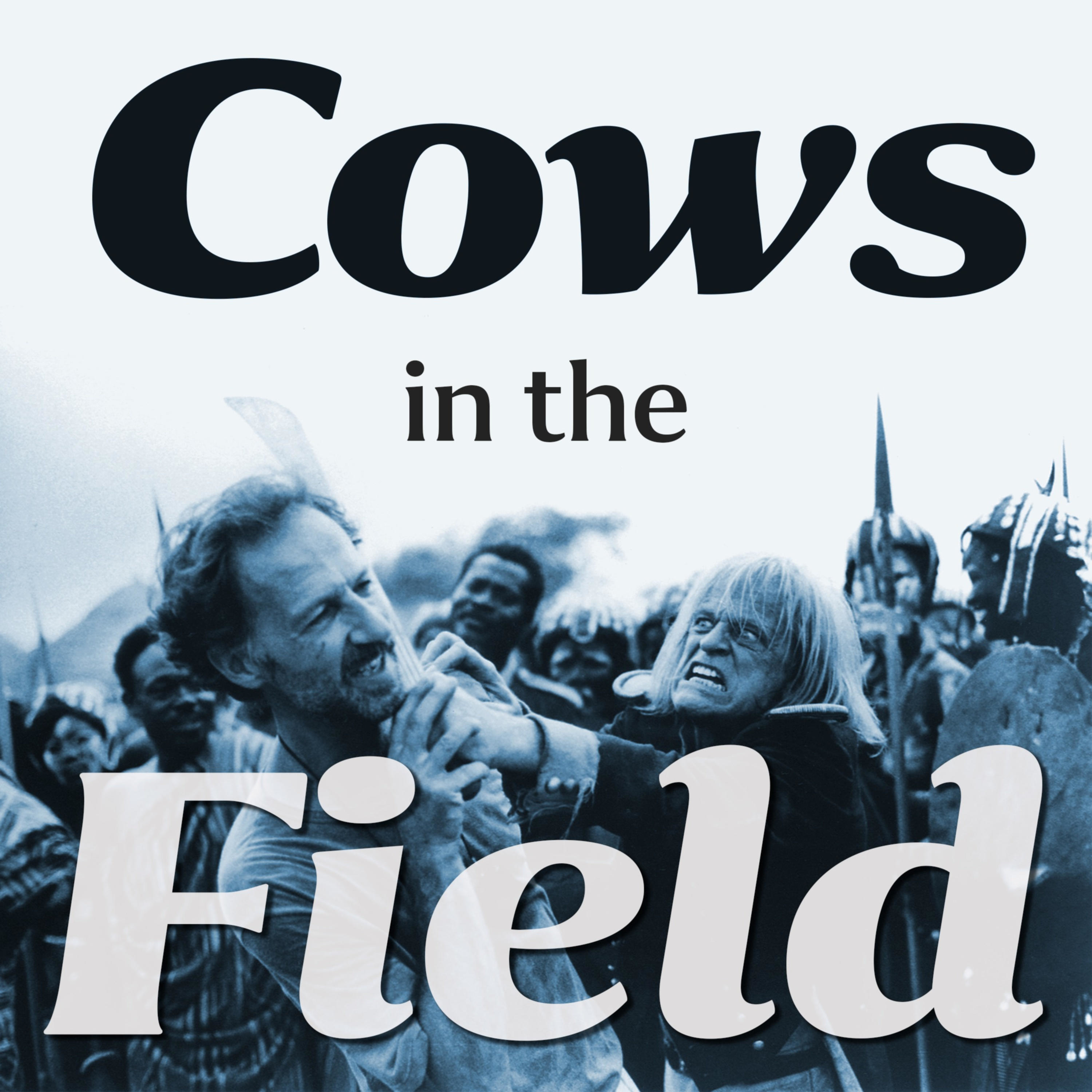
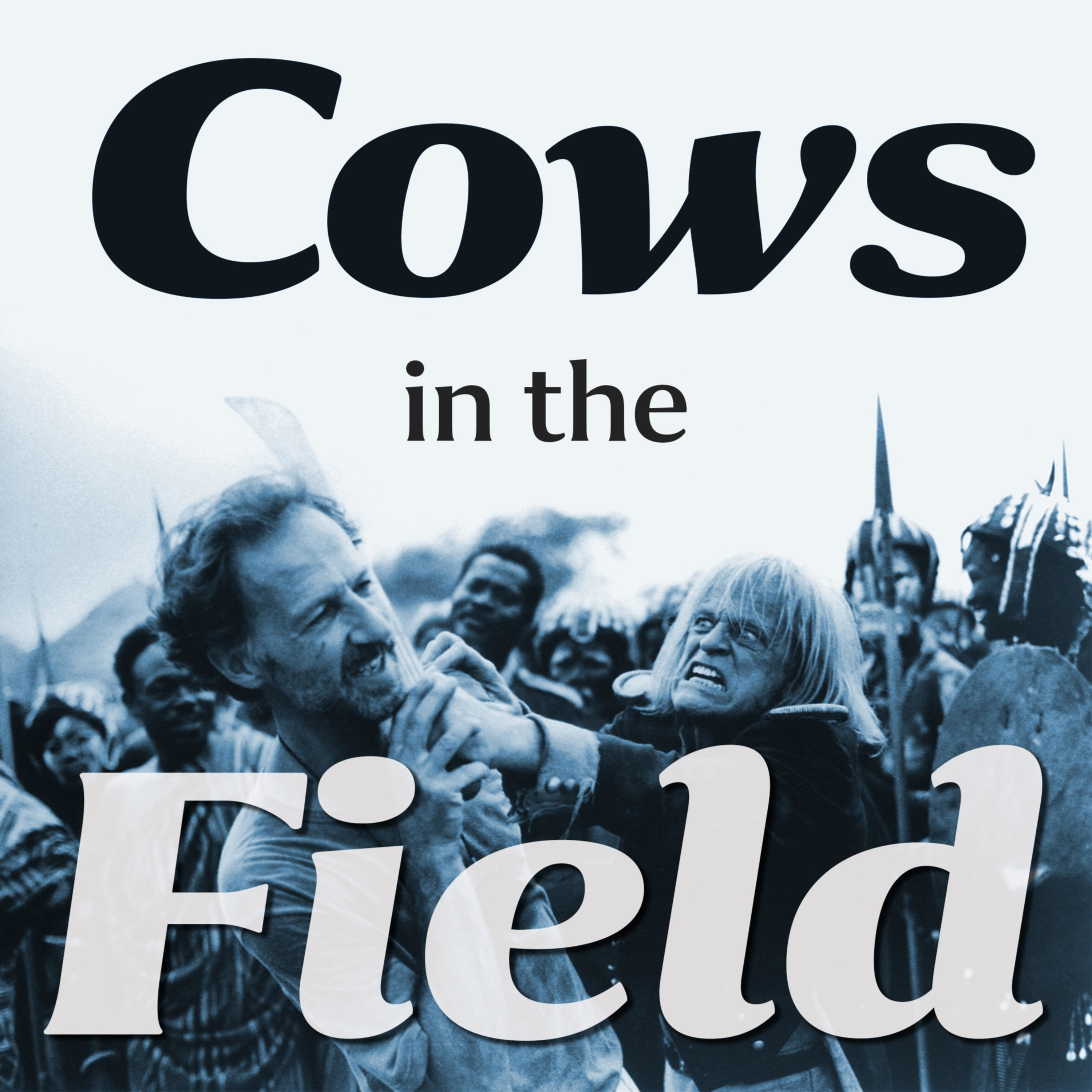
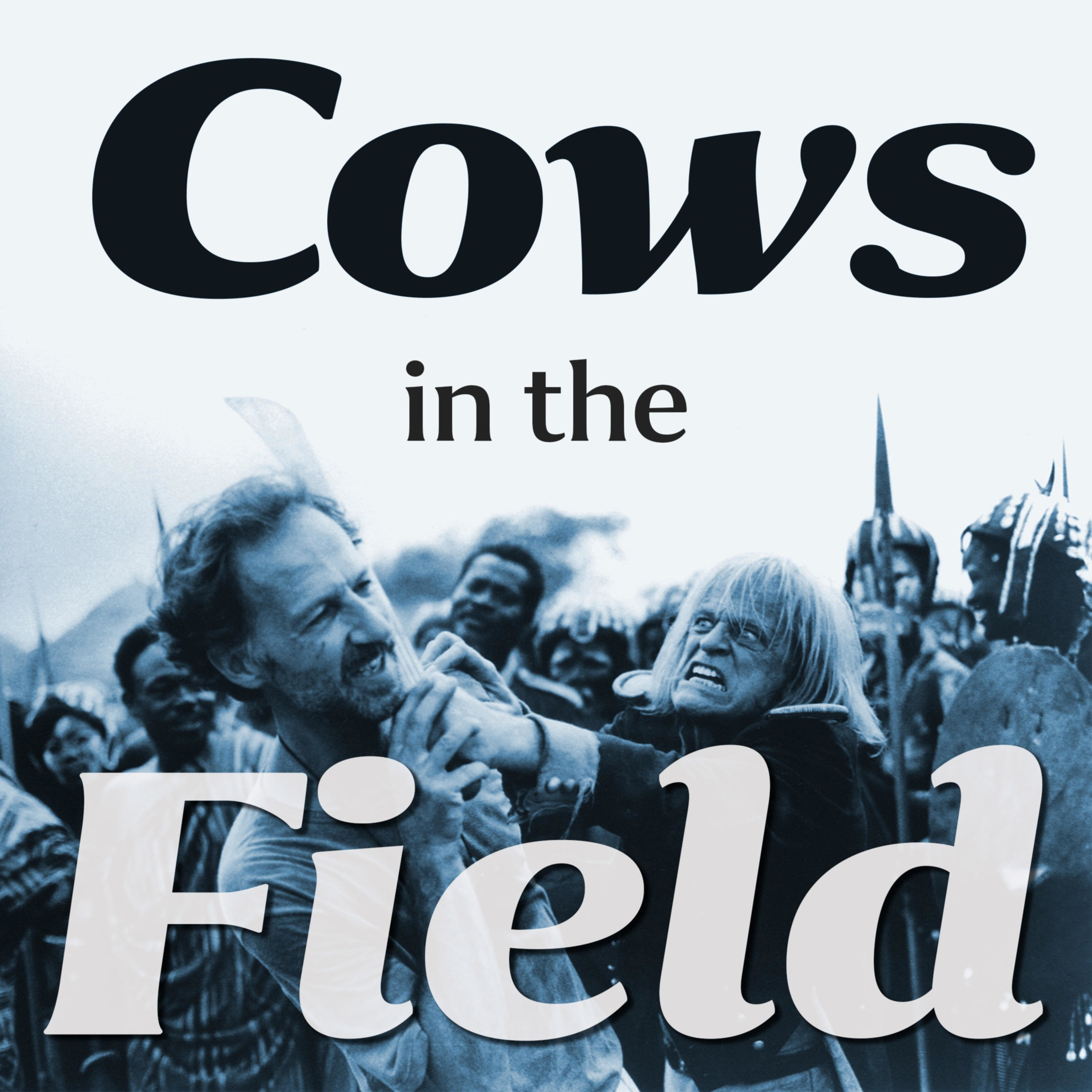
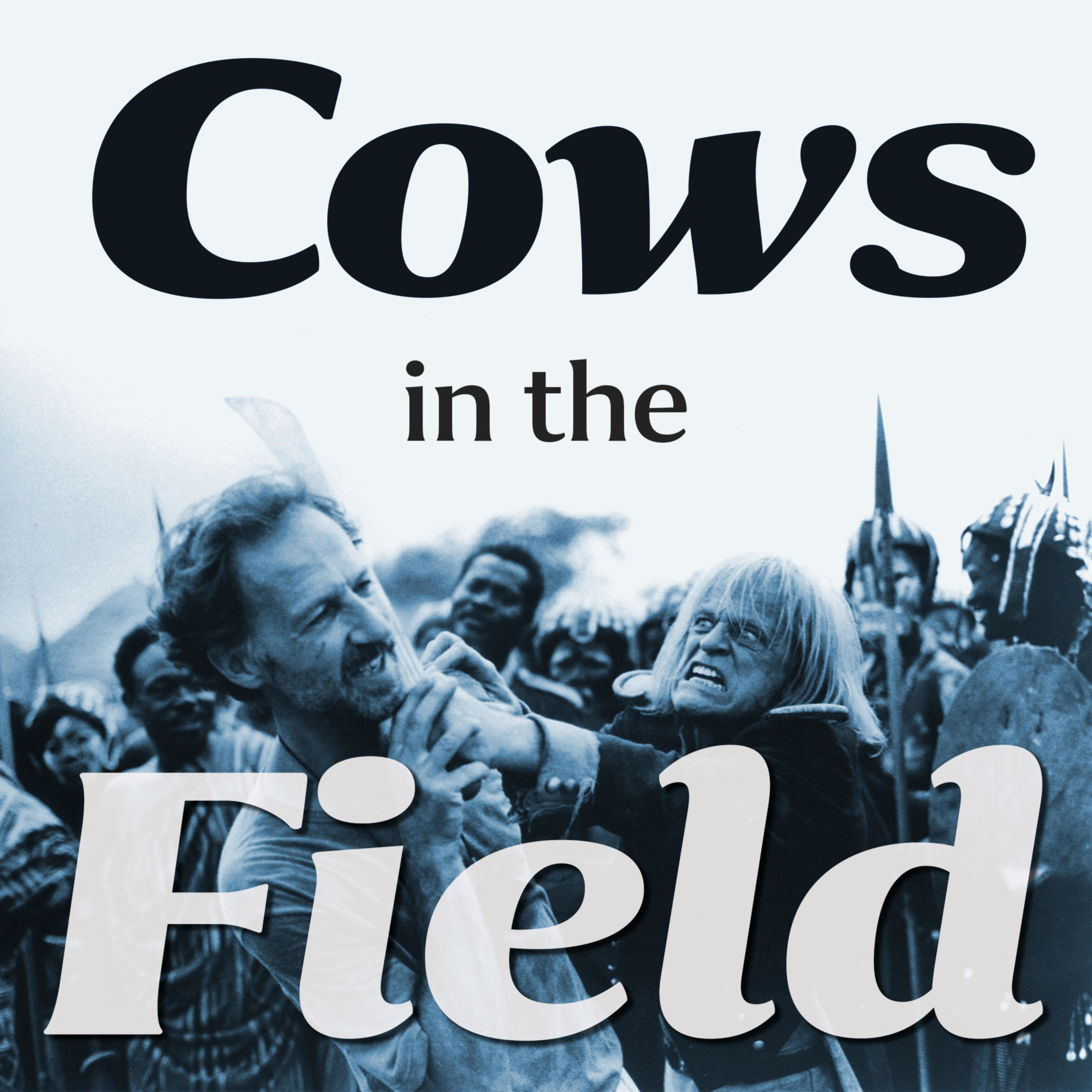
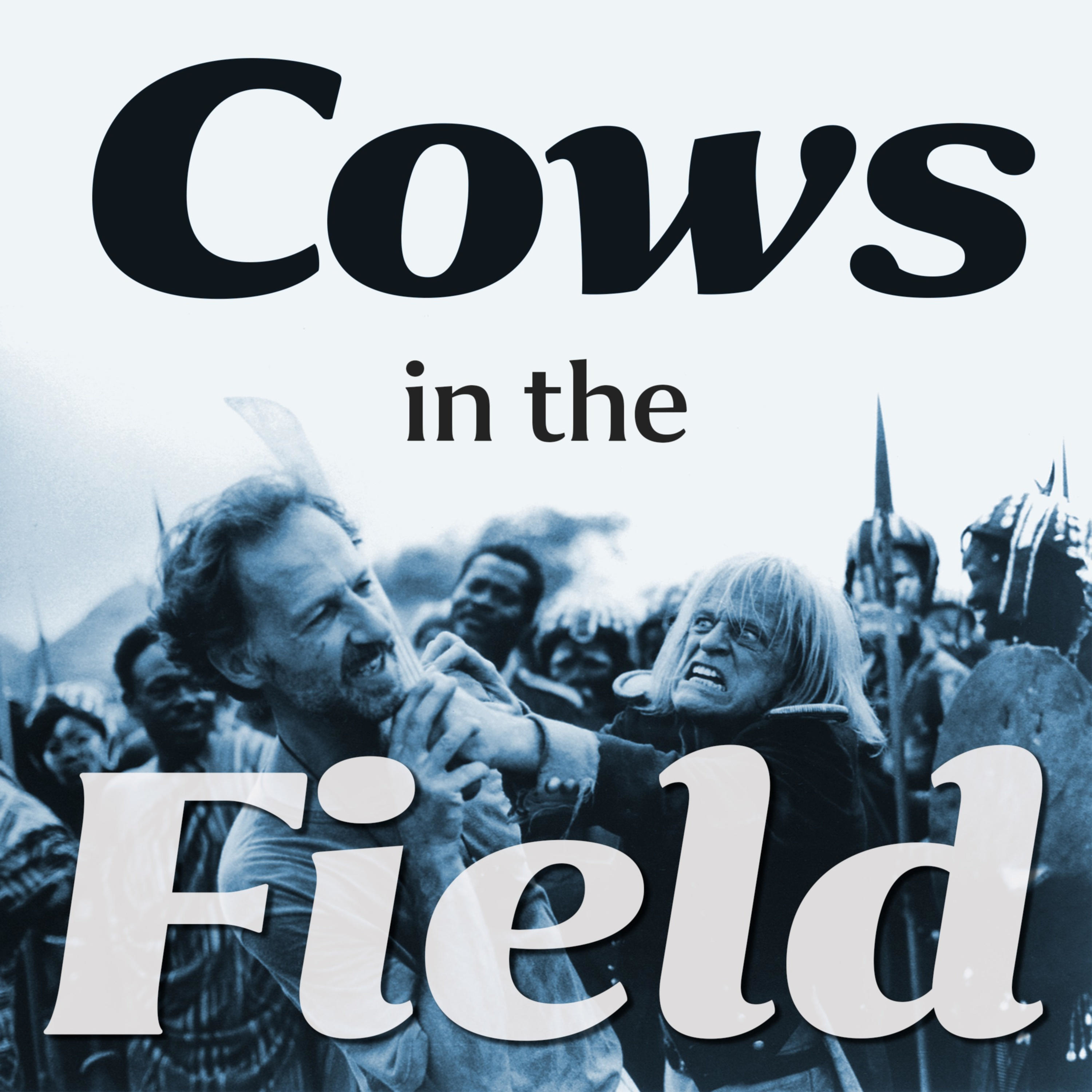
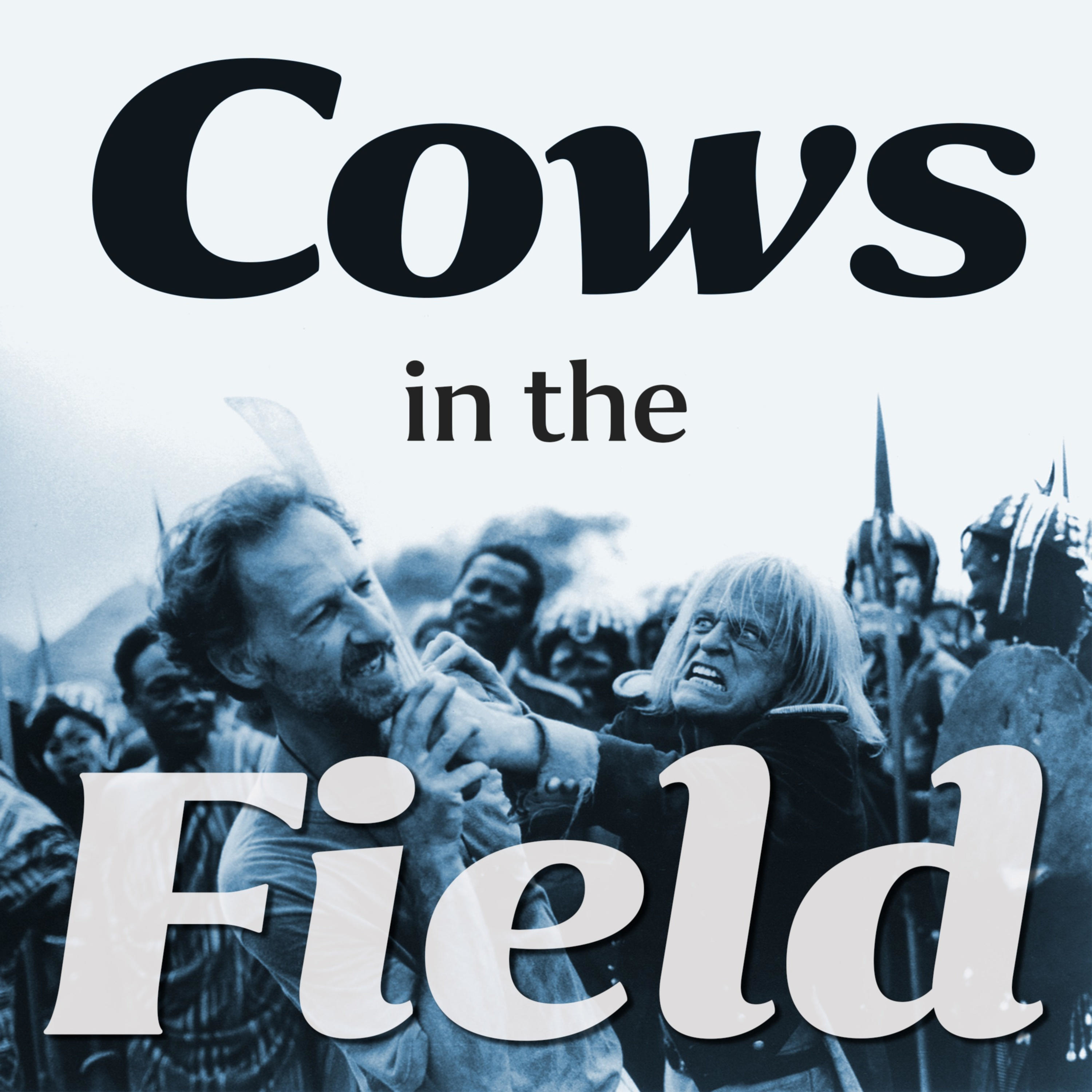
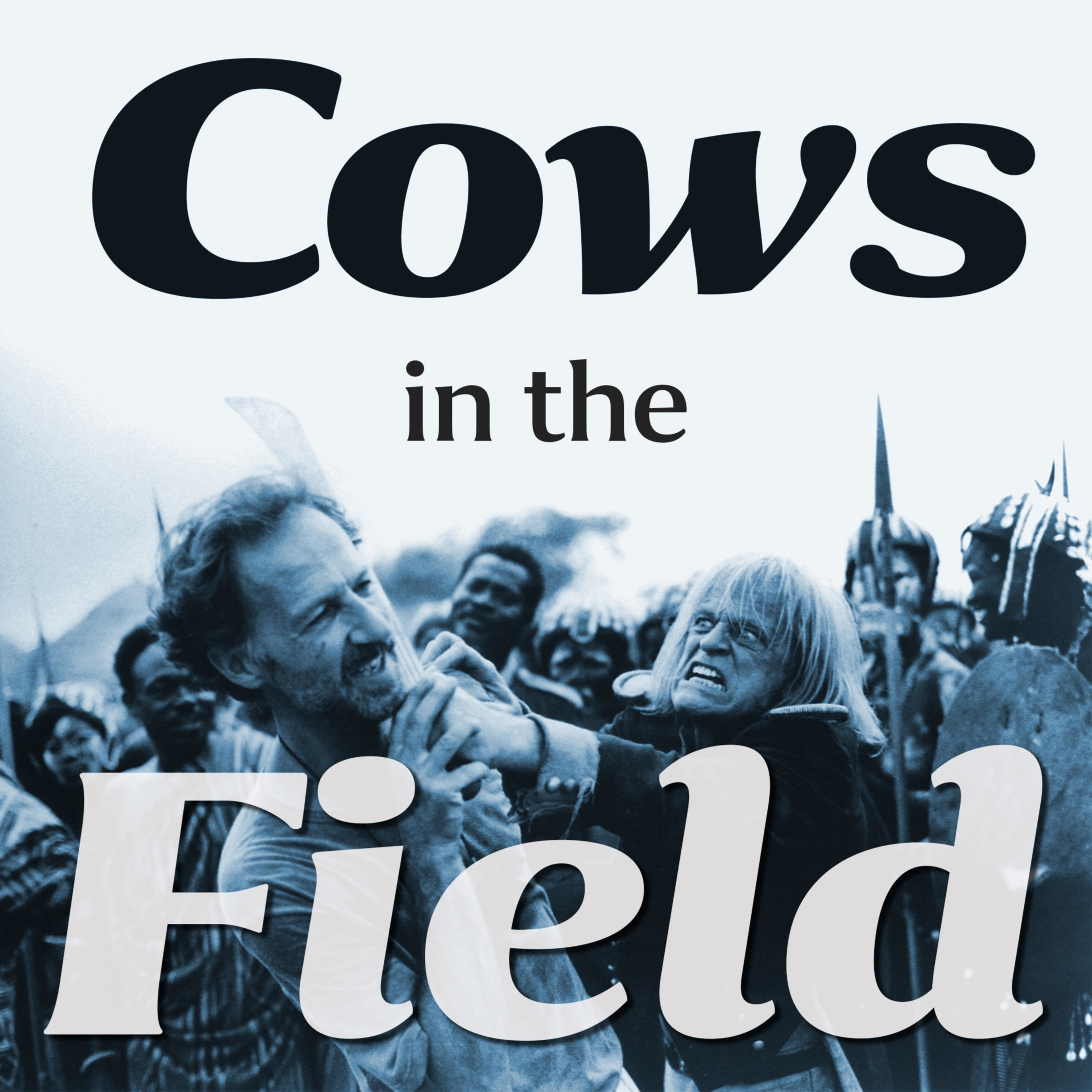
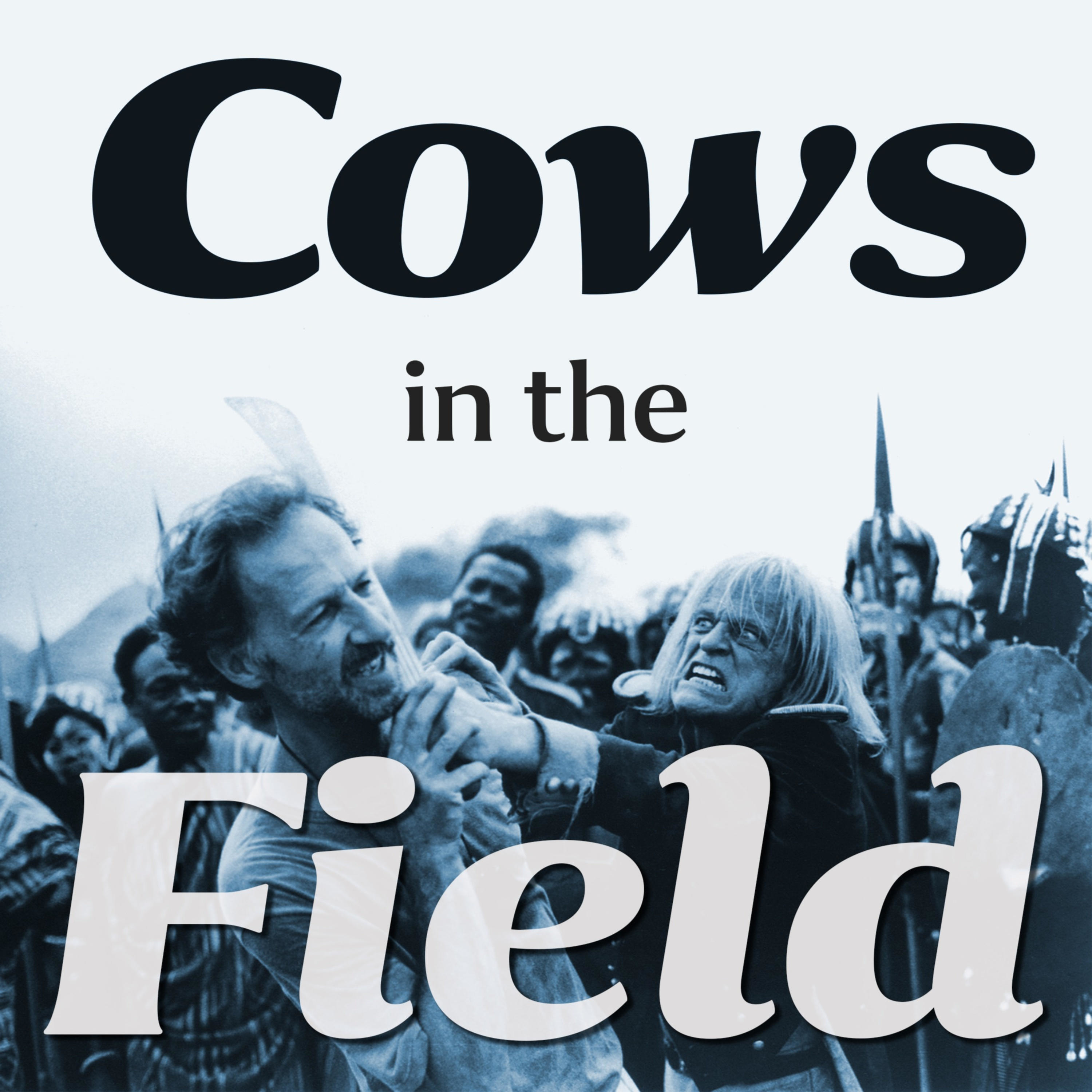
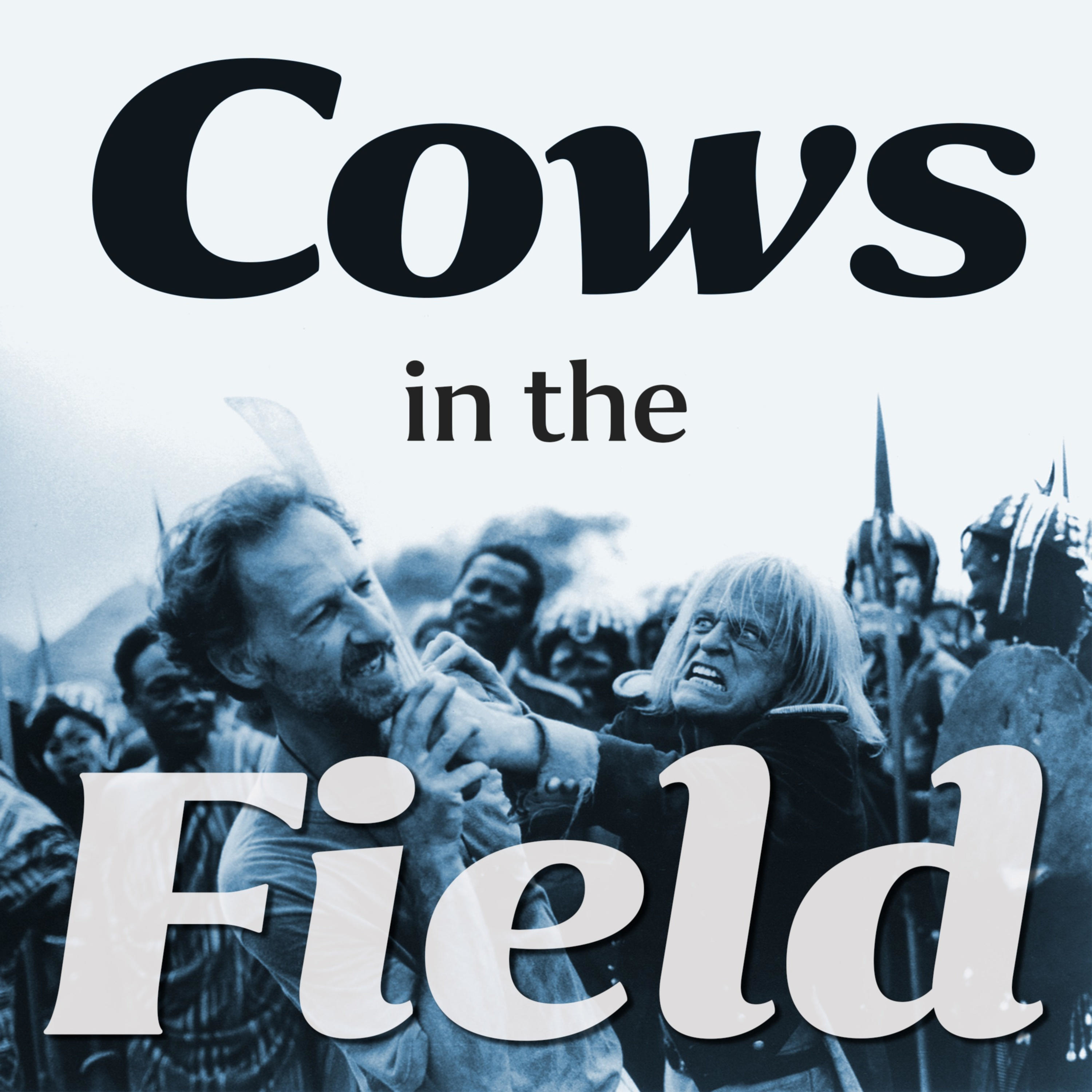
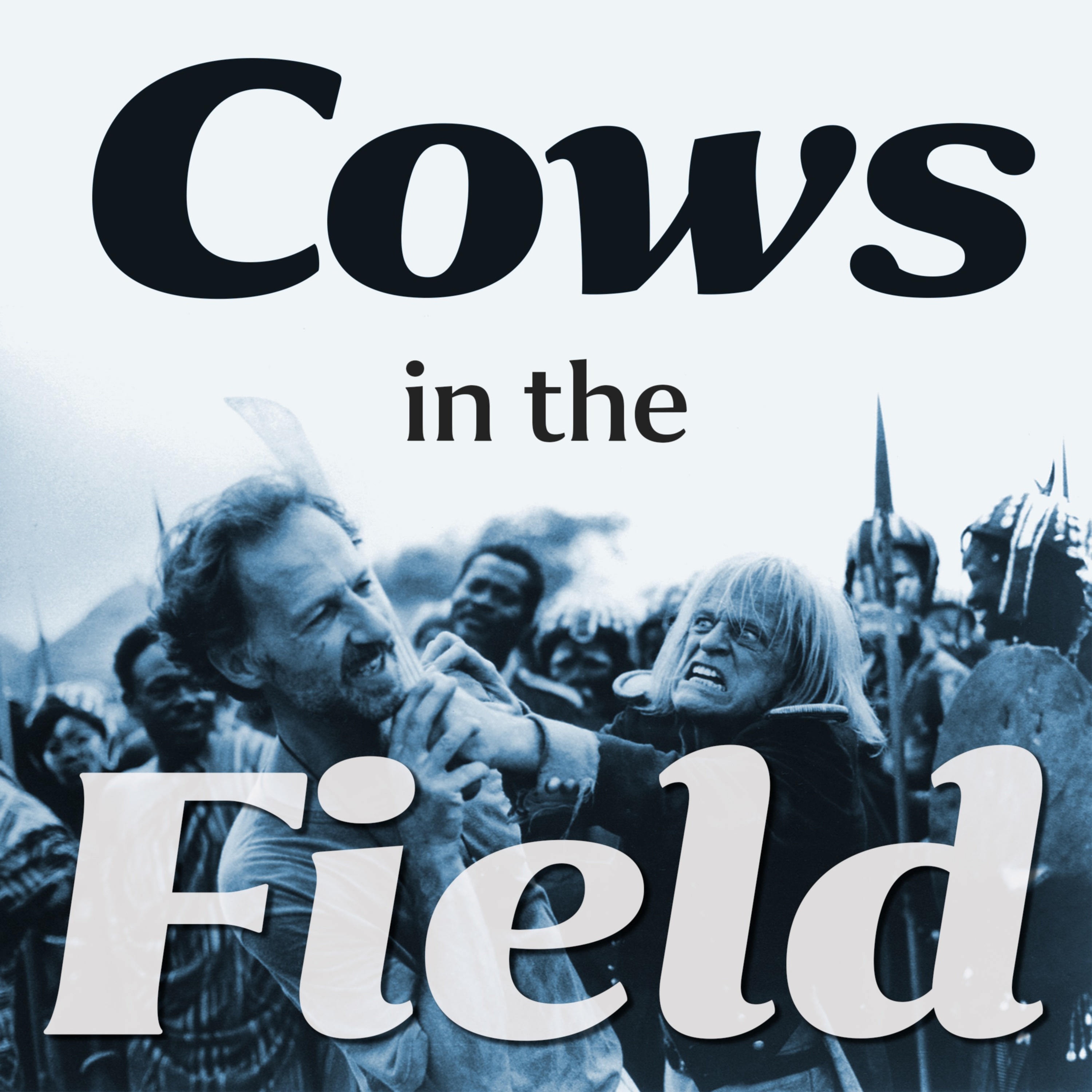
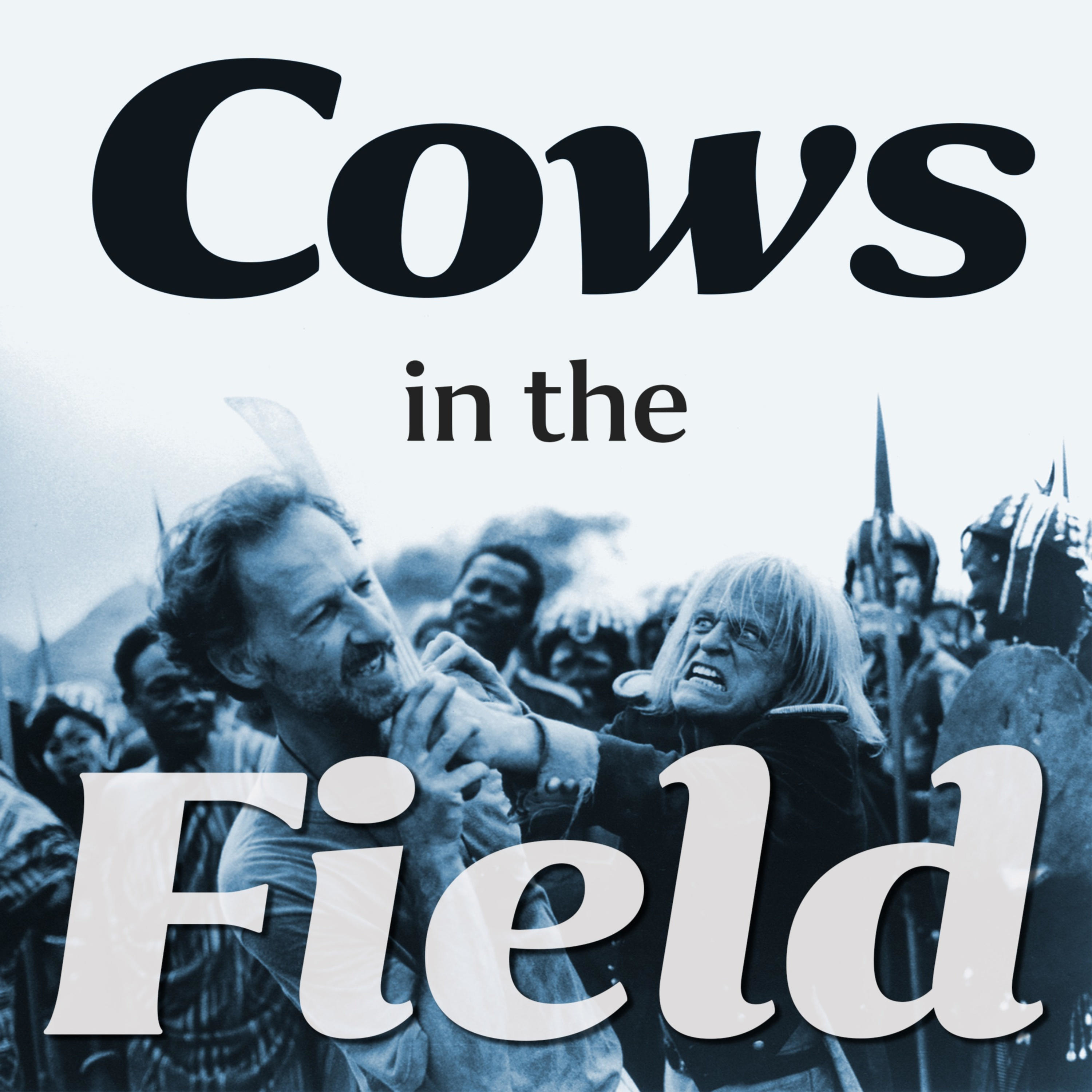
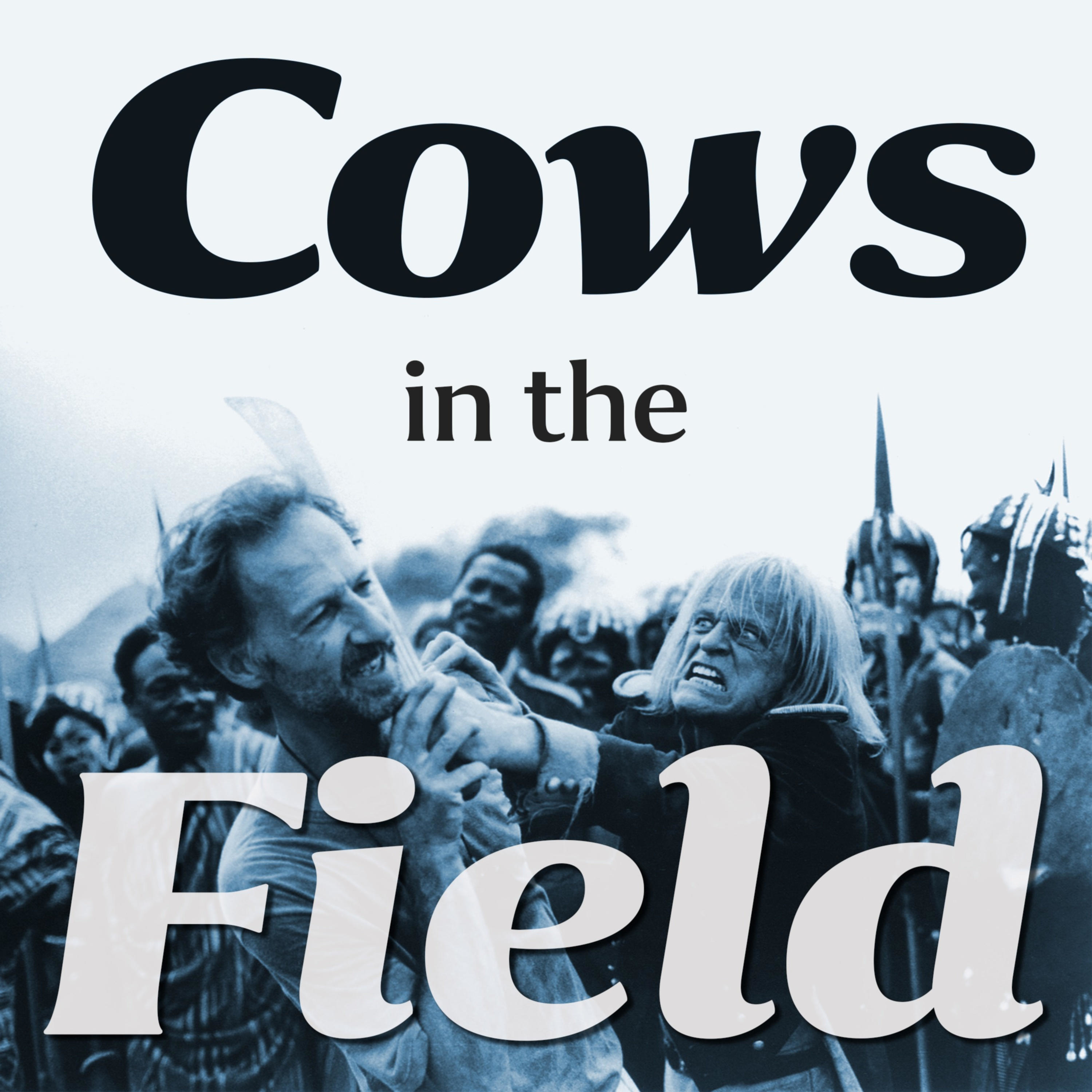
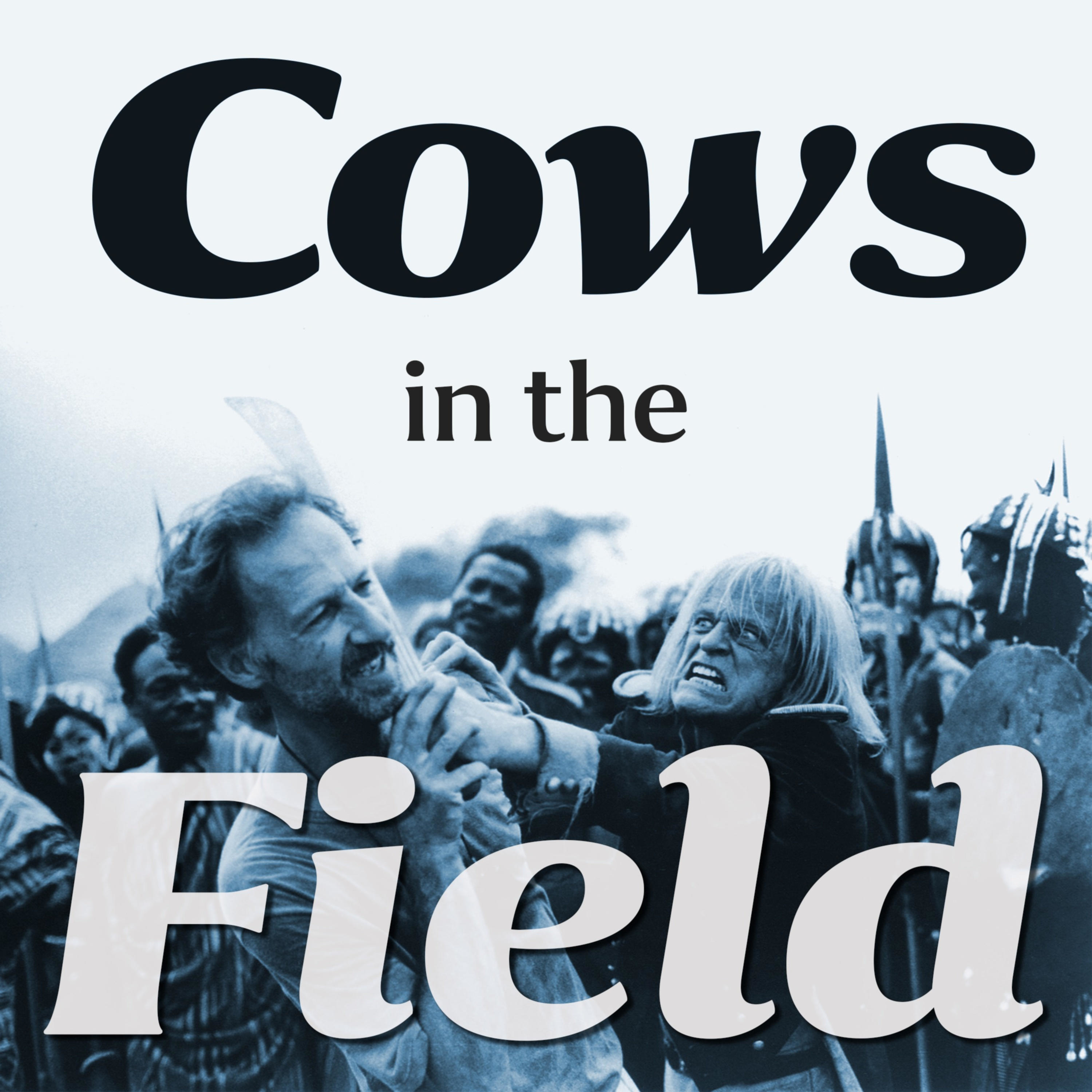
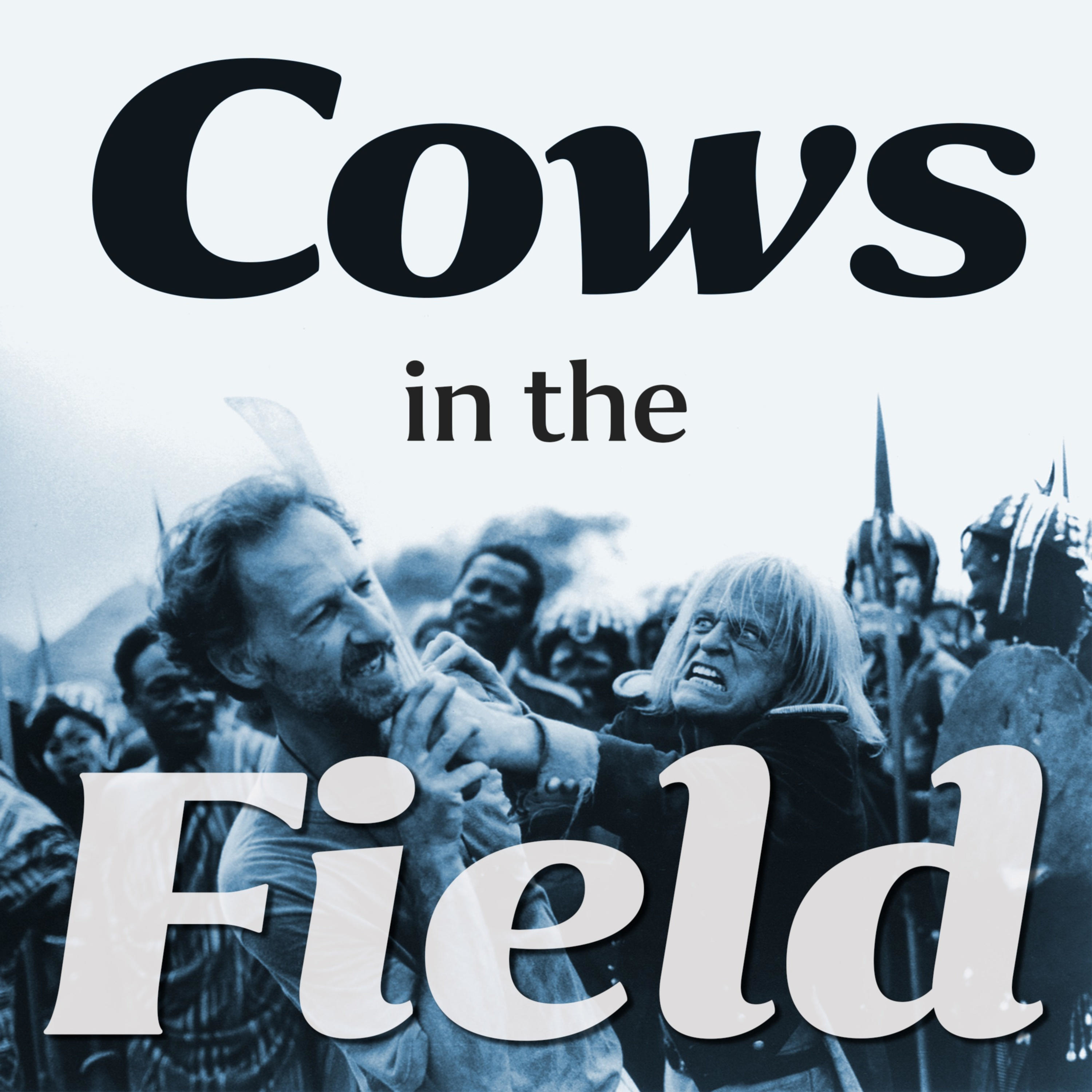
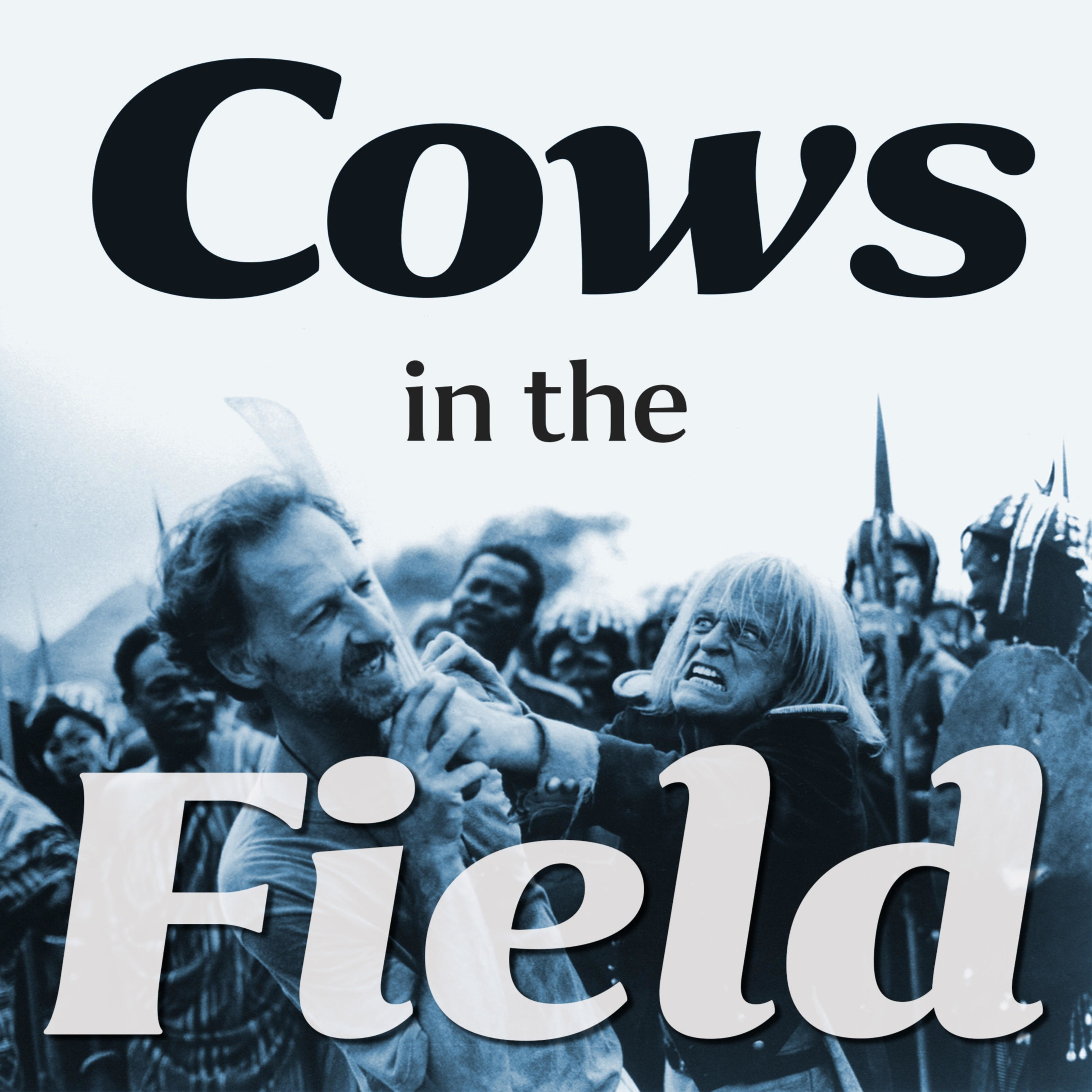
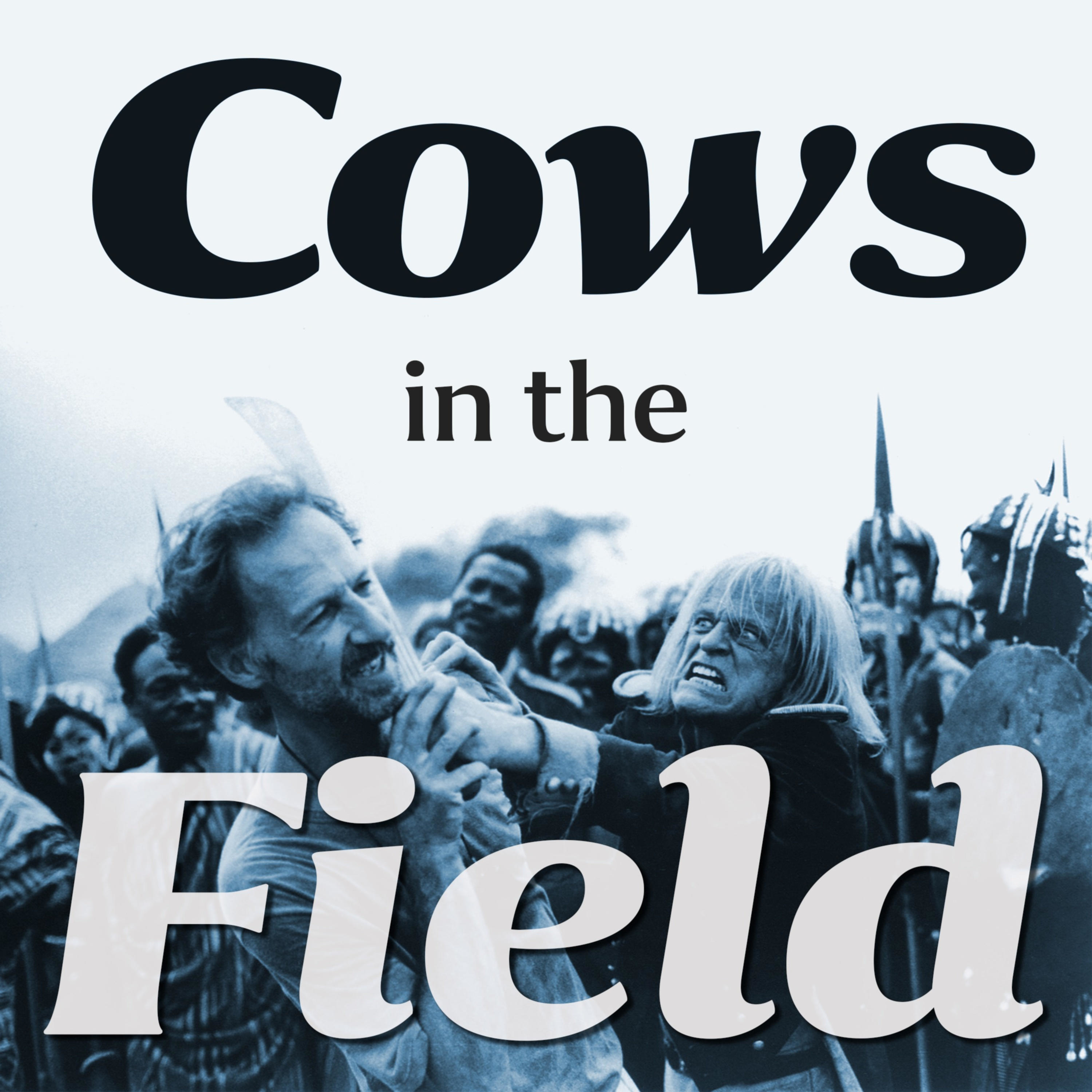
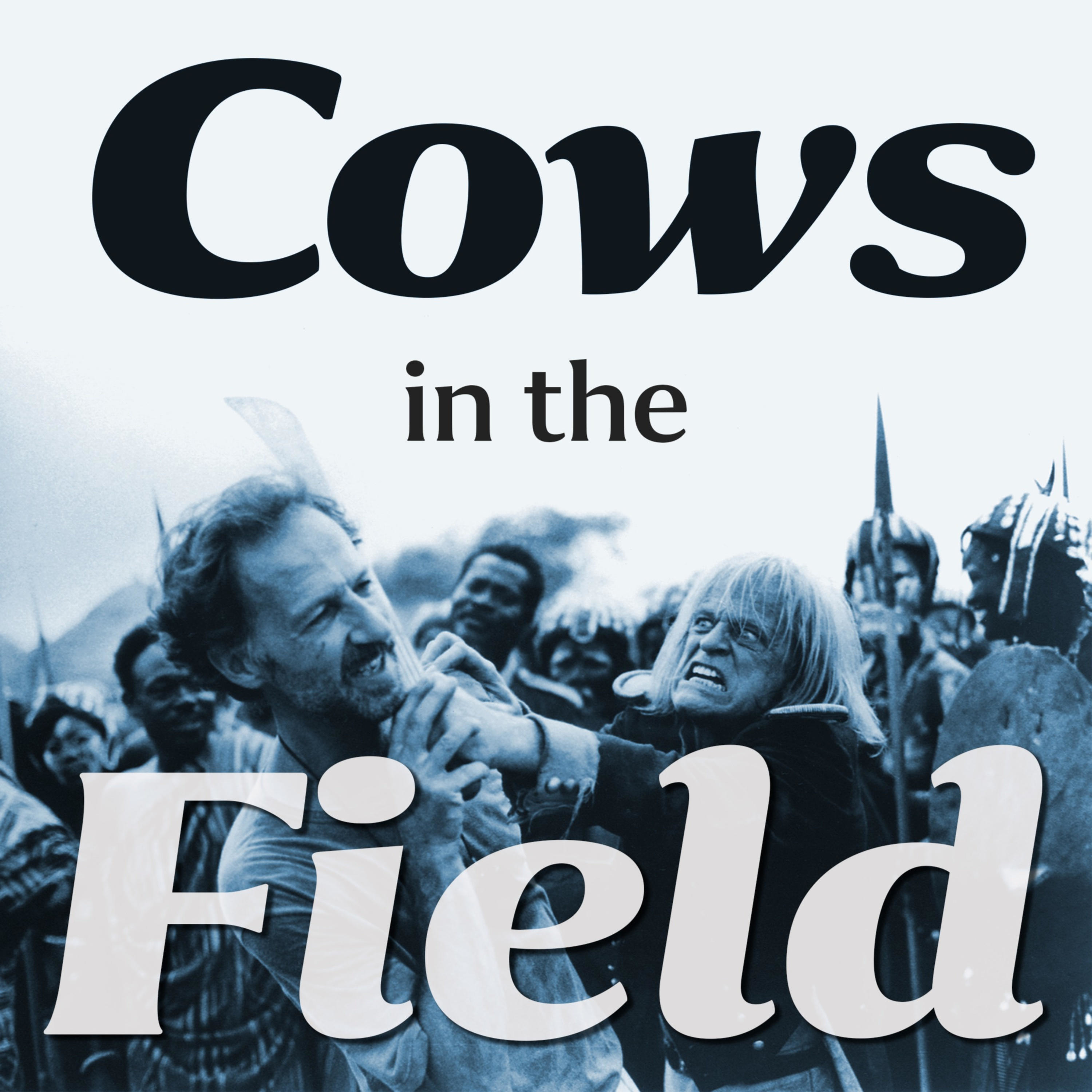
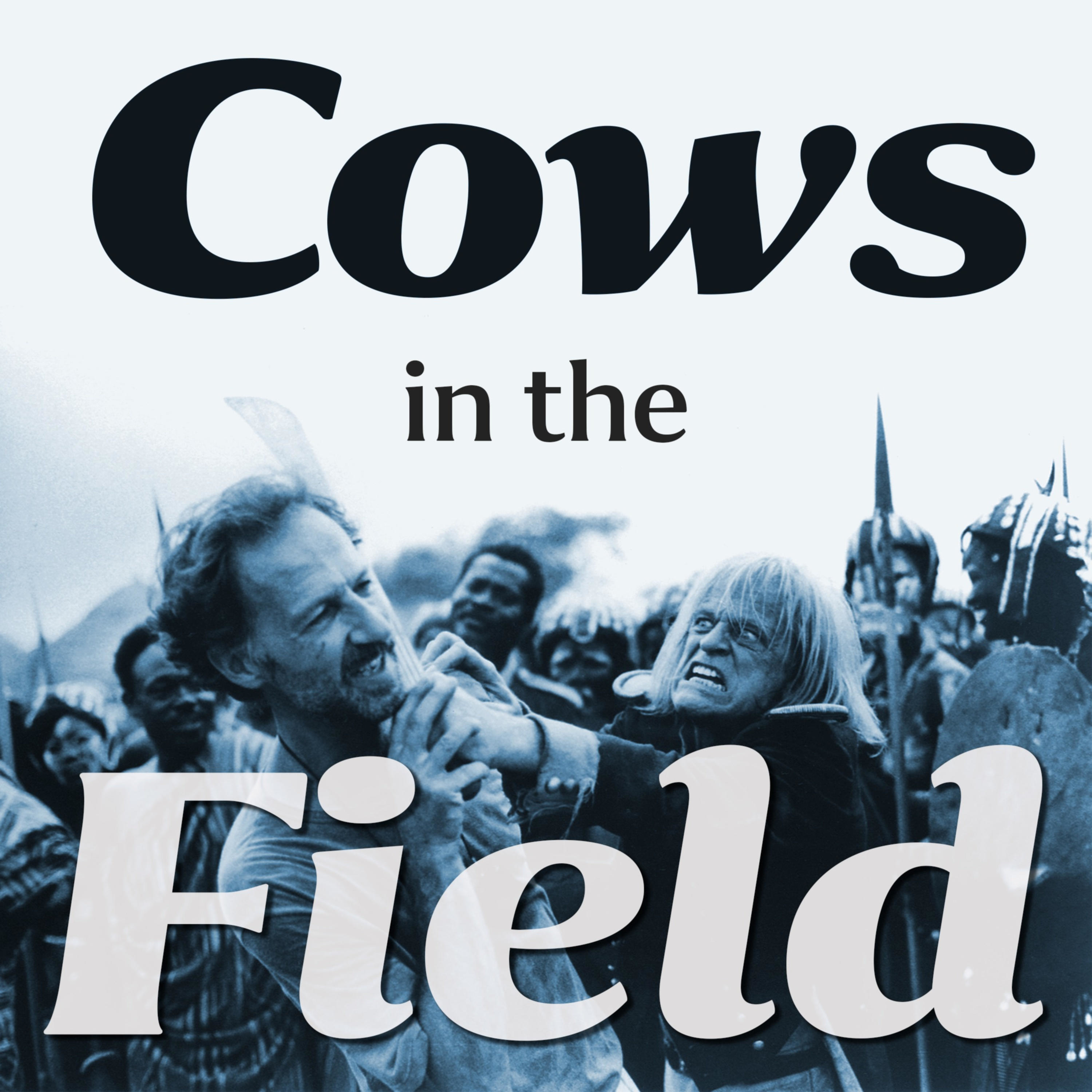
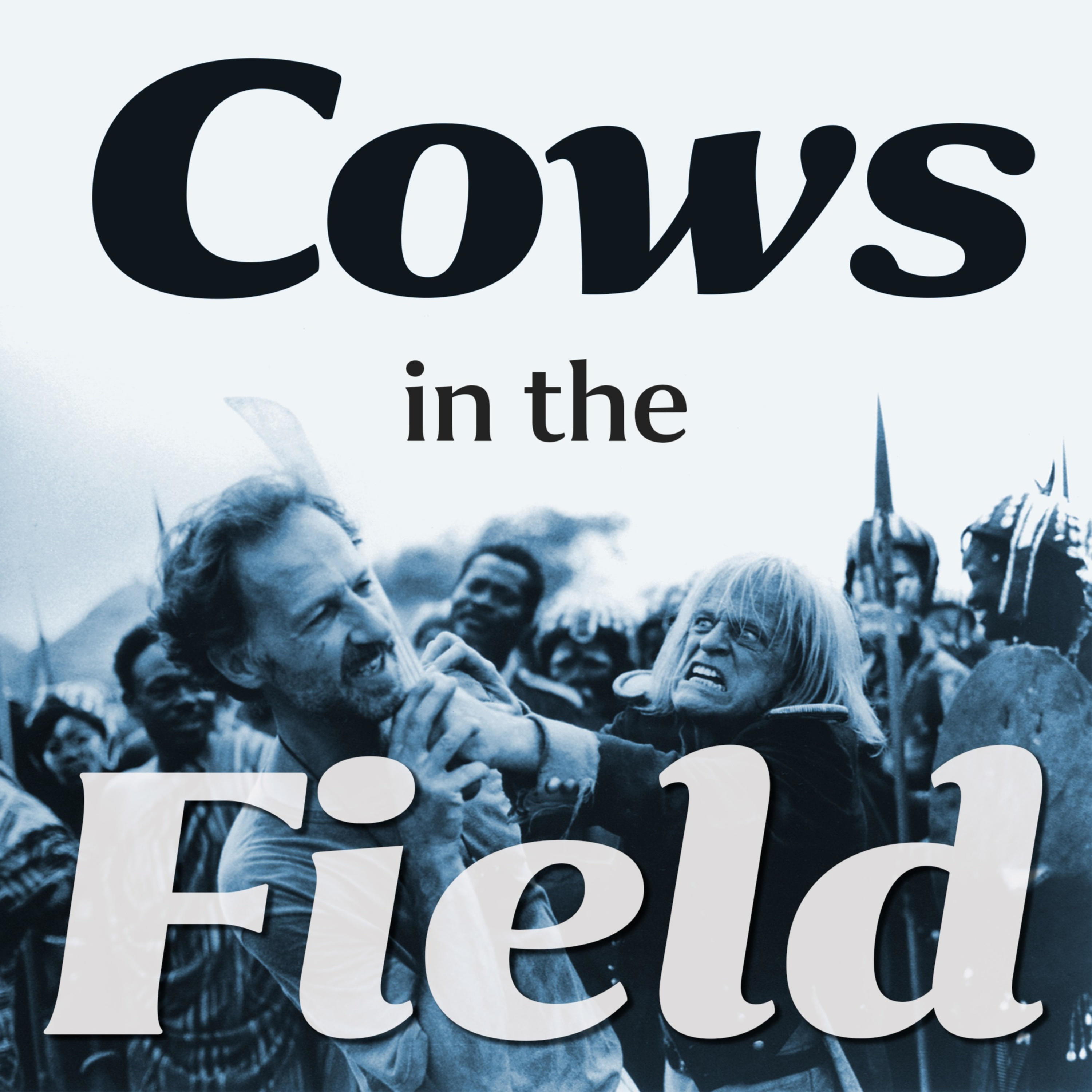
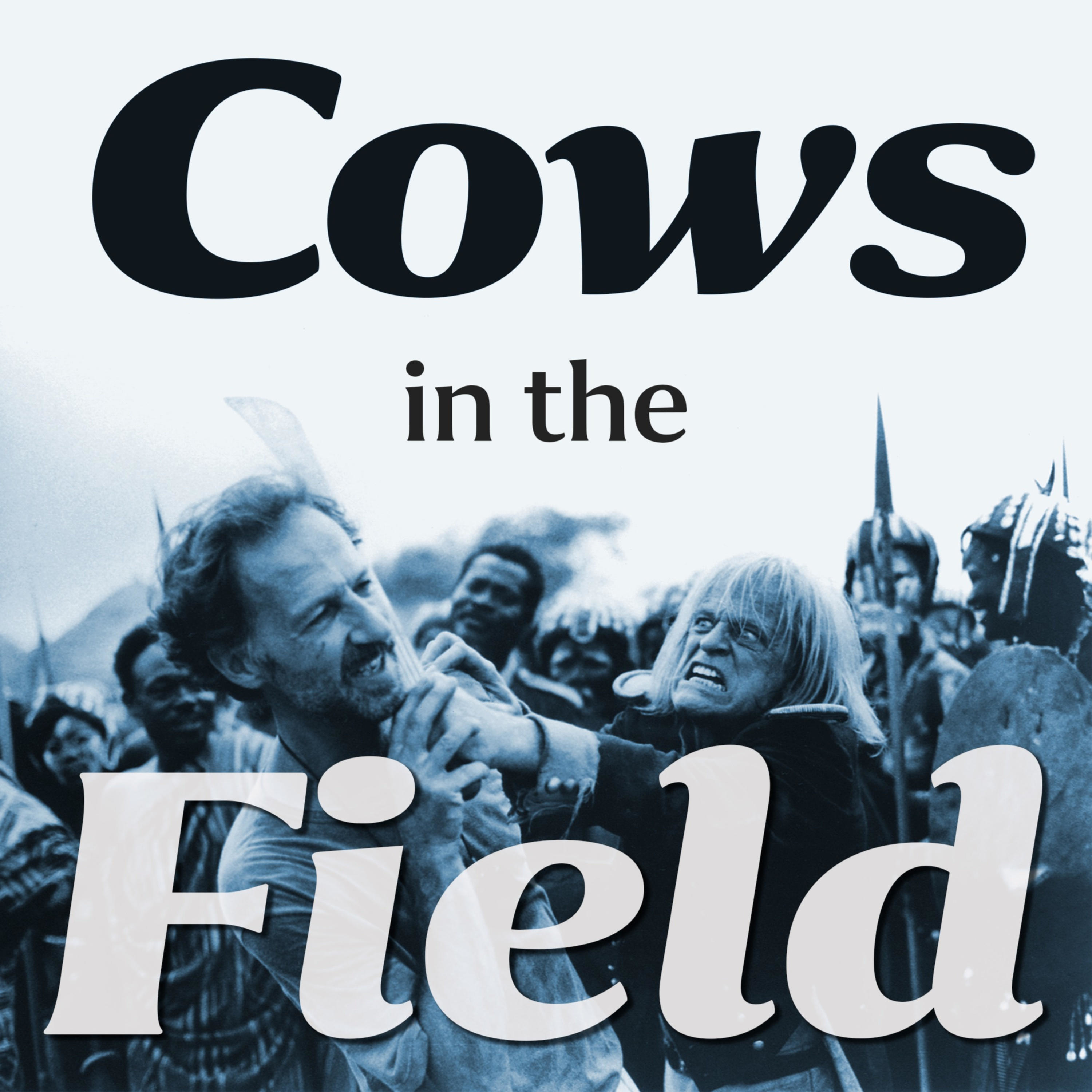
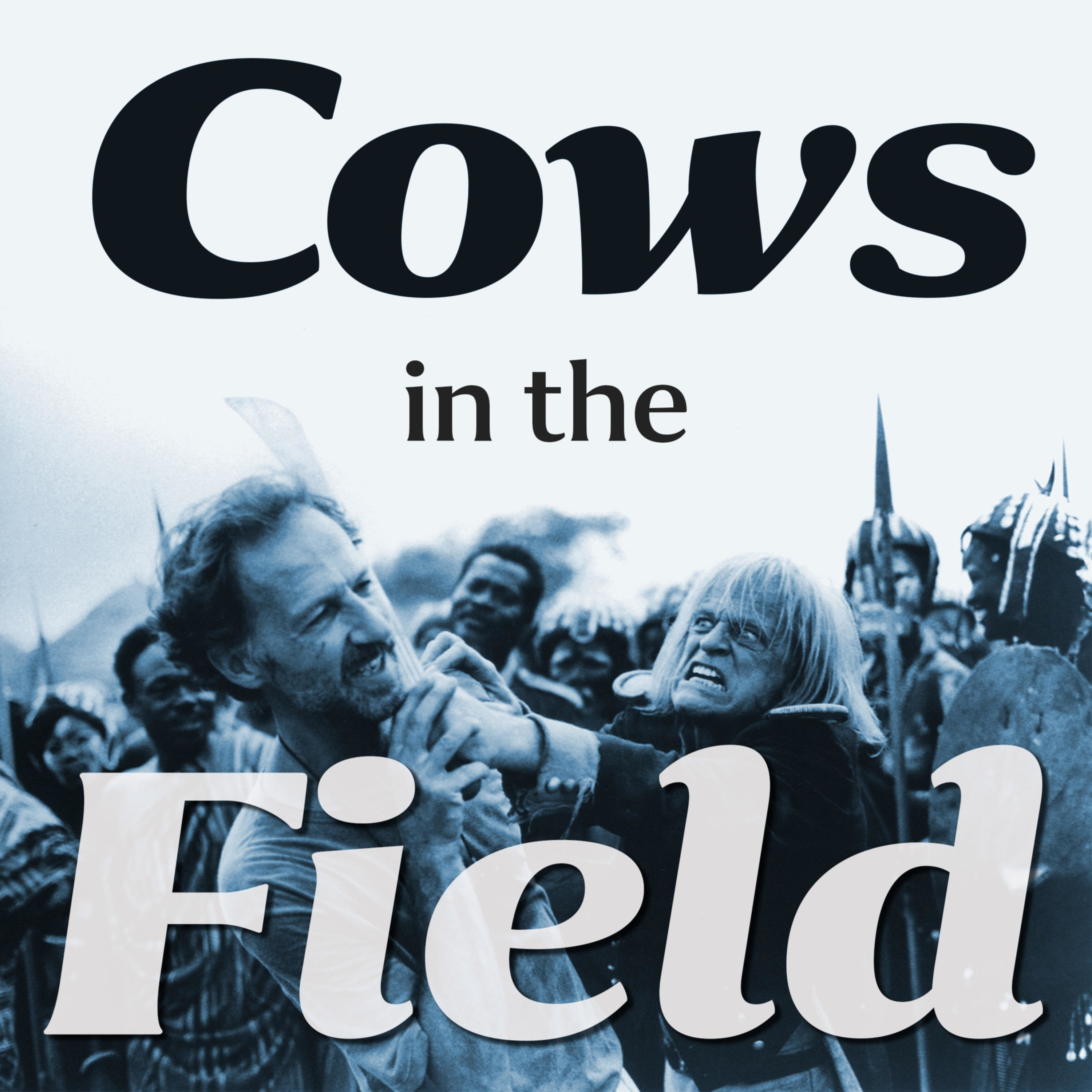
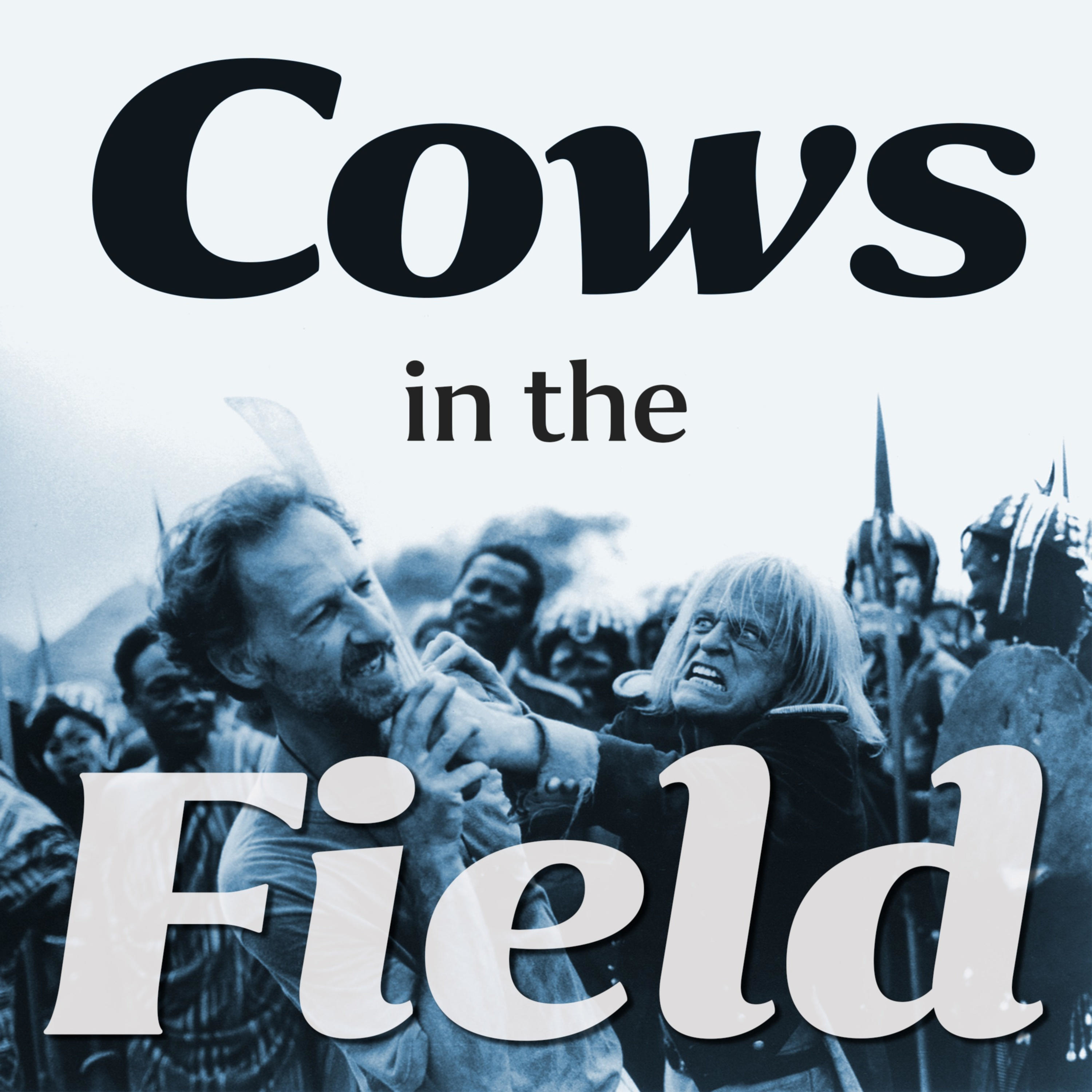
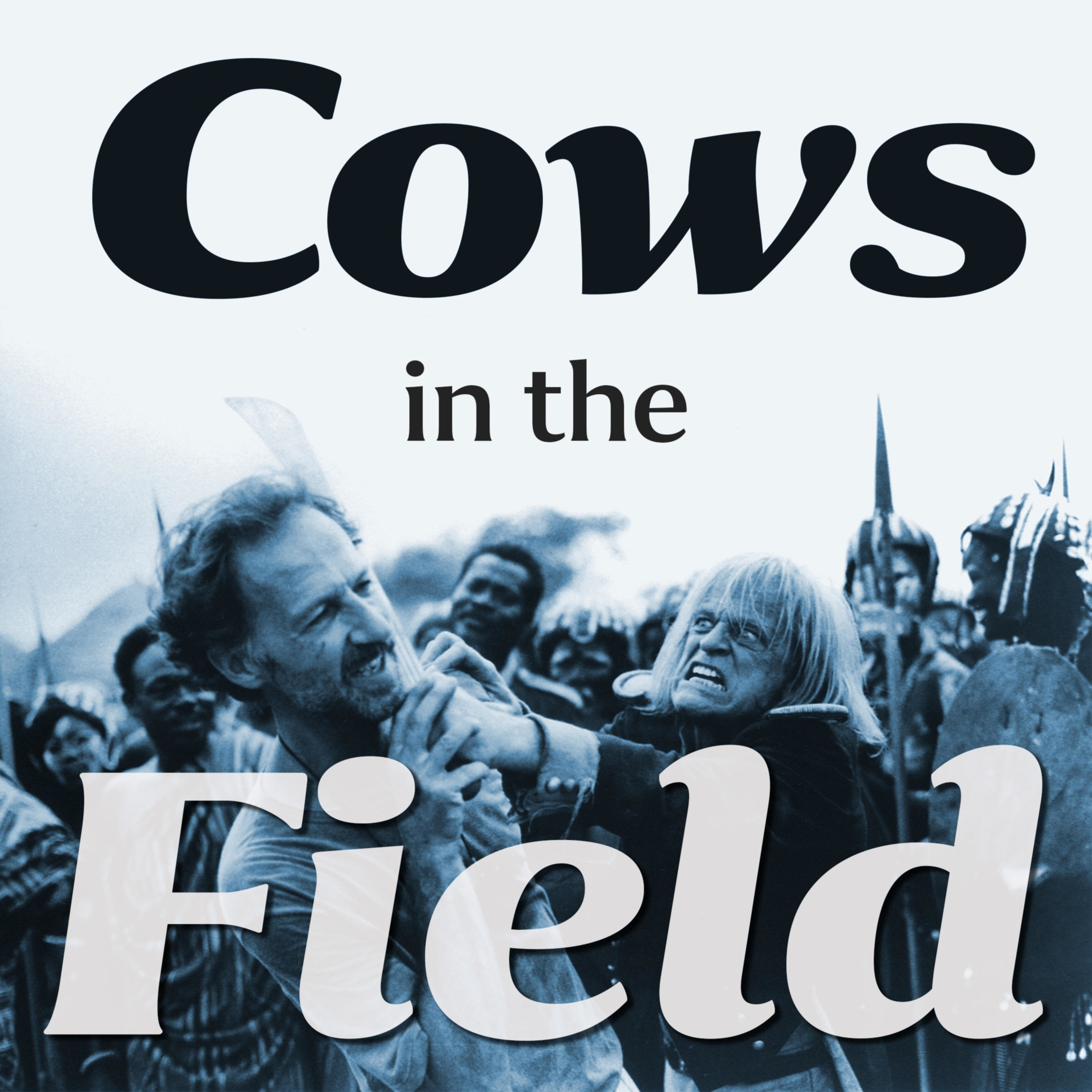
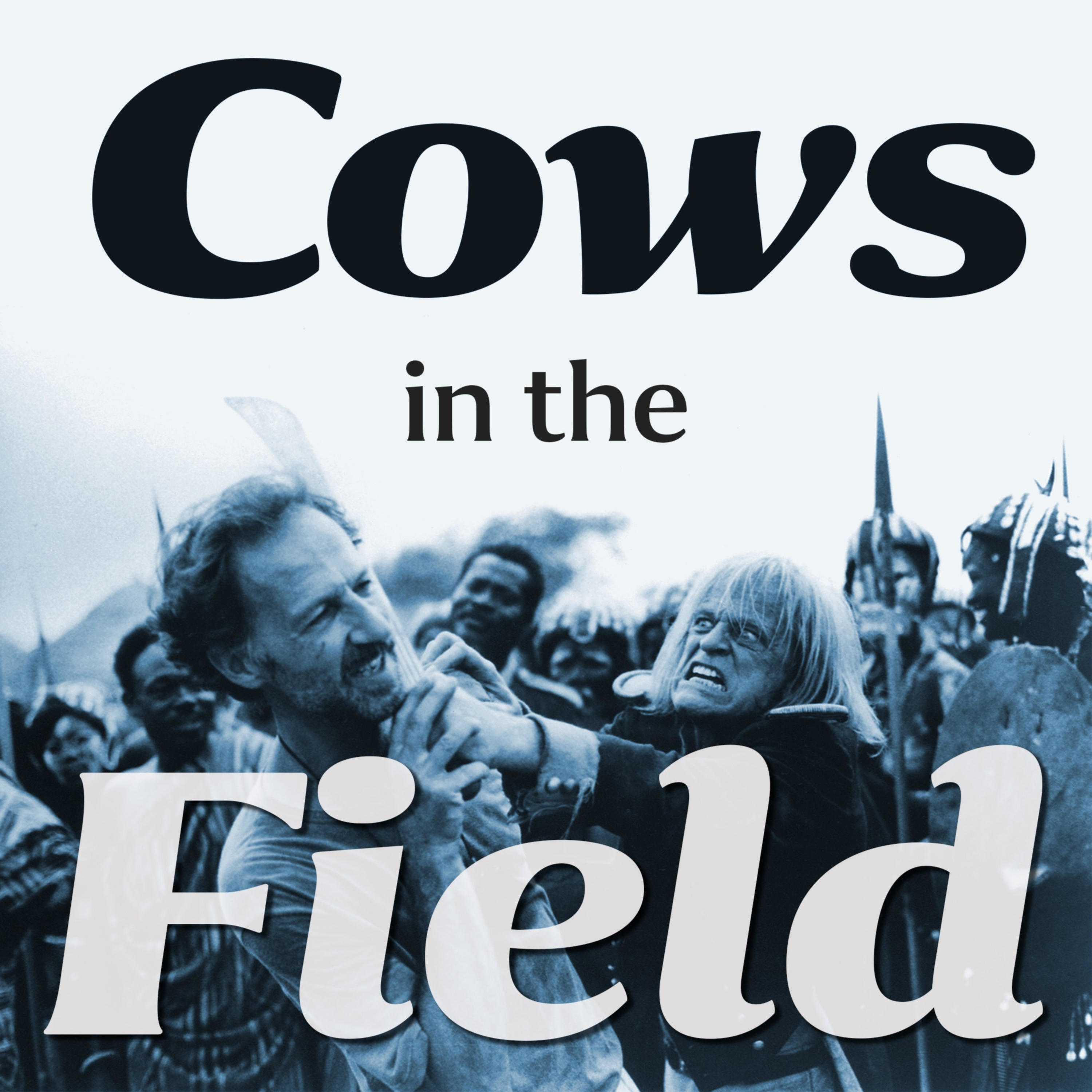
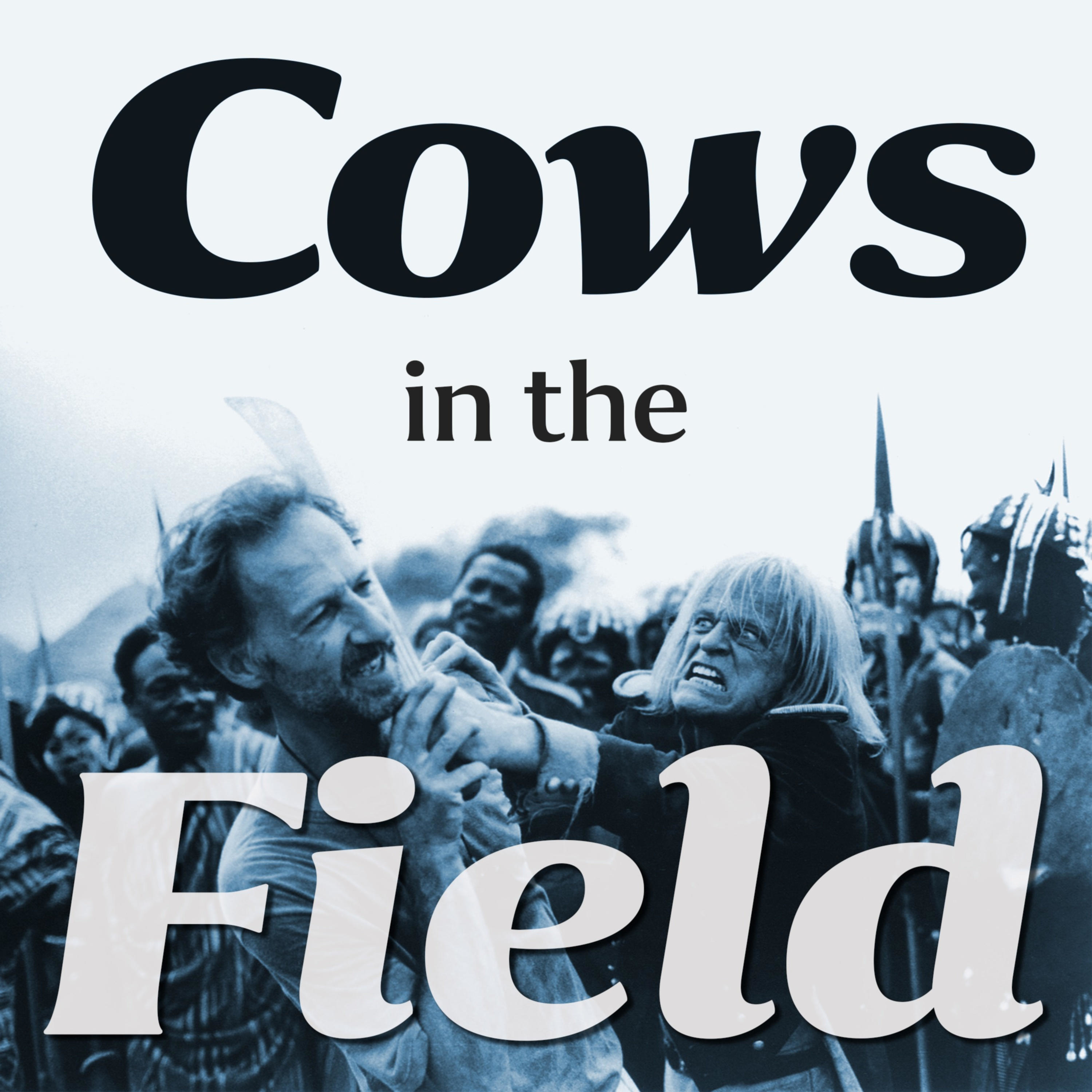
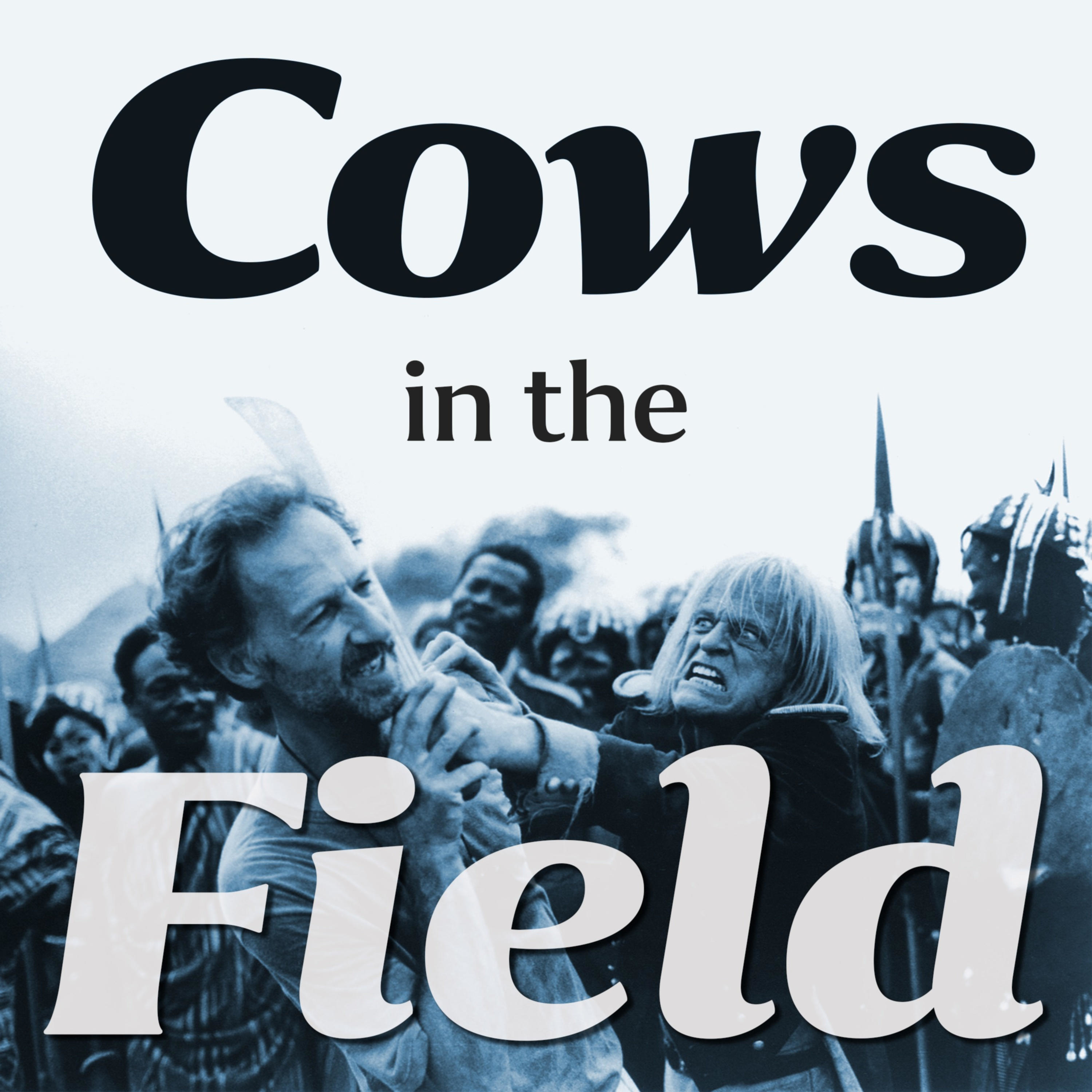
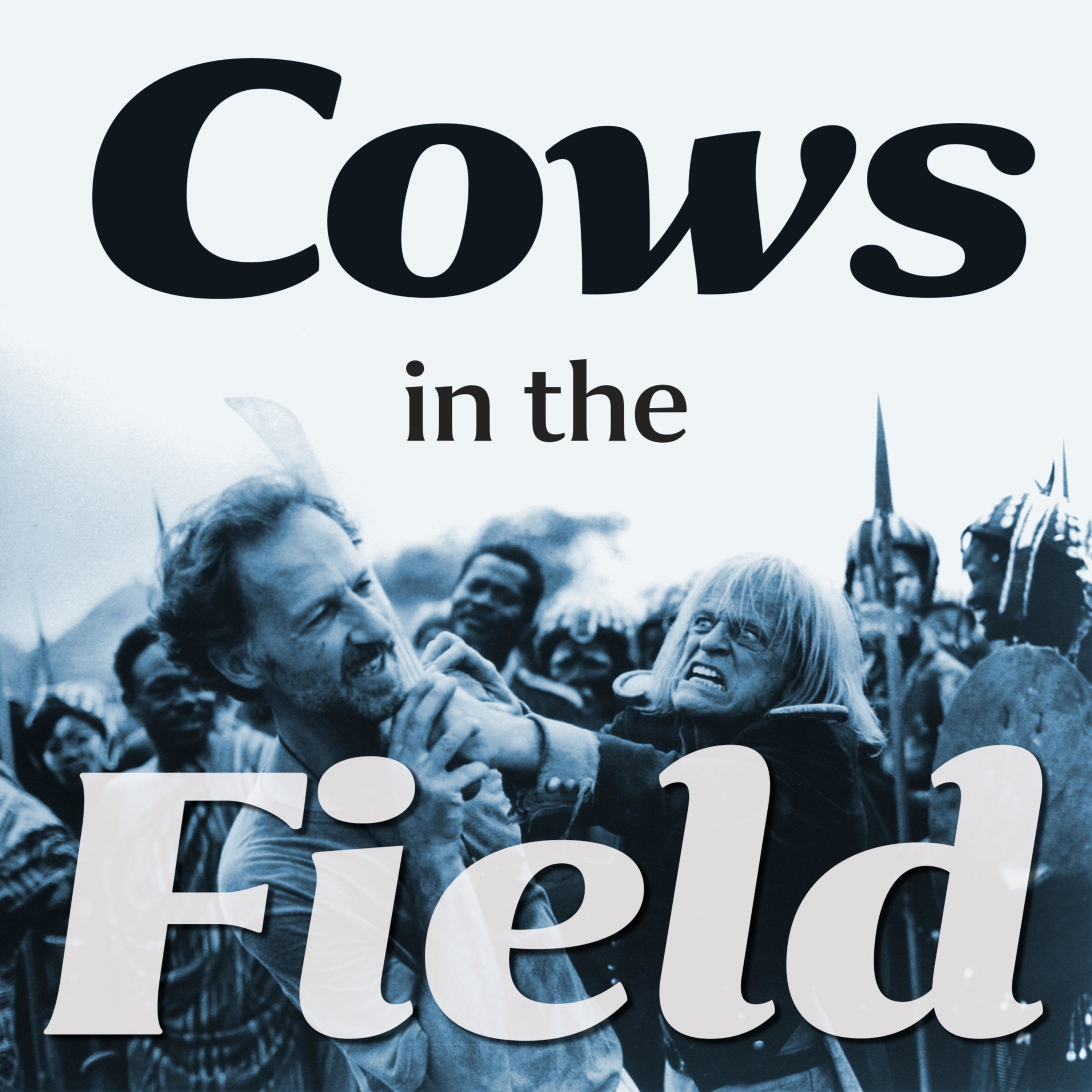
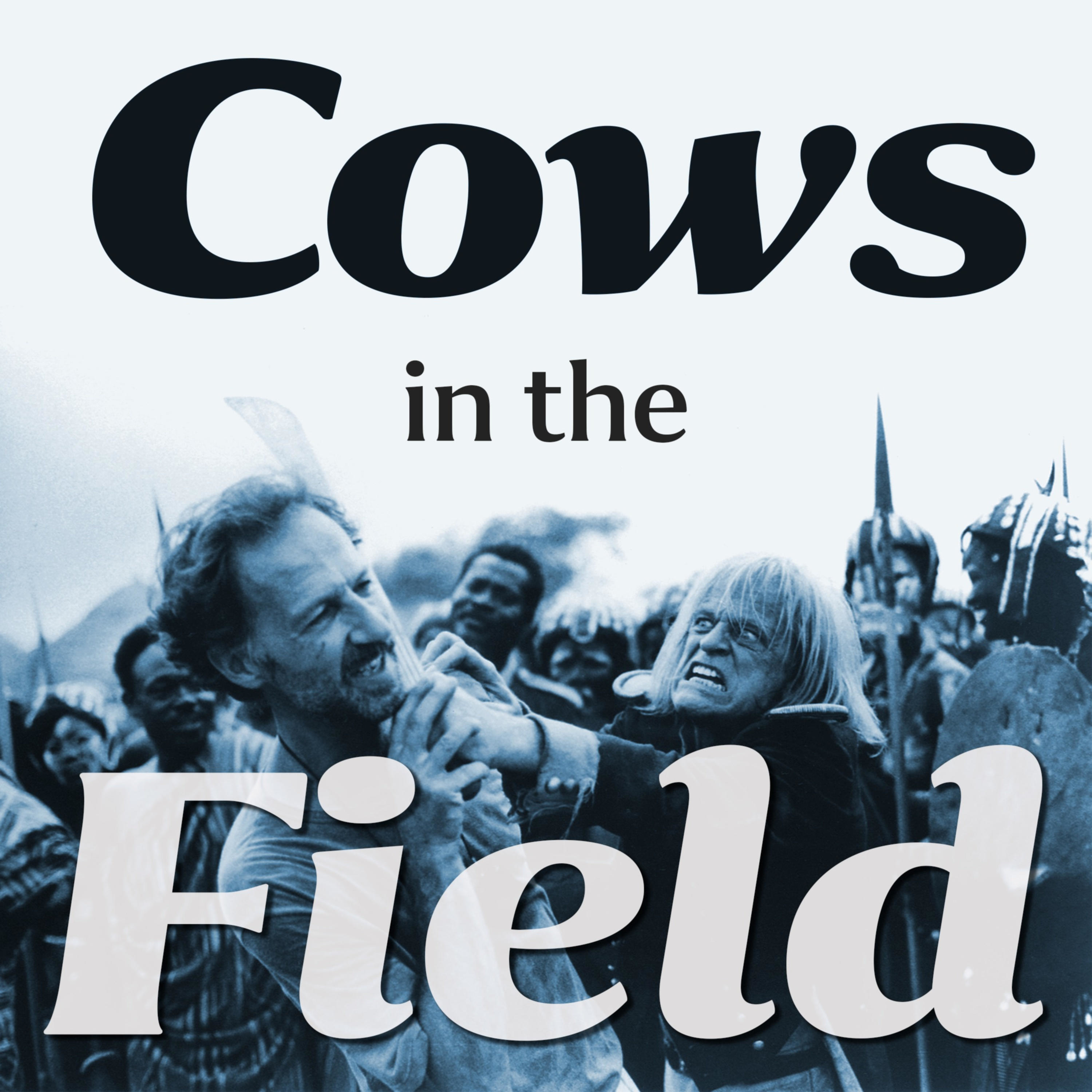
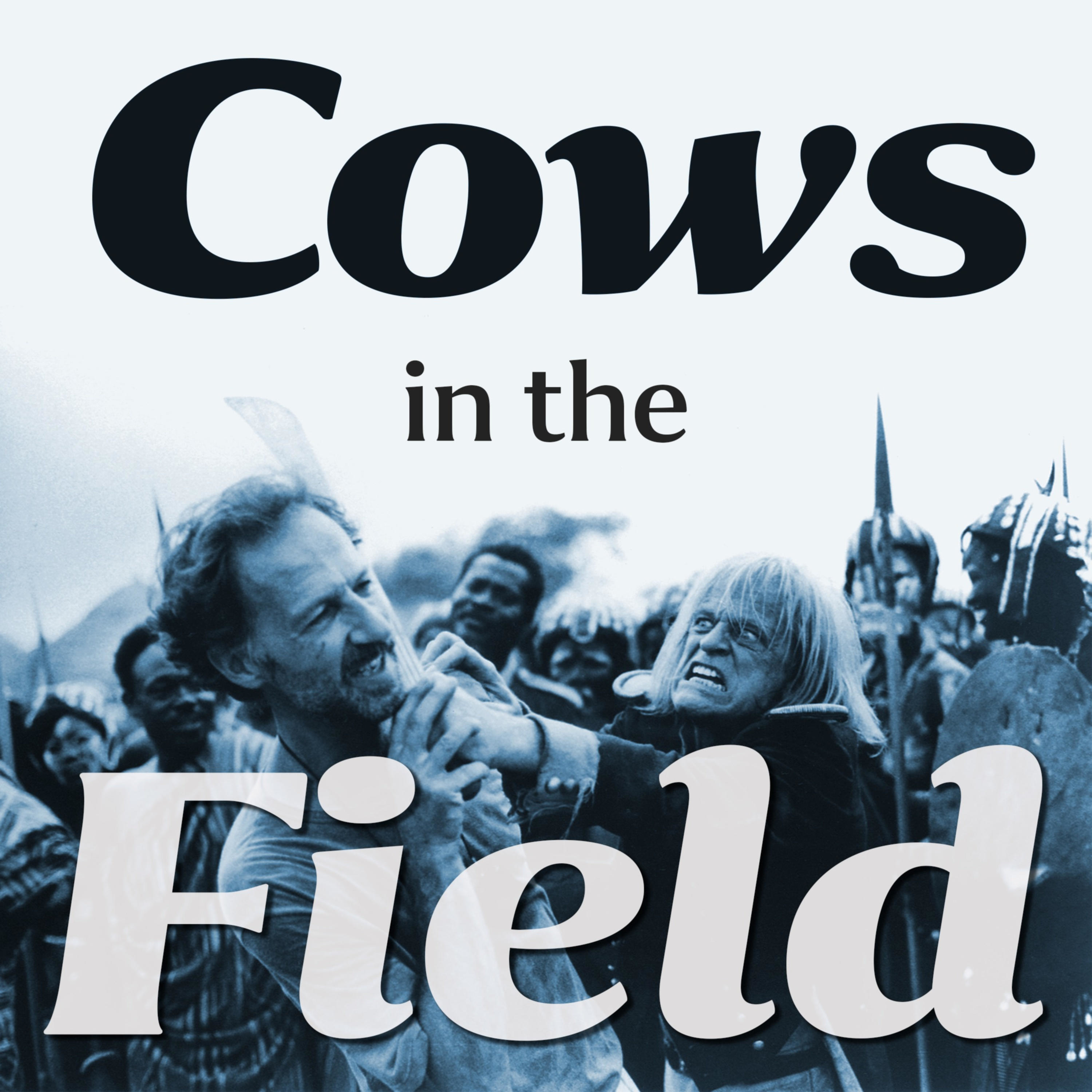
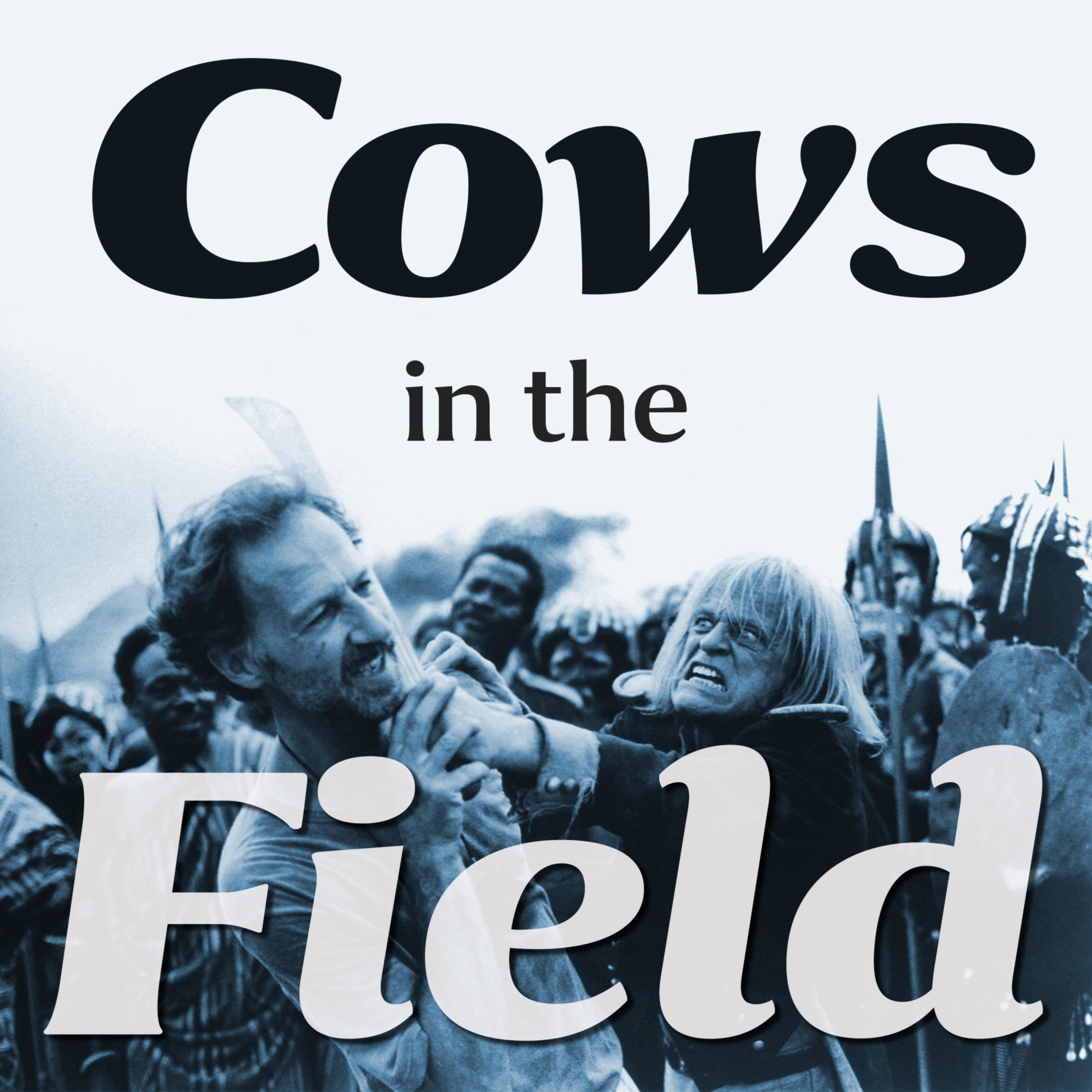
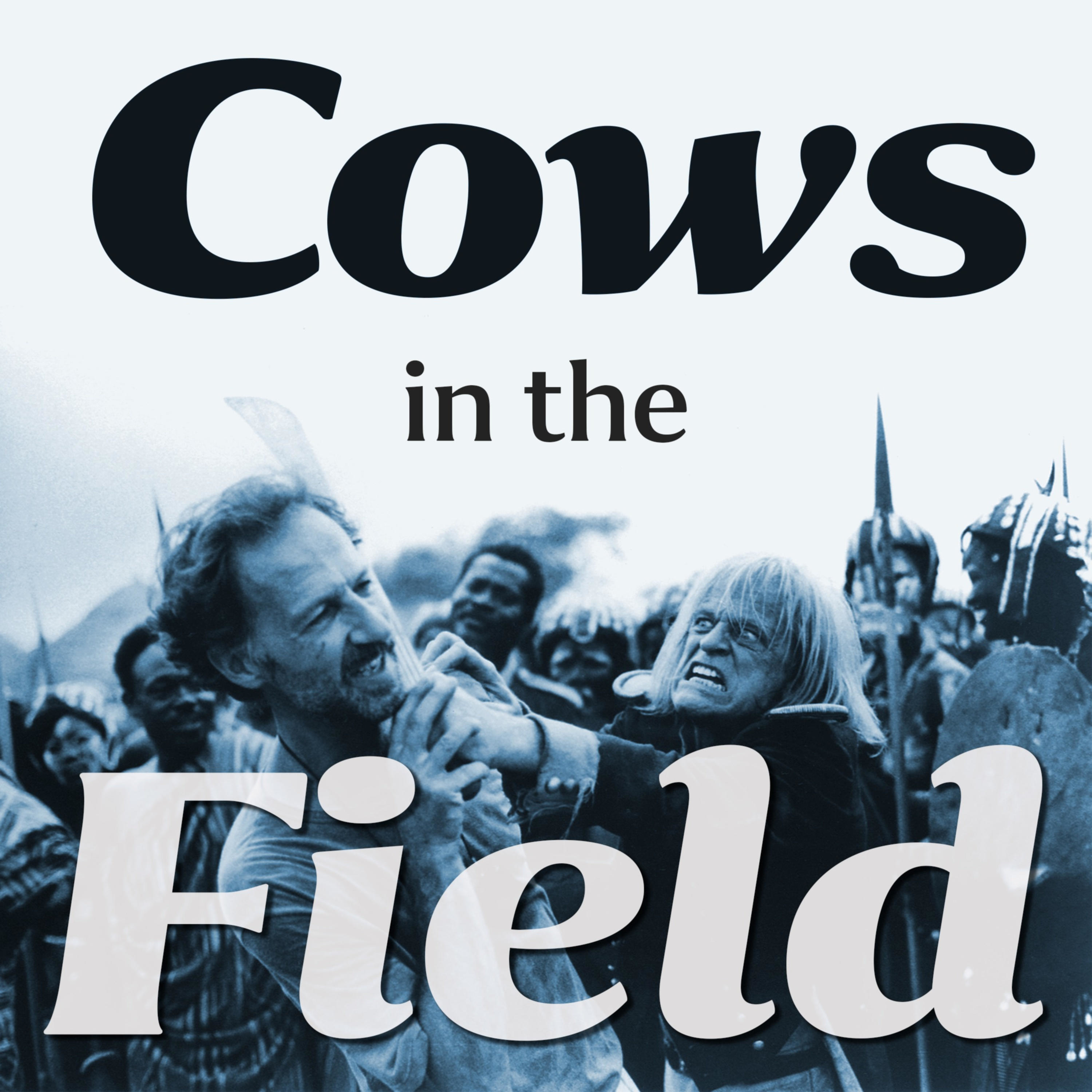
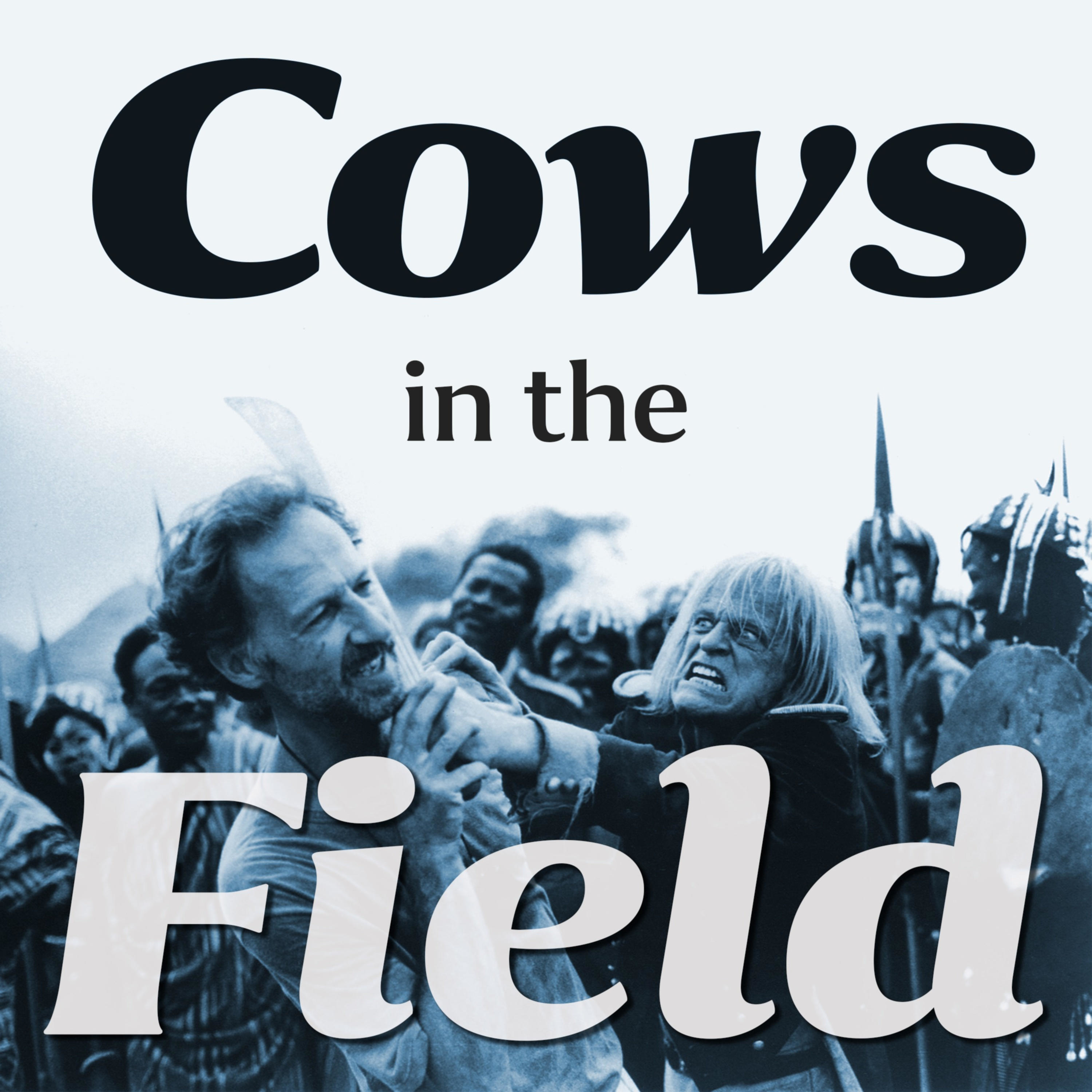
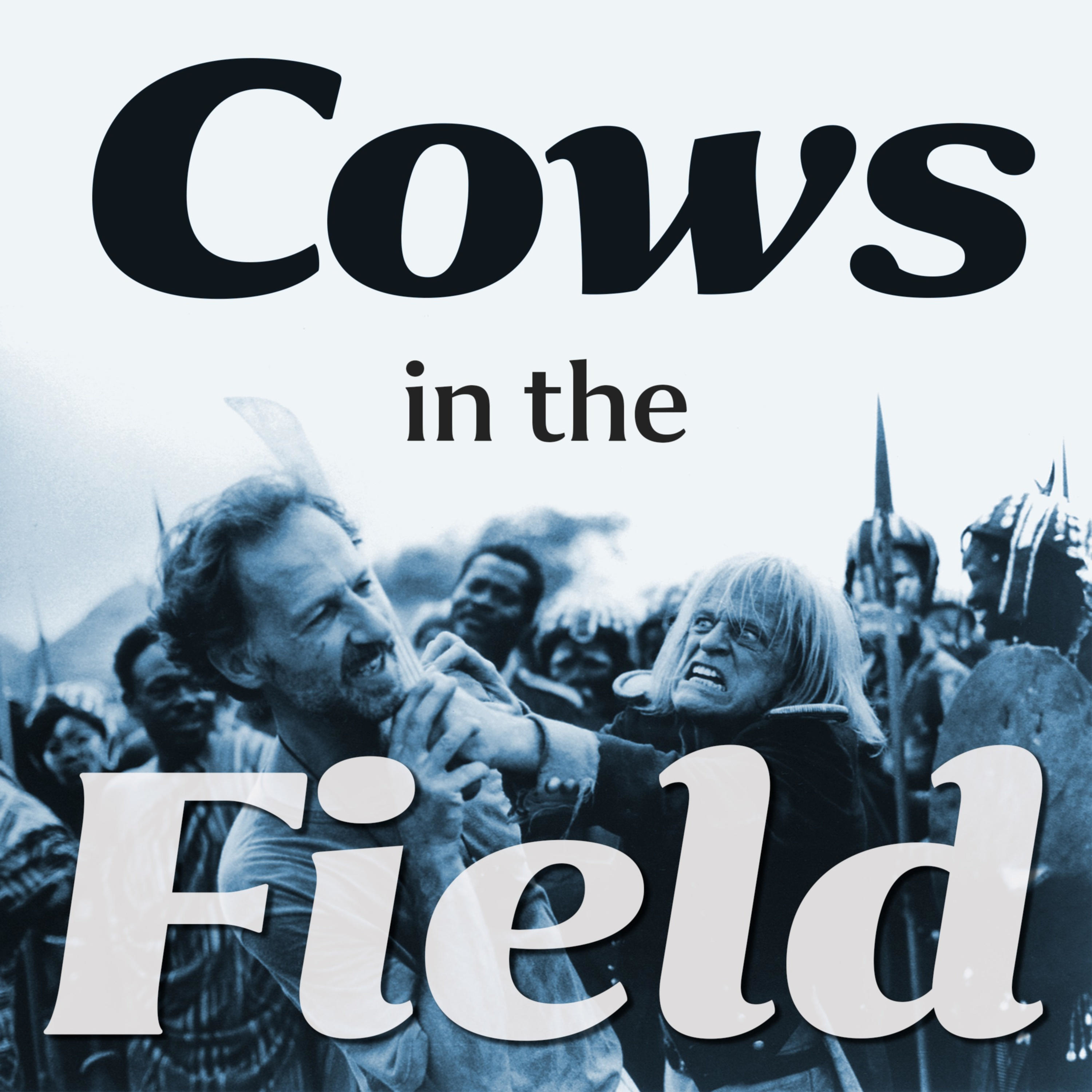
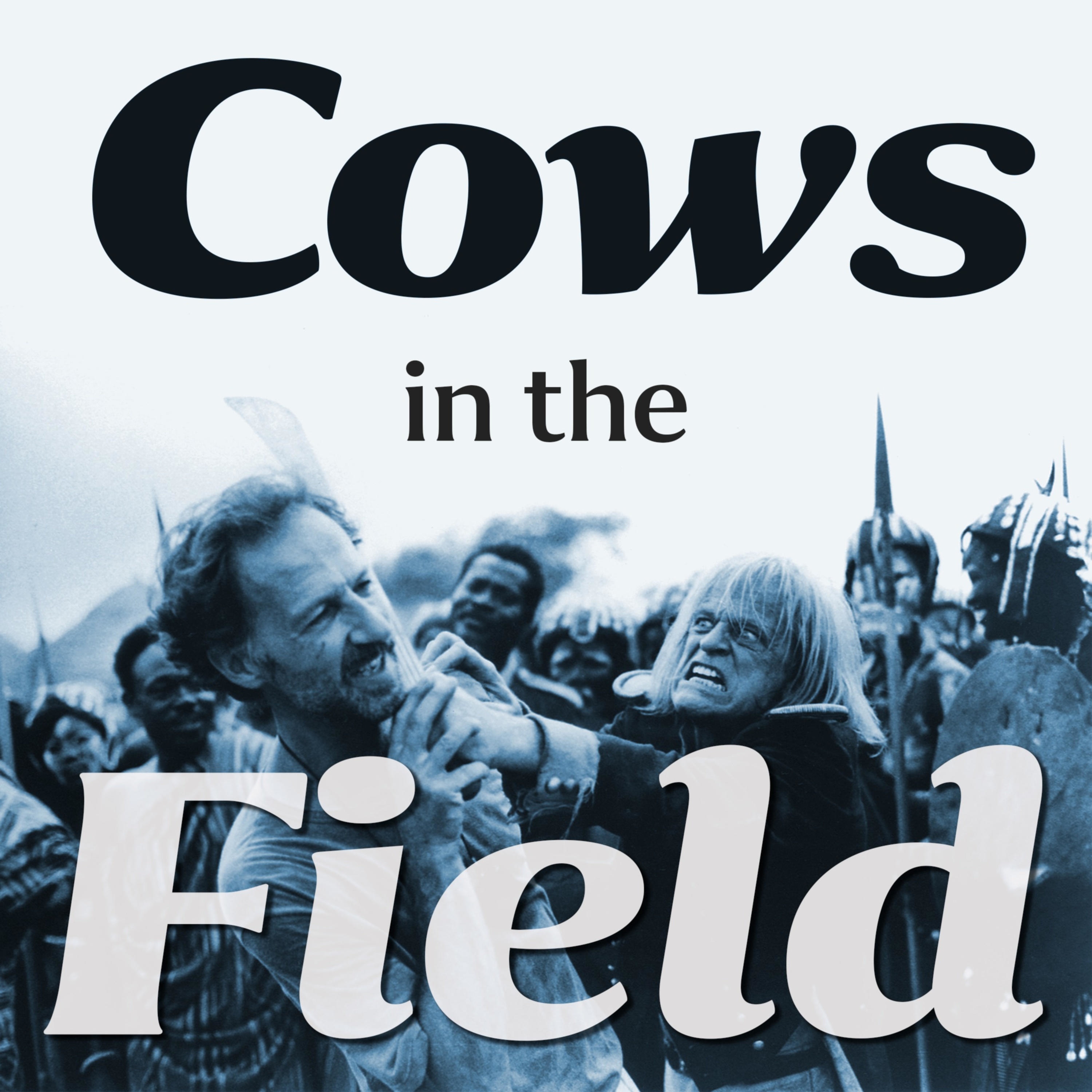
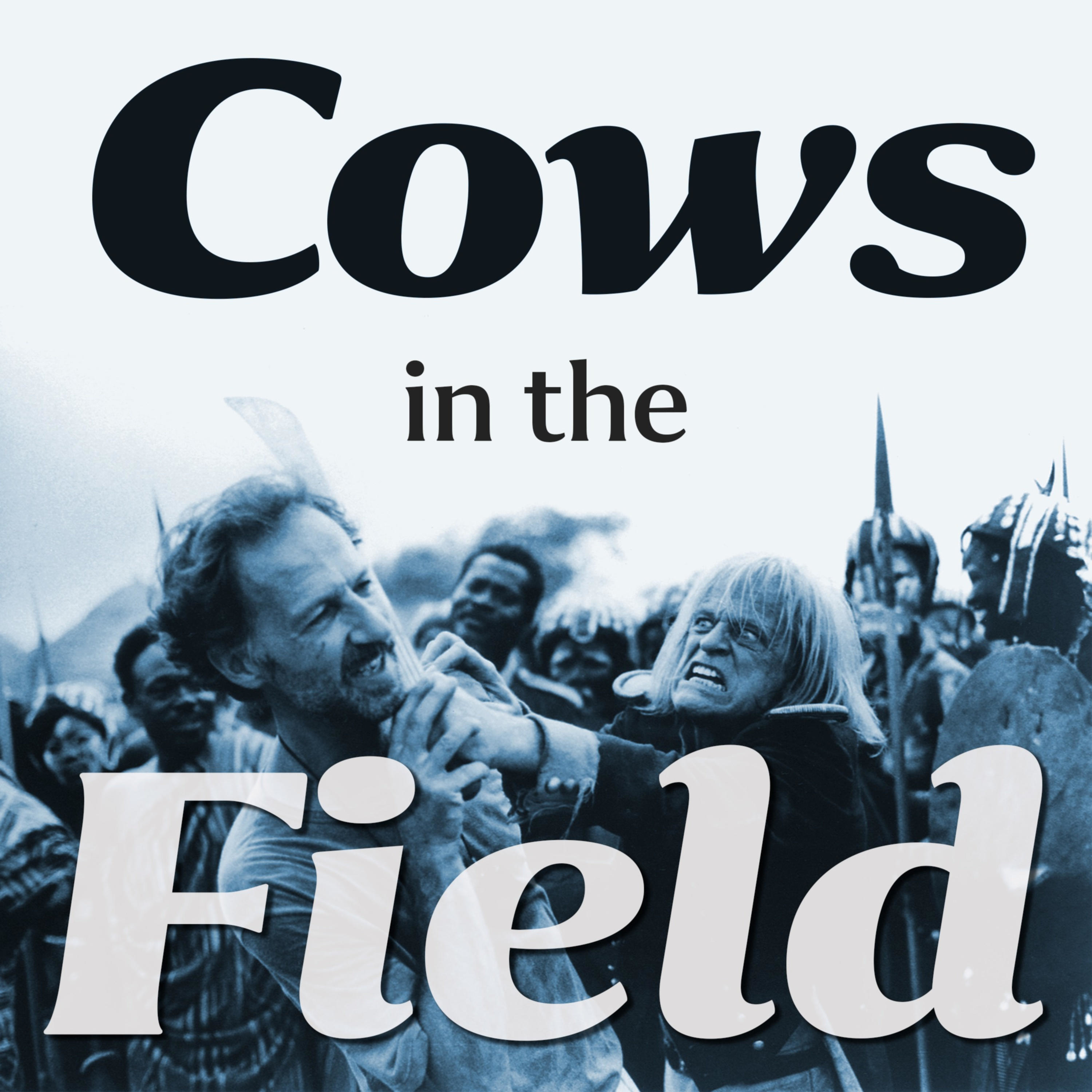
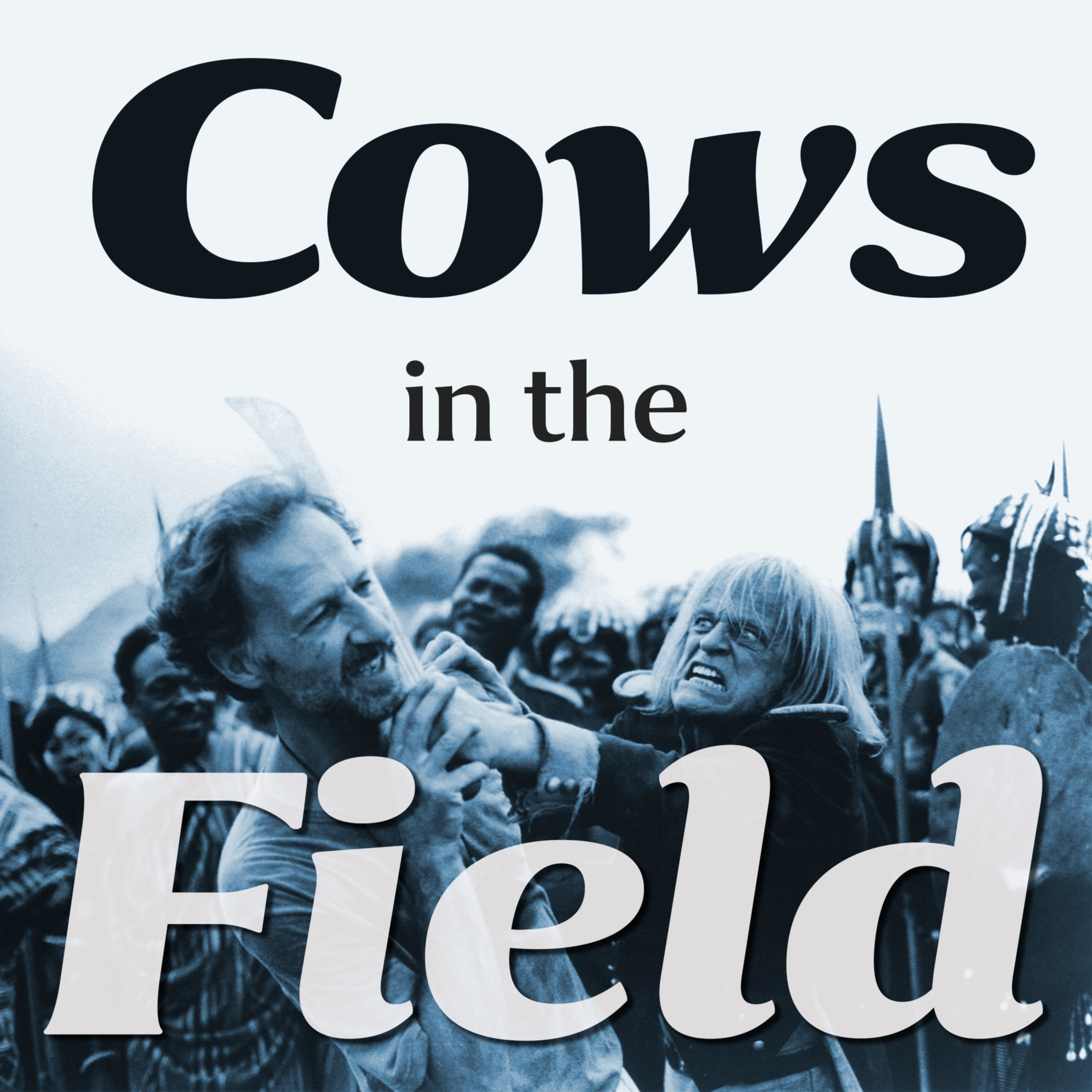
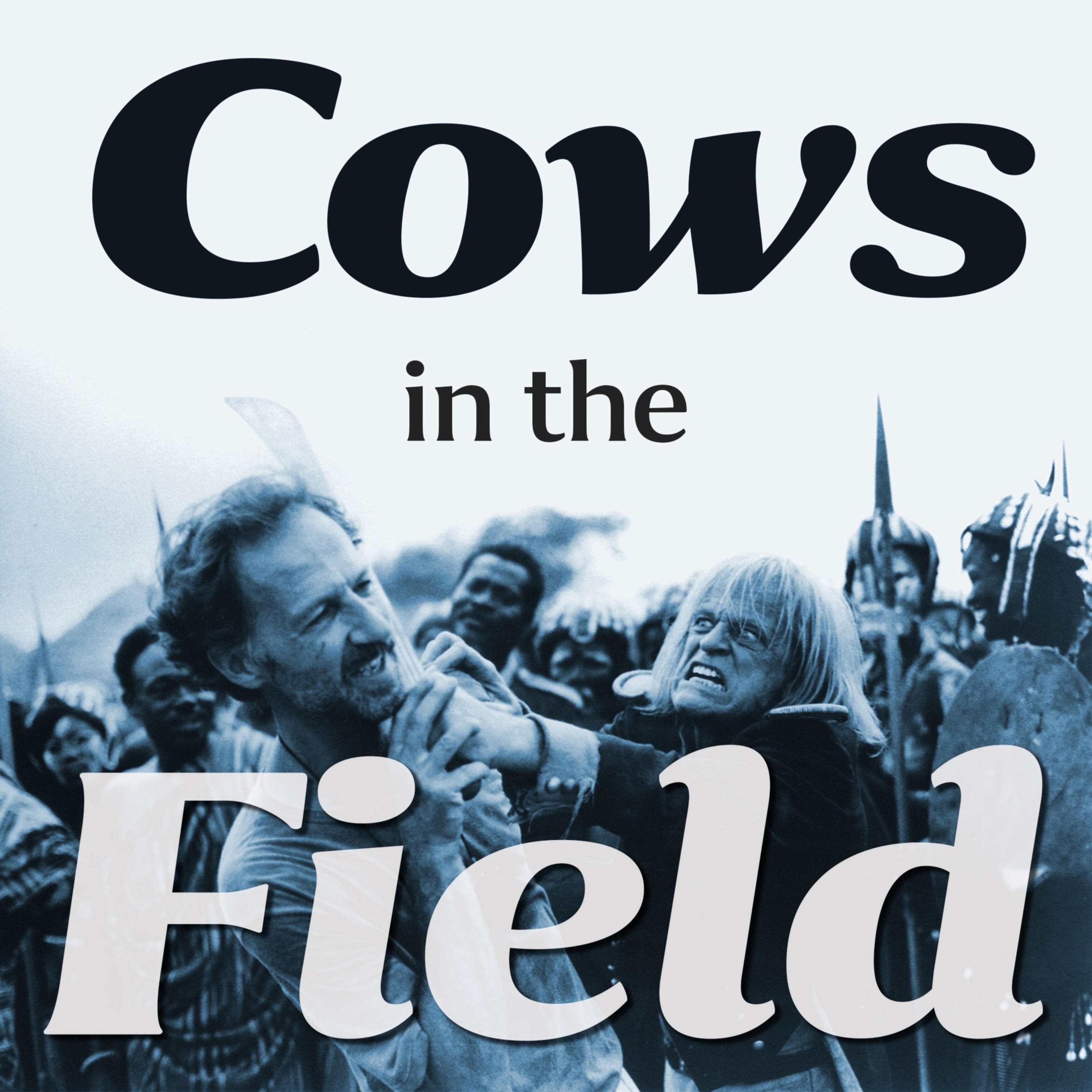
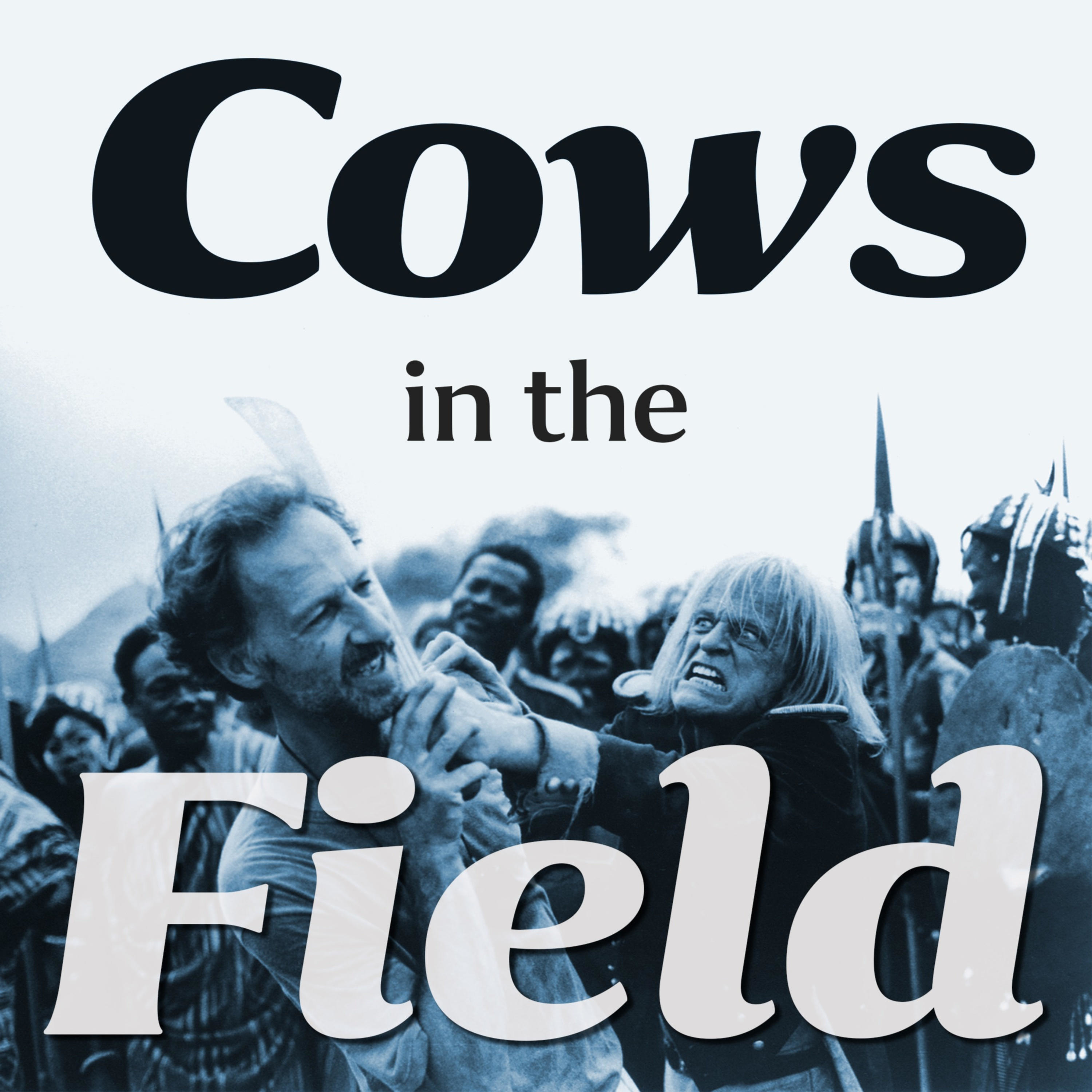
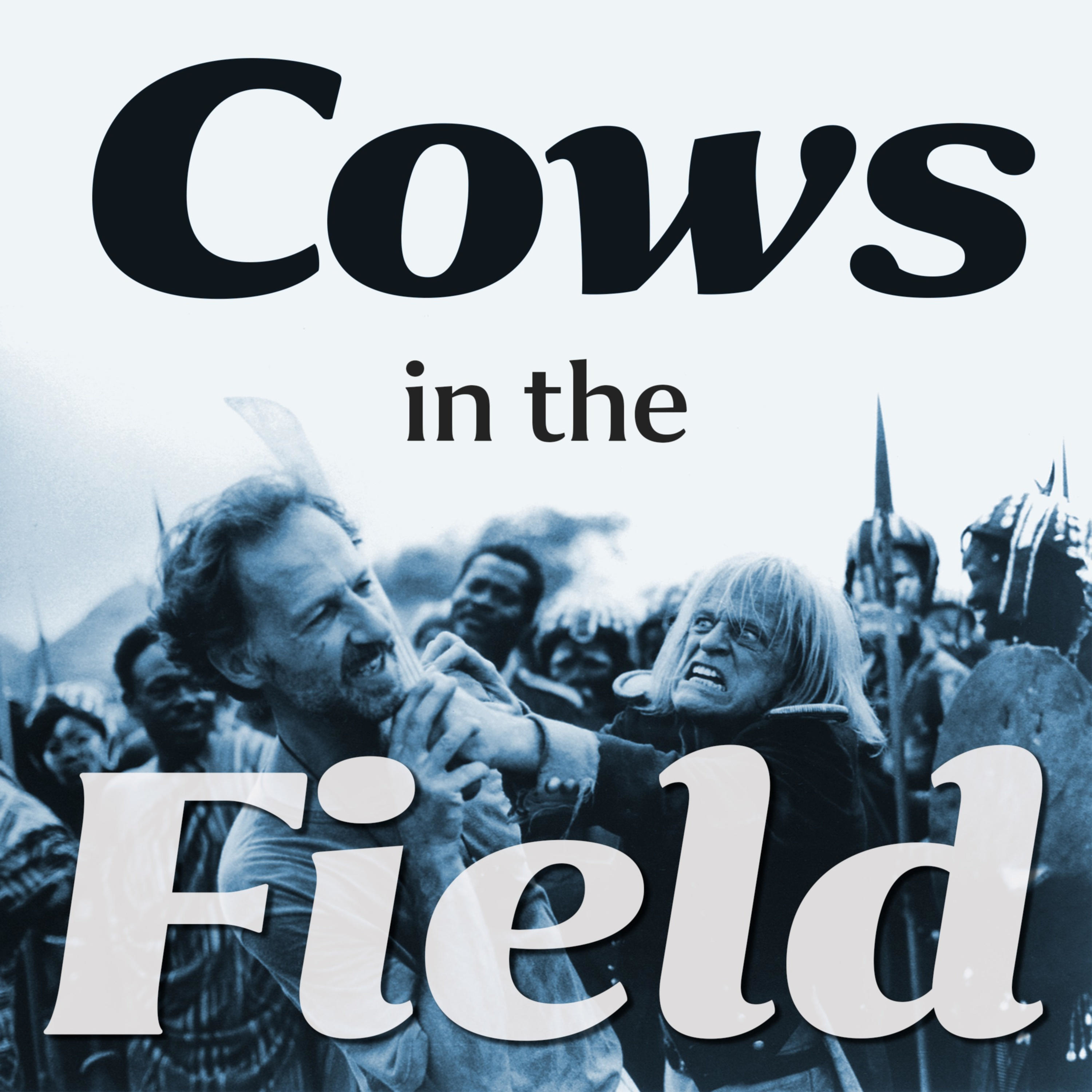
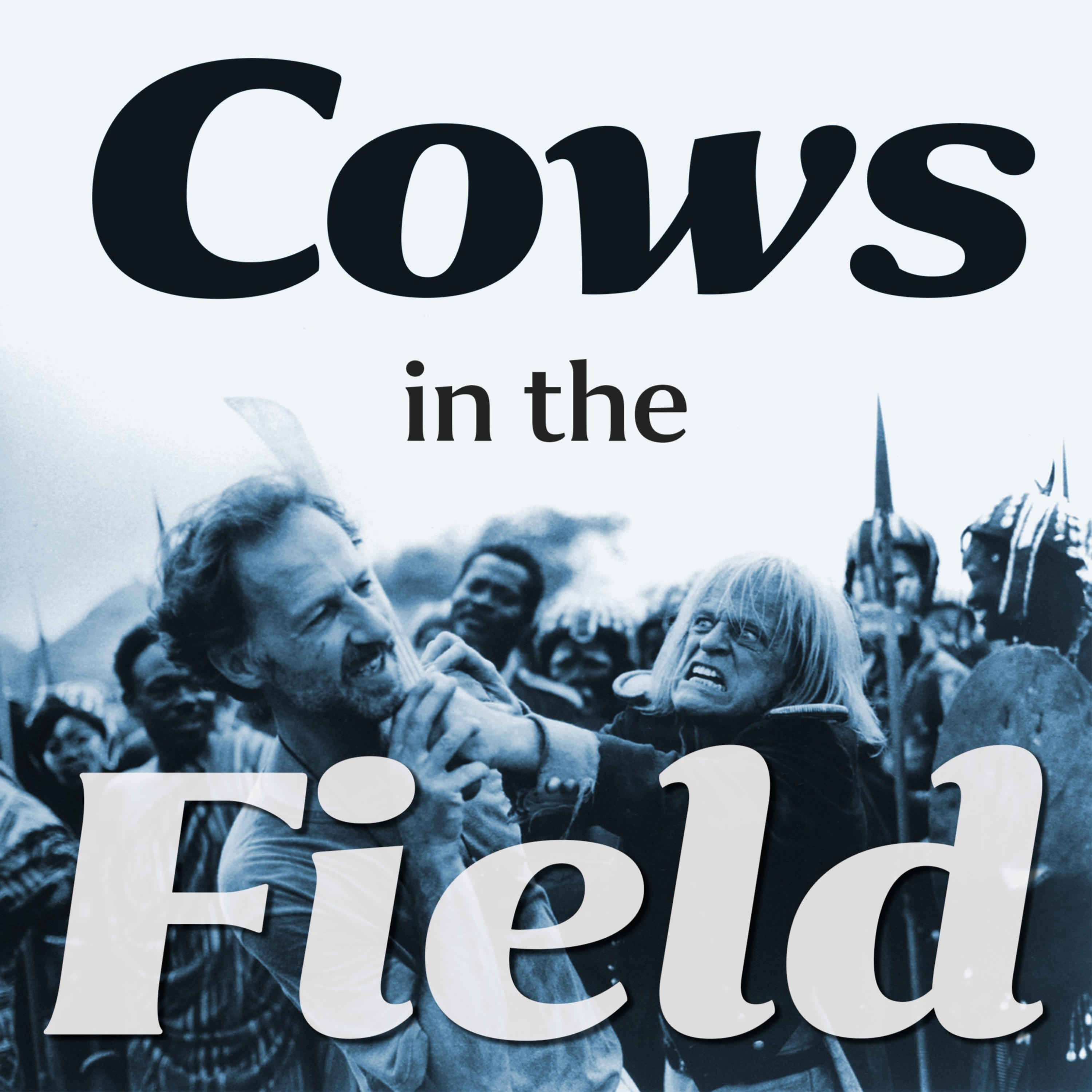
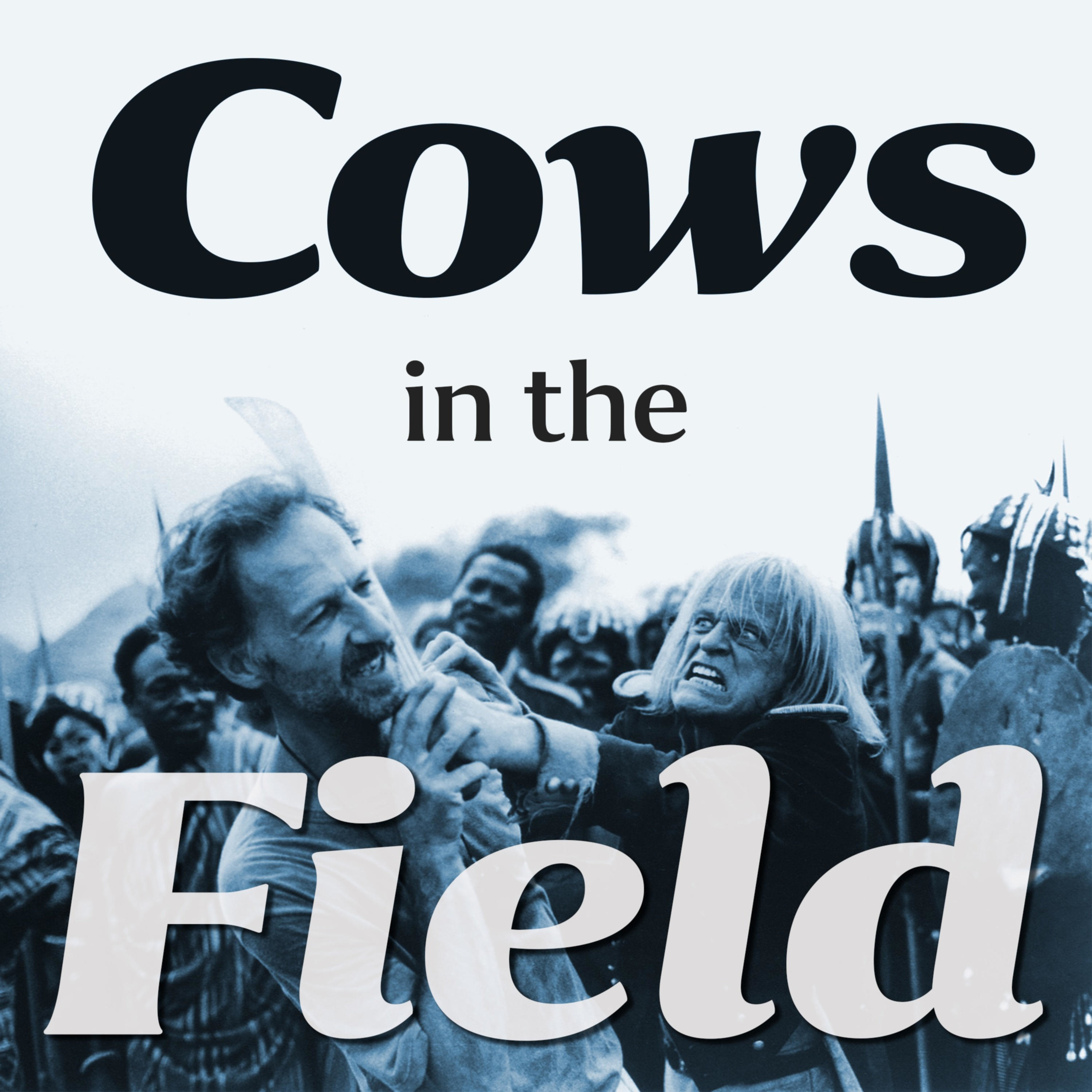
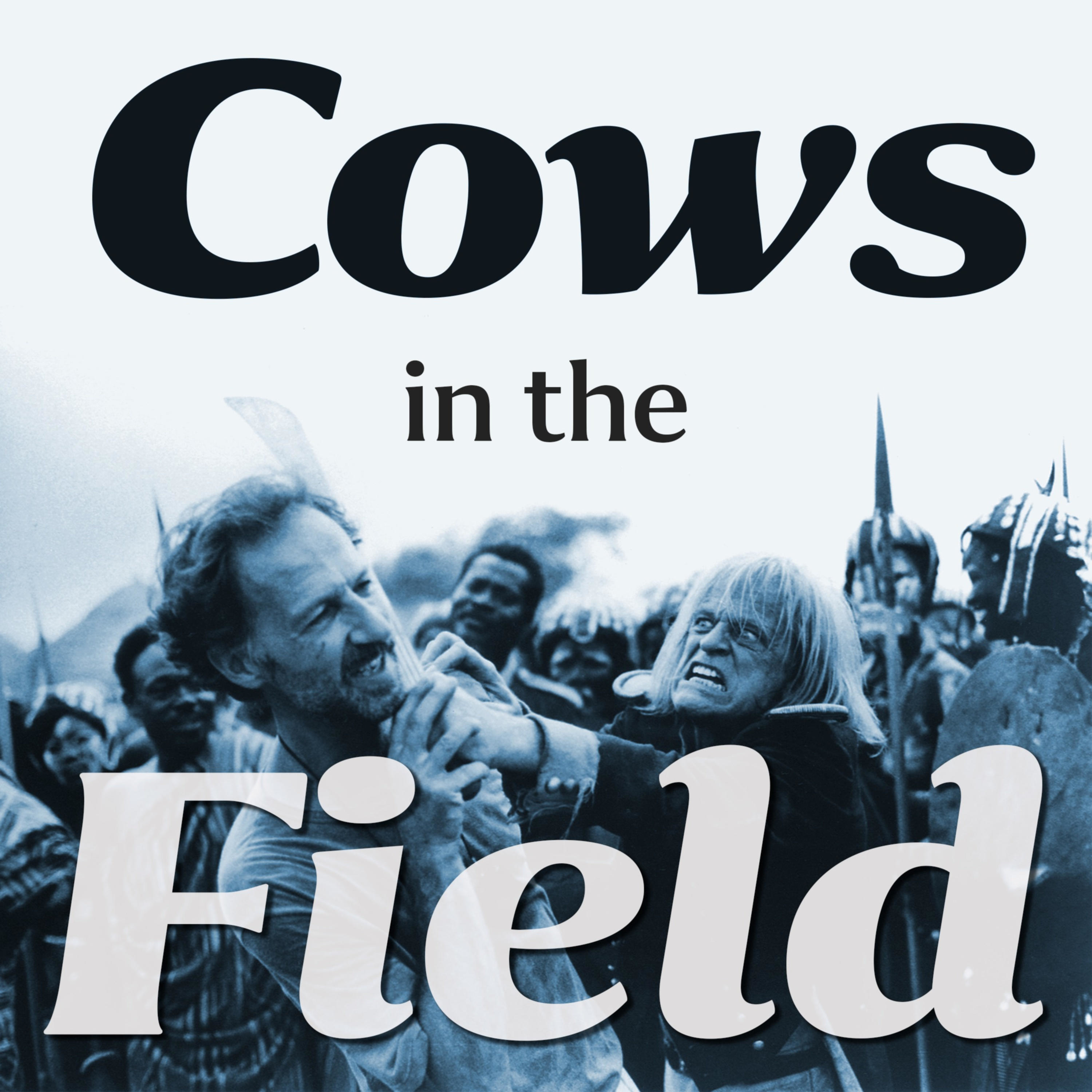
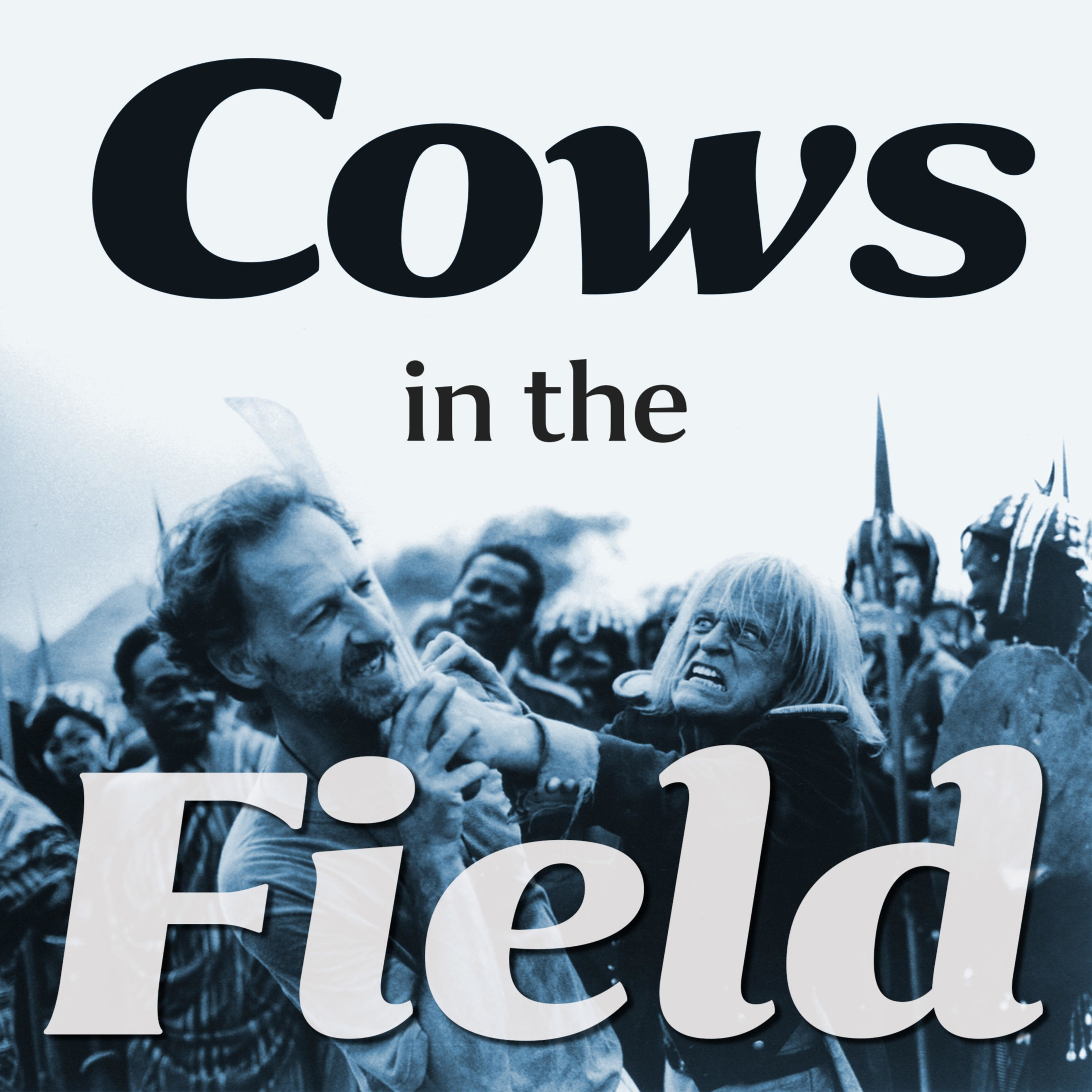
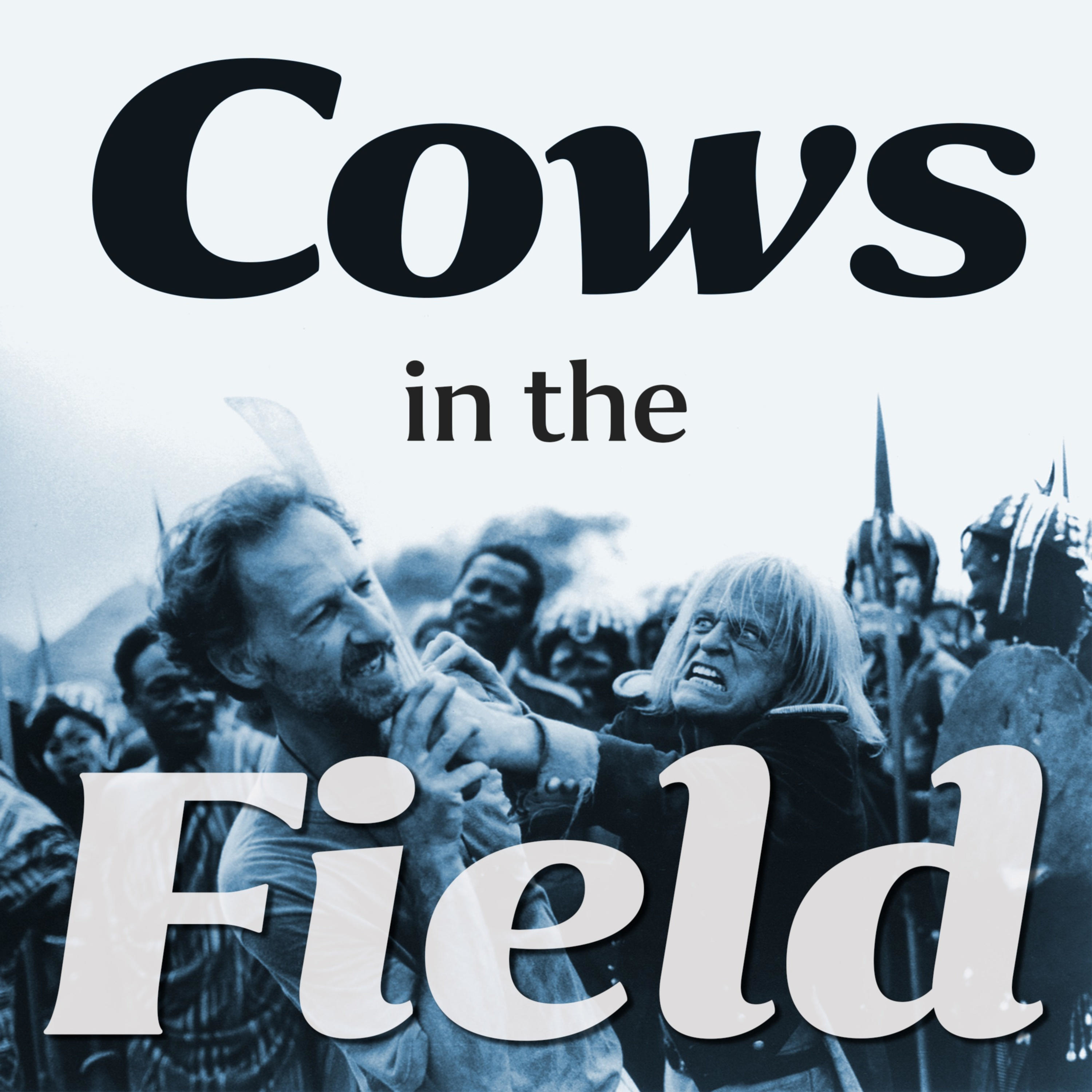
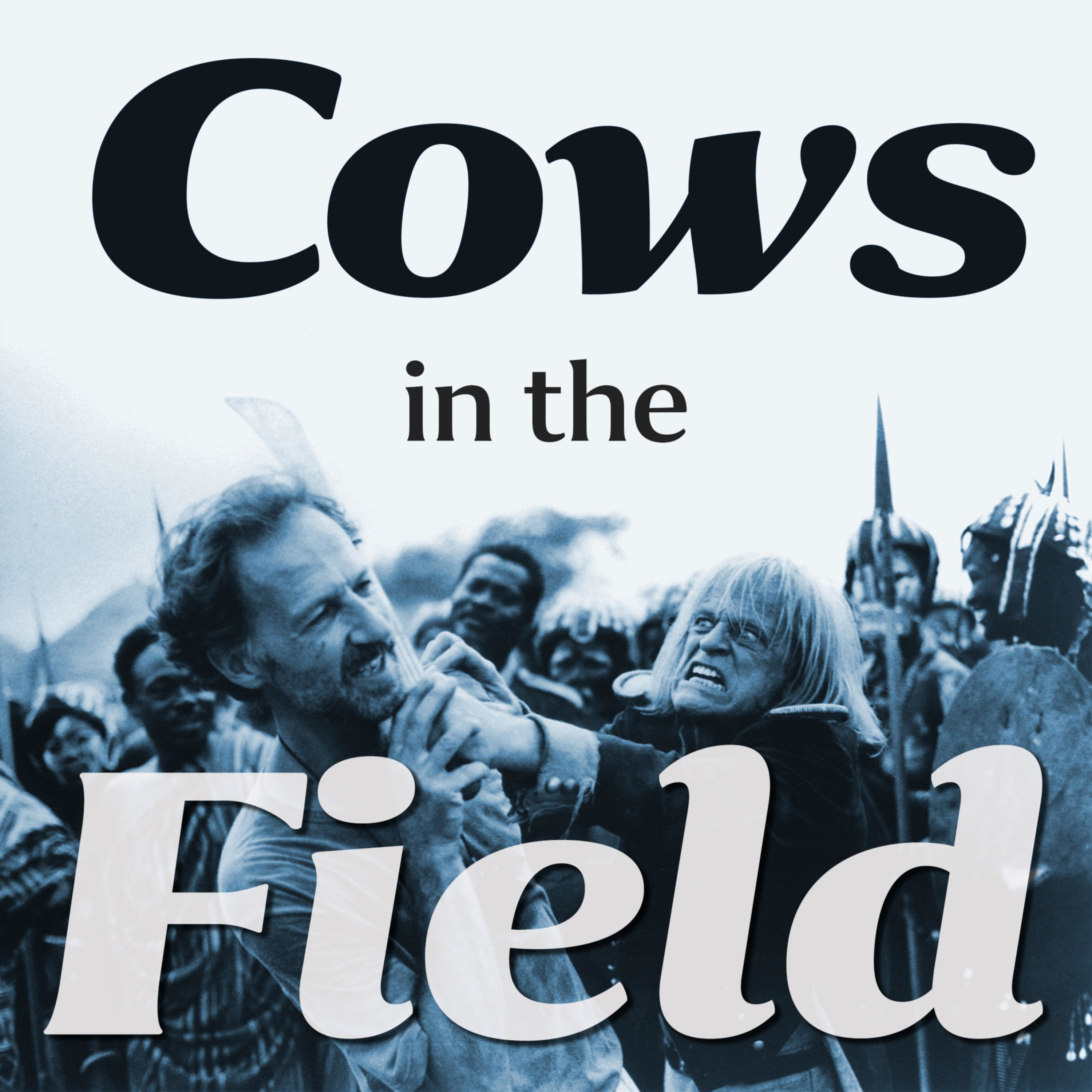
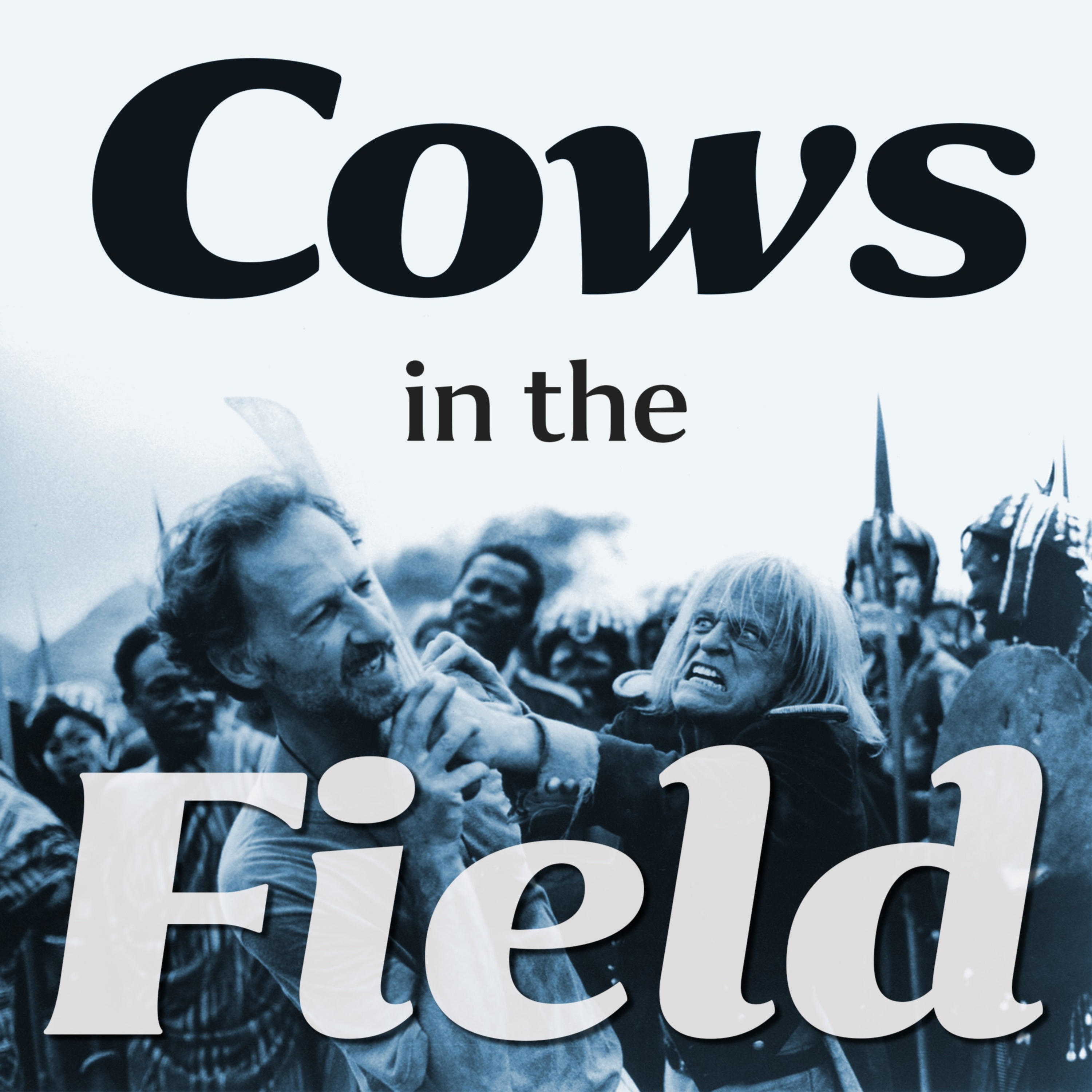
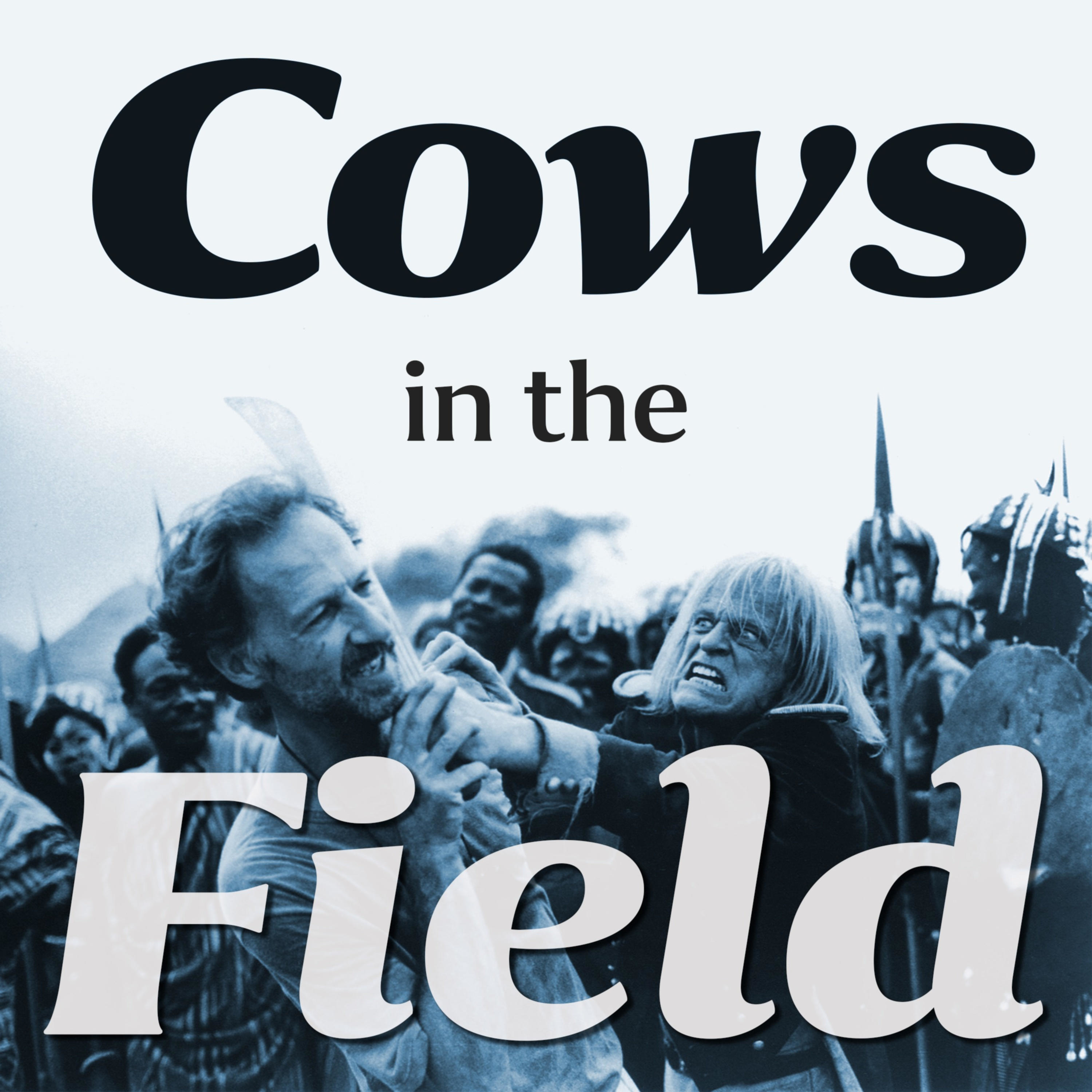
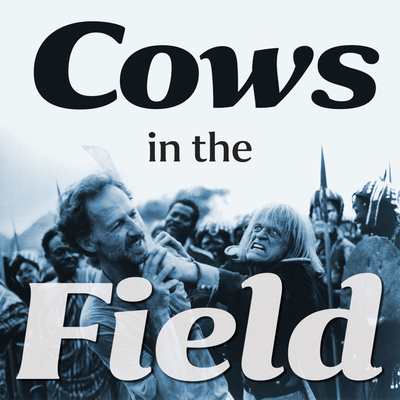
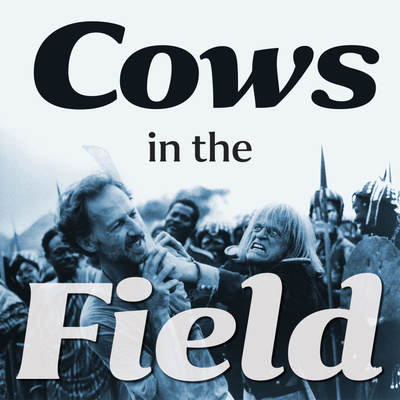
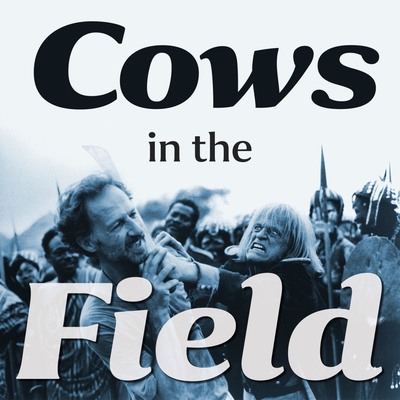
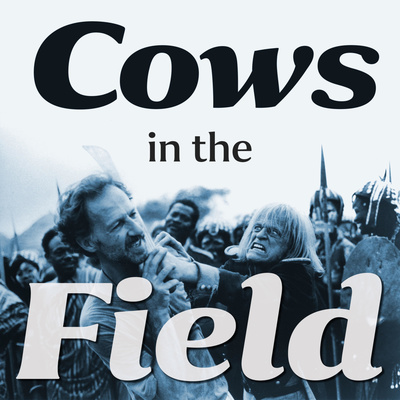
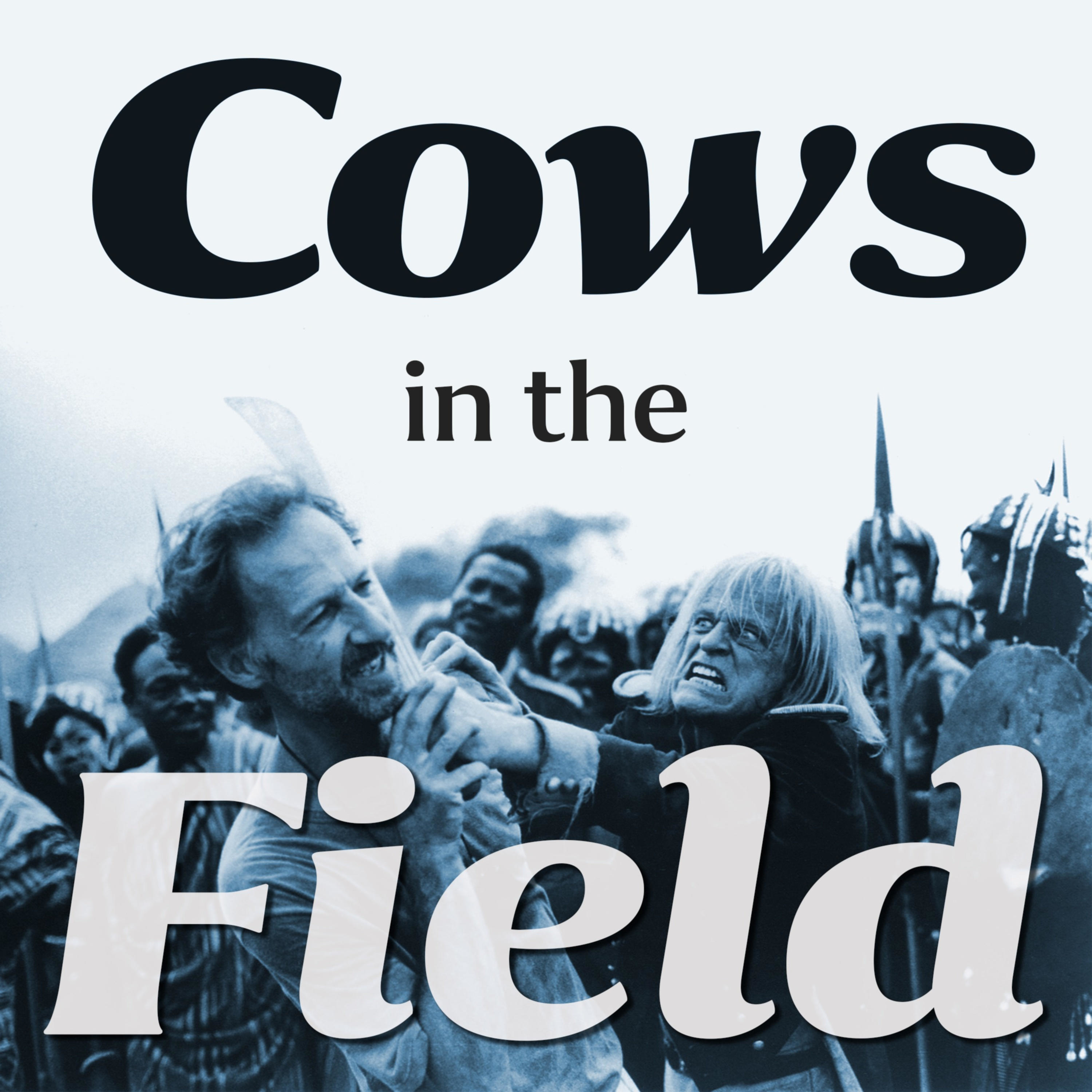
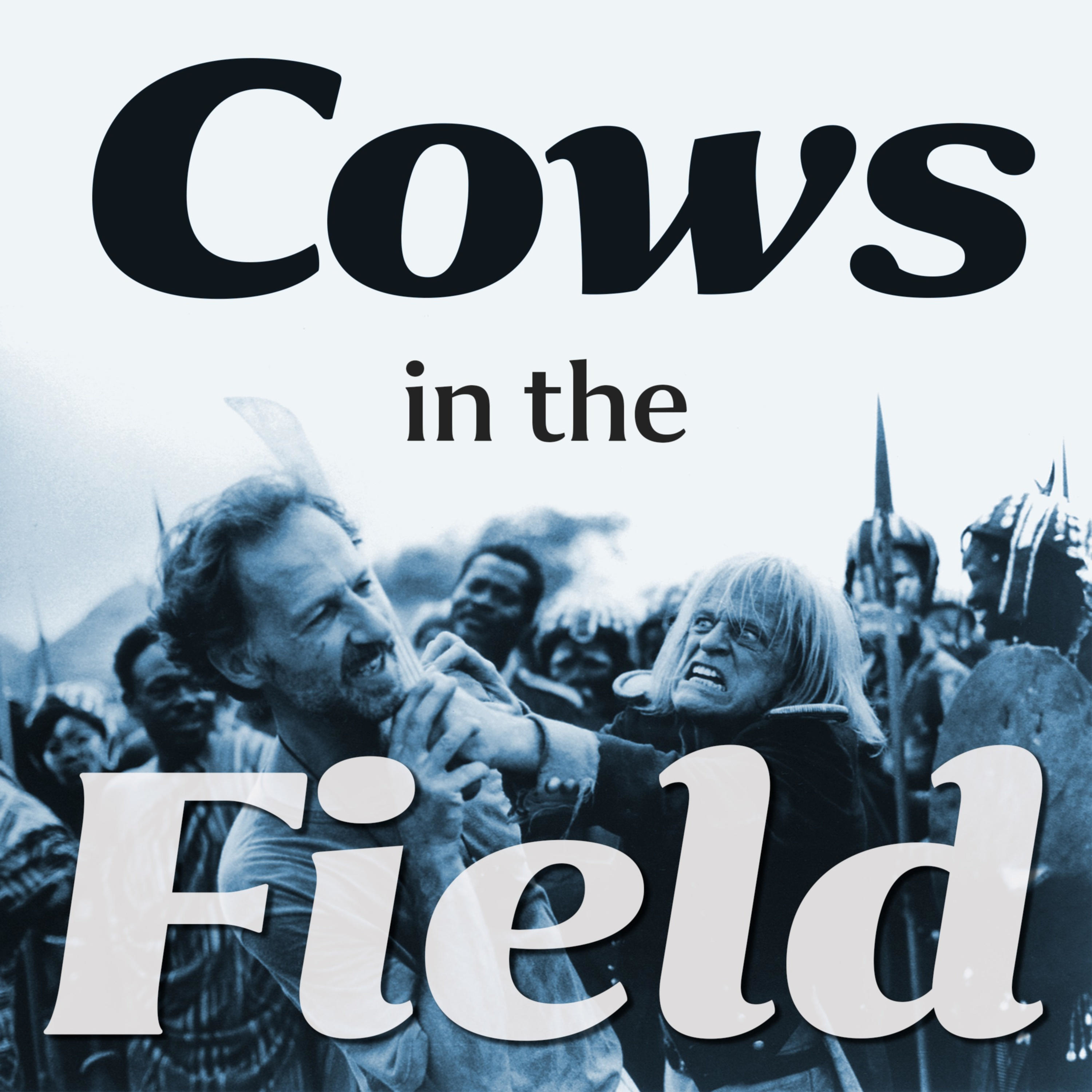
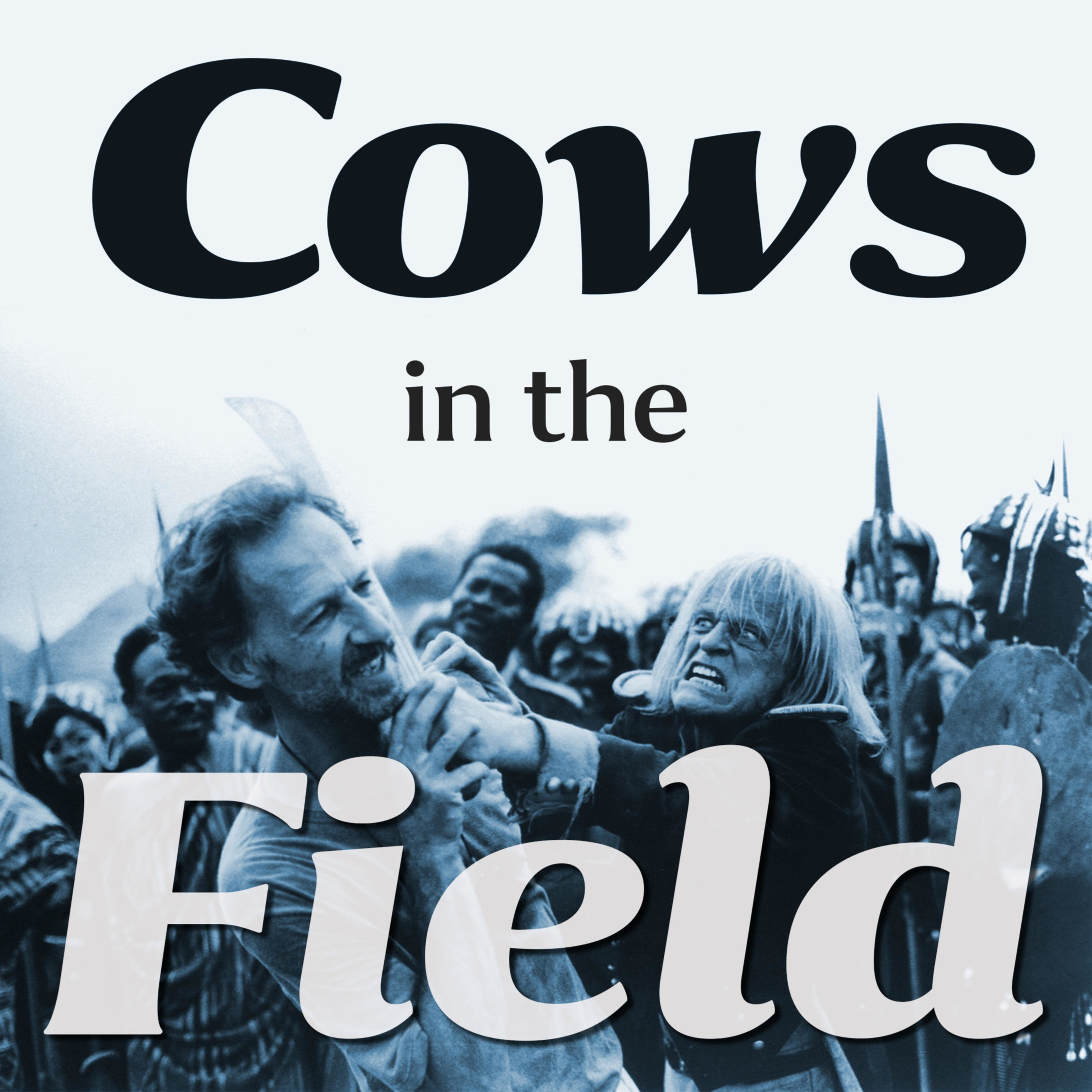
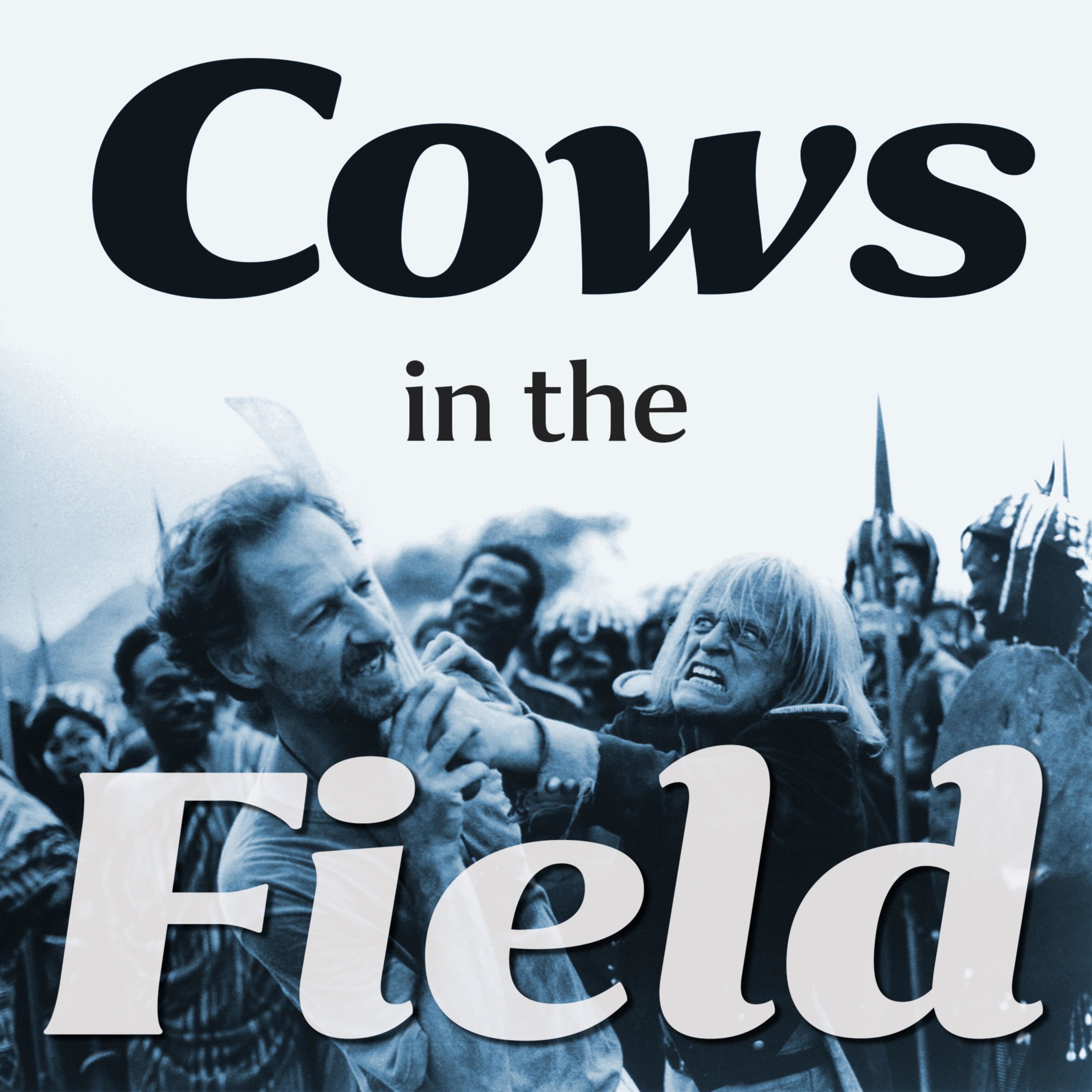
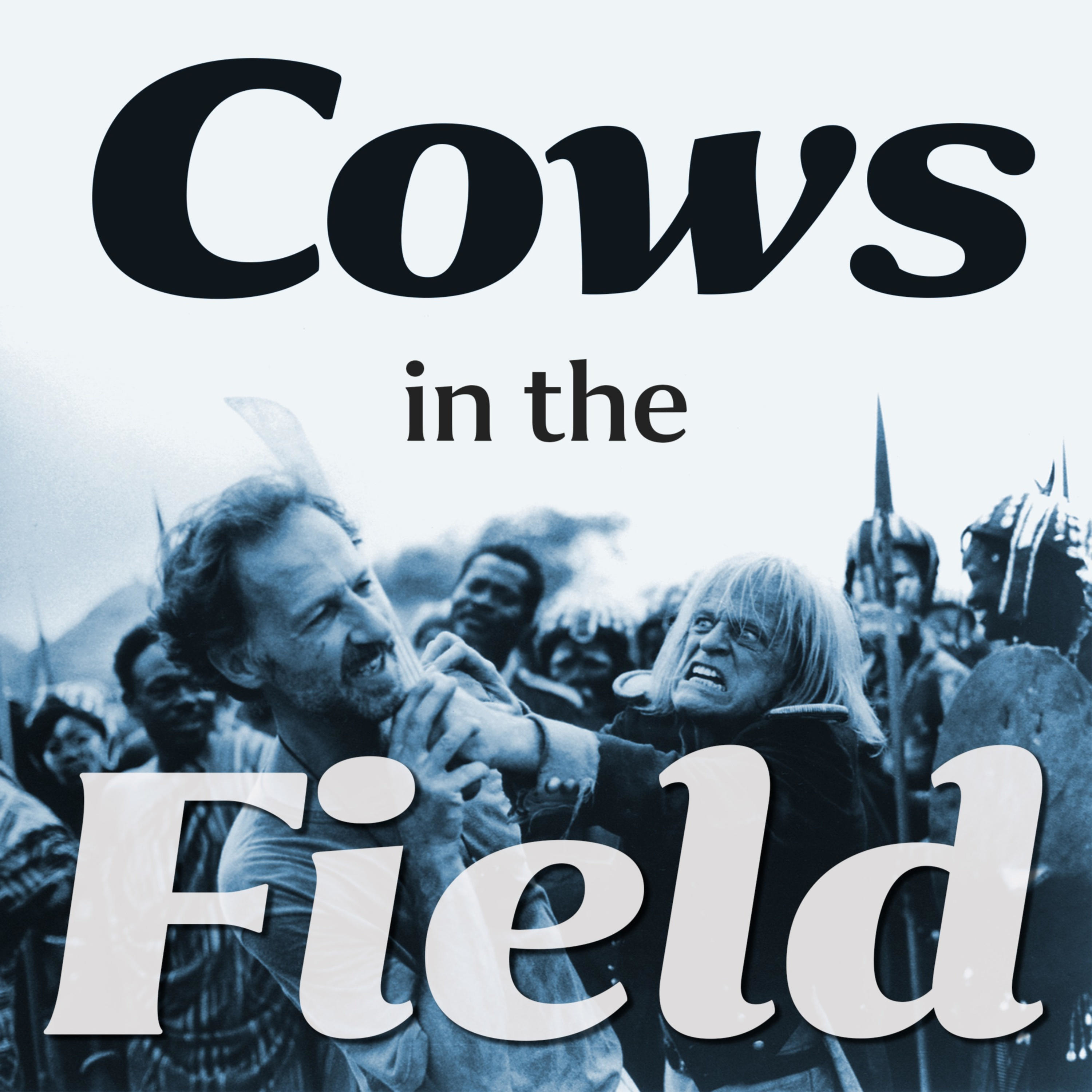
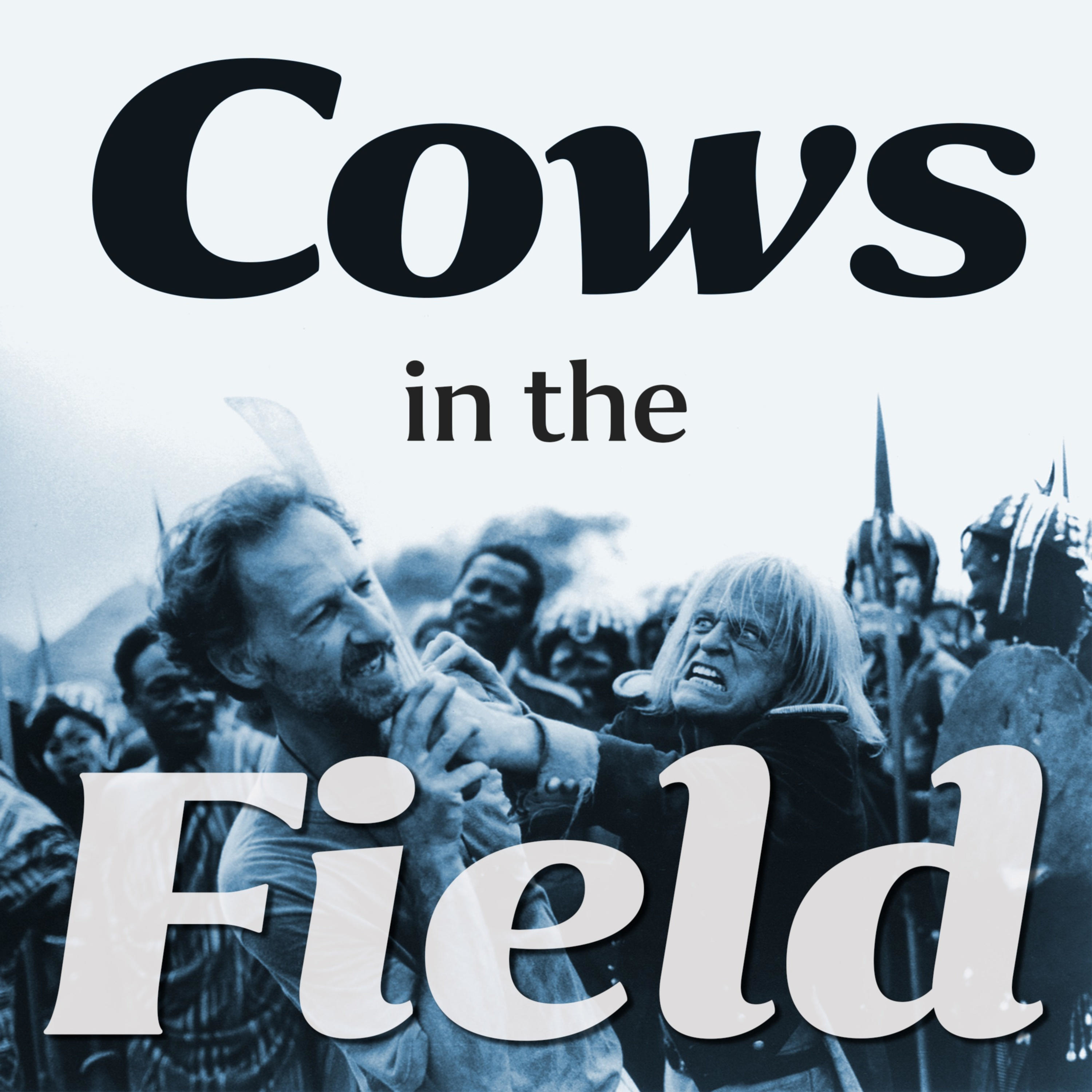
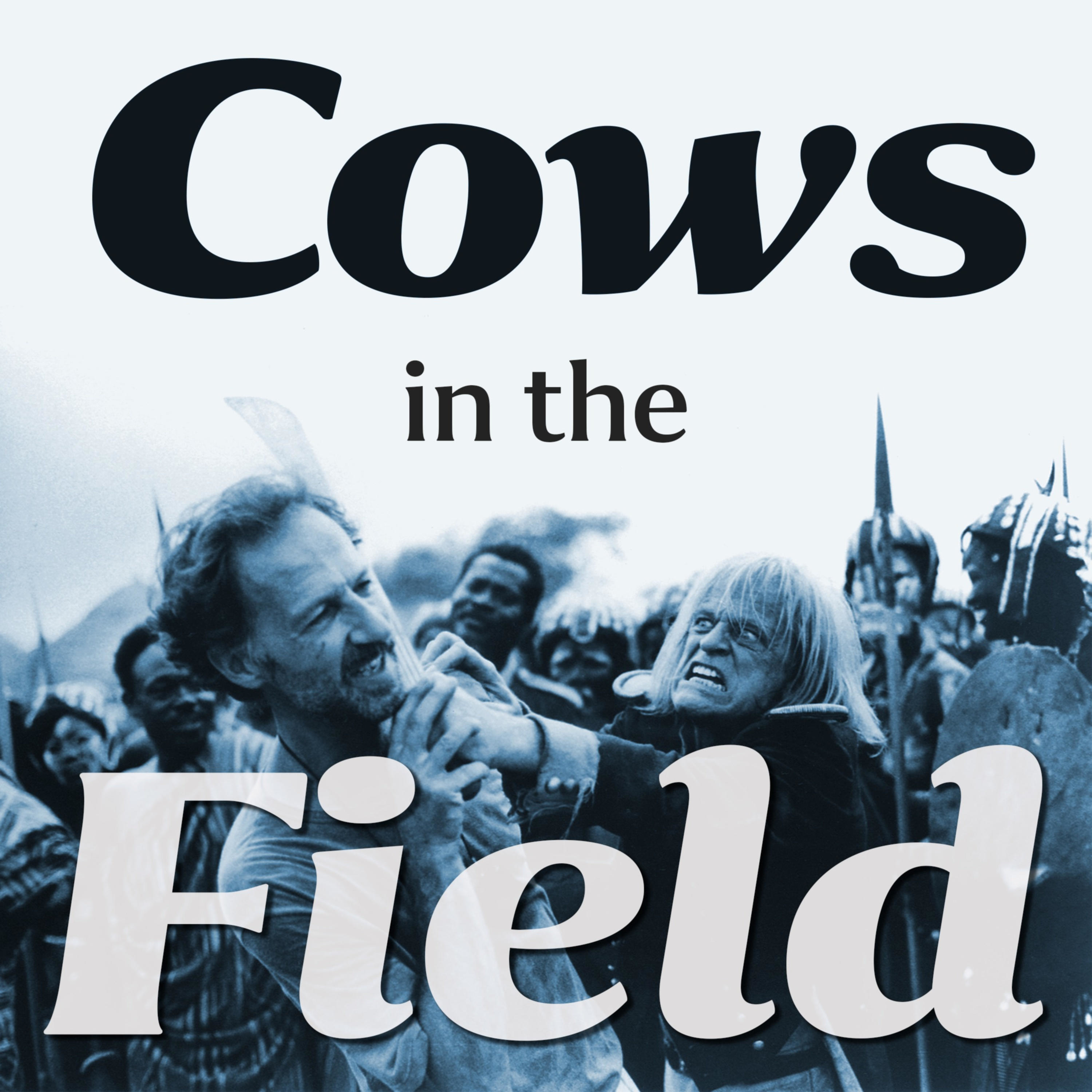
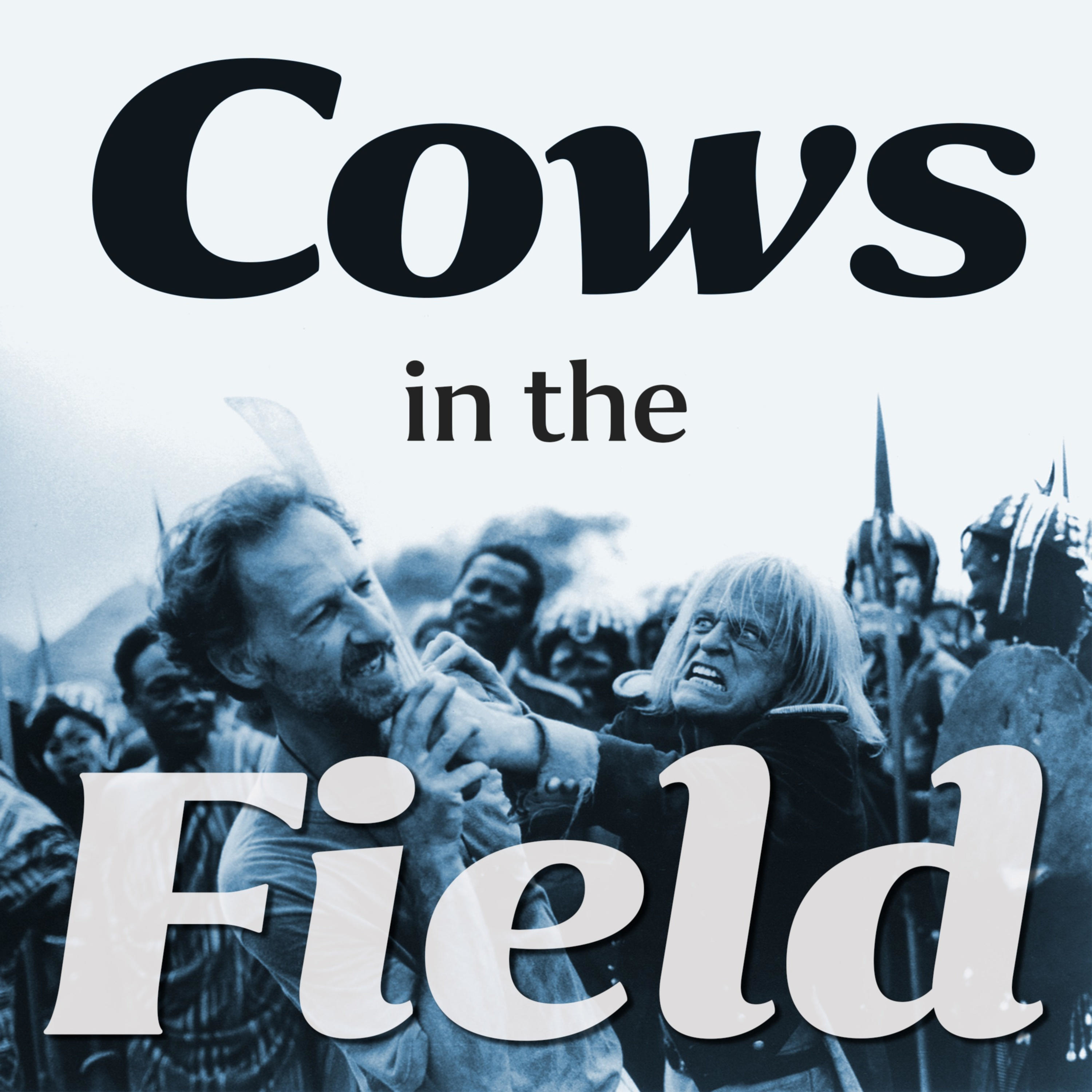
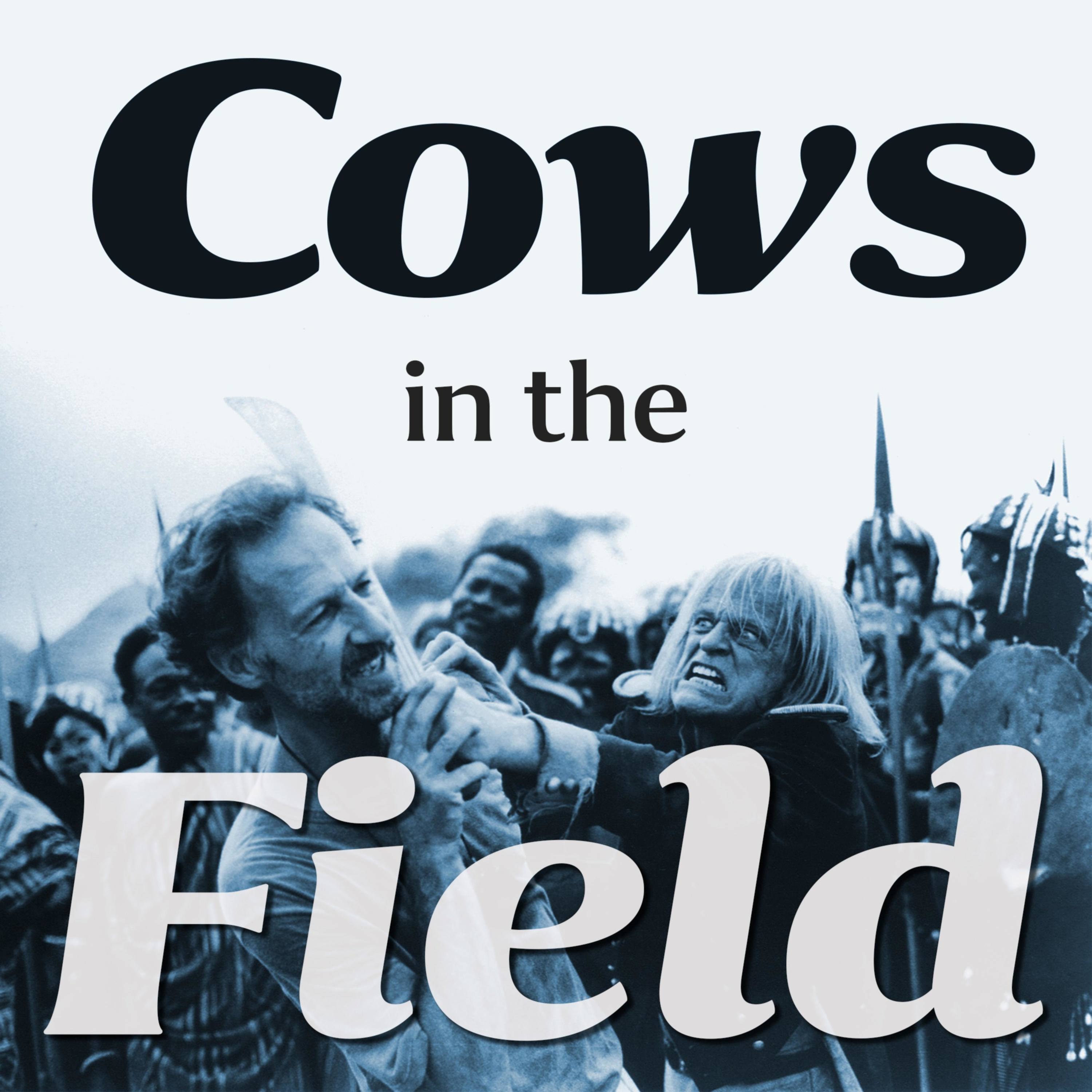
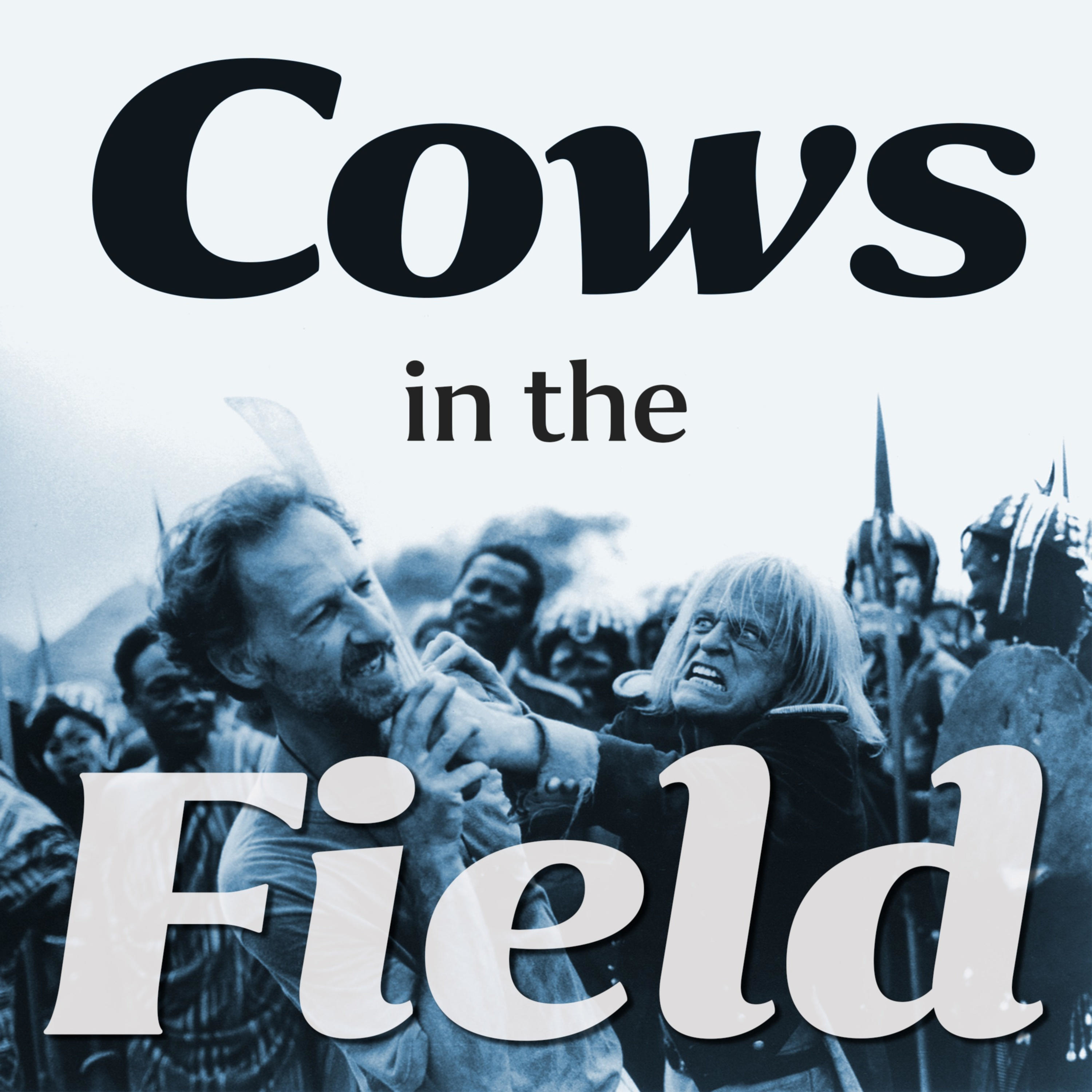
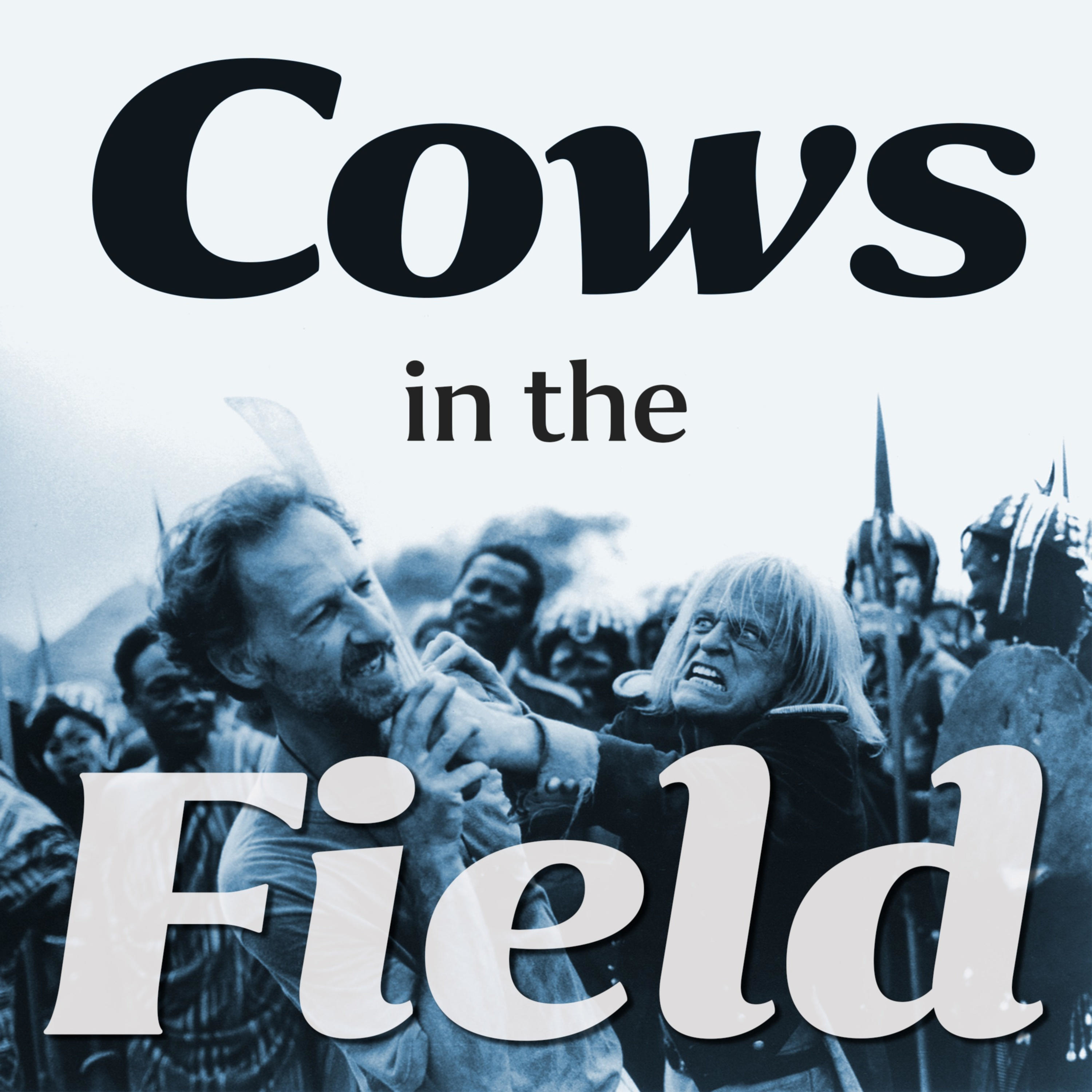
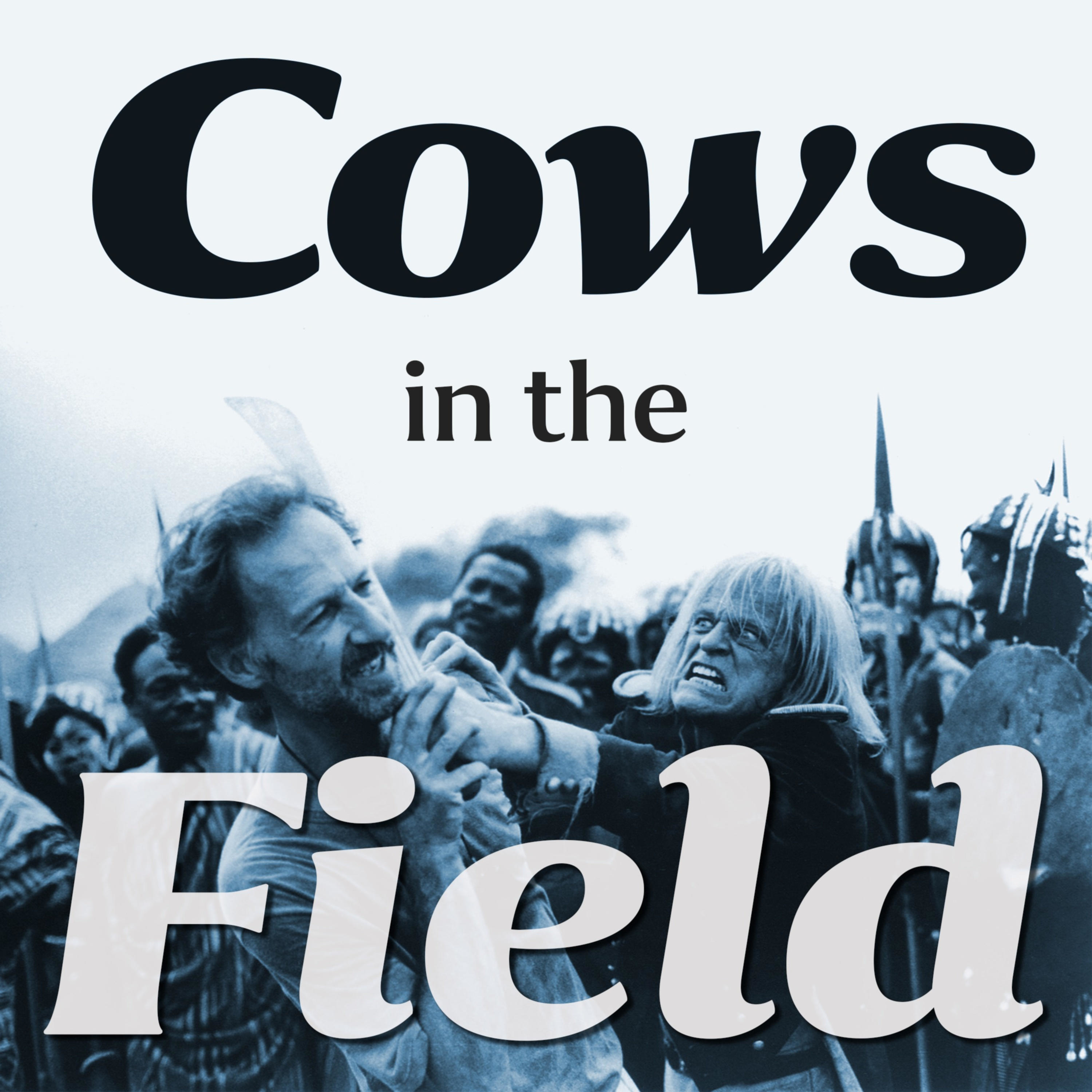
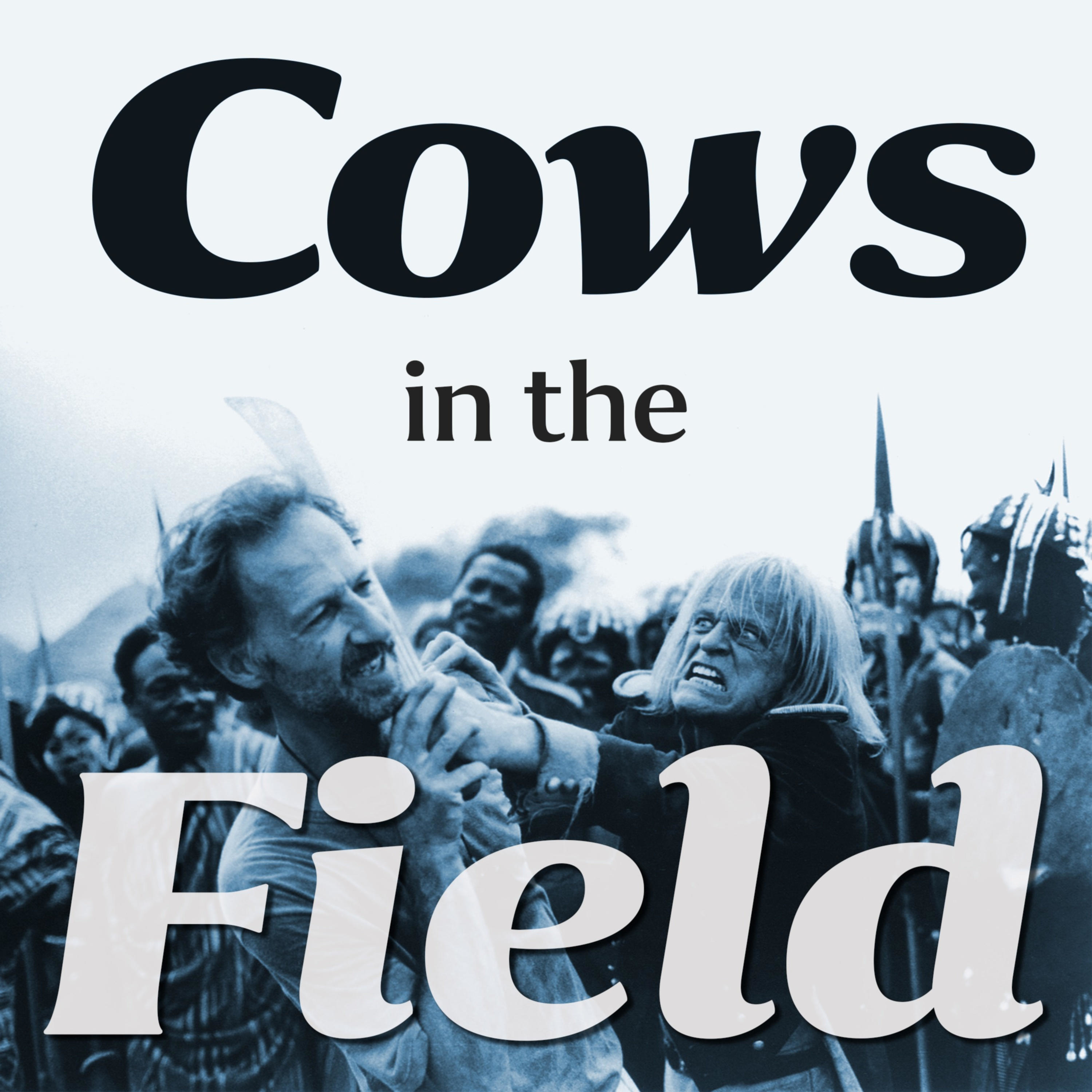
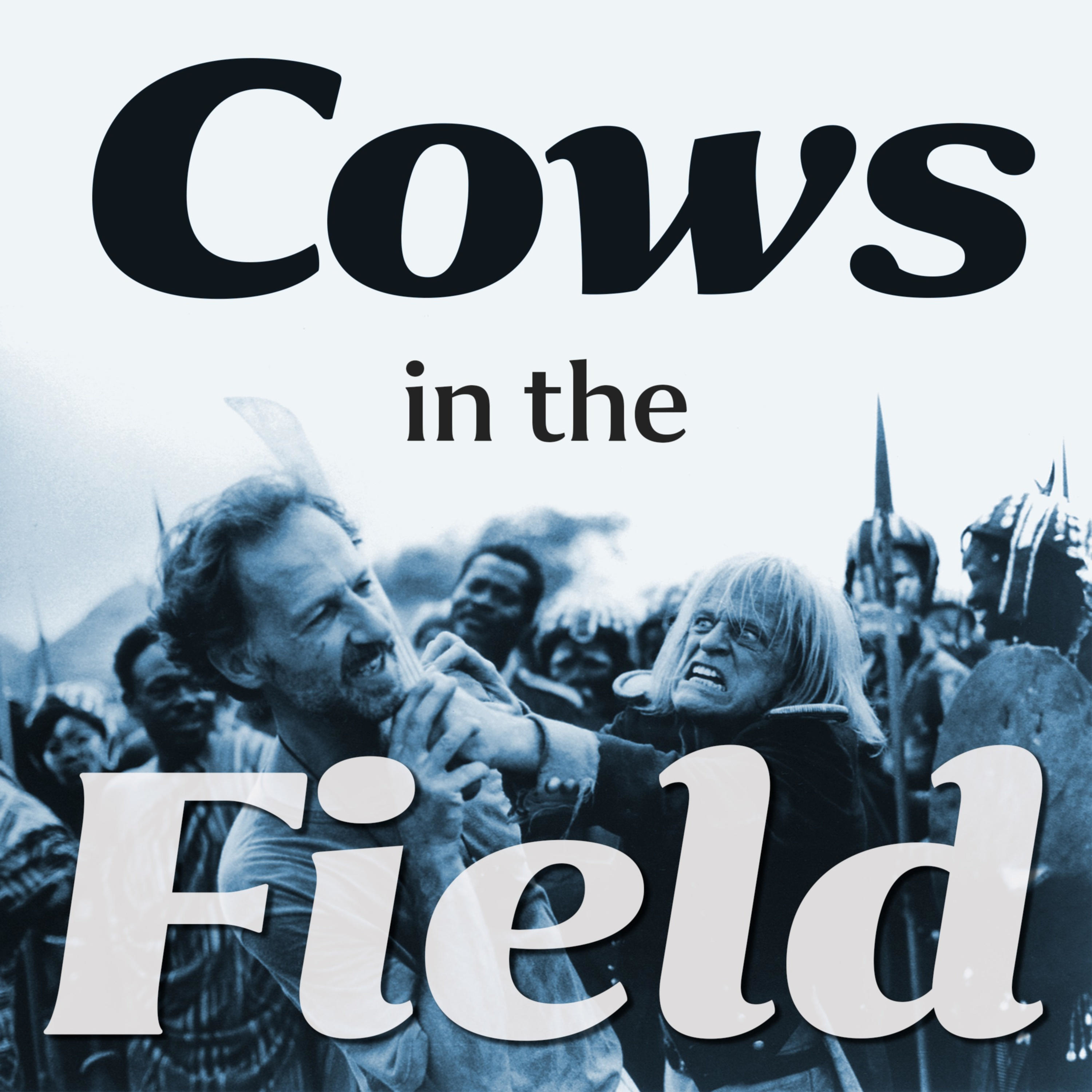
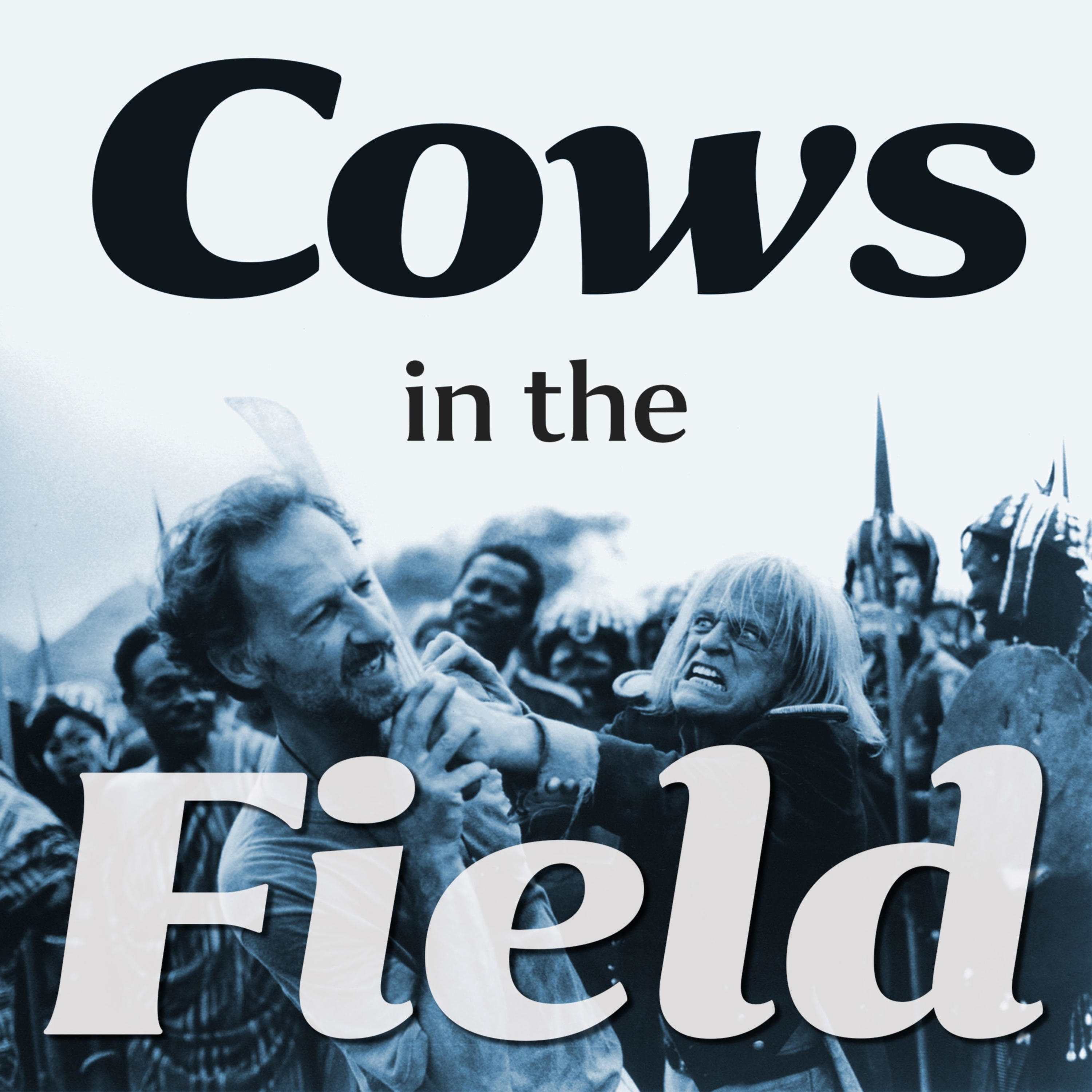
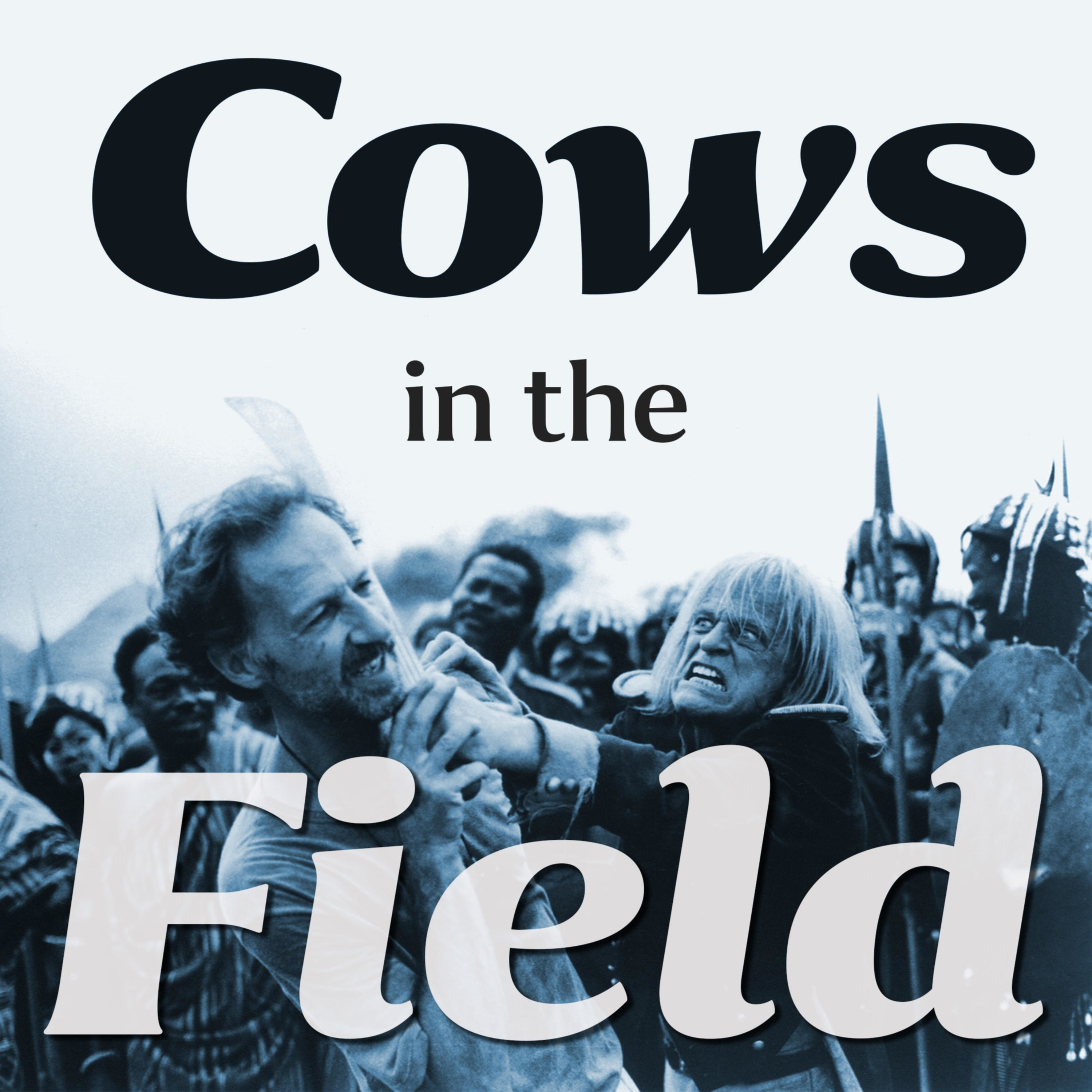
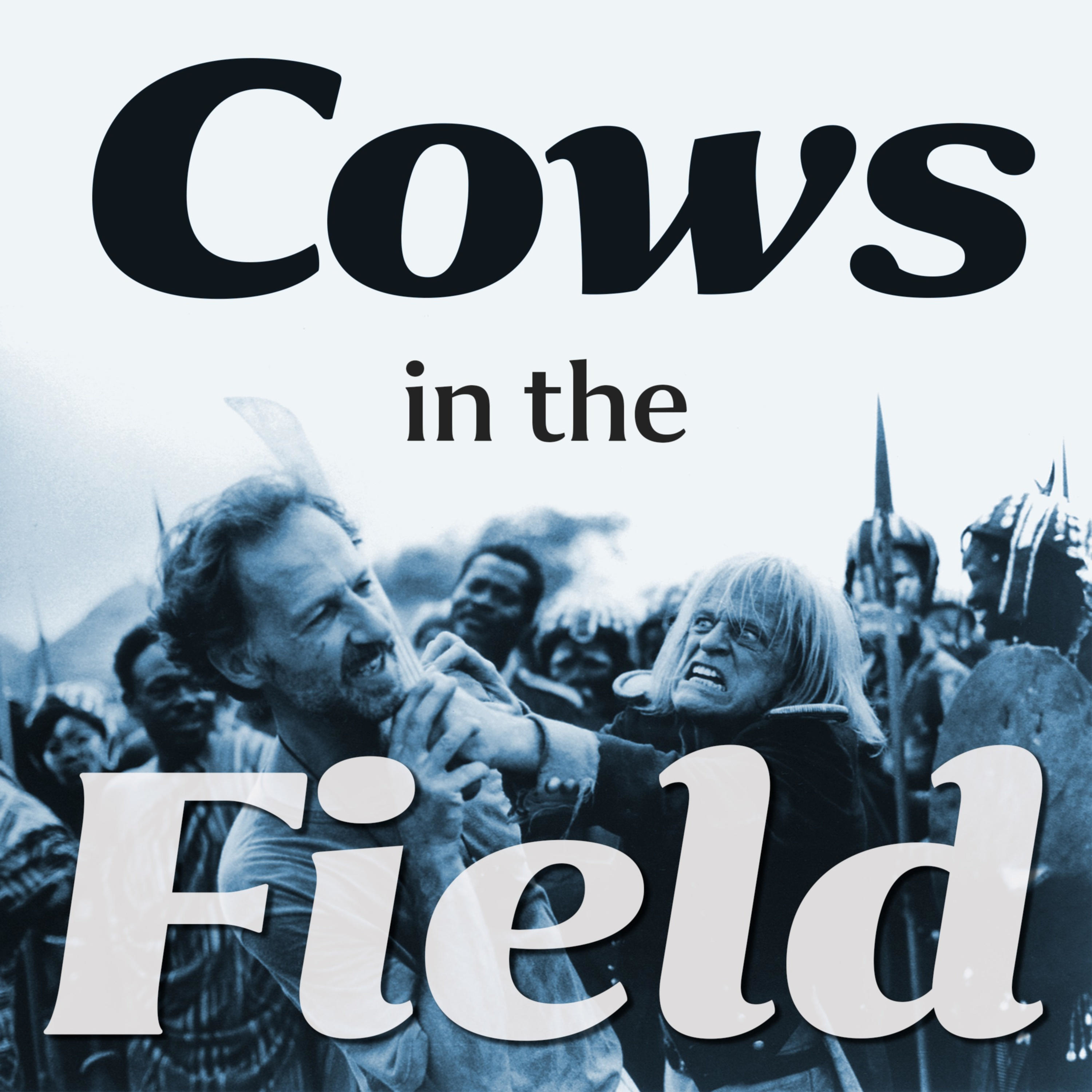
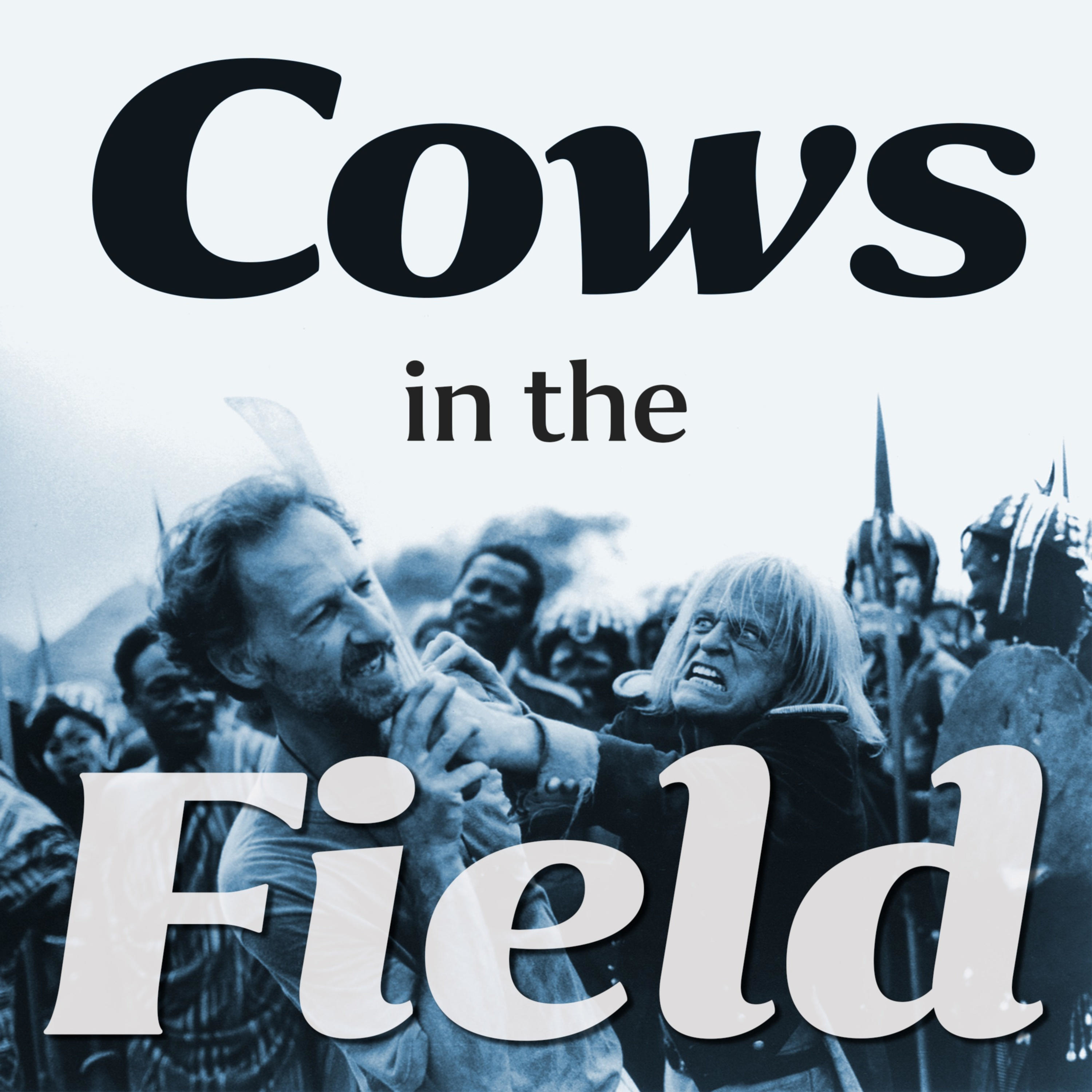
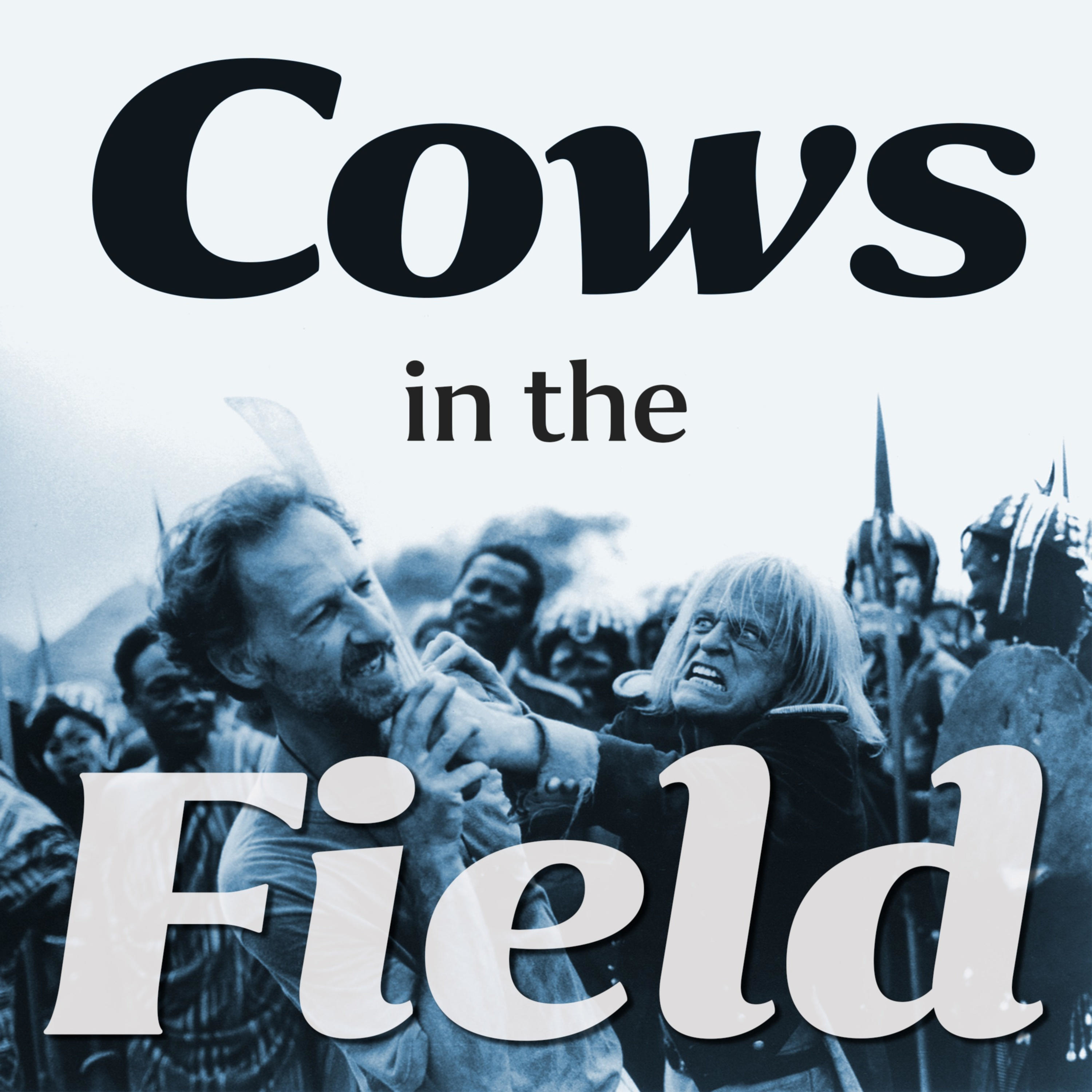
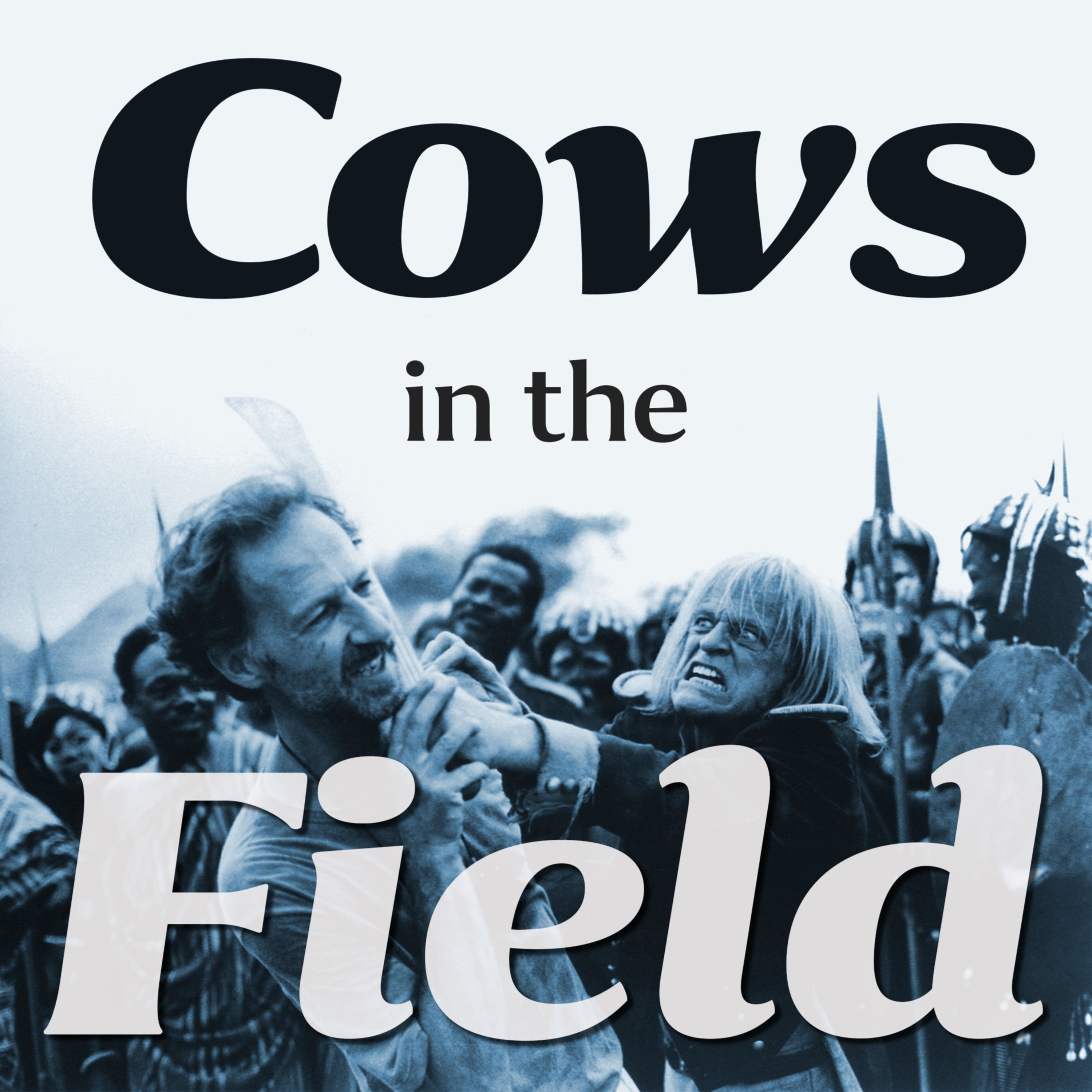
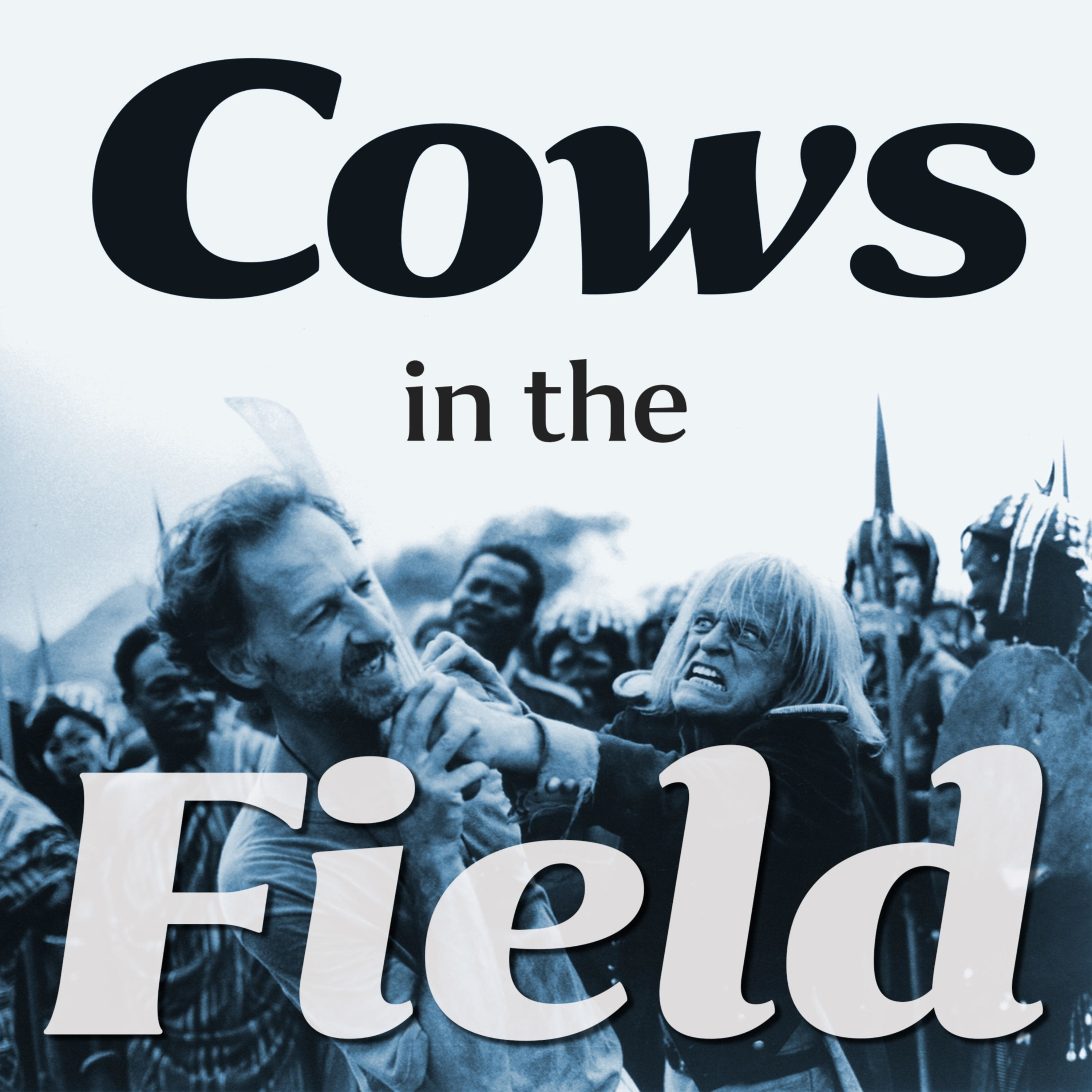
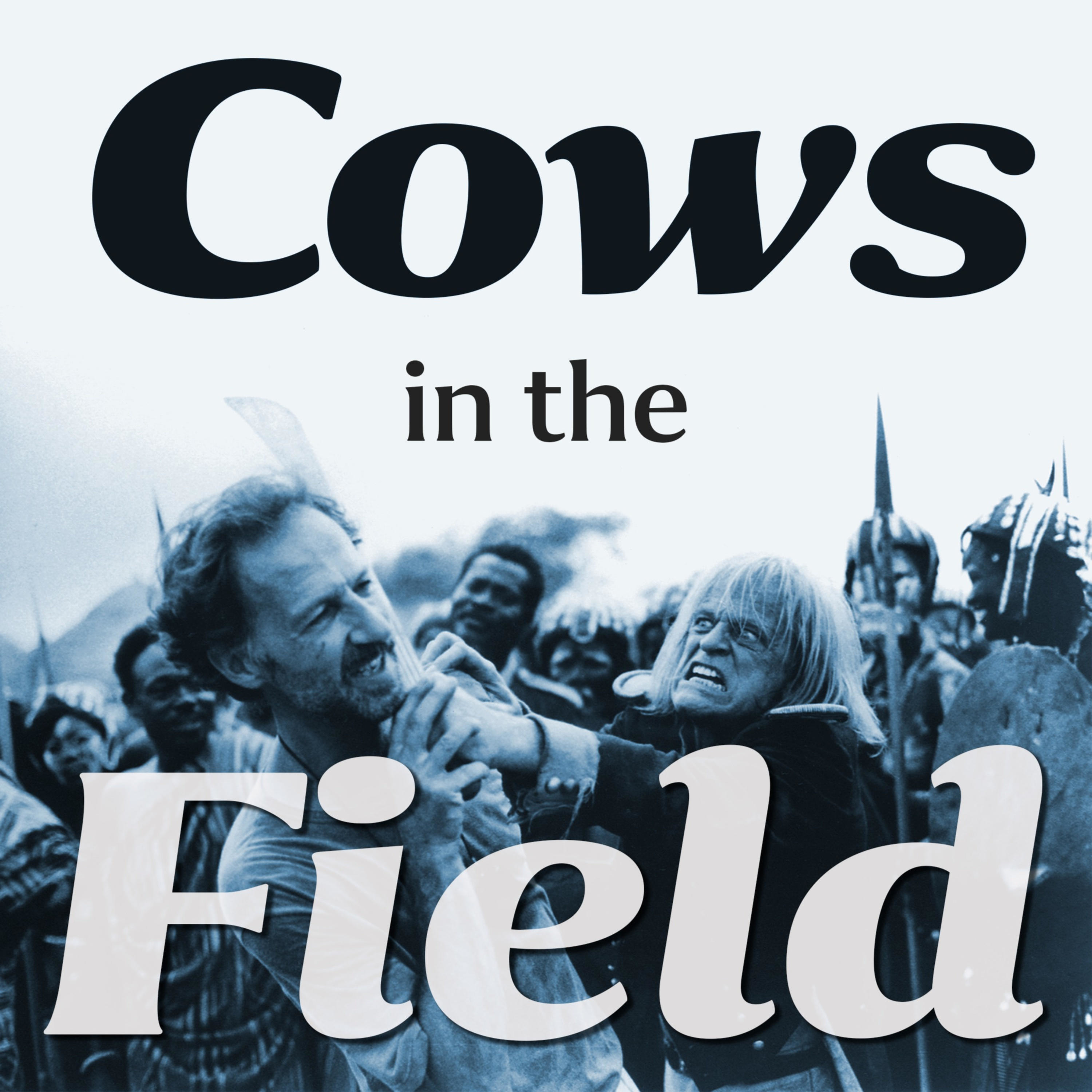
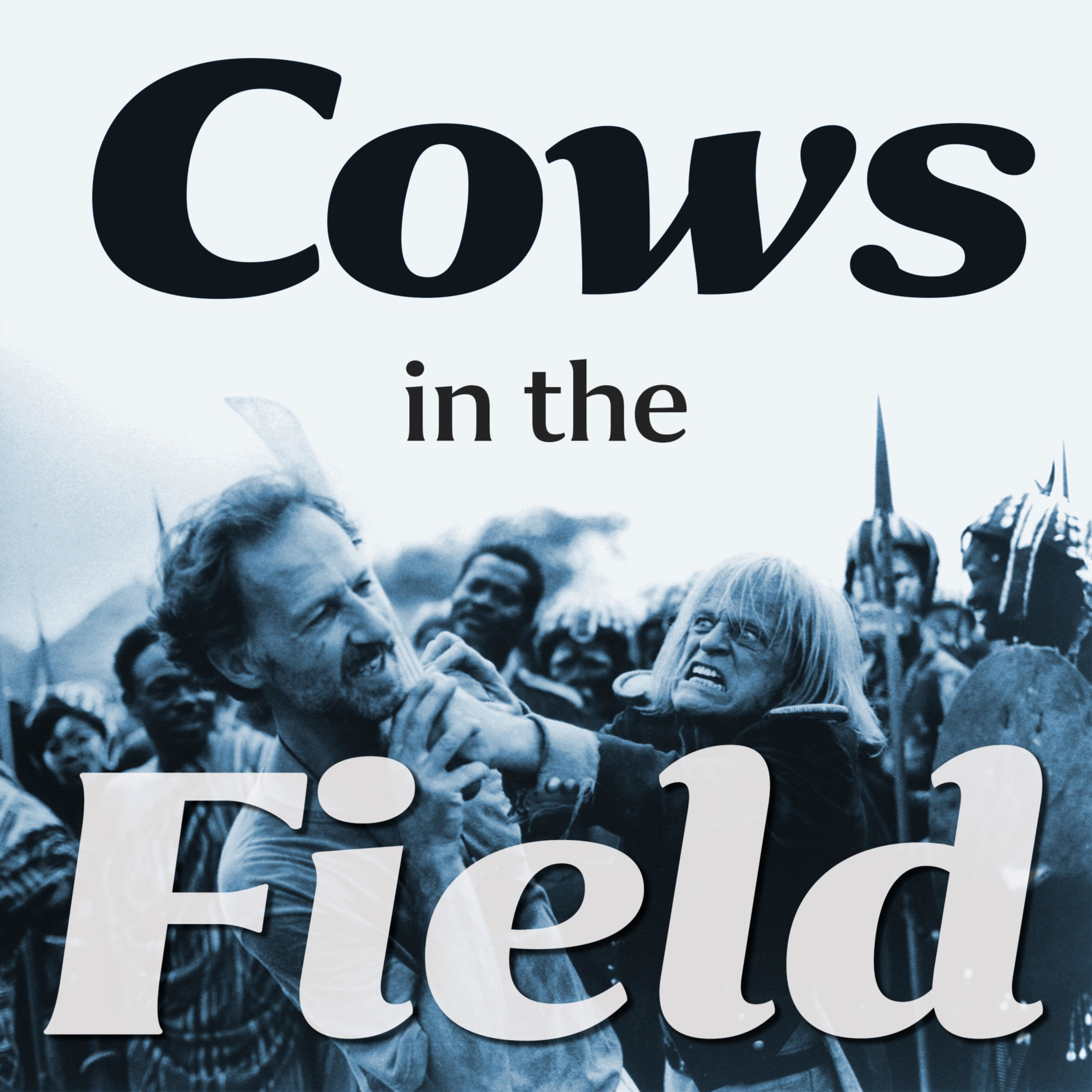
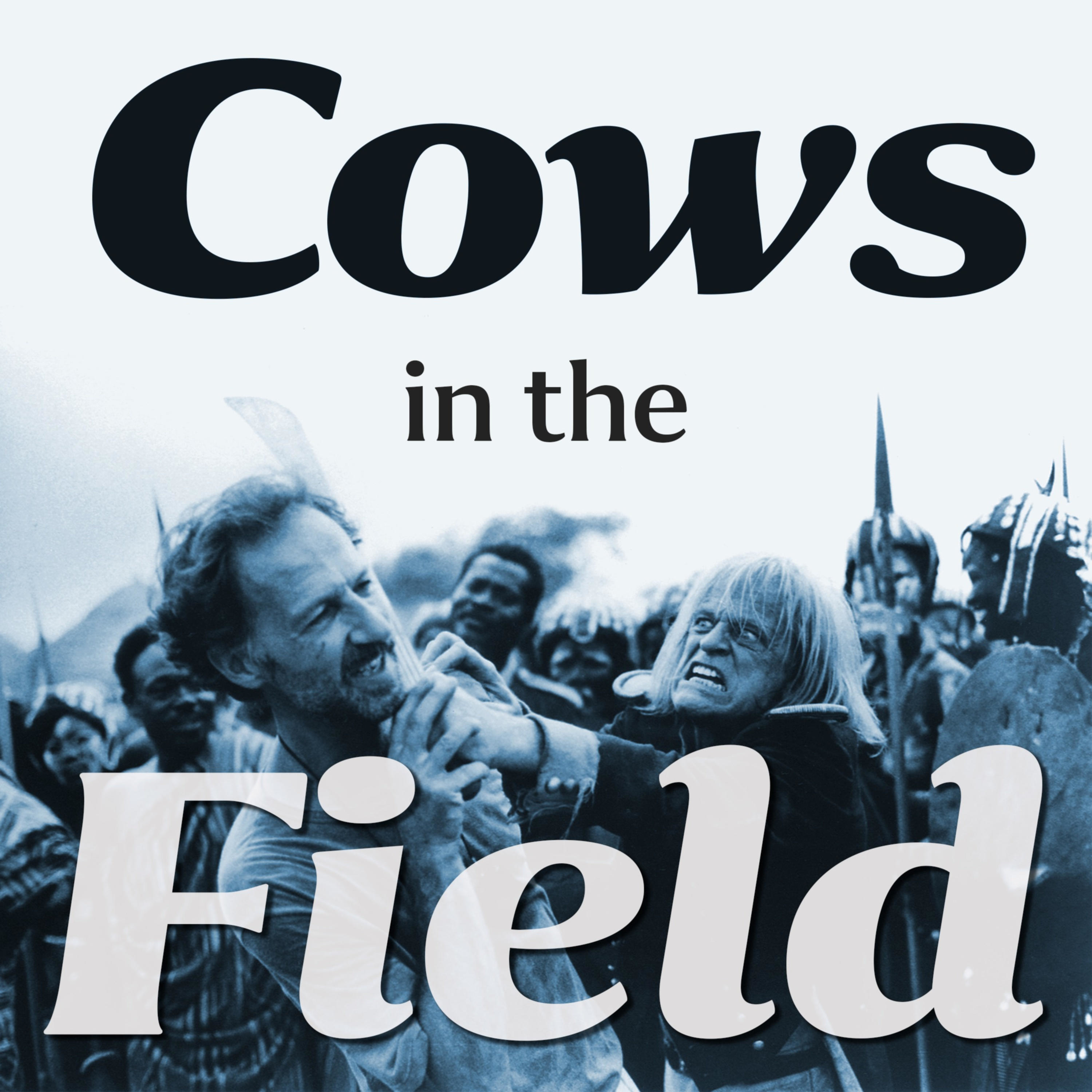
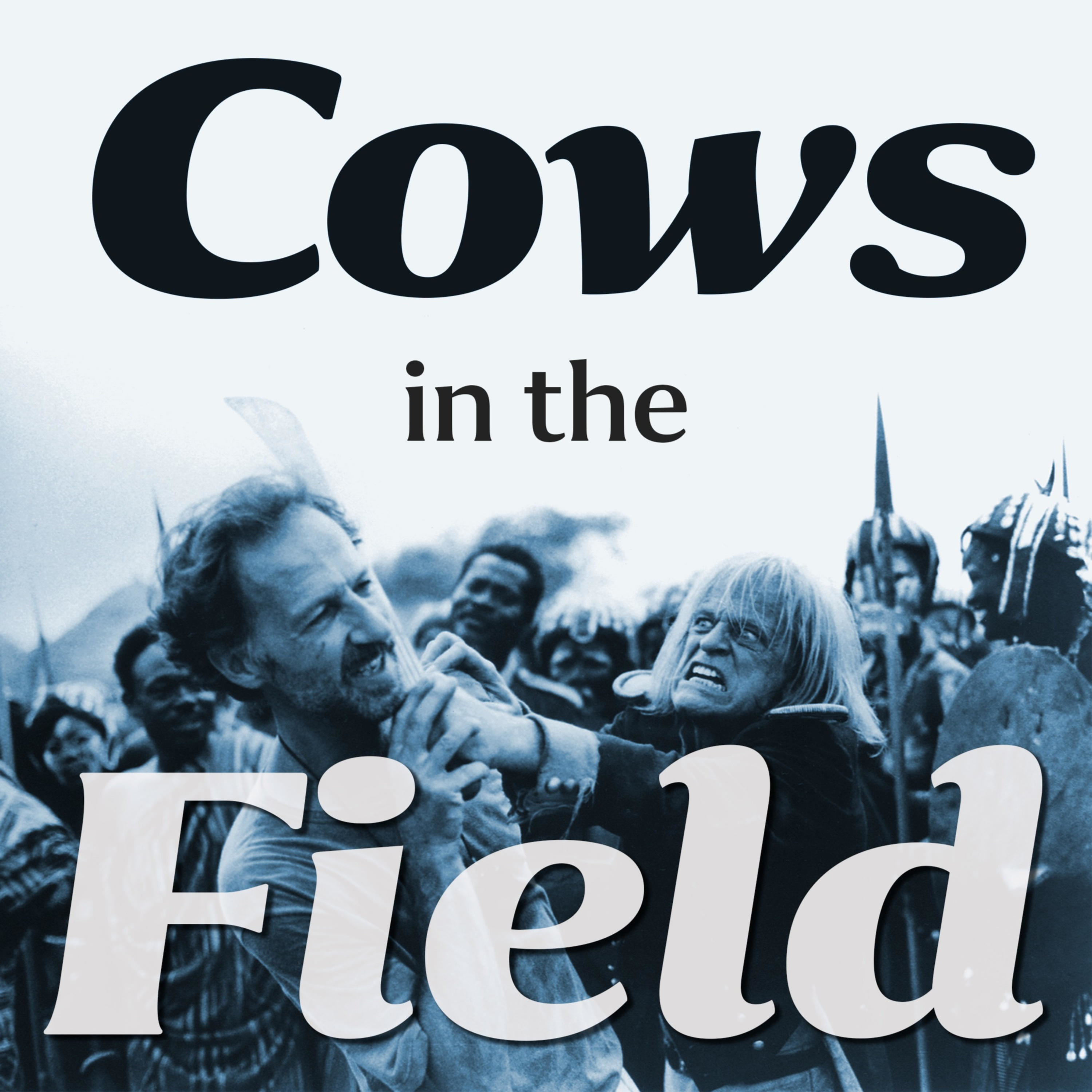
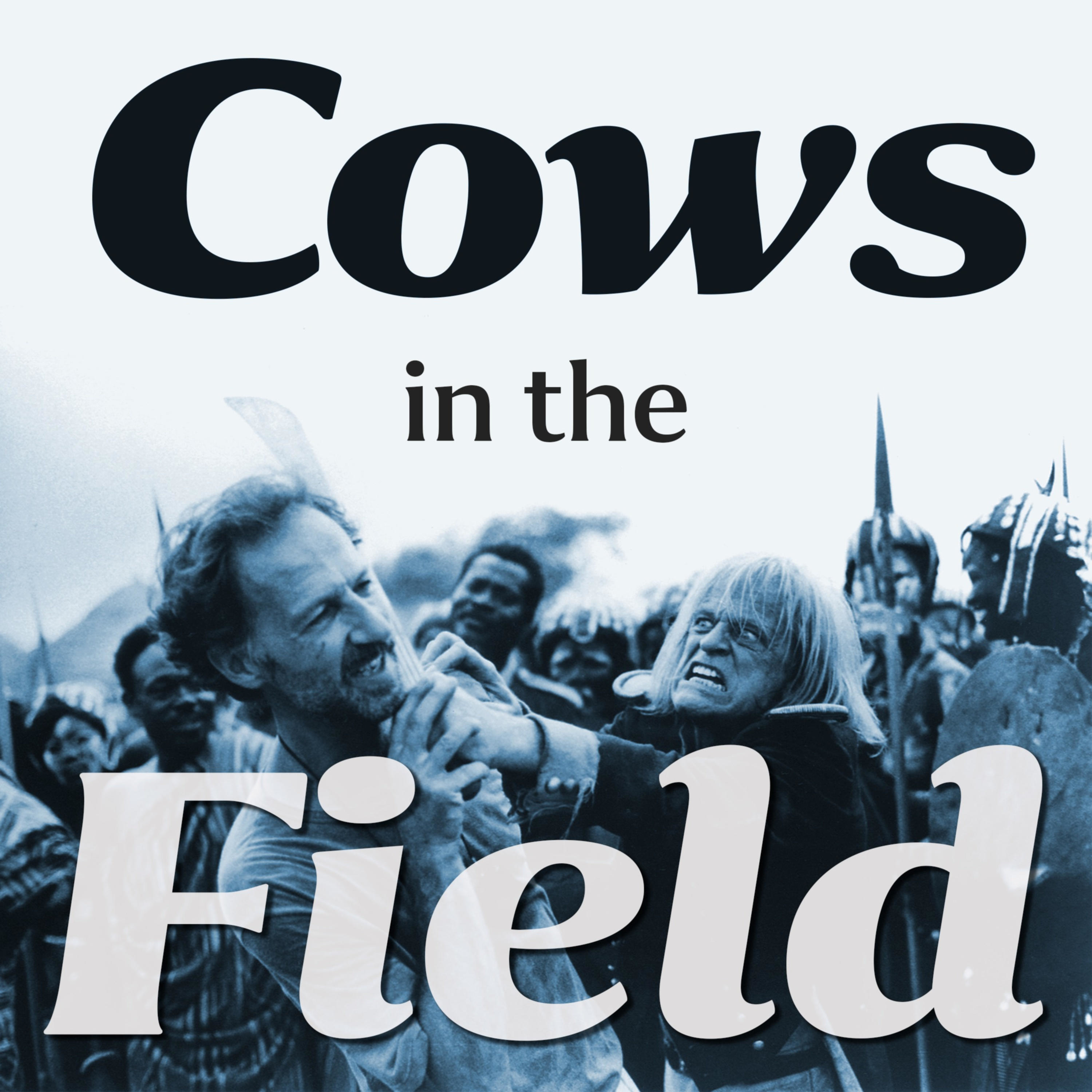
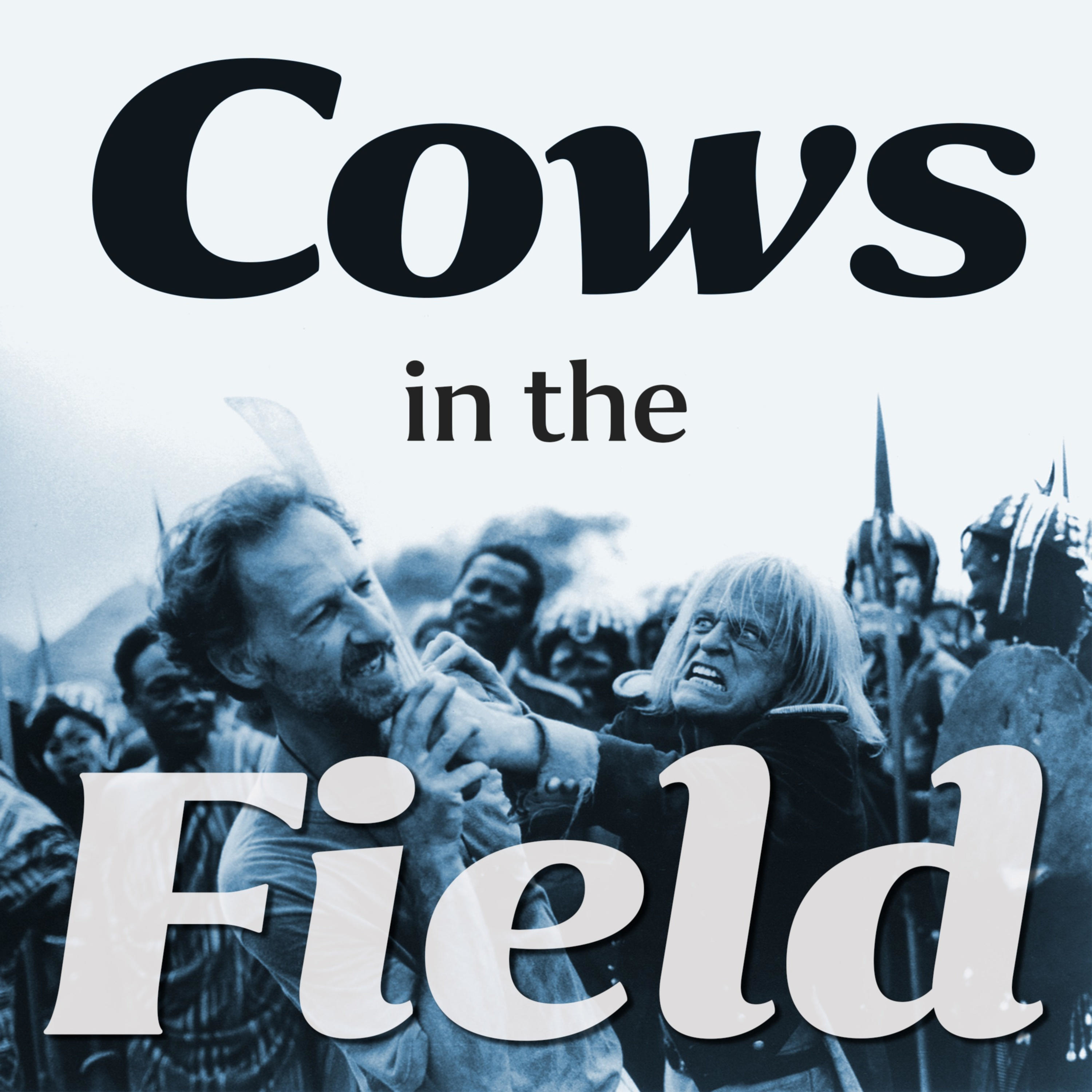
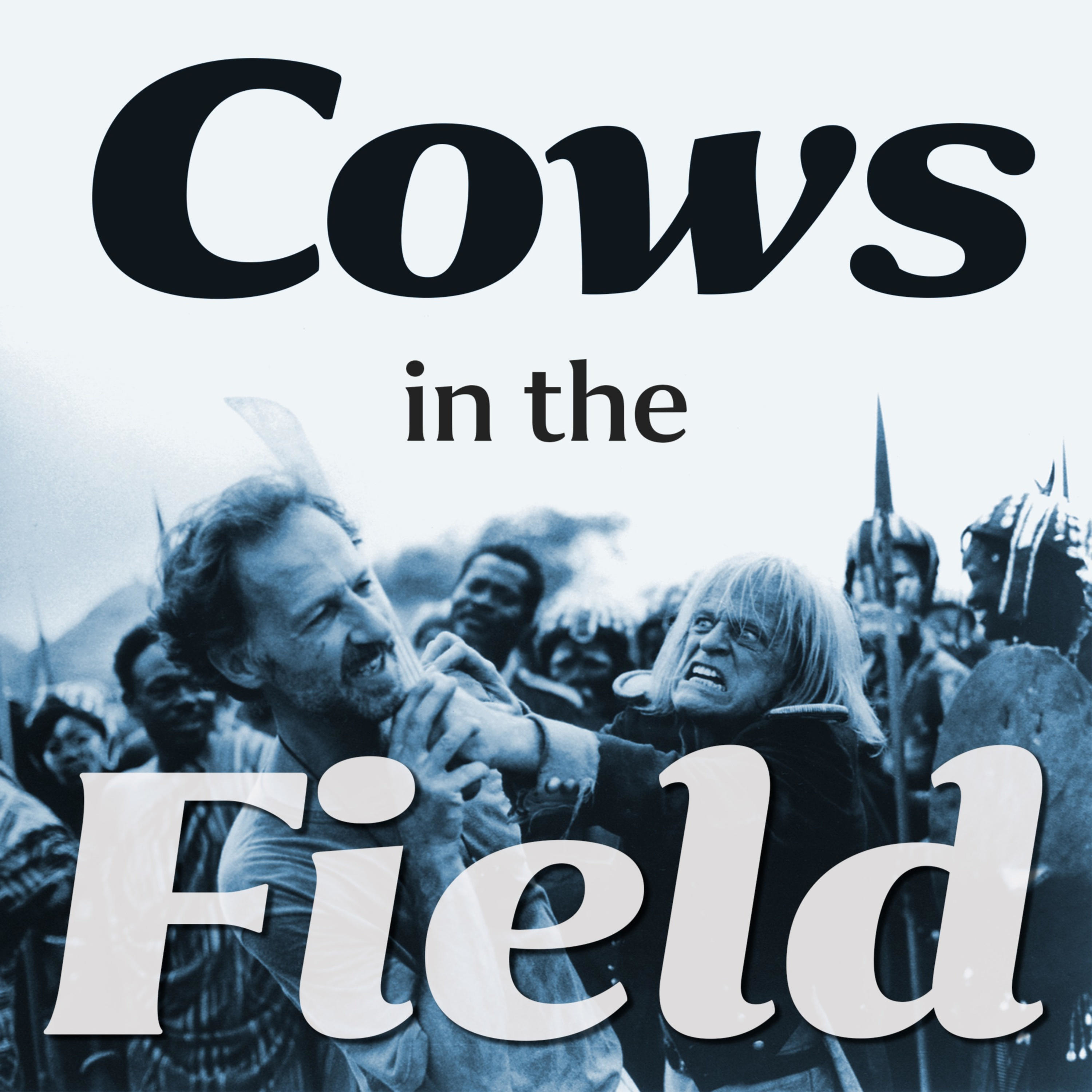
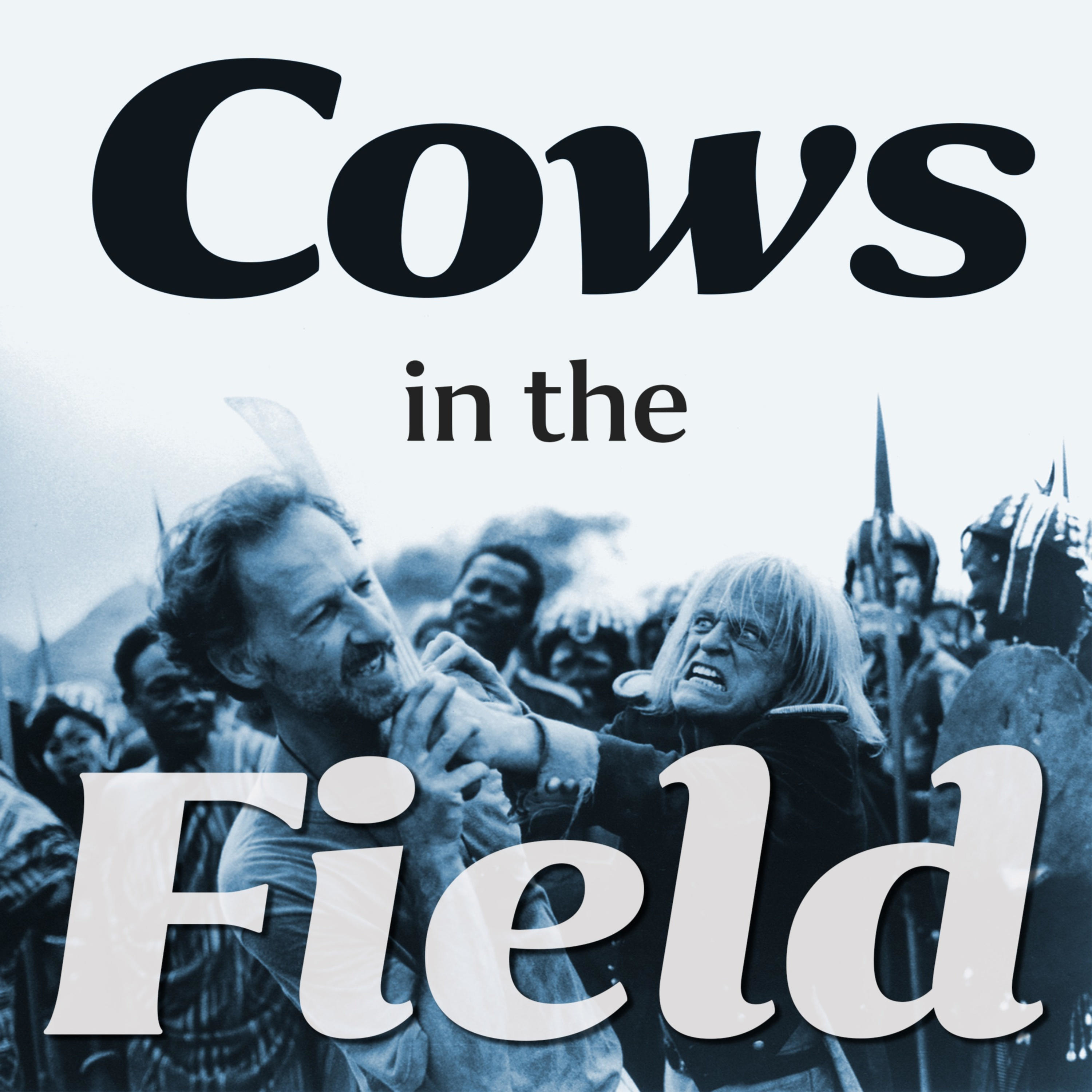
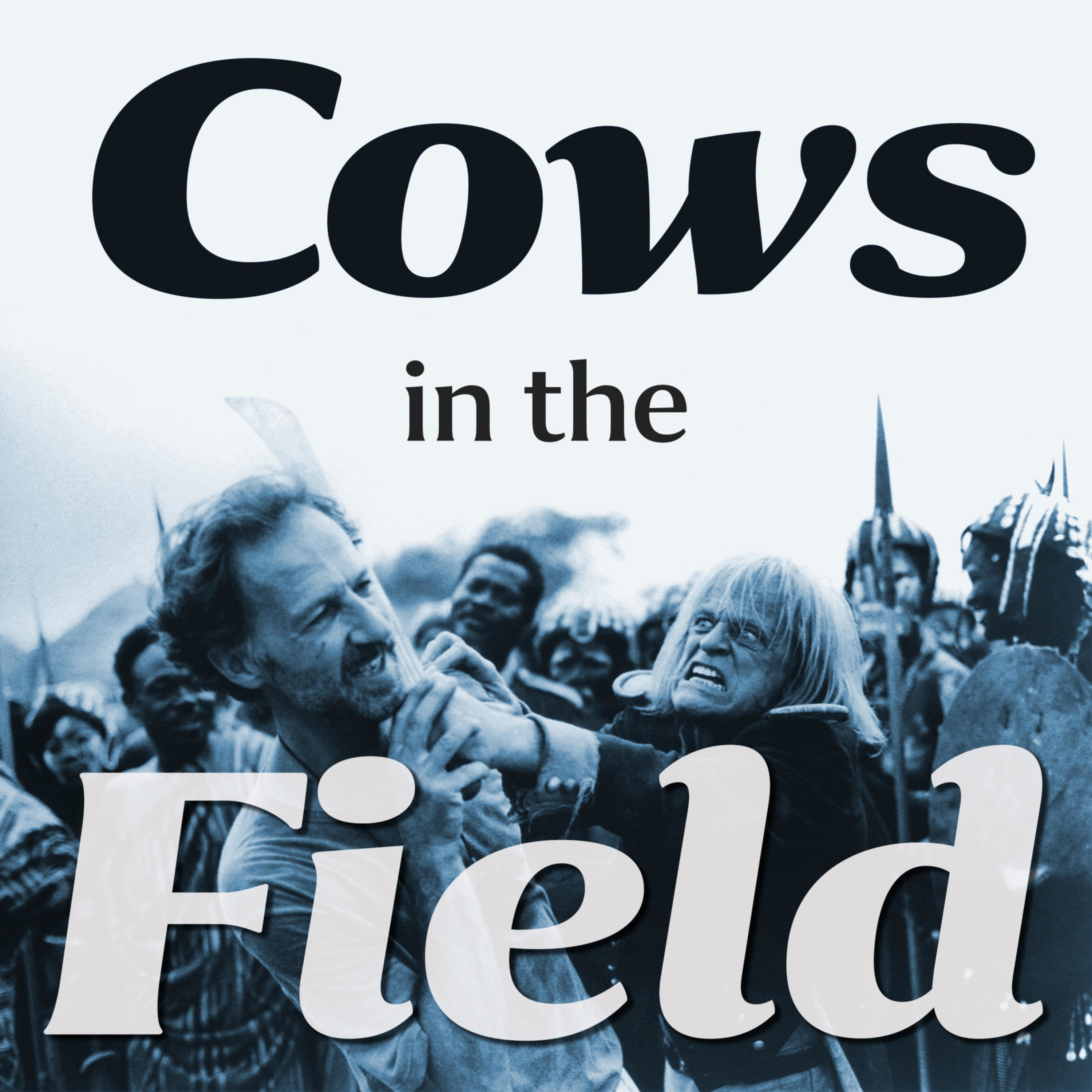
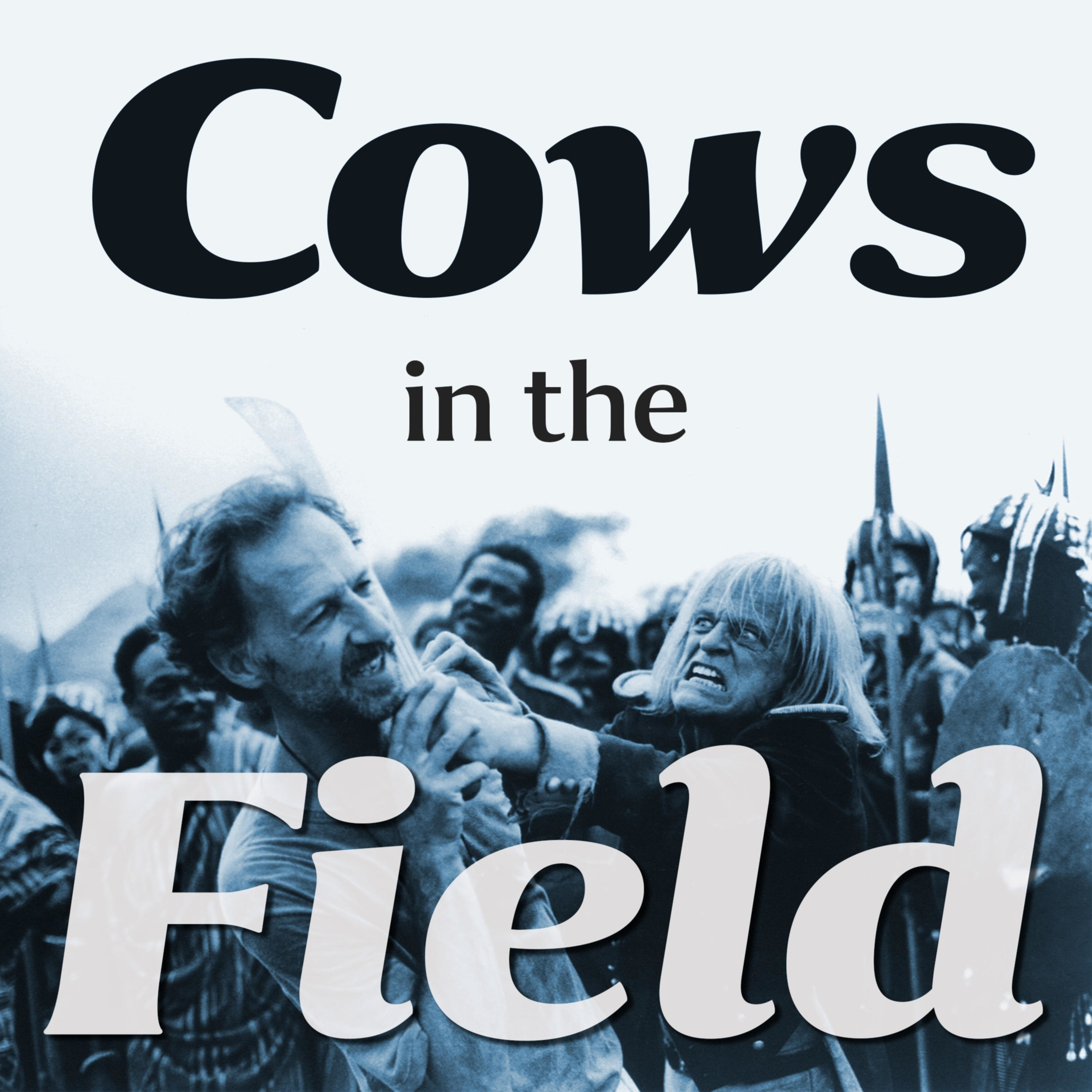
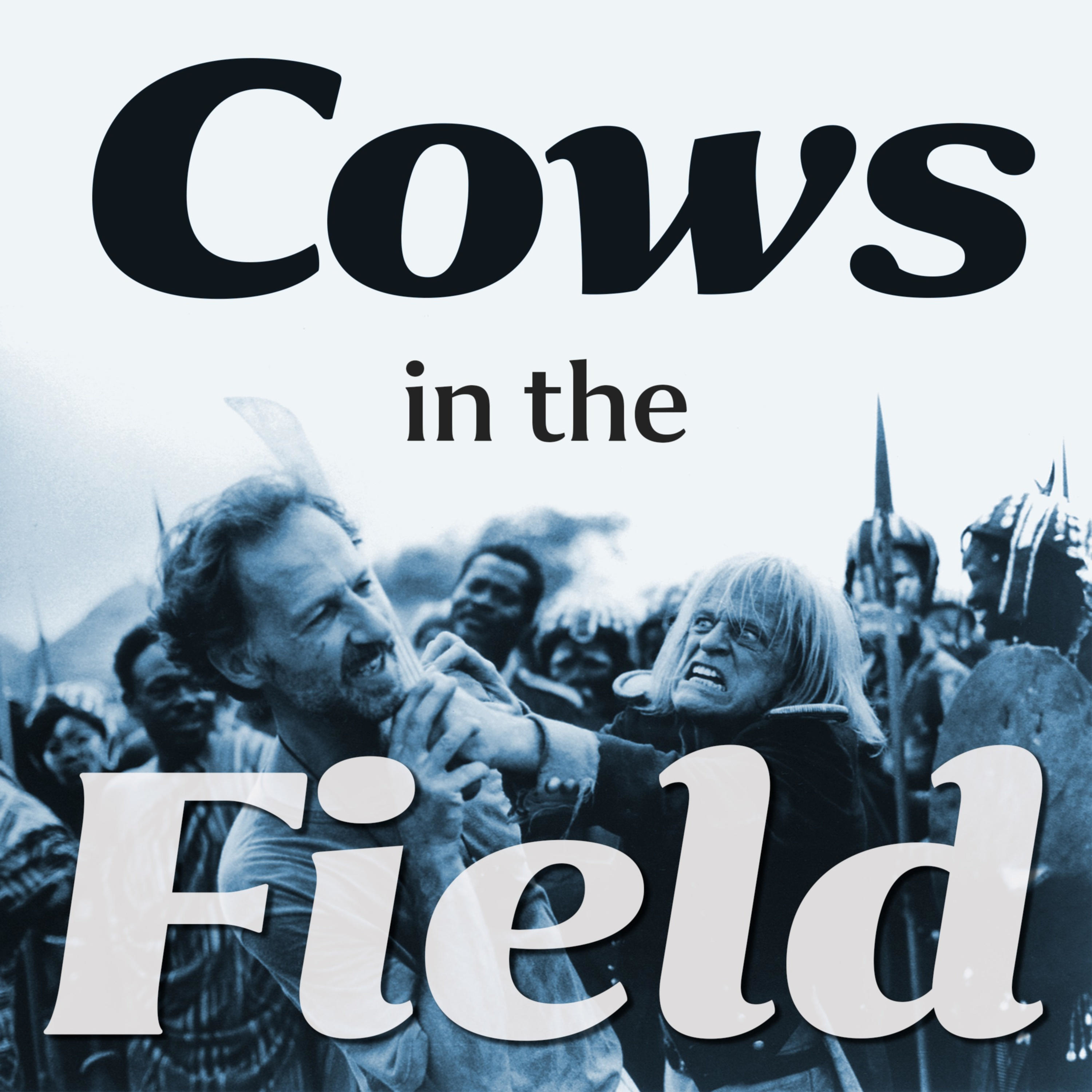
A movie podcast inspired by a Werner Herzog quote, “We have to articulate ourselves, otherwise we would be cows in the field.” Hosted by Justin Khoo (professor of philosophy at MIT) and Laura Khoo (art historian turned fundraiser).Themes and summary (AI-generated based on podcaster-provided show and episode descriptions):
➤ Film analysis with philosophy/art lens • sci‑fi and AI/technology ethics • identity, masculinity, class, capitalism • love, loneliness, family, immigration • horror, noir, war, death, spirituality • auteurs, style, narrative meaningThis podcast is a film discussion show hosted by Justin Khoo and Laura Khoo that treats movies as occasions for wide-ranging conversation about ideas. Across the episodes, the hosts (often joined by philosophers, critics, filmmakers, and writers) dig into both contemporary releases and older classics, moving easily among genres like science fiction, horror, noir, romance, comedy, animation, and action.
A recurring focus is how films express and test philosophical questions: identity and personhood (including humans, androids, and simulations), freedom and responsibility, grief and mortality, love and self-understanding, and what it means to pursue excellence or authenticity. Many discussions connect character psychology to broader frameworks—drawing on thinkers and traditions such as psychoanalysis, Marxism, and major figures in philosophy—and use those lenses to interpret themes like class, ideology, masculinity, conformity, consent, and power.
The show also attends to filmmaking craft and form. Episodes frequently consider narrative structure, point of view, stylized realism, genre conventions, and the way formal choices shape audience identification and meaning. Technology and modernity appear often, especially in conversations about artificial intelligence, scientific progress, hyper-connectivity, and how media shapes perception.
Alongside thematic analysis, the podcast periodically steps back to reflect on cinema culture and to mark the year in film with its own awards-style episode. Overall, listeners can expect thoughtful, idea-driven movie talk that blends close reading of films with broader cultural and philosophical reflection.