 Site • RSS • Apple Podcasts
Description (podcaster-provided):
Katie Steckles and Peter Rowlett chat about some aspect of mathematics using a mathematical object as inspiration.Themes and summary (AI-generated based on podcaster-provided show and episode descriptions):
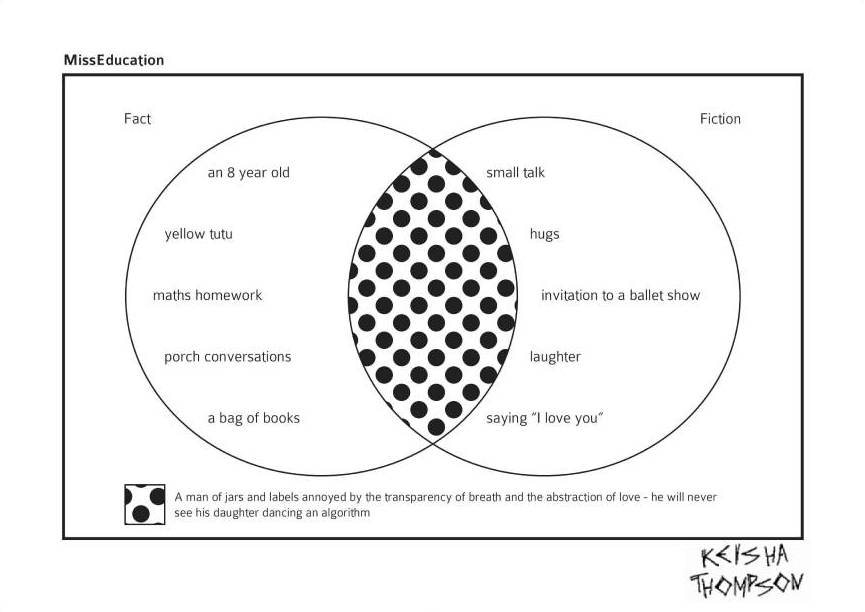
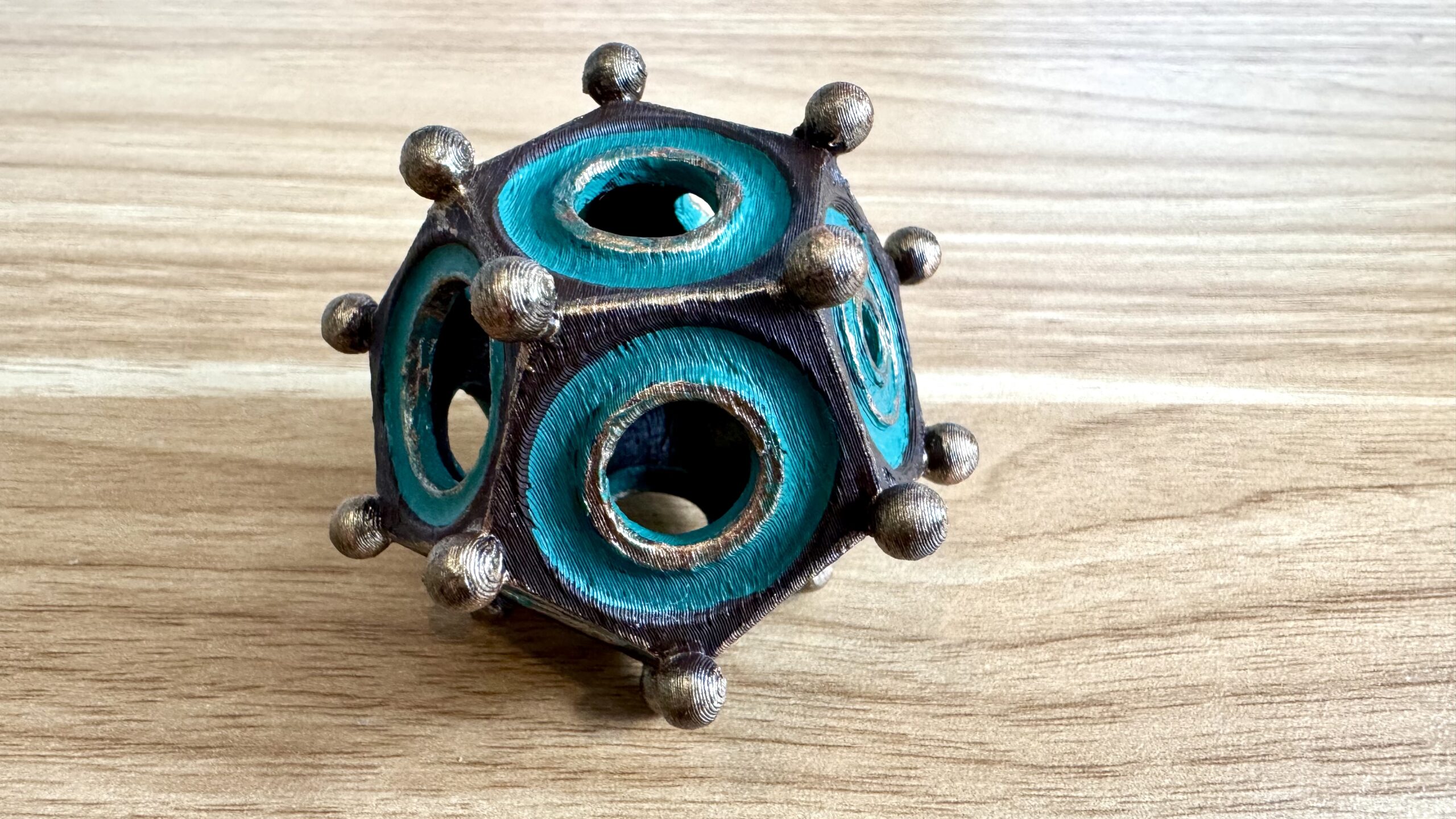
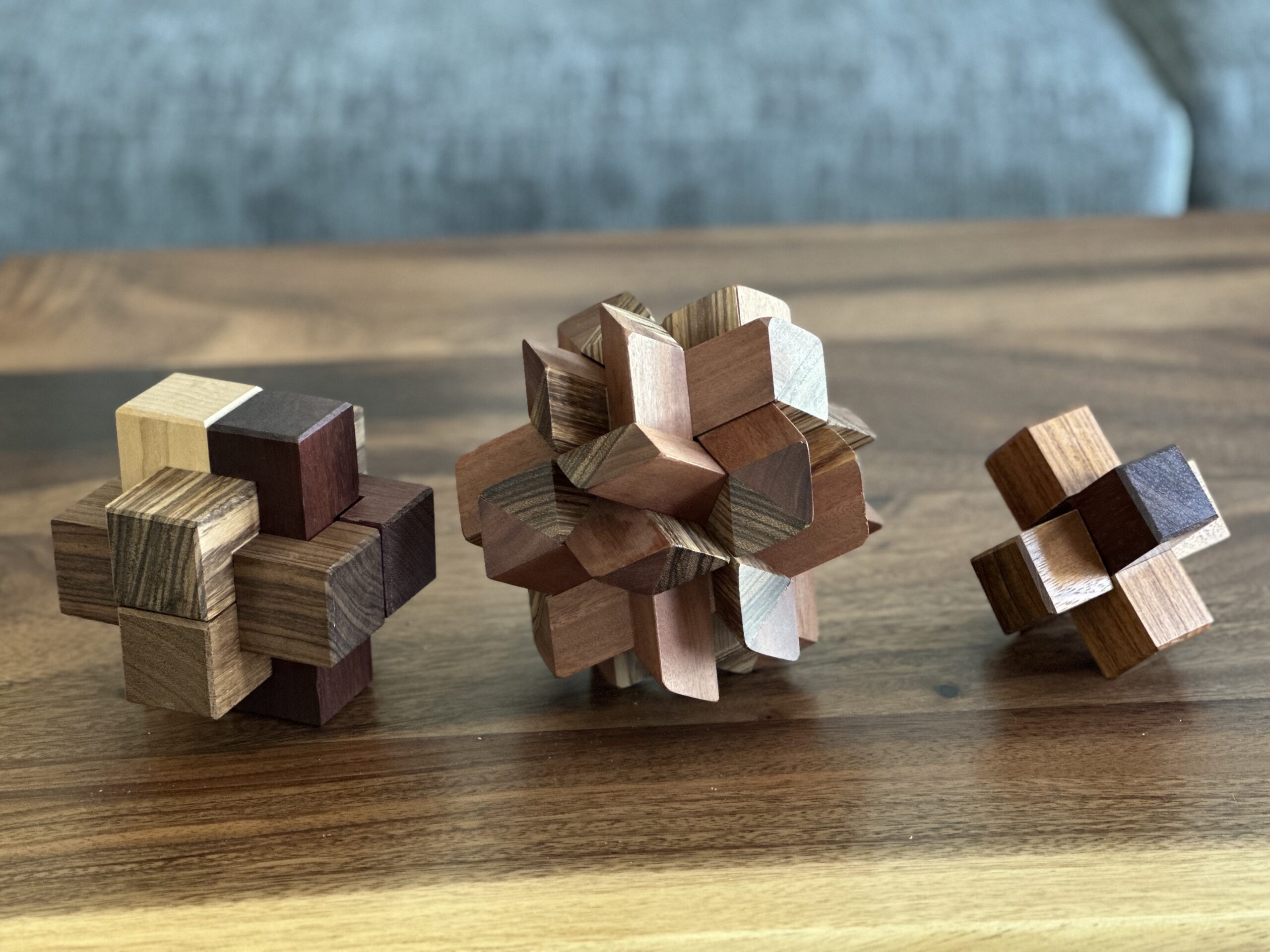
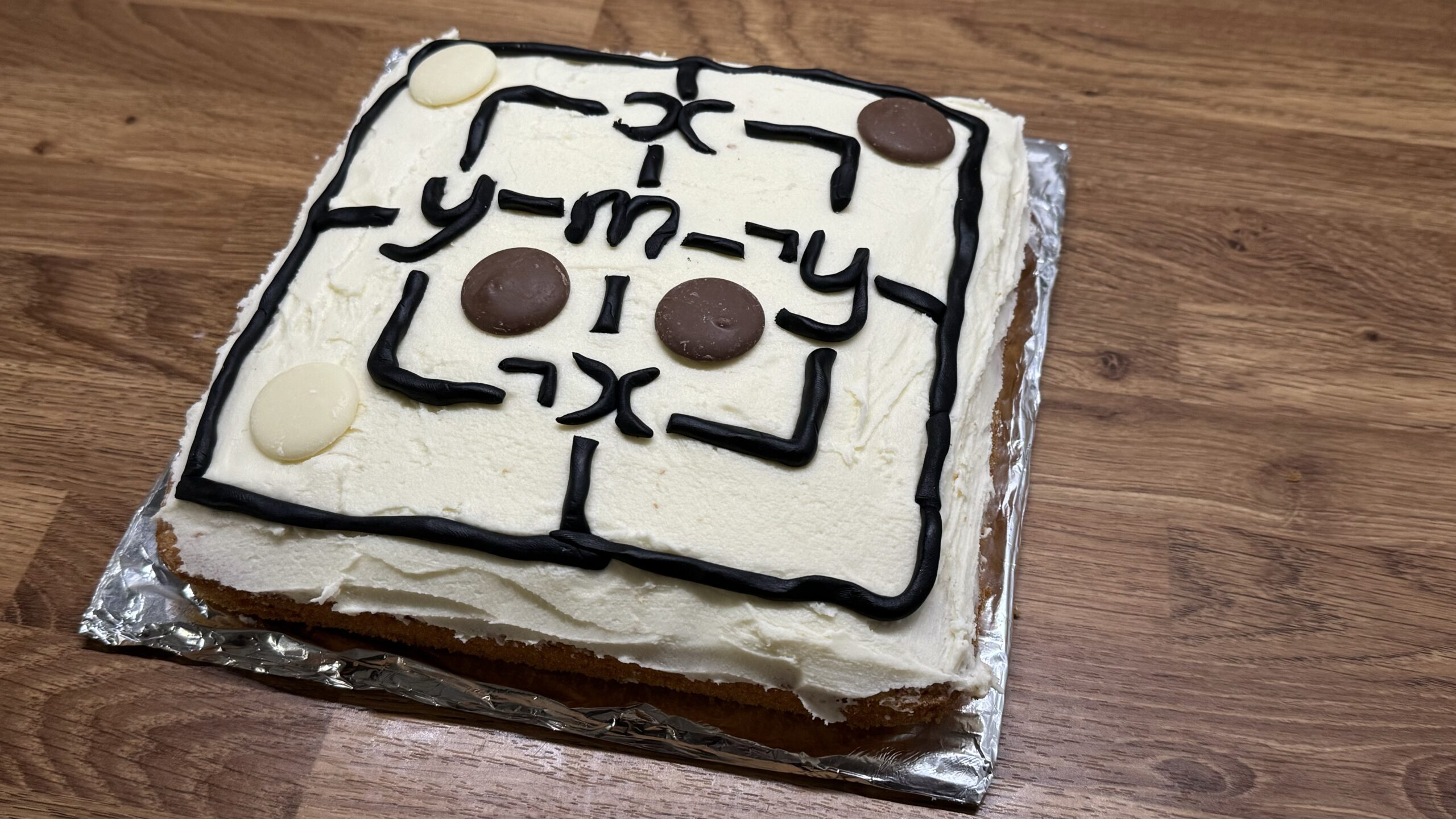
➤ math concepts via everyday objects, games, puzzles • geometry and topology (Venn diagrams, Klein bottle, curves, shapes) • combinatorics and logic • algorithms and cryptography • voting, auctions, lotteries • math communication, education, folklore, humour, historyThis podcast features informal conversations in which hosts Katie Steckles and Peter Rowlett use a specific “mathematical object” as a starting point for exploring mathematical ideas. The objects are deliberately wide-ranging: classic diagrams and shapes, puzzles and games, everyday items like food and household objects, historical artefacts, and modern tools from computing and applied mathematics. From these prompts, the discussions branch into topics across geometry, combinatorics, topology, algebraic curves, infinity, and algorithms, often showing how abstract concepts connect to tangible things.
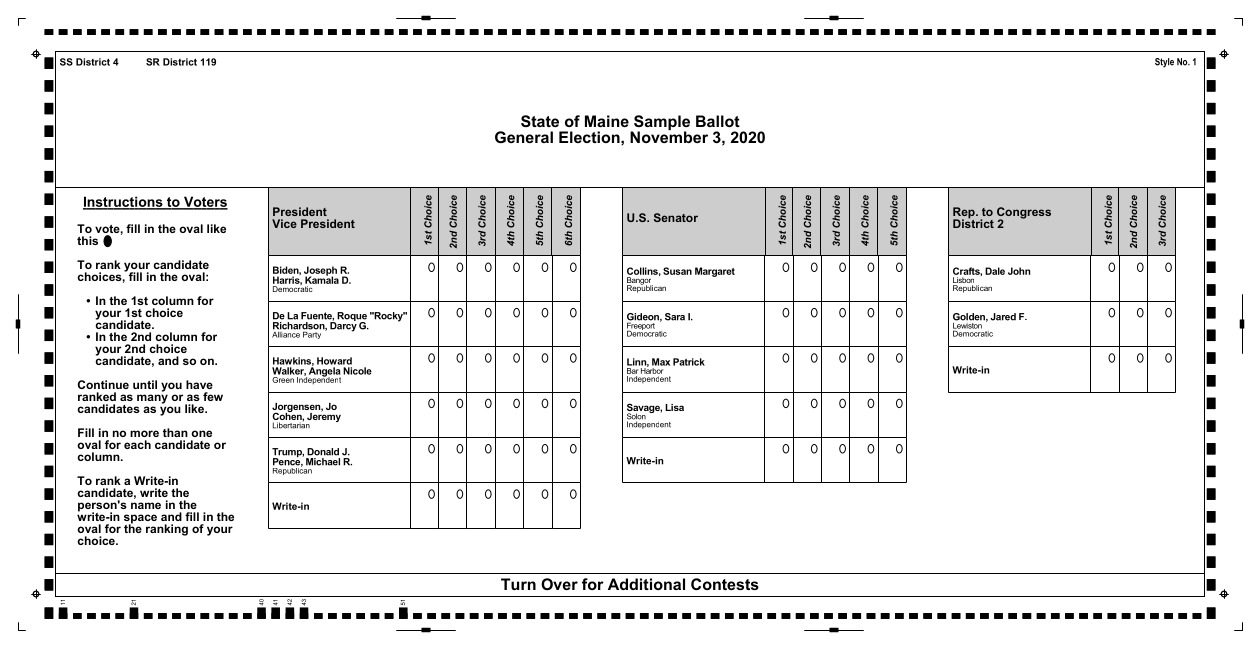
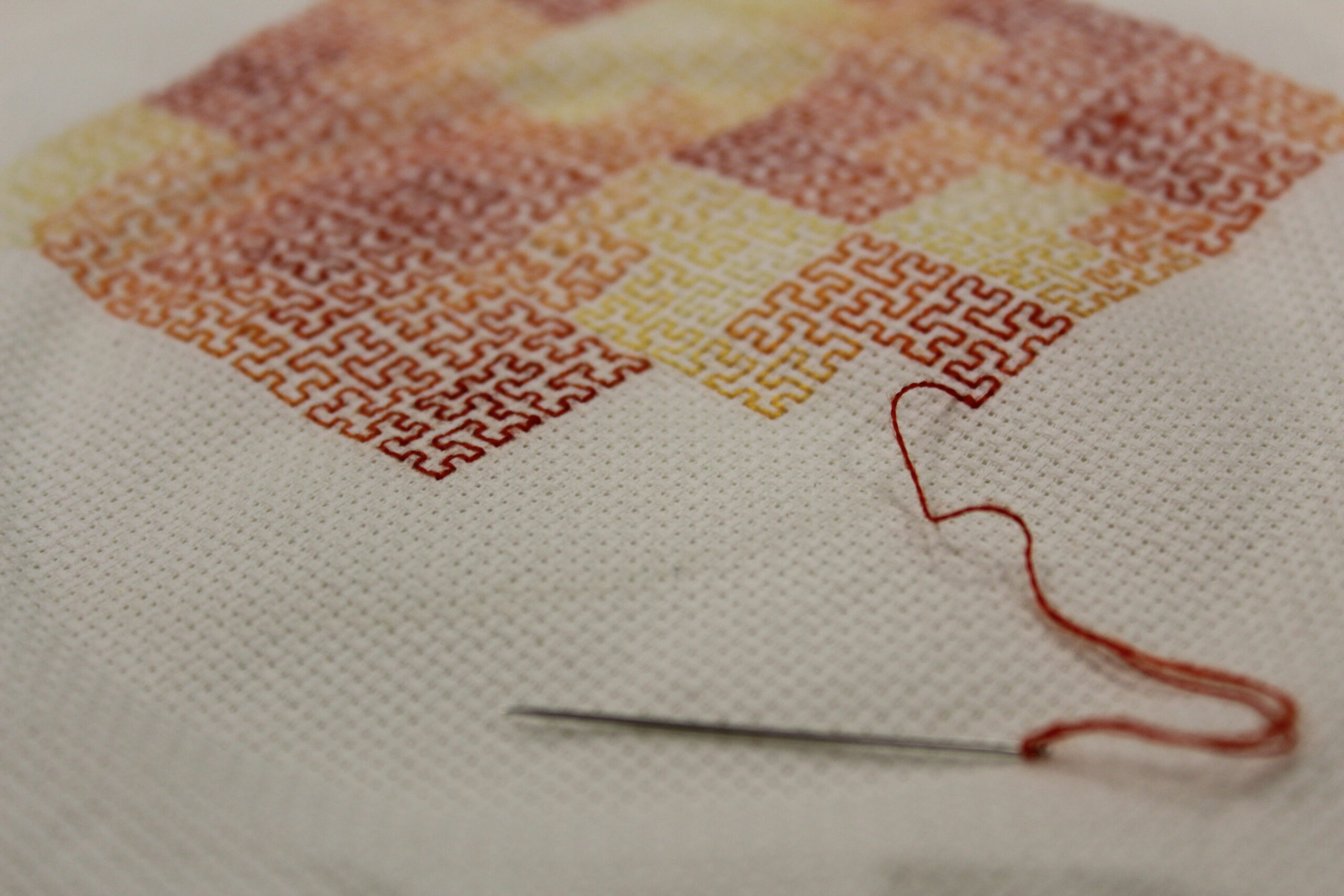
Alongside pure mathematical curiosities—such as unusual curves and surfaces, space-filling constructions, tilings, and solids with special properties—the podcast also leans into mathematics as it appears in the world. That includes election and voting methods, ranking and search algorithms, cryptography, auctions, measurement and scaling, and patterns in physical phenomena. Several episodes foreground how people learn, teach, or communicate mathematics, sometimes through educational games, stickers and badges, or “noticing and wondering” style activities.
The show frequently brings in guest mathematicians, educators, and communicators, which allows some conversations to move toward current research while others focus on accessible recreational mathematics, jokes, and folklore. Overall, listeners can expect mathematically themed storytelling and discussion driven by concrete prompts, with regular detours into history, culture, and real-world applications.