 Site • RSS • Apple Podcasts
Description (podcaster-provided):
Most hustlers won’t wait to put off to tomorrow what they can do today. Not us! We can’t wait to put off to tomorrow what we can do today. We’re overripe fruit of the late bloom. Dawdlers. But all things must come to a partial end and this is partially it! ...a whimper into the abyss...Themes and summary (AI-generated based on podcaster-provided show and episode descriptions):
➤ philosophy and science discussions • definitions, semantics, modes of inquiry • philosophy of mind and consciousness • cognition, analogy, culture • evolution, religion, memetics • sociopolitical systems, revolutions • critique of gurus, nonfiction writing normsThis podcast features wide-ranging, conversational discussions between two hosts that mix philosophy with science, systems thinking, and cultural commentary. Across the episodes, the hosts regularly slow down to define key terms and examine how different “modes of inquiry” shape what people count as knowledge, explanation, or progress. A recurring concern is how ideas spread and stabilize—through memes, social incentives, institutions, and intellectual fashions—and how those processes influence public discourse, self-improvement cultures, and debates around expertise.
Much of the content centers on classic and contemporary philosophy of mind and language, including consciousness and its purported “what-it’s-like” character, illusionism, and the practical role of definitions. The show also engages major philosophers and theorists (including work associated with pragmatism, deconstruction, and metaphysics), often using them as launching points for broader questions about truth, interpretation, and how frameworks compete.
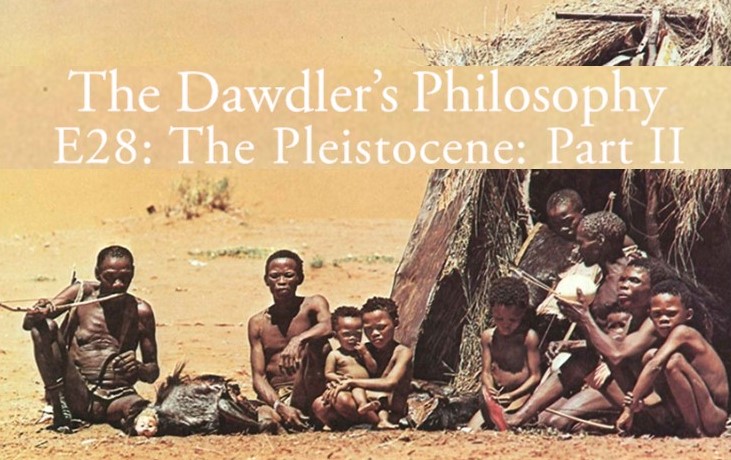
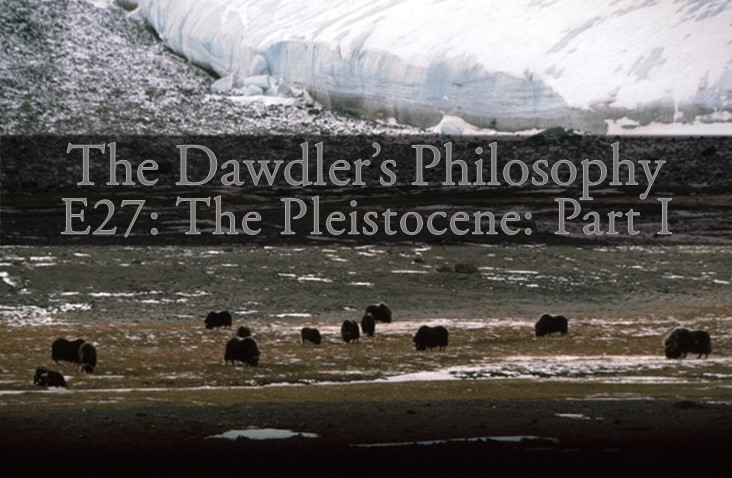
Scientific and evolutionary perspectives appear frequently, such as cultural evolution, multi-level selection, repeatability in science, and the development of religion as an evolving social phenomenon. Other episodes expand into human prehistory and deep time, general systems theory and conflict, and the challenge of aligning human-scale cognition with planetary-scale problems. Shorter installments sometimes take on everyday abstractions—fairness, scarcity, the future, health, meaning, and depression—aiming to clarify what people mean when they invoke them and what assumptions are embedded in common ways of talking.