Themes and summary (AI-generated based on podcaster-provided show and episode descriptions):
➤ Astrobiology and defining life • Habitable stars/planets and exoplanets • Solar System life prospects • Space telescopes, missions, and sample returns • Cosmology: dark matter/energy, early universe • Stellar evolution, supernovae, black holes, cosmic rays
This podcast follows astronomer Dr Emily Brunsden and co-host Dr Chris Stewart as they explore astronomy and cosmology through explainers, recent research results, and listener-driven questions. Across the episodes, the show frequently focuses on how scientists observe and infer the properties of distant objects, from exoplanets and their atmospheres to comets, moons, and the structure of galaxies. A recurring theme is the search for life beyond Earth: what “life” might mean, which kinds of stars and planets could host it, where in the Solar System evidence might be found, and how future observatories could detect biosignatures or technosignatures.
The content also ranges widely across high-energy and large-scale astrophysics, including black holes of different mass scales, neutron star mergers and element formation, cosmic rays with extreme energies, and measurements aimed at understanding dark matter and dark energy. Several episodes highlight major space missions and instruments—both operational and upcoming—such as JWST, GAIA, Euclid, planetary probes and sample-return missions, and ground- and space-based surveys, often using them as a gateway to the underlying physics.
Alongside deep-space topics, the podcast occasionally turns to phenomena that can be observed from Earth, such as aurorae and eclipses, and to Solar System science including the Moon, Jupiter, asteroids, and planetary defense. Overall, the series blends astrophysical concepts with how evidence is gathered, what uncertainties remain, and what questions current observations are trying to answer.
|
Episodes:
|
 s3e5: Signals Through Silence
2026-Oct-15
53 minutes
|
 s3e4: What IS Life, Anyway?
2026-Jan-28
74 minutes
|
 s3e3: Solar System Sanctuaries
2025-Dec-04
71 minutes
|
 s3e2: Habitats in the Void
2025-Nov-19
60 minutes
|
 s3e1: First, You Need Light
2025-Oct-31
61 minutes
|
 s2e6: Experimental Extraterrestrial Exo-Observatory
2025-Mar-08
49 minutes
|
 s2e5: Exotelescope Expeditions
2025-Jan-17
56 minutes
|
 s2e4: Exoplanet Extrapolation
2025-Jan-03
50 minutes
|
 s2e3: Exoplanets ExoWrapped
2024-Dec-19
56 minutes
|
 s2e2: Exocomet Excitation
2024-Nov-28
57 minutes
|
 s2e1: Exomoon Expectation
2024-Nov-13
55 minutes
|
 Introducing Syzygy Season Two!
2024-Nov-08
1 minute
|
 122: Syzygy Live! — The Power of Seeing It For Yourself
2024-Jul-19
63 minutes
|
 121: Dark Bubbles of Weakness
2024-Jun-04
49 minutes
|
 120: Biggest Small Black Hole
2024-Apr-29
48 minutes
|
 119: Astrocampus Turns Ten!
2024-Apr-18
47 minutes
|
 118: Sextuplet Symphony
2024-Jan-30
61 minutes
|
 117: SLIM chance of Moon landing?
2024-Jan-23
67 minutes
|
 116: Black Hole Sun
2024-Jan-15
61 minutes
|
 115: Zevatron in the Void
2023-Dec-08
52 minutes
|
 114: A Burst of Tellurium
2023-Nov-21
50 minutes
|
 113: White Dwarf Destiny
2023-Nov-06
54 minutes
|
 112: Unexpected JuMBOs
2023-Oct-09
58 minutes
|
 111: Special Asteroid Delivery
2023-Oct-02
43 minutes
|
 110: Euclid's Five Big Questions
2023-Sep-13
61 minutes
|
 109: Something From Nothing?
2023-Jun-25
54 minutes
|
 108: Betelgeuse! Betelgeuse! Betelgeuse!
2023-Jun-08
57 minutes
|
 107: Biggest Bang Ever! (Again?)
2023-May-28
60 minutes
|
 106: Star Eats Planet
2023-May-08
48 minutes
|
 105: Back To The Moon (2023 Edition)
2023-May-02
56 minutes
|
 104: Biggest Black Hole
2023-Apr-25
53 minutes
|
 103: Red Dwarf Paradox
2023-Mar-18
52 minutes
|
 102: Breaking The Universe
2023-Mar-14
57 minutes
|
 101: Spin Down Earth
2023-Mar-06
56 minutes
|
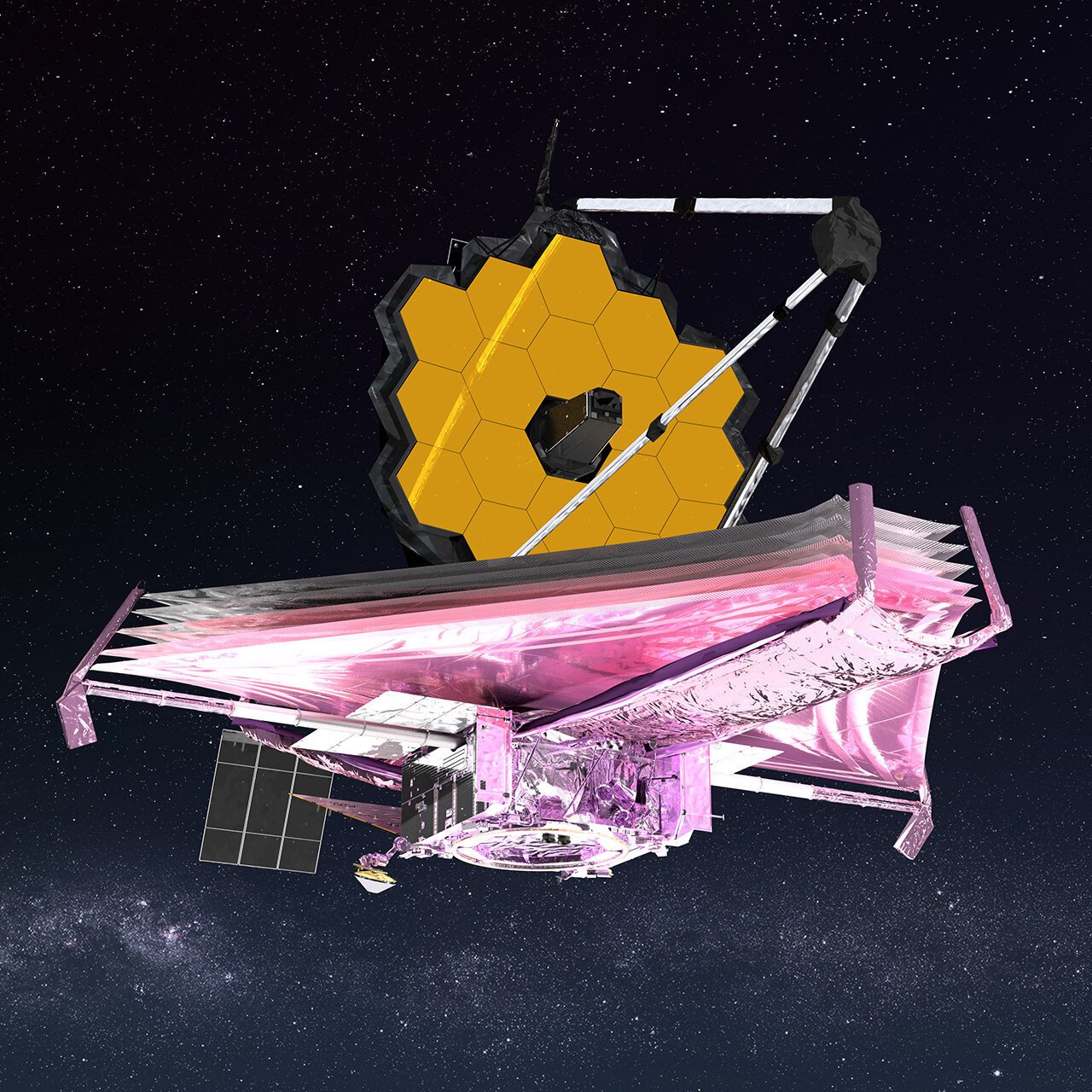 100: Just Wonderful To Be Back!
2023-Jan-23
58 minutes
|
 99: Black Holes & Big News
2022-May-13
10 minutes
|
 98: New Nova
2022-Apr-29
61 minutes
|
 97: Biggest Comet Ever!
2022-Apr-22
61 minutes
|
 96: Space Particles Probe Pyramids
2022-Apr-15
76 minutes
|
 95: Baby Planets (& Moons!)
2022-Apr-10
71 minutes
|
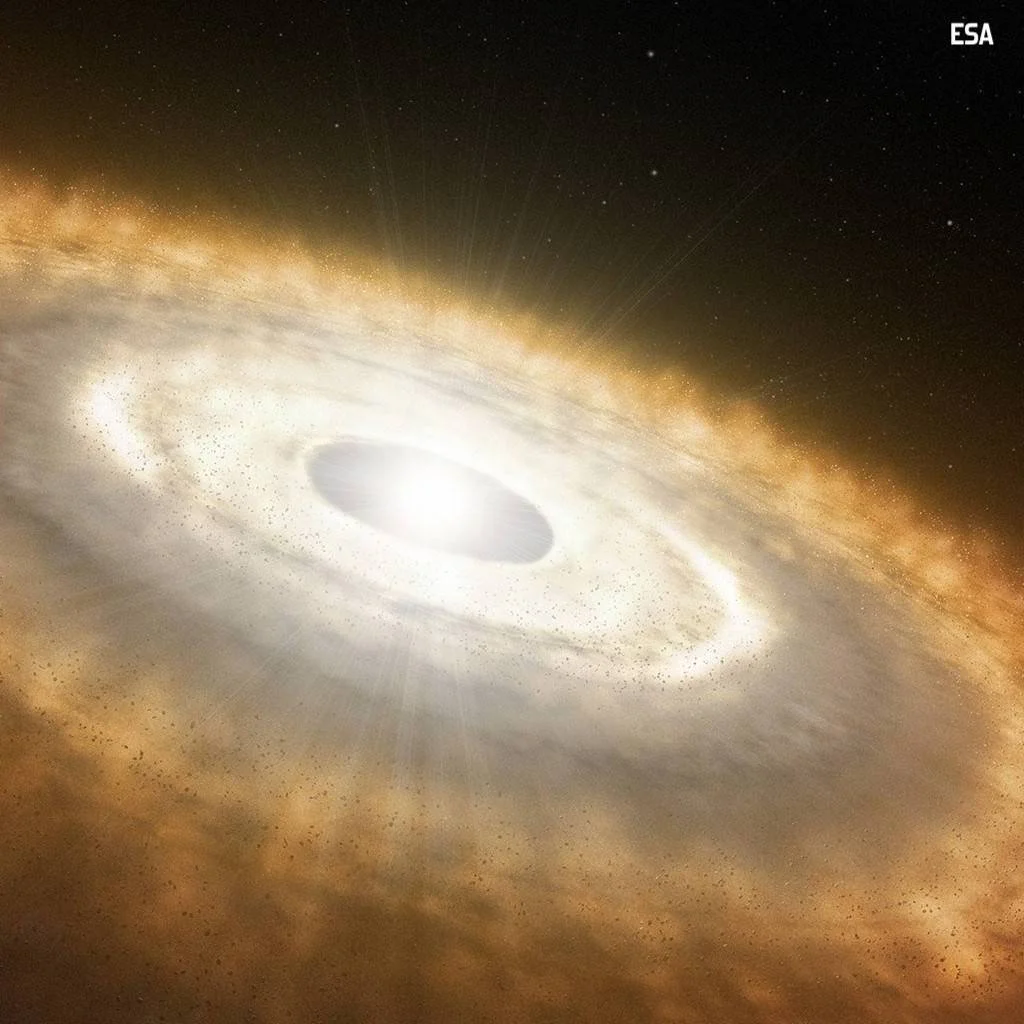 94: A Star Is Born
2022-Apr-02
64 minutes
|
 93: Baby Galaxies
2022-Mar-26
57 minutes
|
 92: Baby First Stars
2022-Mar-19
59 minutes
|
 91: Baby Universe
2022-Mar-11
69 minutes
|
 90: Touching The Sun
2021-Dec-21
57 minutes
|
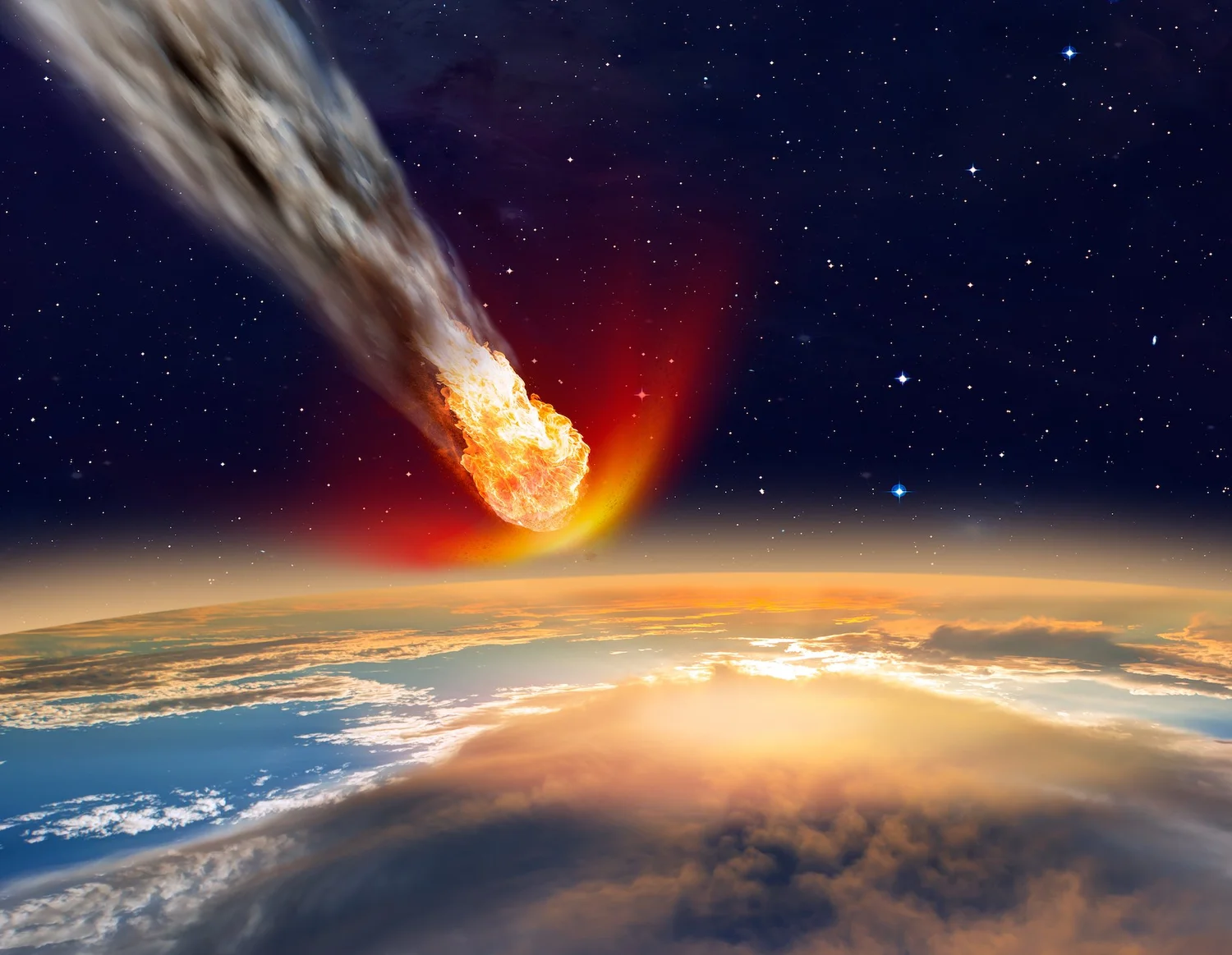 89: Diverting Dimorphos with DART
2021-Dec-05
59 minutes
|
 88: Galaxy Munchies
2021-Nov-23
49 minutes
|
 87: Star Go Boom!
2021-Nov-16
54 minutes
|
 86: Extragalactic X-Ray Exoplanet
2021-Nov-02
48 minutes
|
 85: Lucy In The Sky With Trojans
2021-Oct-26
49 minutes
|
 84: Spot Speeds Up
2021-Oct-19
53 minutes
|
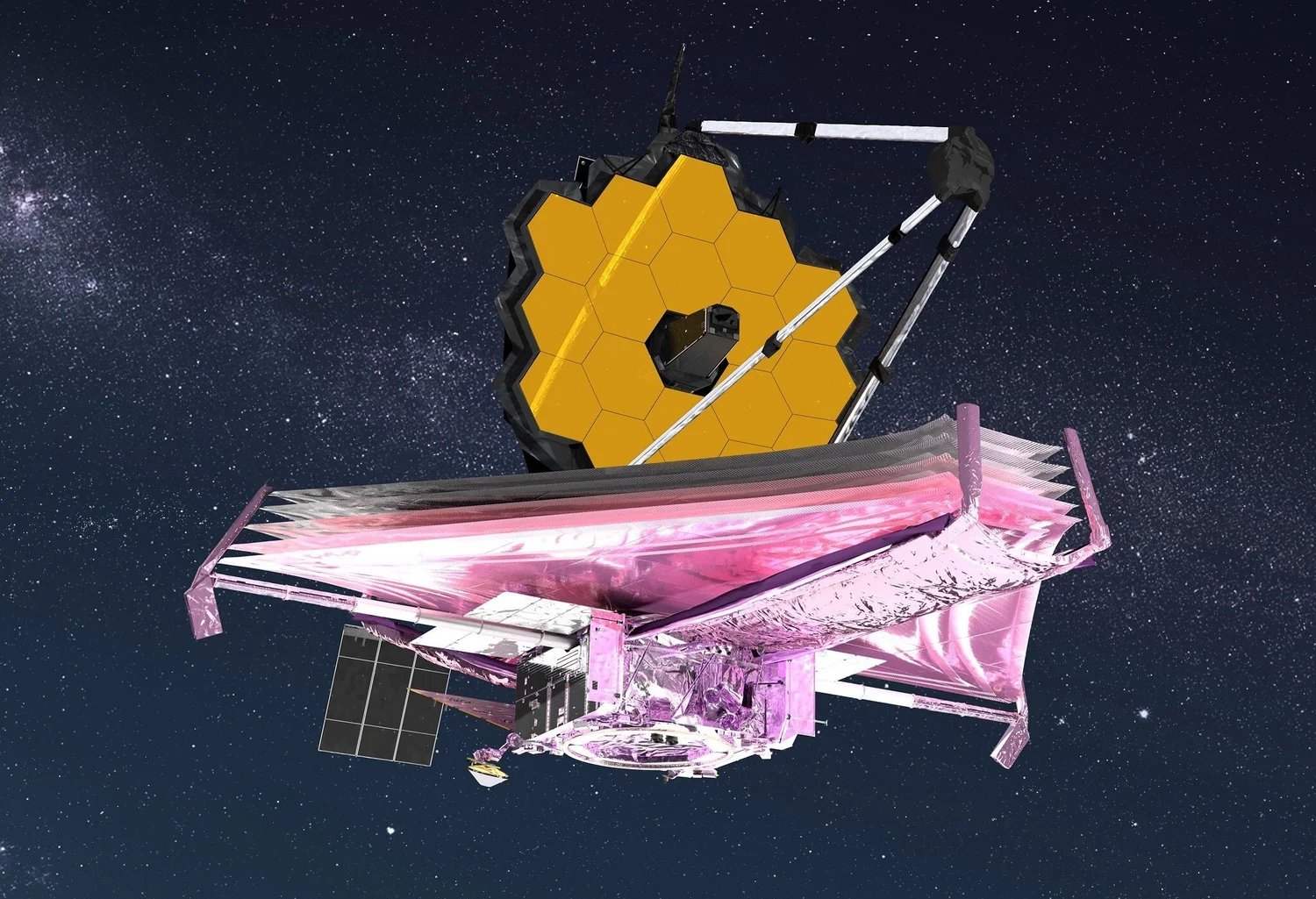 83: James Webb Set For Launch (Honestly!)
2021-Oct-12
57 minutes
|
 82: Billionaires In Space!
2021-Jul-19
70 minutes
|
 81: To Infinity And Beyond!
2021-Jun-29
59 minutes
|
 80: Mapping the Unseeable
2021-Jun-22
56 minutes
|
 79: Voyager Hears A Hum
2021-Jun-01
52 minutes
|
 78: Muons broke my physics!
2021-May-11
68 minutes
|
 77: A Night In The Life Of An Astronomer
2021-Mar-18
63 minutes
|
 76: Everybody's Going To Mars
2021-Mar-05
62 minutes
|
 75: Story of the Sun
2021-Feb-12
62 minutes
|
 74: Vale Arecibo
2021-Jan-14
62 minutes
|
 73: Blanets & Squeezars
2020-Dec-15
59 minutes
|
 72: Nobel Black Holes
2020-Oct-20
73 minutes
|
 71: Penguins on Venus?
2020-Sep-22
48 minutes
|
 70: Syzygy Summer Spectacular
2020-Jul-28
65 minutes
|
 69: Solar Secrets & Nebulous Neutrinos
2020-Jul-16
56 minutes
|
 68: Birth Of A Planet
2020-Jul-03
49 minutes
|
 67: The Mystery of Dark Matter — Live from the York Festival of Ideas!
2020-Jun-24
60 minutes
|
 66: Inscrutable Neutrons & Perplexing Pulsars
2020-May-22
57 minutes
|
 65: Burbidge Burbidge Fowler & Hoyle
2020-May-15
55 minutes
|
 64: Almost A Good Comet
2020-May-07
41 minutes
|
 63: A Pair Of Delta Scuti Lambda Boos
2020-Apr-22
38 minutes
|
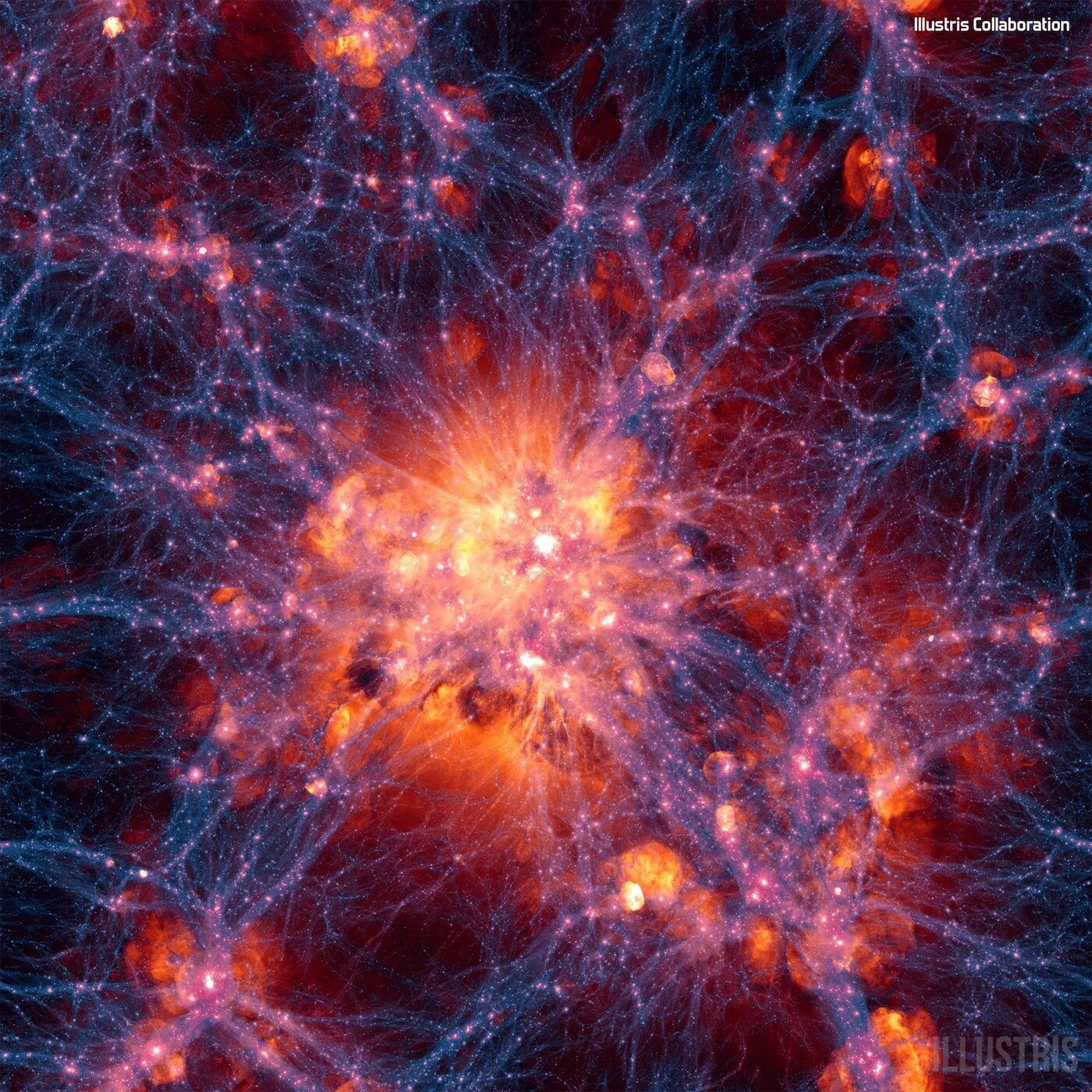 62: The Cosmic Sponge
2020-Mar-28
54 minutes
|
 61: Biggest Bang Eva!
2020-Mar-13
45 minutes
|
 60: Big Moons!
2020-Mar-06
49 minutes
|
 59: Living With A Star
2020-Feb-28
46 minutes
|
 58: Astronomical Pancake Theory
2020-Feb-19
50 minutes
|
 57: Ancient Stardust and Gaia Sausage
2020-Jan-26
45 minutes
|
 56: No Bang For Betelgeuse?
2020-Jan-17
49 minutes
|
 55: The Starlink Controversy
2019-Dec-27
42 minutes
|
 54: Black Hole Redemption
2019-Dec-20
39 minutes
|
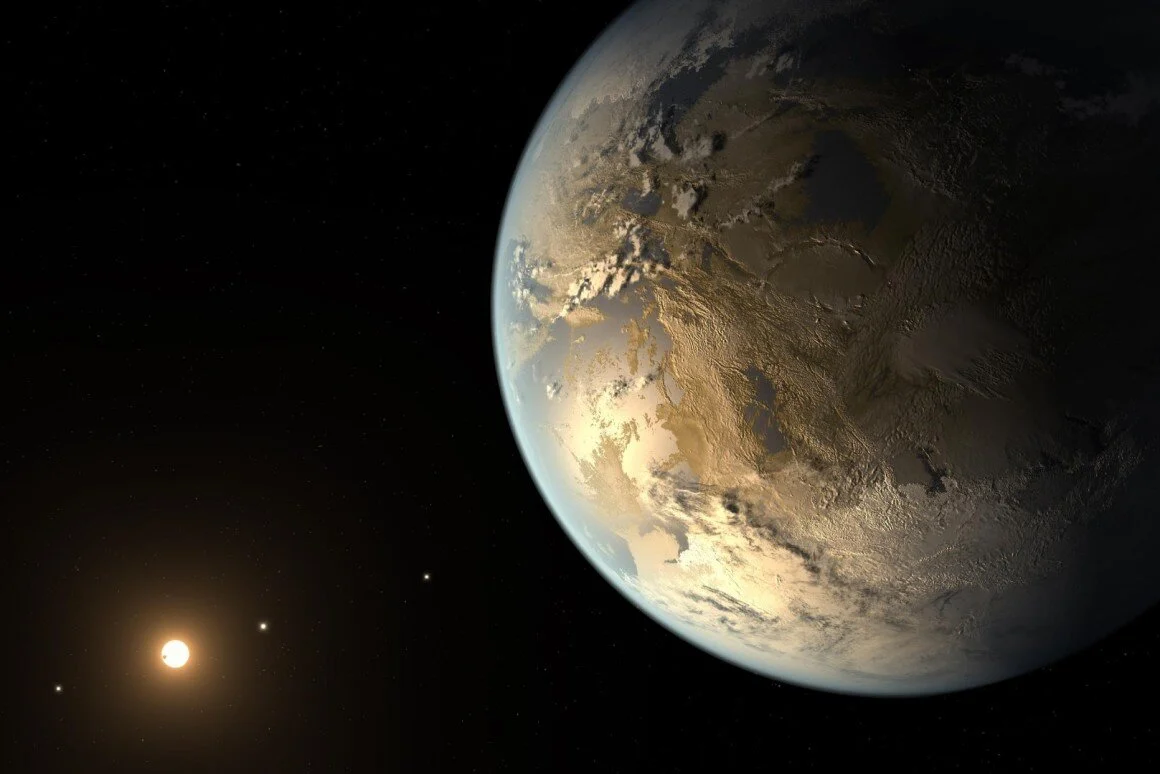 53: ’Tis the season(ality)
2019-Dec-13
39 minutes
|
 52: Live from the Podcast Social Club!
2019-Dec-04
43 minutes
|
 51: Mercury in Transit!
2019-Nov-16
43 minutes
|
 50: Imposter Comet!
2019-Nov-11
43 minutes
|
 49: The Syzygy Planet Hunter's Guide
2019-Nov-06
66 minutes
|
 48: Wobbly Stars & Exoplanets
2019-Oct-26
45 minutes
|
 47: The Milky Way Explodes!
2019-Oct-19
35 minutes
|
 46: Dark Energy And The End Of The Universe
2019-Oct-11
49 minutes
|
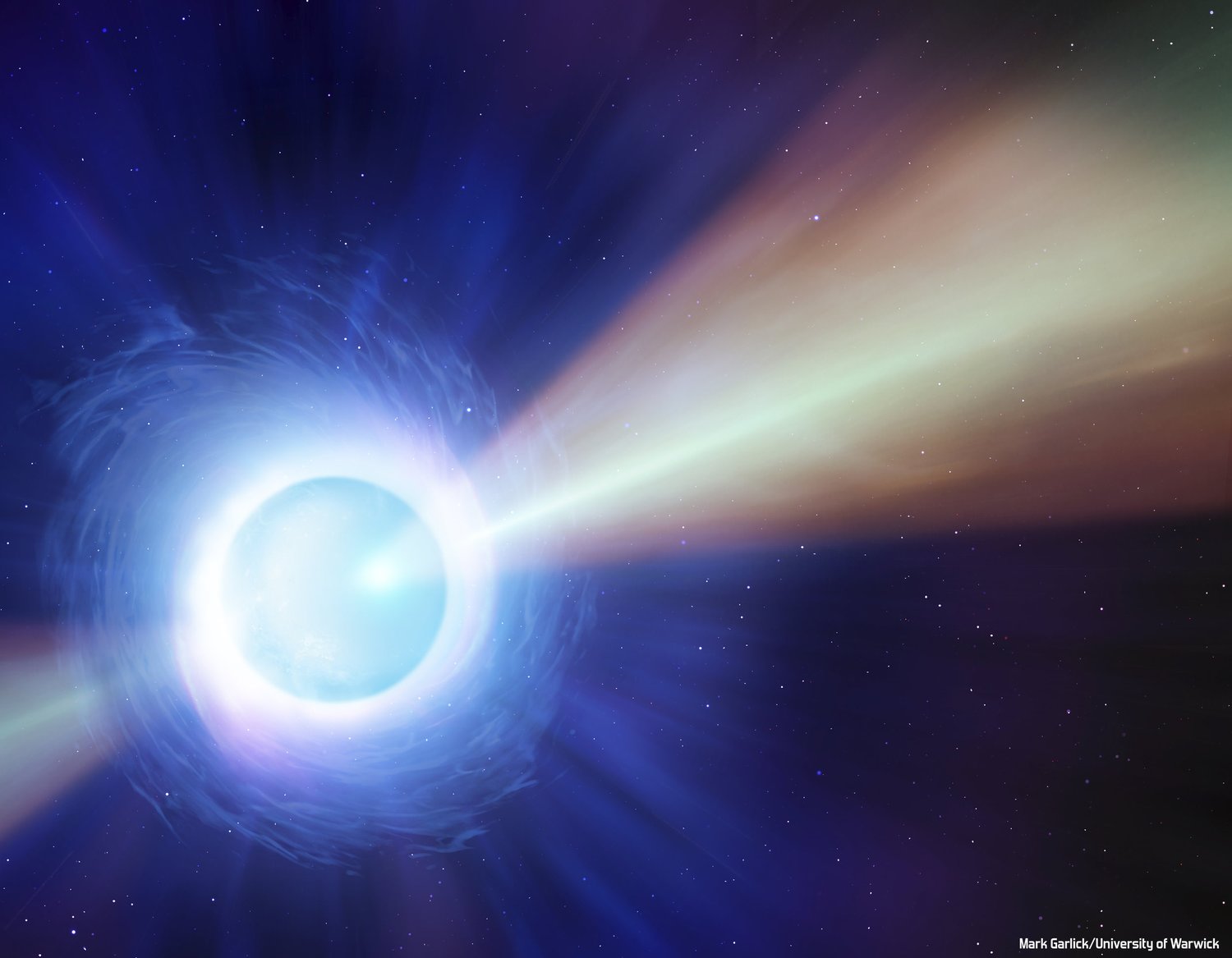 45: Biggest Neutron Star Ever!
2019-Oct-07
46 minutes
|
 44: Waterworld?
2019-Sep-27
38 minutes
|
 43: Moss Piglets in Spaaace!
2019-Sep-20
38 minutes
|
 World's First Trans-Galactic Podcast!
2019-Sep-09
7 minutes
|
 42: Life, The Universe, And Everything
2019-Sep-09
48 minutes
|
 Teaser: a special Ep 42 event
2019-Sep-02
2 minutes
|
 (Live) The Great Syzygy Space Off!
2019-Aug-13
53 minutes
|
 41: Cosmic Microwave Background (Scopes on a Balloon!)
2019-Jul-28
53 minutes
|
 40: One Giant Leap
2019-Jul-21
65 minutes
|
 39: Ridiculously Large Telescopes
2019-Jun-30
47 minutes
|
 38: Blue Twinkly Supergiants
2019-Jun-14
34 minutes
|
 37 (supplemental): Syzygy Film Club!
2019-May-14
4 minutes
|
 37: Crazy Donut Moon Theory
2019-May-11
41 minutes
|
 36: Scopes On A Plane!
2019-May-03
35 minutes
|
 35: THAT Black Hole Image
2019-Apr-23
46 minutes
|
 34: This System's Got Everything!
2019-Apr-05
34 minutes
|
 33: Goldilocks Zones around Binary Stars
2019-Mar-21
38 minutes
|
 32: A Mysterious Box of Asteroid Stuff
2019-Mar-15
38 minutes
|
 31: LIGO Gets An Upgrade
2019-Feb-22
57 minutes
|
 30: Stardust, or Cosmic Poo?
2019-Feb-15
39 minutes
|
 29: The Serendipitous Rings of Saturn
2019-Feb-08
39 minutes
|
 28: All Exoplanets Are Exciting
2019-Jan-25
46 minutes
|
 27: Up A Mountain In NZ
2018-Dec-25
23 minutes
|
 26: How To Build A Solar System
2018-Dec-19
40 minutes
|
 25: Picture The Sky
2018-Dec-10
48 minutes
|
 24: Black Holes Feeding On Colliding Galaxies
2018-Nov-23
38 minutes
|
 23: Syzygy Live! from YorNight 2018
2018-Nov-19
41 minutes
|
 22: How To Measure The Universe
2018-Nov-09
48 minutes
|
 21: BepiColombo goes to Mercury
2018-Nov-02
45 minutes
|
 20: Photo of a Black Hole
2018-Oct-26
38 minutes
|
 19: Moons, Exomoons & Moonmoons
2018-Oct-19
42 minutes
|
 18: Mysterious Planet 9
2018-Oct-12
40 minutes
|
 17: Quantum Conspiracy Theory
2018-Sep-28
12 minutes
|
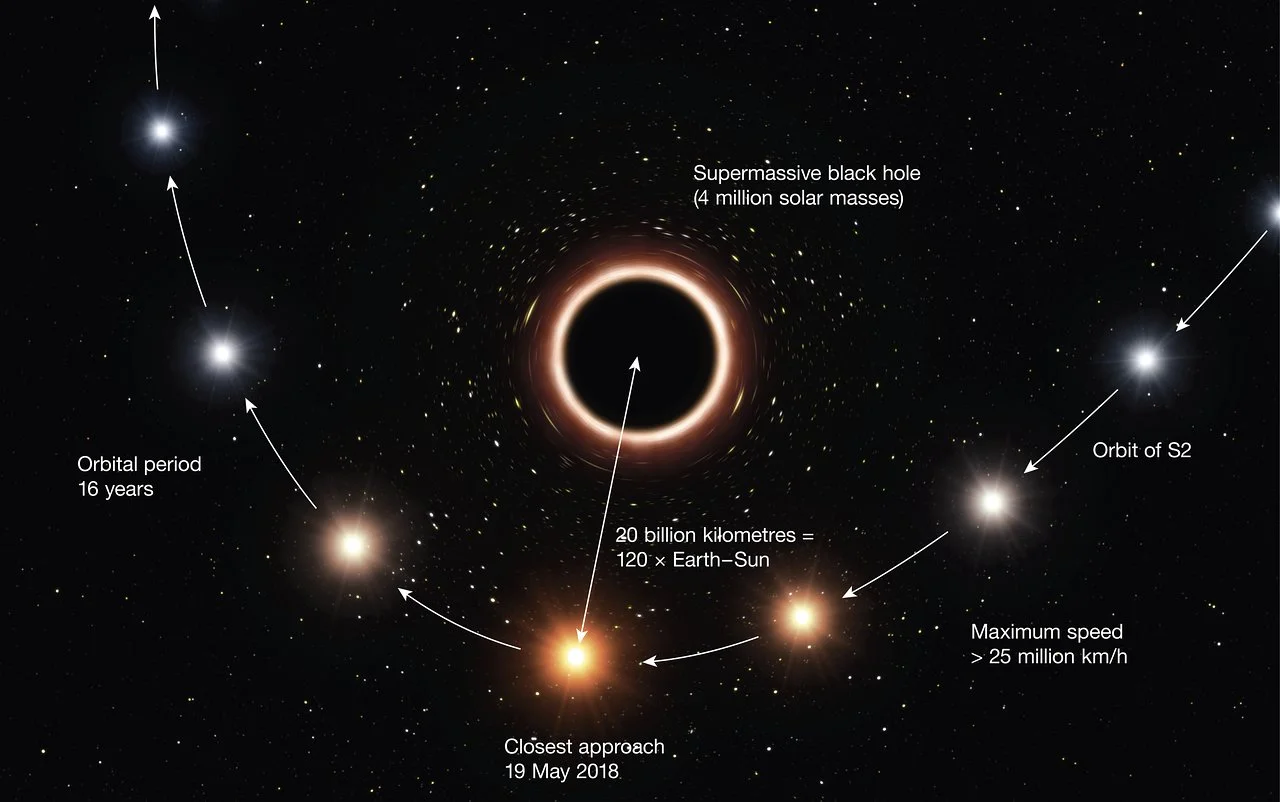 Episode 16: Einstein at the Heart of the Galaxy
2018-Aug-10
37 minutes
|
 Episode 15: A Salty Lake on Mars
2018-Aug-03
34 minutes
|
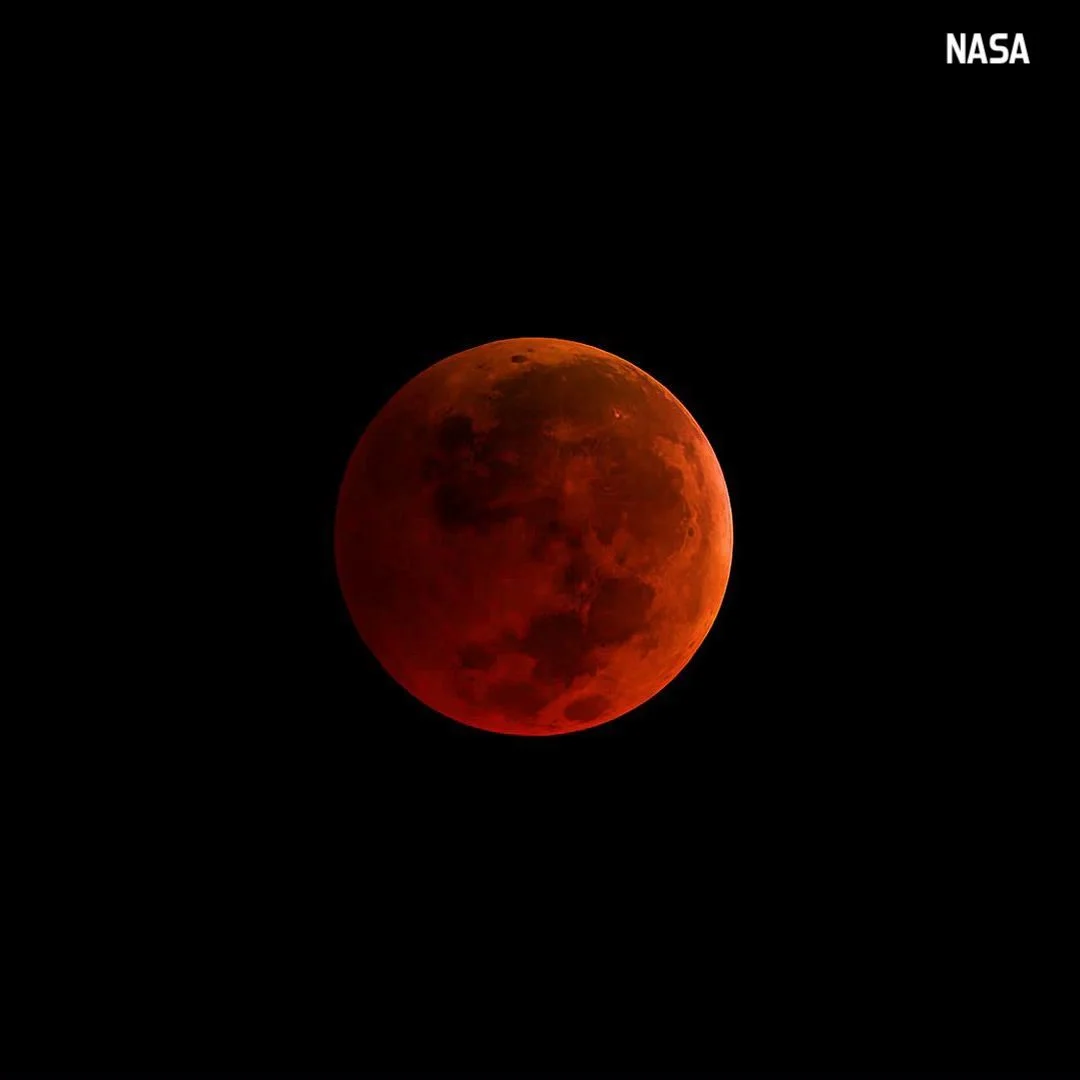 Episode 14: Total Eclipse of the Moon
2018-Jul-26
37 minutes
|
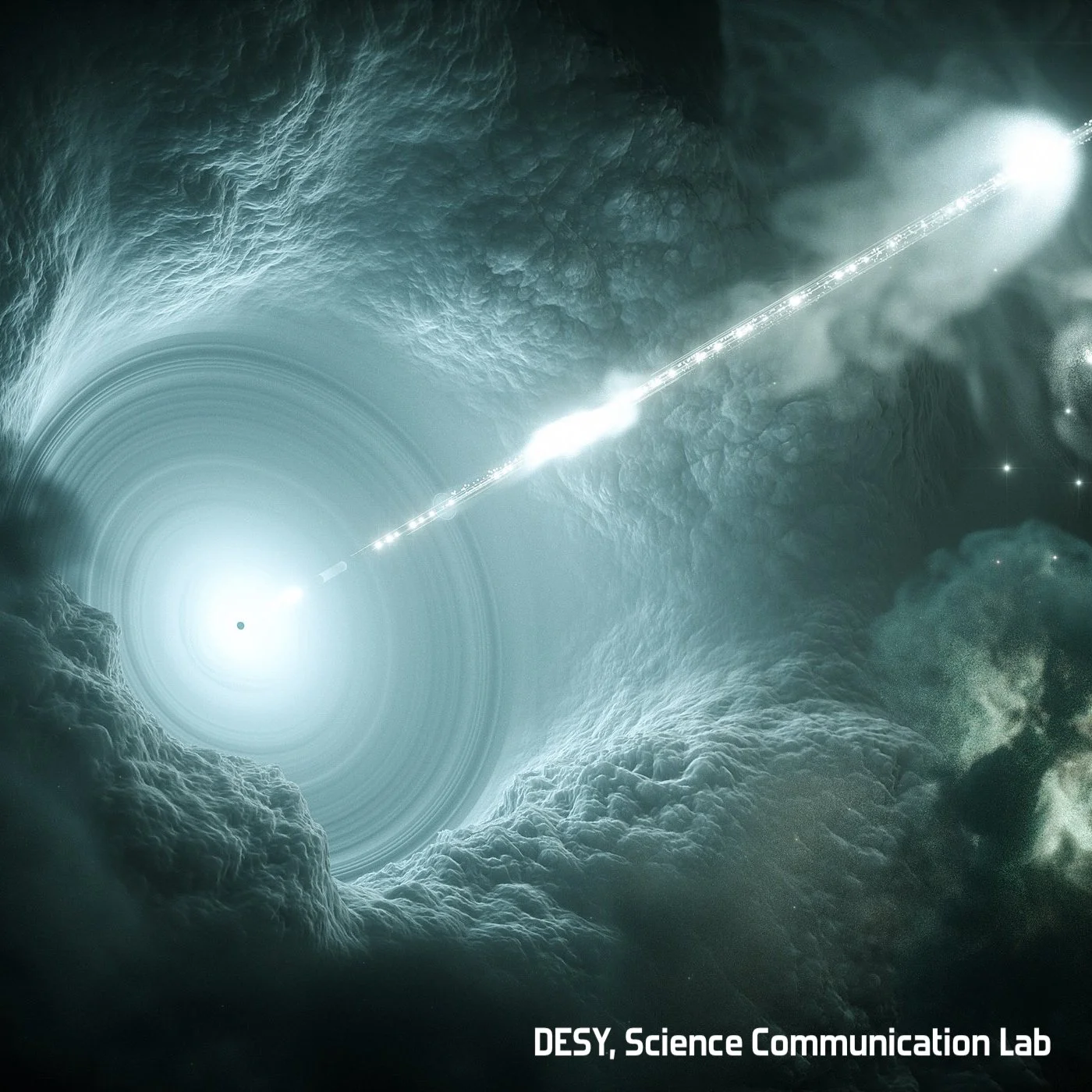 Episode 13: Neutrino Messenger from a Distant Blazar
2018-Jul-20
35 minutes
|
 Episode 12: The Light Fantastic
2018-Jul-06
36 minutes
|
 Episode 11: Black Hole Eats Star, Then Burps
2018-Jun-29
44 minutes
|
 Episode 10: So you want to be an astronomer?
2018-Jun-22
44 minutes
|
 Episode 09: Life on Mars?
2018-Jun-15
38 minutes
|
 Episode 08: The Frozen Dunes of Pluto
2018-Jun-08
38 minutes
|
 Episode 07 (supplemental): Octopuses from Space!
2018-Jun-01
7 minutes
|
 Episode 07: Plumes of Ice on Europa
2018-May-25
43 minutes
|
 Episode 06: Galaxy Pile Up Causes Cosmic Chaos!
2018-May-20
32 minutes
|
Episode 05: Diamonds from Space!
2018-May-04
31 minutes
|
Episode 04: The Music Of The Stars
2018-Apr-27
32 minutes
|
Episode 03: Holding Our Breath For TESS!
2018-Apr-19
38 minutes
|
Episode 02: Dark Matter Is Out There, Even When It's Not
2018-Apr-13
29 minutes
|
Episode 01: Planets, in a Galaxy Far, Far Away
2018-Apr-05
33 minutes
|
Episode 00: A Syzygy Sneak Peek
2018-Apr-03
3 minutes
|