 Site • RSS • Apple Podcasts
Description (podcaster-provided):
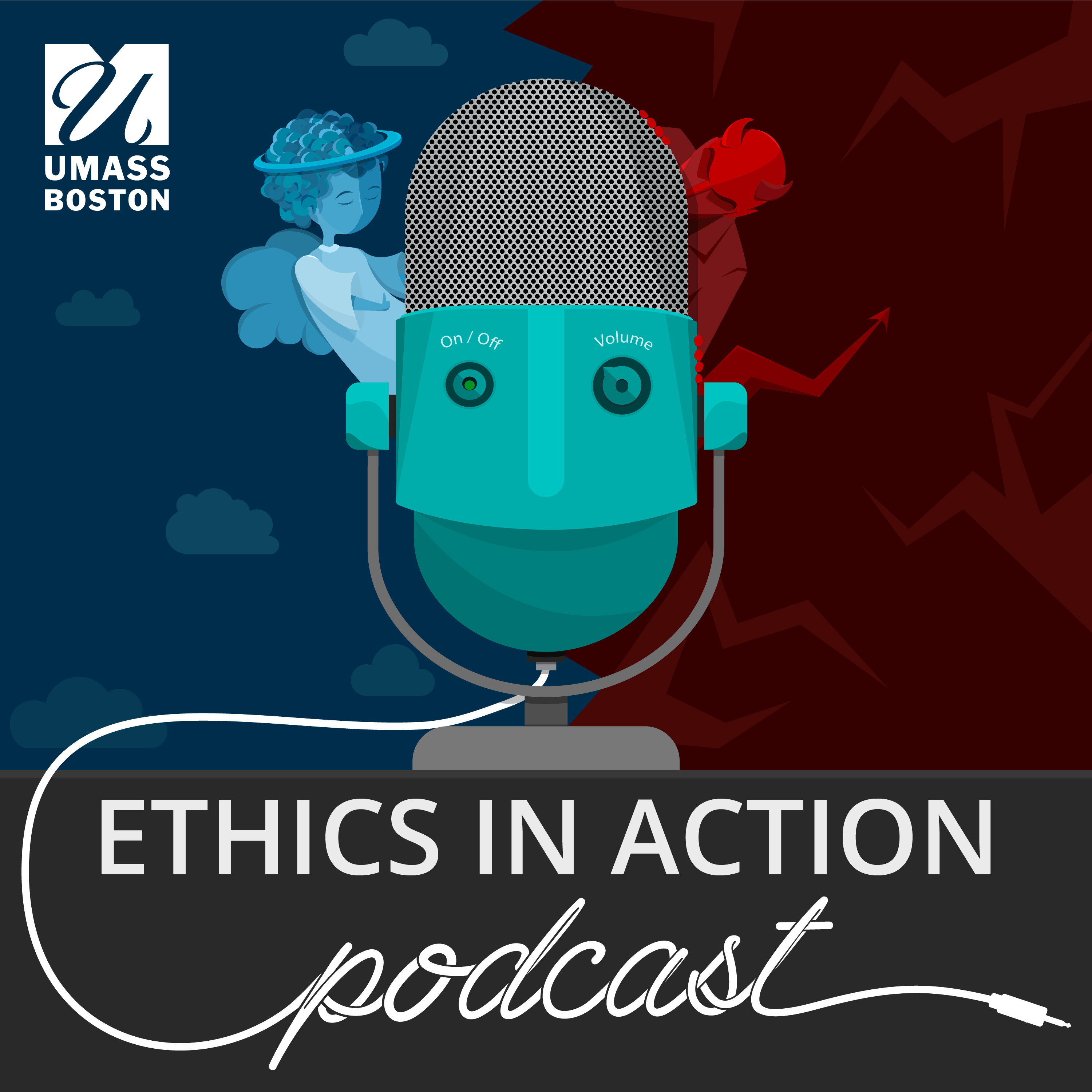
Part of UMass Boston’s Philosophy Department, the Applied Ethics Center promotes research, teaching, and awareness of ethics in public life. In this podcast, Applied Ethics Center Director Nir Eisikovits hosts conversations on the intersection of ethics, politics, and technology.Themes and summary (AI-generated based on podcaster-provided show and episode descriptions):
➤ Applied ethics debates • brain-computer interfaces, neurotechnology, neurorights, brain data privacy • AI, consciousness, governance • transhumanism/cyborgs • future of work, UBI, meaningful work • war, diplomacy, international order • race, monuments, education • public health triage • psychiatric ethicsThis podcast, produced by UMass Boston’s Applied Ethics Center and hosted by philosopher Nir Eisikovits, features interview-based conversations about applied ethics at the intersection of public life, politics, and emerging technologies. Across the episodes, guests include philosophers, scientists, engineers, journalists, and policy experts who use their work to illuminate ethical questions raised by rapidly changing institutions and tools.
A major theme is neurotechnology and brain–computer interfaces. Discussions examine what “brain data” is, how neural decoding differs from more speculative “mind reading,” and what privacy, consent, and governance might require as neuroimaging, deep brain stimulation, and noninvasive BCIs become more capable. The podcast also explores how neurotechnology affects agency, autonomy, identity, disability, and user-centered design, along with policy debates over neurorights and potential uses in areas like healthcare, marketing, and criminal justice. Related conversations broaden to AI and philosophy of mind, including questions about consciousness, artificial consciousness, large language model opacity, surveillance, regulation, and geopolitical competition over advanced technologies.
Another cluster of episodes addresses political ethics and international affairs, including war and diplomacy, the structure of international order, and how states interpret history and power in conflict. Domestic civic questions also appear, such as polarization and dialogue, public memory and monument controversies, school integration and equal education, and institutional ethics on college campuses.
The podcast also returns to the ethics of work and political economy, covering meaningful work, alienation, idleness, automation, and proposals like universal basic income, alongside episodes that connect ethical inquiry to historical texts and contemporary scientific controversies.