 Site • RSS • Apple Podcasts
Description (podcaster-provided):
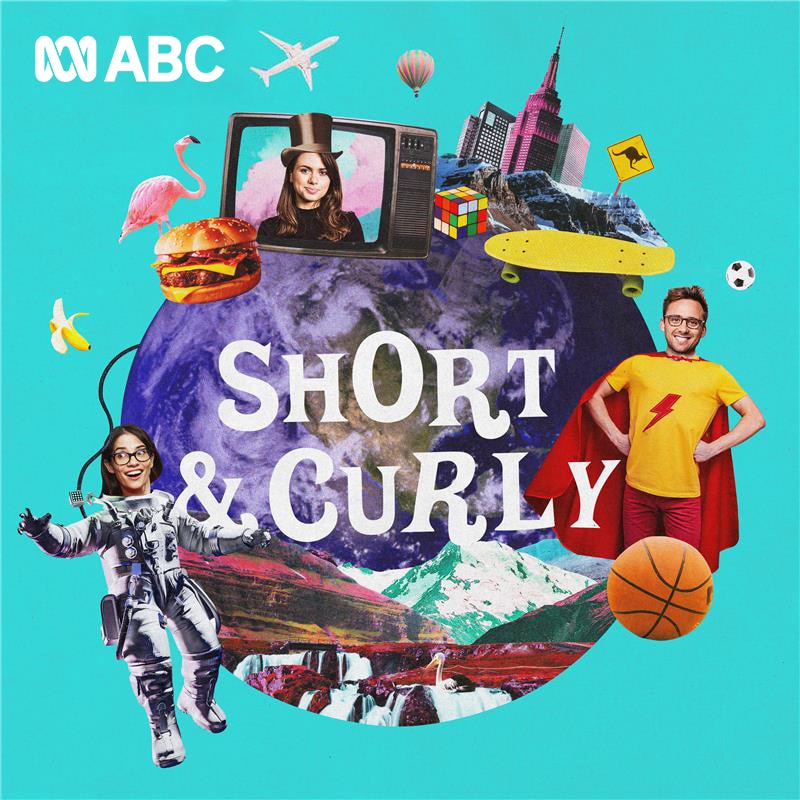
Short & Curly is the fun and educational ABC Kids and Family podcast that makes philosophy and ethics easy, entertaining, and thought-provoking. Hosted by Molly Daniels, Carl Smith, and philosopher Eleanor Gordon-Smith, the show explores big questions for kids about right and wrong, fairness, truth, knowledge, logic, beauty, and art.Themes and summary (AI-generated based on podcaster-provided show and episode descriptions):
➤ Kids philosophy & ethics dilemmas • fairness, rules, responsibility • truth, lying, promises • identity & names • friendships, exclusion, jealousy • parenting, autonomy • art, beauty, media • animals, stereotypes, welfare • technology & blame • meaning of life, dreams, selfhoodThis podcast introduces kids to philosophy and ethics through everyday dilemmas, imaginative stories, and playful thought experiments. Guided by hosts Molly Daniels and Carl Smith alongside philosopher Eleanor Gordon-Smith, it takes questions that often come up at home, school, and with friends and turns them into conversations about how to think clearly about right and wrong.
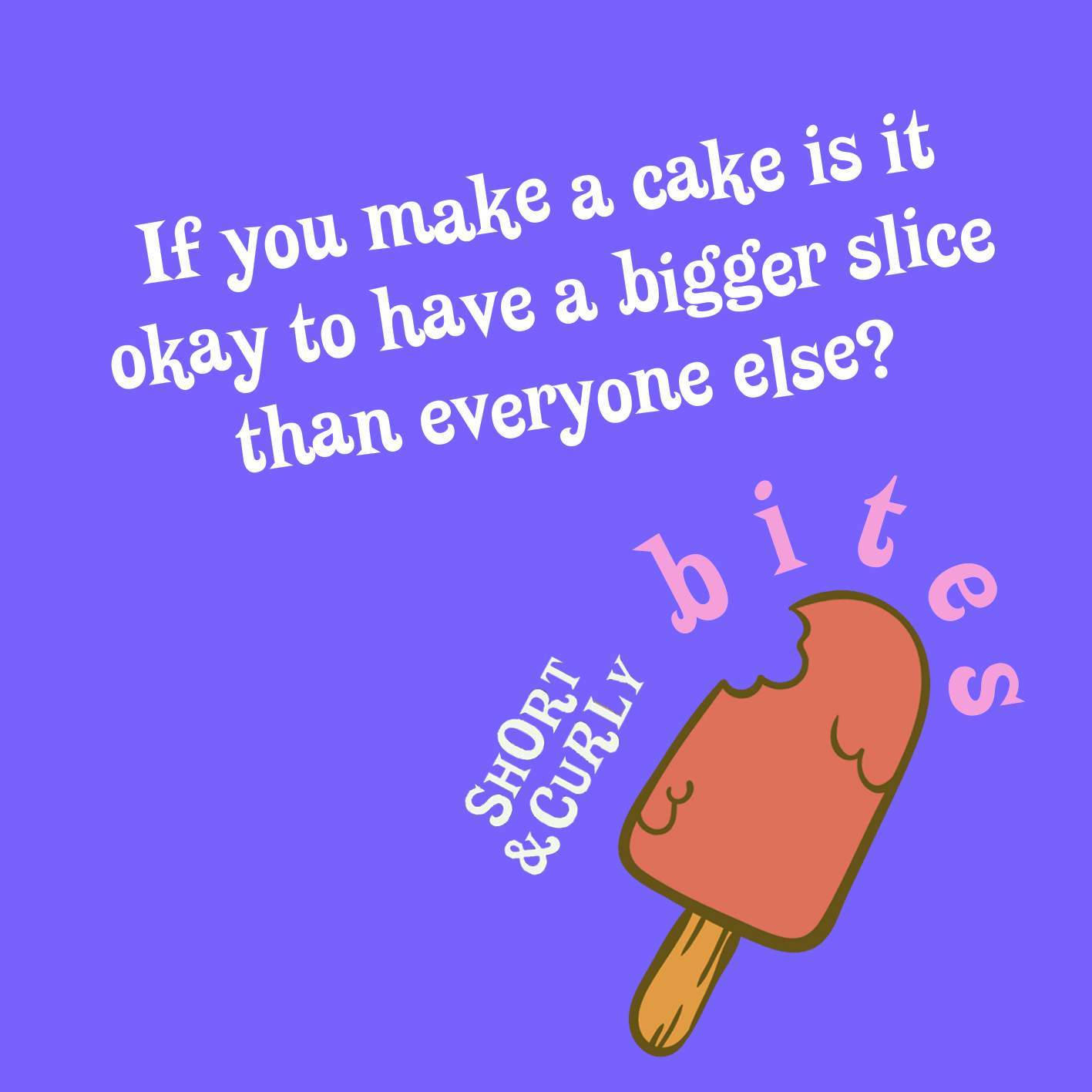
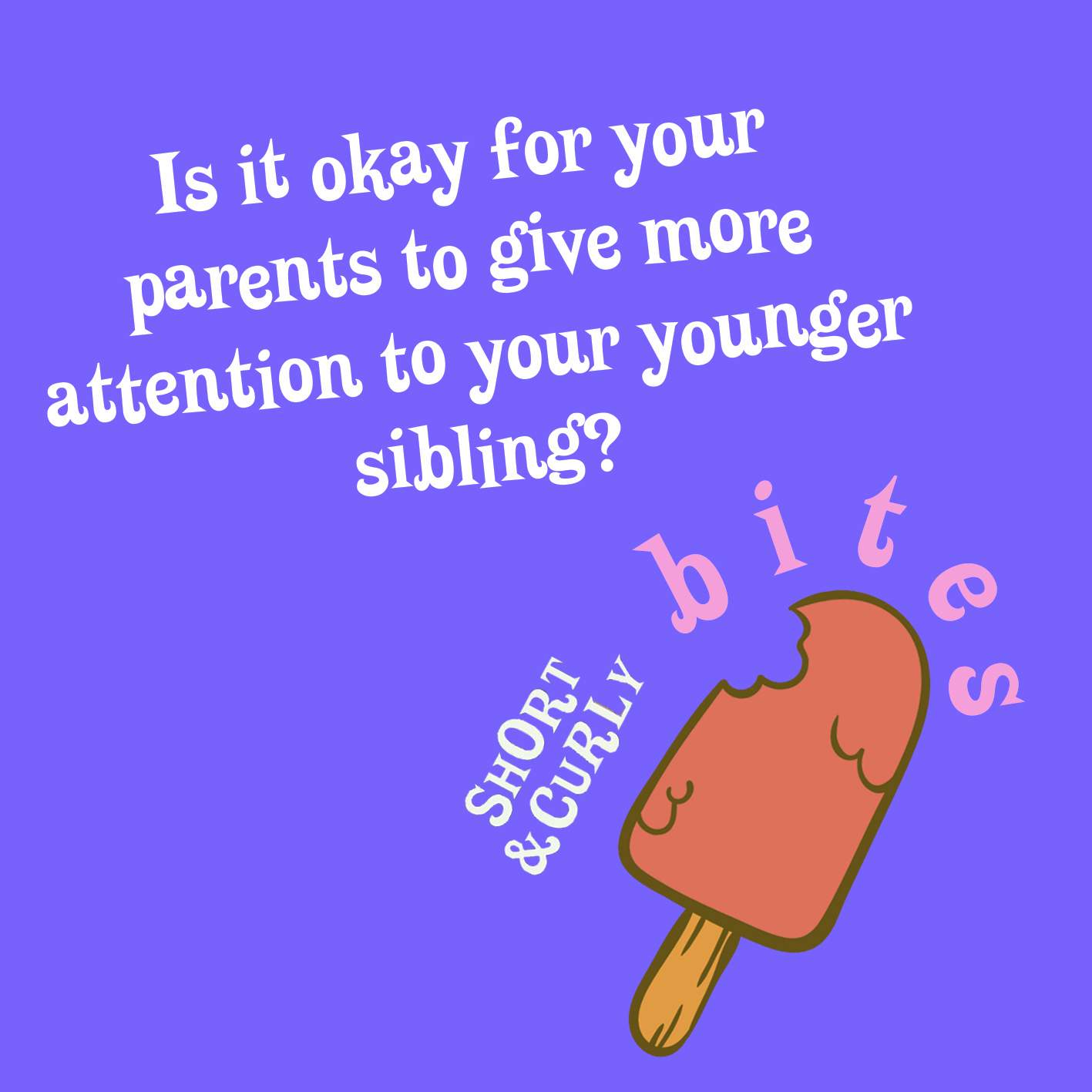
Across the episodes, the show returns to themes of fairness, responsibility, and how rules should work. It asks what makes something truly unfair versus merely frustrating, how to handle sibling comparisons, and whether it’s acceptable to treat people differently based on age, status, or money. Listeners are invited to consider who should be blamed when things go wrong—whether that’s in friendships, parenting, technology, or the way animals are trained and cared for—and what we owe others when their own choices have created risk.
The podcast also explores honesty and deception, including whether silence or half-truths can count as lying, and when (if ever) adults should mislead children for comfort or safety. Identity and respect come up in topics like pronouncing names correctly and judging people by their associations. Other episodes focus on deeper philosophical puzzles—dreaming versus waking, personal identity through change, the meaning of life, and how to make decisions about unfamiliar experiences like living forever.
Stories and retellings of fairy tales and mysteries are used to examine promises, exclusion, stereotyping, bravery, and moral pressure, often ending with open questions meant to spark discussion in families and classrooms.