 Site • RSS • Apple Podcasts
Description (podcaster-provided):
The Universe is out there, waiting for you to discover it.Themes and summary (AI-generated based on podcaster-provided show and episode descriptions):
➤ astrophysics and cosmology deep dives • star formation, stellar evolution, initial mass function • galaxy evolution, dwarf galaxies, large-scale structure • black holes, AGN jets • exoplanets, planet formation, biosignatures • CMB, dark matter/energy tensions, gravitational waves • solar system exploration • astronomy instrumentation, satellites/space pollutionThis podcast explores astronomy, astrophysics, and adjacent areas of physics through long-form conversations that connect modern research to a broader “cosmic story” of how the Universe works and how it evolved. Across the episodes, the focus frequently returns to the life cycle of matter: how the early Universe produced simple nuclei, how gas and dust cool and clump to form stars, how stellar populations are distributed in mass, and how stars enrich galaxies with heavier elements and complex molecules. Related discussions examine the ingredients and environments that enable planet formation, including protoplanetary disks, young planetary systems, and extreme exoplanets whose atmospheres or even rocky surfaces are being stripped away.
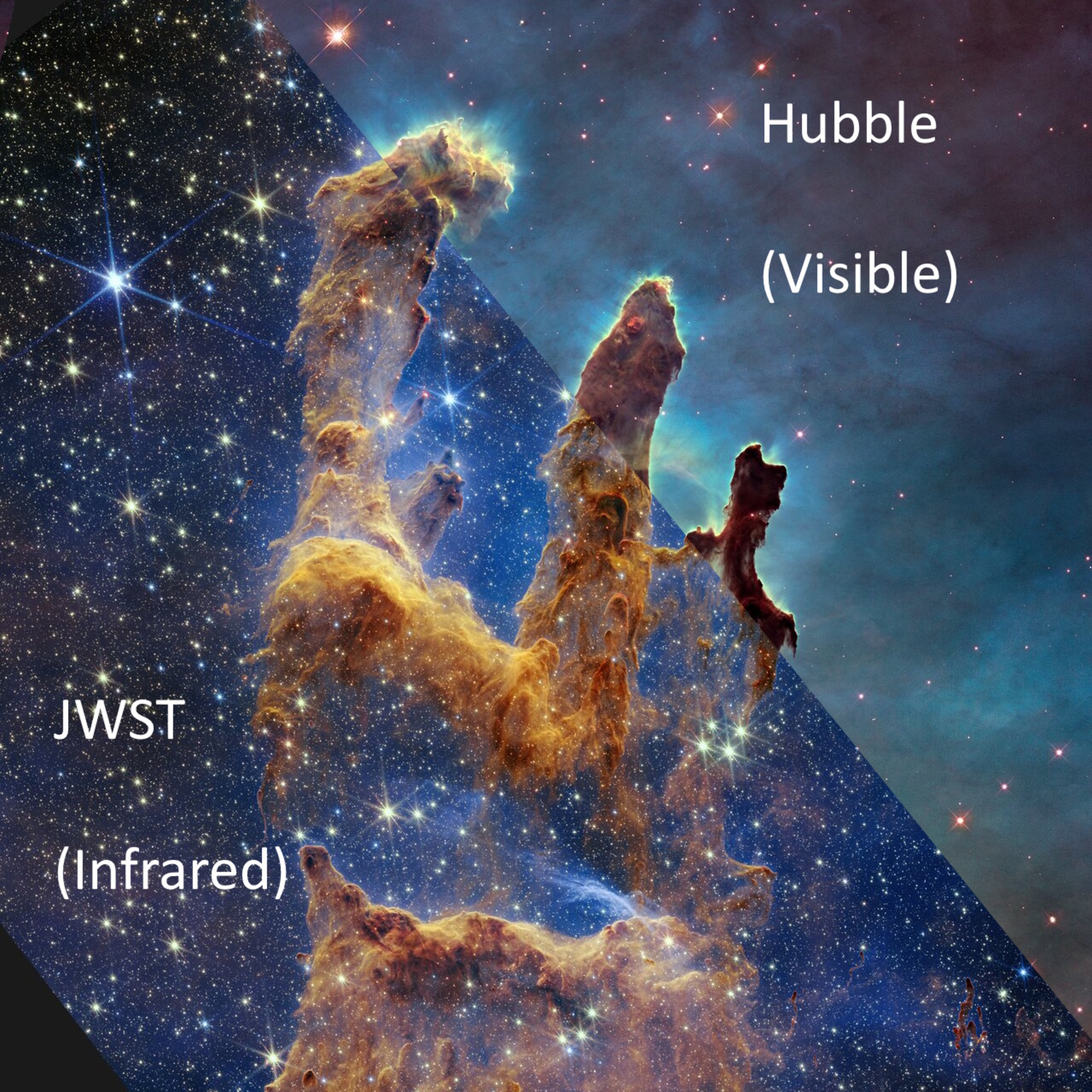
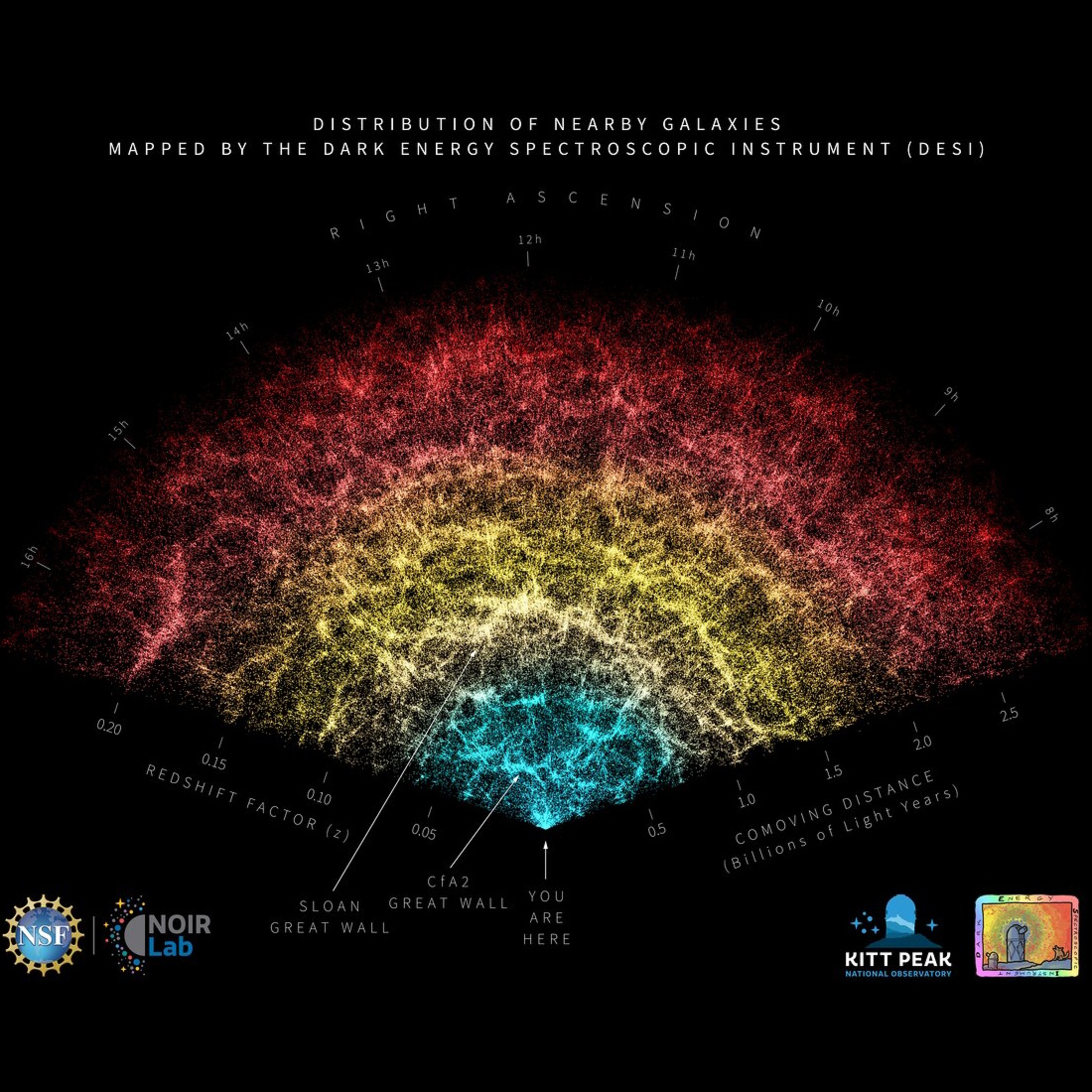
A second major theme is cosmic structure and cosmology, from the cosmic microwave background to the growth of galaxies and the large-scale distribution of matter. These topics include dark matter, dark energy, and current observational tensions that test the standard cosmological model, alongside methods and surveys used to map the Universe over time, including results and expectations from instruments such as JWST and DESI. The show also covers compact objects and high-energy phenomena—supermassive black holes, jets, supernovae, neutron stars—and gravitational-wave astronomy across multiple detection approaches.
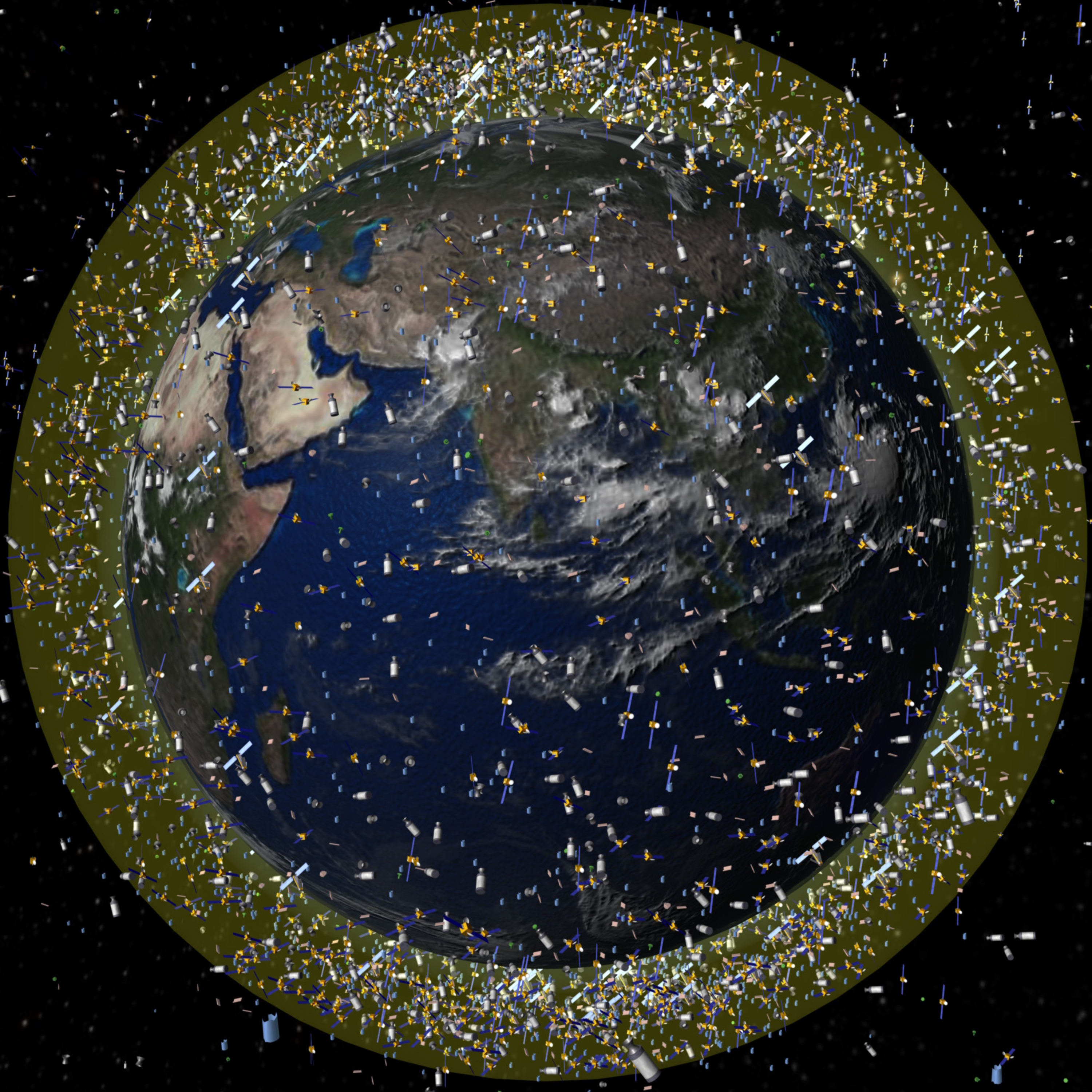
Interwoven with the science are episodes about the tools and infrastructure that make discoveries possible, such as optical interferometry, future particle colliders, quantum computing, and the challenges that satellites and space debris pose for ground- and space-based observations. The overall emphasis is on how evidence is gathered, how models are evaluated, and what open questions remain at the research frontier.